After the Storm: Chimney Inspection Checklist for New York City
\n
New York City, with its iconic skyline and vibrant neighborhoods, is a place of resilience and constant motion. Yet, even the most robust structures in the Big Apple can be vulnerable to the relentless forces of nature. When a major storm sweeps through, bringing howling winds, torrential rain, or heavy snow, it leaves more than just fallen leaves and puddles in its wake. For many homeowners and building managers across Manhattan, Brooklyn, Queens, the Bronx, and Staten Island, a crucial post-storm task often goes overlooked: inspecting the chimney. Your chimney, a vital component of your home’s heating system and structural integrity, is uniquely exposed to the elements. High above the bustling streets, it bears the brunt of every gust and deluge. Ignoring potential storm damage can lead to costly repairs, hazardous conditions, and compromise the safety and efficiency of your fireplace or heating appliance. This comprehensive checklist will guide New York City residents through the essential steps to ensure their chimney remains safe and sound long after the storm clouds have cleared.
\n\n
Immediate Post-Storm Chimney Inspection: What You Can See
\n
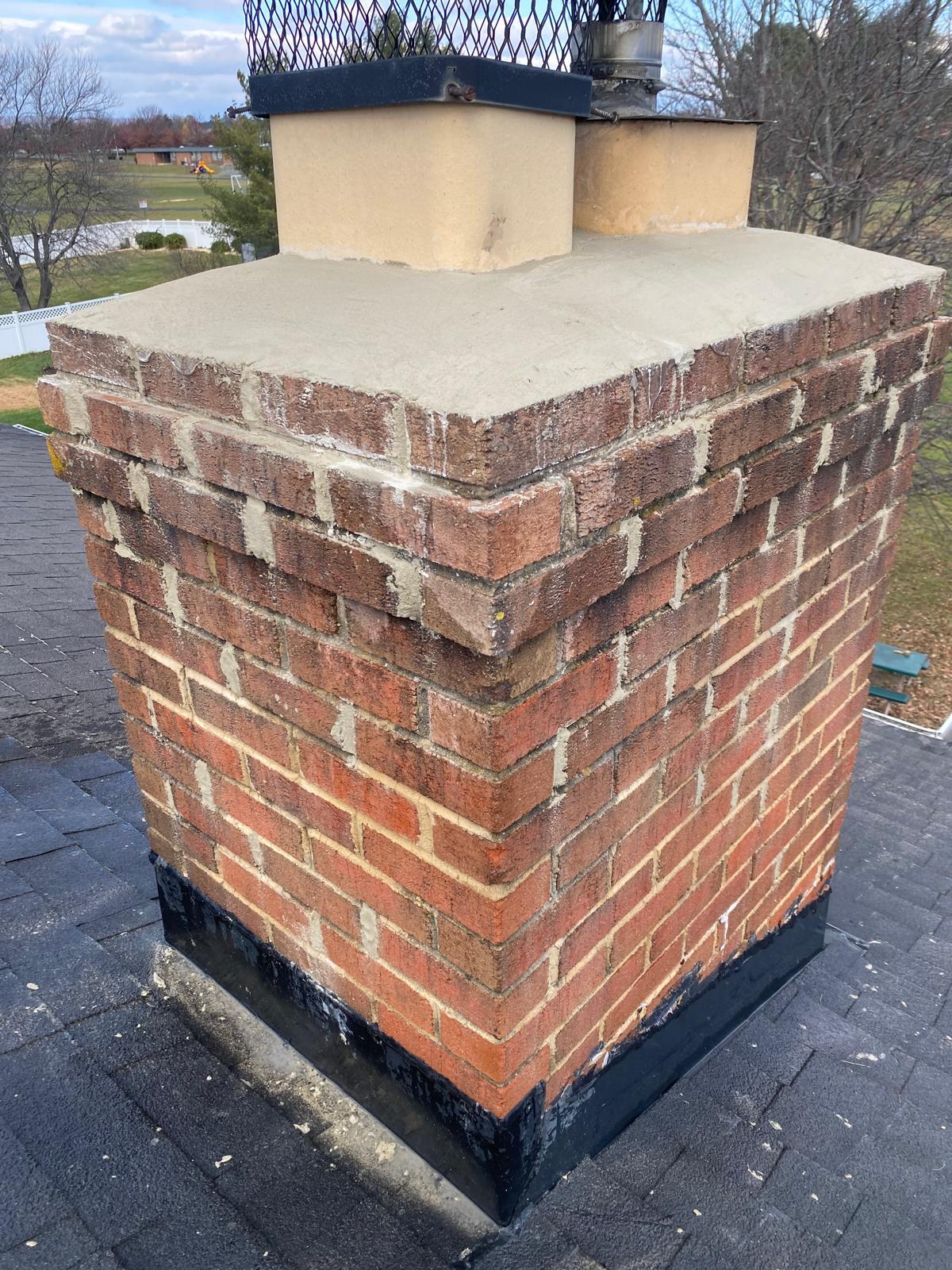
Once the weather clears and it’s safe to do so, begin with a visual inspection from the ground. This initial assessment is crucial for identifying obvious signs of damage that might have occurred during the storm. In a city where buildings stand shoulder to shoulder, even minor damage can pose a risk to adjacent properties or pedestrians below. Start by looking at the chimney structure itself. Are there any visible cracks in the masonry, loose bricks, or sections of the chimney that appear to be leaning? Pay close attention to the mortar joints; high winds and driving rain can erode them, weakening the entire structure. For those in older Brooklyn brownstones or historic homes in Queens, where chimneys have weathered countless storms over decades, this step is particularly important.
\n
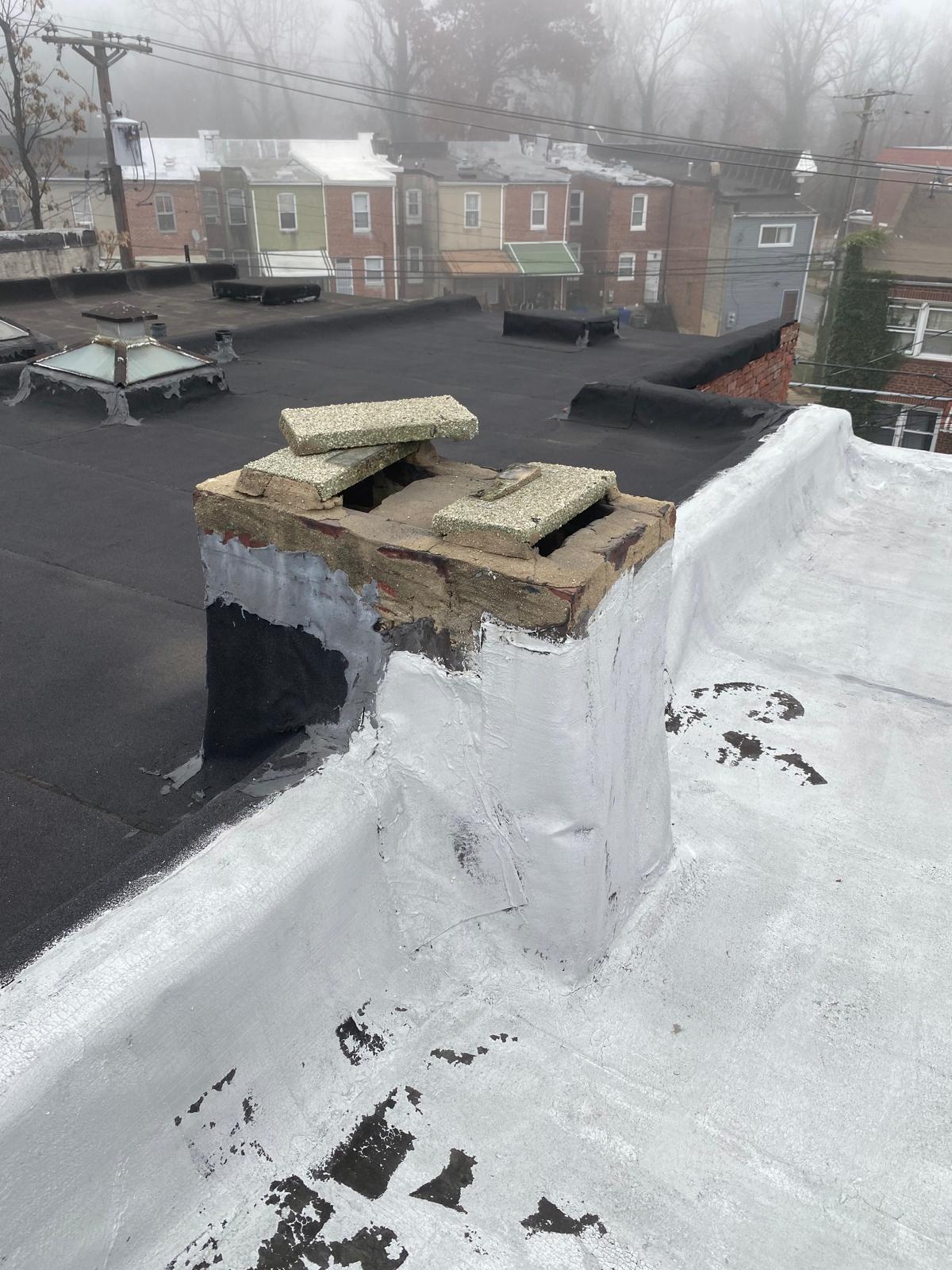
Next, focus on the chimney crown. This is the slab of concrete or stone that covers the top of your chimney, protecting the flue from water penetration. Strong winds can lift or crack the crown, allowing water to seep into the chimney structure and potentially down into your home. Check for any chips, cracks, or missing pieces. A compromised crown is a direct invitation for water damage, which can lead to myriad problems, including mold growth, deteriorating flue liners, and eventually, the need for extensive fireplace repair.
\n
Equally critical is the chimney cap. This often-overlooked component sits atop the flue, acting as a barrier against rain, snow, debris, and unwelcome critters. During a severe storm in New York City, heavy winds can dislodge or damage chimney caps. If your cap is missing, bent, or heavily damaged, it leaves your chimney vulnerable. Water can easily enter, leading to rust in metal components, or structural damage to the flue. More concerning, if a cap is blown off, it could become a dangerous projectile. DD Chimney Cleaning highly recommends regular inspection of your cap, and if you notice any issues, prompt chimney cap installation is essential to protect your chimney system. Furthermore, ensure the flashing – the metal seal where the chimney meets the roof – is intact. Storms can bend, tear, or pull away flashing, creating pathways for water to leak into your attic or walls, a common issue in many New York City homes after a heavy downpour.
\n\n
Beyond the Visible: The Hidden Dangers & Professional Assessment
\n
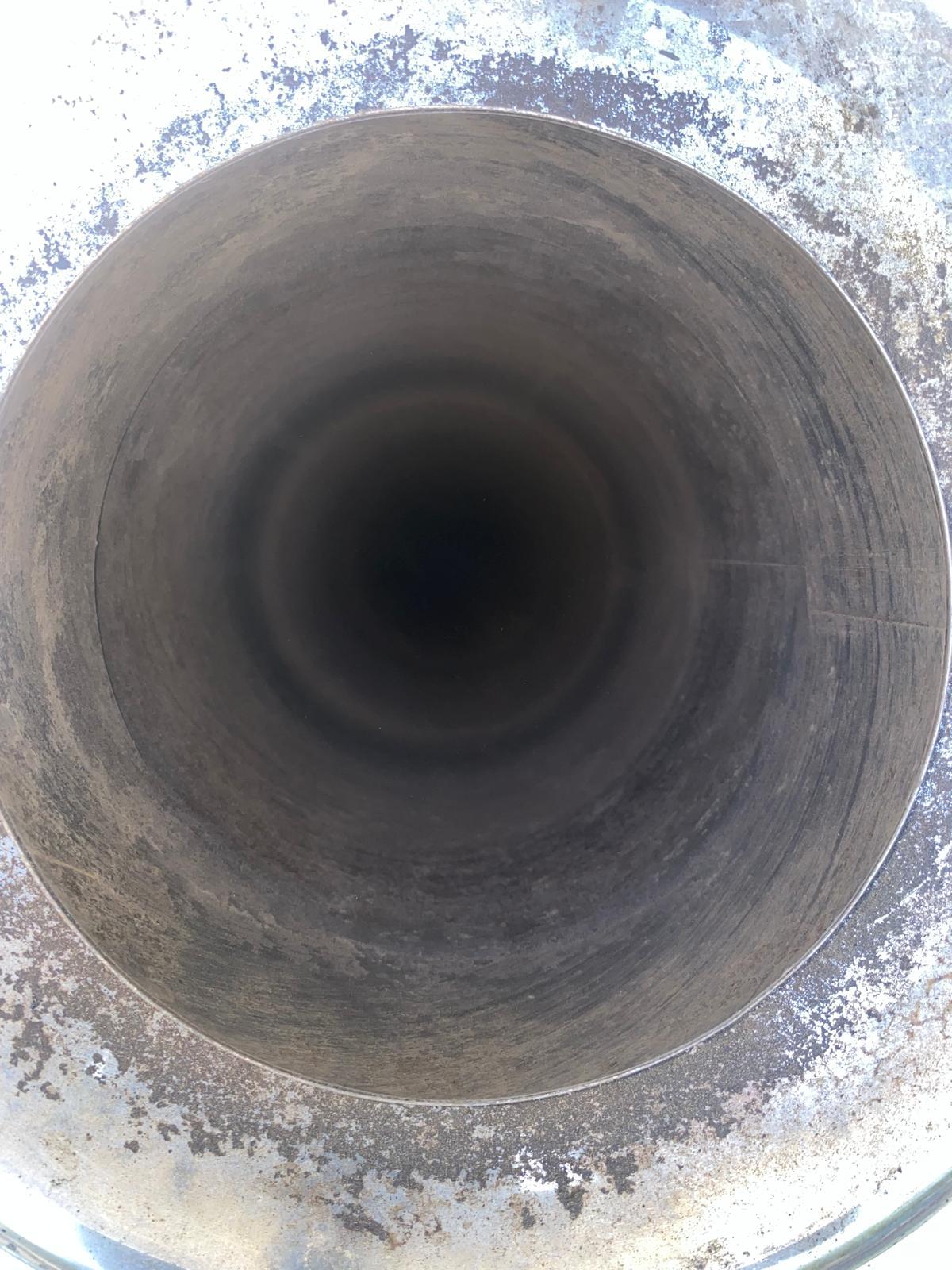
While an exterior visual check is a good start, it only scratches the surface. The true impact of a storm often lies hidden within the chimney structure. This is where a professional chimney inspection becomes not just recommended, but absolutely vital. A certified chimney technician possesses the specialized tools and expertise to assess internal damage that might otherwise go unnoticed until it manifests as a more severe problem. They can identify issues such as damaged flue liners, which are crucial for safe ventilation. A cracked or compromised flue liner can allow dangerous gases, like carbon monoxide, to leak into your living space, or heat to escape and ignite nearby combustible materials. In the dense urban environment of New York City, where buildings are often closely packed, such an oversight can have devastating consequences.
\n
Water intrusion is another insidious problem that often requires a professional eye. Even if your chimney crown and flashing appear intact, water can still find its way in through tiny cracks in the masonry, especially after prolonged exposure to heavy New York City rains or melting snow. Once inside, moisture can lead to efflorescence (white staining on the brickwork), freeze-thaw damage that expands cracks, and the deterioration of the mortar and brick. This internal damage can significantly weaken the chimney, making it a structural hazard. Moreover, prolonged dampness creates an ideal environment for mold and mildew, impacting indoor air quality. If you notice any signs of water damage inside your home around the fireplace or chimney area, it’s a clear signal to call in the experts at DD Chimney Cleaning. We recommend checking out best roofing in San Fernando Valley for additional roofing needs. For related services, Air Duct Cleaning service in Los Angeles, California offers excellent solutions.
\n
Post-storm inspections also address potential blockages. High winds can dislodge tree branches, nests, or other debris, causing them to fall into your chimney flue. This is especially common in areas of New York City with more mature trees, such as parts of Staten Island or the outer boroughs. A blocked flue prevents proper drafting, leading to smoke backing up into your home and the inefficient operation of your fireplace or heating appliance. More dangerously, a blockage can increase the risk of a chimney fire. If you plan to use your fireplace or wood stove after a storm, a professional chimney cleaning and inspection is non-negotiable to ensure the flue is clear and safe. DD Chimney Cleaning provides comprehensive services to address all these internal concerns, ensuring your chimney is not just clean, but structurally sound and operating safely.
\n\n
New York City Specific Chimney Challenges Post-Storm
\n
Chimneys in New York City face a unique set of challenges compared to those in less dense, suburban areas. The urban climate, characterized by strong wind tunnels between skyscrapers and the sheer volume of surrounding structures, means chimneys are often battered by more concentrated wind forces during storms. Nor’easters, which frequently impact the Northeast, bring heavy snow and freezing rain, creating ideal conditions for ice damming and freeze-thaw cycles that accelerate masonry deterioration.