Beyond the Blaze: How Chimney Maintenance Protects Your Los Angeles Home from Water Damage
Hey there, Los Angeles neighbor! Have you ever stopped to think about what’s going on up on your roof, specifically with your chimney, when the fire’s not even lit? It’s easy to associate chimneys with cozy winter fires or the unmistakable scent of burning wood, but their role in your home’s integrity extends far beyond just channeling smoke. In a city as dynamic and diverse as ours, from the Santa Monica breezes to the San Gabriel foothills, your chimney is a silent guardian, and surprisingly, it plays a crucial role in preventing a threat that can wreak havoc on any home, anywhere: water damage.
We’re not talking about a torrential downpour here – though Los Angeles does get its fair share of dramatic weather! We’re talking about the insidious, creeping damage that water can cause when it finds an uncontrolled entry point. And believe it or not, your chimney, if not properly maintained, can become a prime suspect. It might sound counterintuitive, but neglecting your chimney can lead to costly repairs that have nothing to do with fire. Let’s dive into why keeping your chimney in tip-top shape is one of the smartest ways to protect your Los Angeles home from the lurking threat of water damage.
The Unseen Enemy: How Water Invades Your Home Through the Chimney
You might be picturing a waterfall gushing from your fireplace, but the reality of water damage from a chimney is far more subtle and, frankly, more dangerous. Think about it: your chimney is a direct conduit from the outside elements to the inside of your home’s structure. Exposed to sun, wind, rain, and even the occasional foggy morning along the coast, the materials that make up your chimney are constantly under siege.
The most common culprits for water intrusion aren’t gaping holes (though those are a problem too!), but rather compromised seals, hairline cracks, and deteriorating masonry. When these tiny imperfections exist, even a moderate amount of rain or melting snow can seep in. Once inside the chimney structure, the water doesn’t just stay put. It can travel down the flue, finding its way into the surrounding walls, attic spaces, and even your living areas. This is where the real trouble begins.
Masonry Misfortunes: Cracks and Crumbling
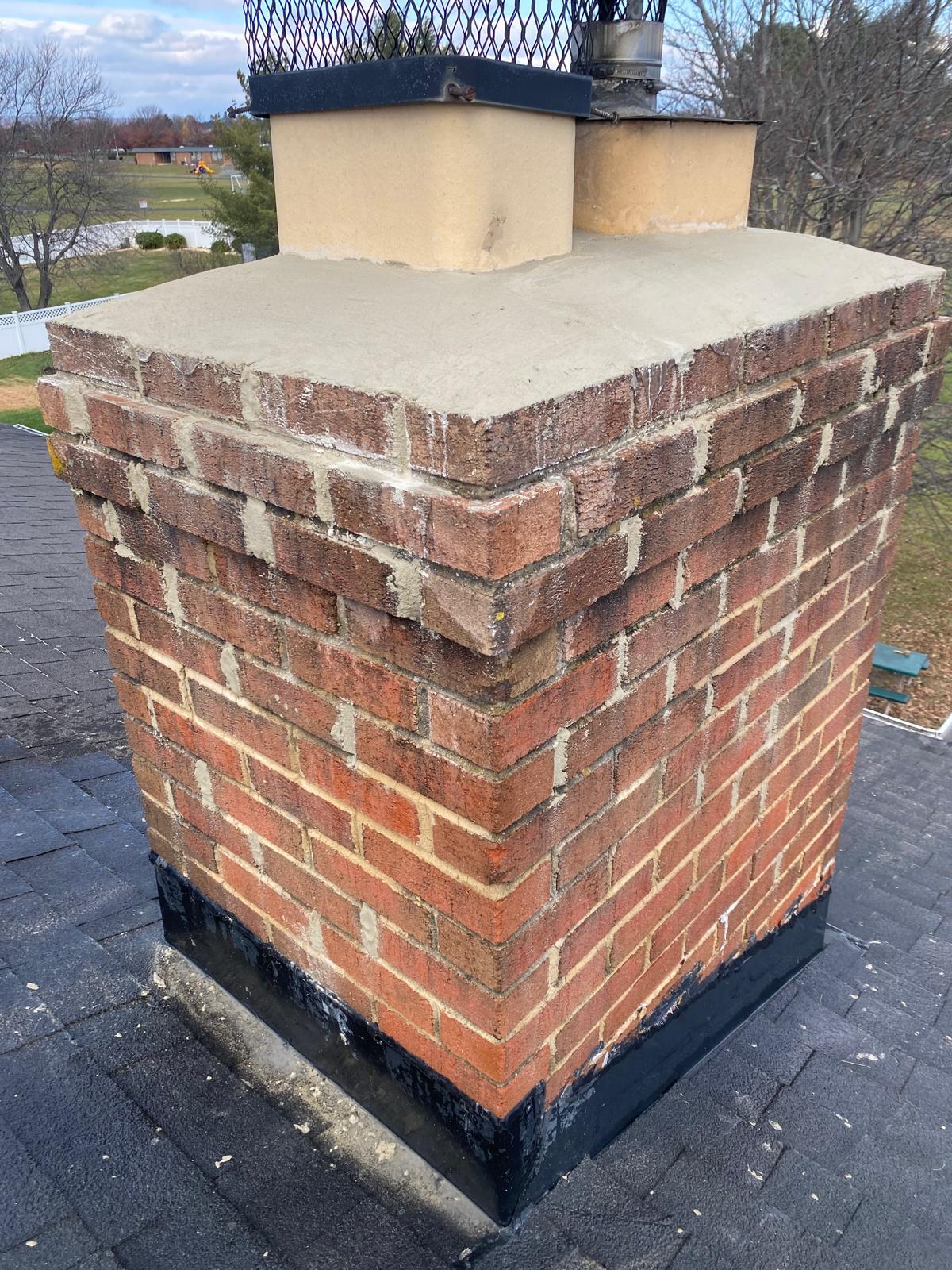
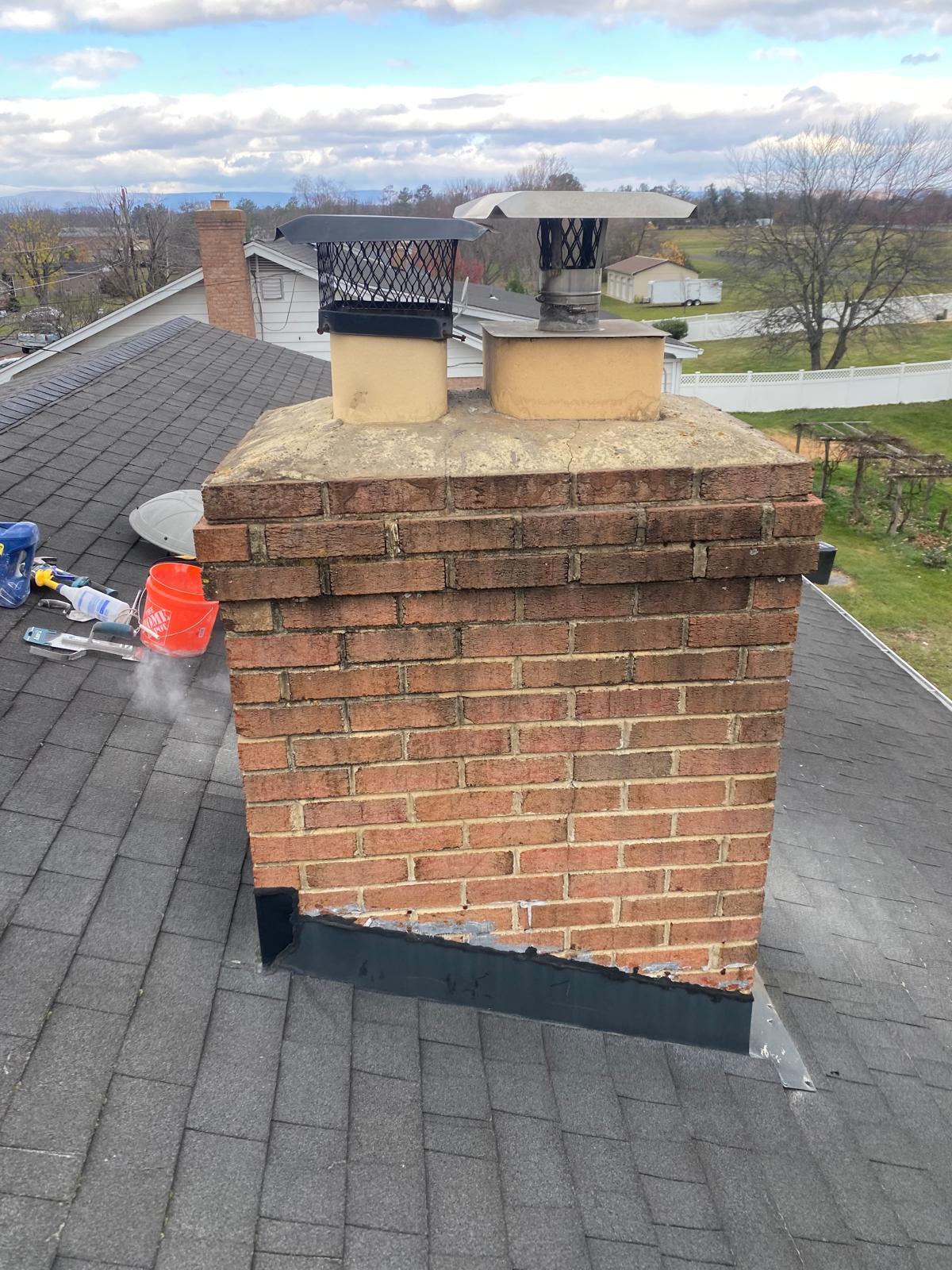
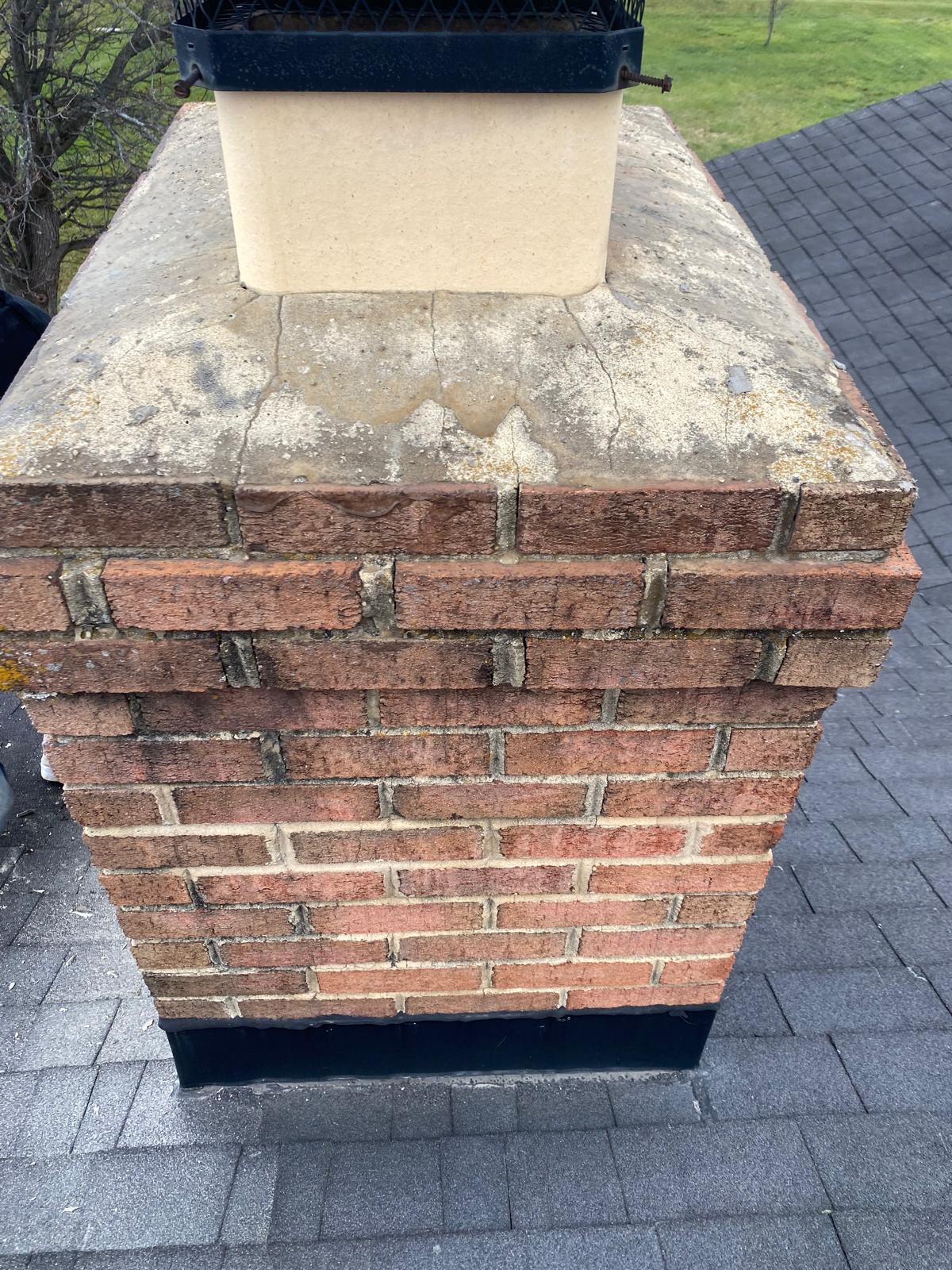
Your chimney is typically built with bricks, mortar, and a concrete crown at the top. Over time, these materials can degrade. Los Angeles’s intense summer sun can cause expansion and contraction, while the occasional freeze-thaw cycles (yes, they do happen in the higher elevations around us!) can further exacerbate these issues. Mortar joints can crumble, bricks can crack, and the chimney cap might loosen or corrode. Each of these vulnerabilities is an open invitation for water to enter.
For instance, consider the historic homes in areas like Pasadena or South Pasadena. Their beautiful, aged brickwork is a significant part of their charm. However, older mortar is more susceptible to erosion. A professional inspection can identify these weak points before they become major problems. Think of it like preventative maintenance on your car – you get an oil change to avoid a catastrophic engine failure, right? The same principle applies to your chimney.
Cap-tivating Problems: The Chimney Cap’s Crucial Role
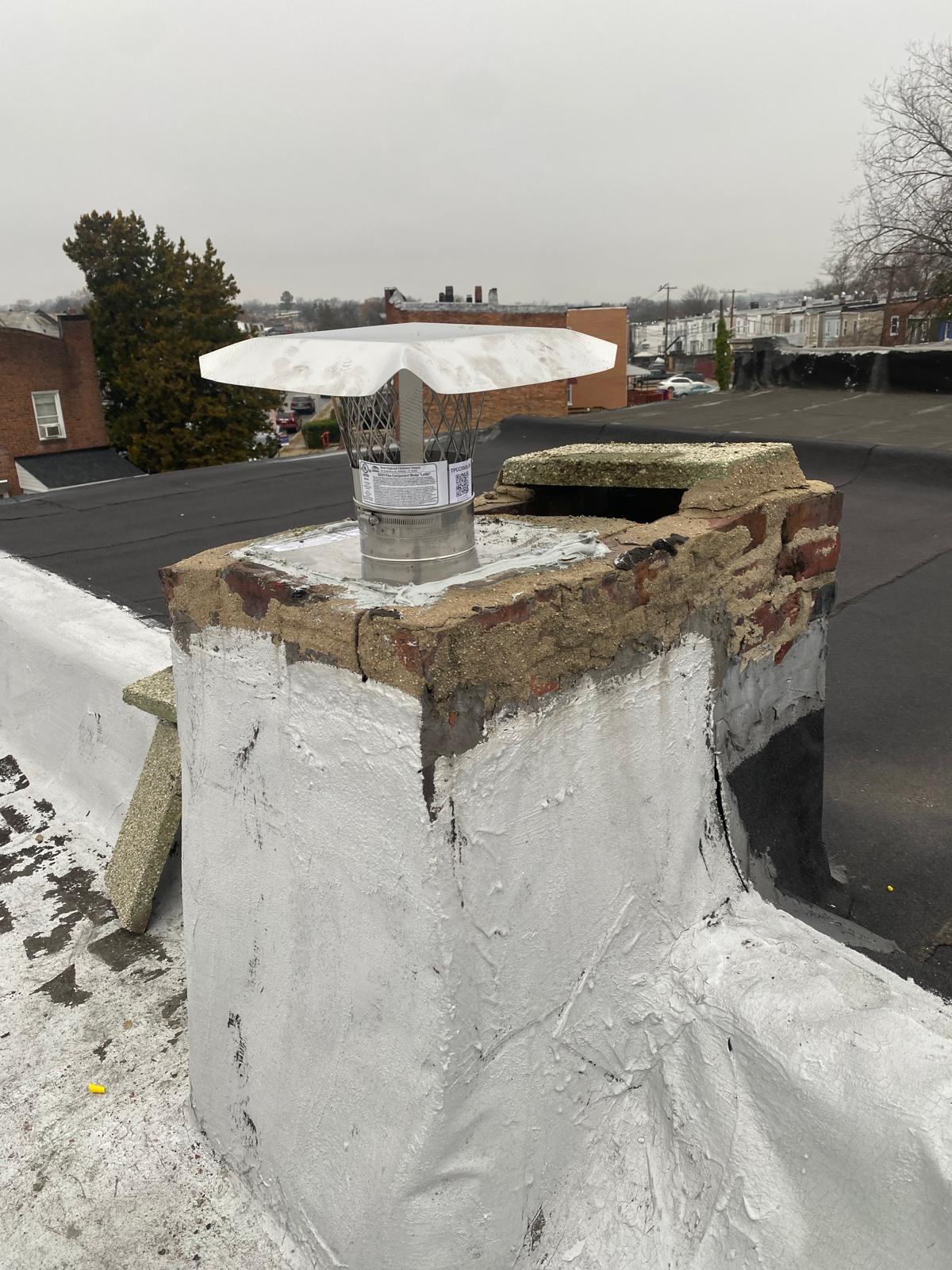
The chimney cap is your first line of defense against the elements. It’s designed to keep out rain, snow, debris, and, importantly, animals. If your cap is damaged, rusted, or has a poorly fitted screen, water can easily pool on top of your chimney or drip directly down into the flue. This is particularly problematic in Los Angeles because even light rain can saturate the area and then be trapped. Studies show that a significant percentage of chimney water damage cases begin with a faulty or missing chimney cap.
Imagine a leaky umbrella. That’s essentially what a damaged chimney cap is doing. It’s supposed to protect you, but instead, it’s letting the water get in where it shouldn’t. The seal between the cap and the chimney structure is also vital. If this seal breaks down, water can seep through, leading to internal structural damage that’s often hidden from view until it’s extensive.
Flue Liner Failures: The Inner Workings Matter
Inside your chimney, you have a flue liner, usually made of clay tiles or stainless steel. This liner protects the chimney’s masonry from the intense heat and corrosive byproducts of fires. However, it’s also susceptible to damage from moisture. If water seeps into the chimney structure and freezes and thaws within the liner itself, it can cause the tiles to crack or even crumble. A damaged flue liner means that any subsequent fires will have direct contact with the chimney walls, increasing the risk of cracks and structural weakness. More critically, it means water can bypass the protective liner and directly attack the mortar and bricks.
The impact of constant moisture can also lead to efflorescence, a white, powdery residue that appears on the surface of masonry. While not a direct water intrusion point itself, it’s a clear sign of excessive moisture within the brick and mortar, indicating underlying problems that need addressing. In coastal areas of Los Angeles, the salty air can also contribute to the degradation of masonry over time, making consistent maintenance even more critical.
DIY vs. Professional: Navigating Chimney Maintenance for Water Protection
When it comes to protecting your chimney from water damage, you might wonder if it’s a task you can tackle yourself or if it’s better left to the pros. Let’s break down the DIY approach versus calling in the experts for peace of mind and effective protection.
DIY Chimney Checks: What You *Can* Do (Carefully!)
There are a few basic visual checks you can perform to get a sense of your chimney’s condition, but it’s crucial to understand your limitations. From the safety of your own backyard, you can often see if your chimney cap looks damaged, rusted, or has debris accumulated on it. You can also look for obvious cracks or missing pieces in the brickwork visible from the ground.
If you have a safely accessible second-story window or balcony, you might be able to get a closer look at the chimney’s exterior. Look for crumbling mortar, loose bricks, or any signs of water staining. On the inside, during the off-season, you can visually inspect the visible parts of the fireplace and flue opening for any signs of damage or creosote buildup that might be compromised by moisture.
However, when it comes to anything involving working at height, detailed structural assessment, or identifying the root cause of moisture intrusion deep within the chimney system, DIY efforts quickly become inadequate and, more importantly, dangerous. The roof of your Los Angeles home, especially with its unique incline and material, can be a hazardous place. Plus, understanding the intricate workings of a chimney system requires specialized knowledge that goes beyond a visual inspection.
The Professional Edge: Why Experts Are Essential
This is where professional chimney services truly shine. A qualified chimney sweep doesn’t just clean your chimney; they perform a comprehensive inspection to identify potential problems that could lead to water damage and other safety hazards. They have the tools and expertise to:
- Thoroughly Inspect the Crown: They’ll check for cracks, spalling (surface flaking), and proper sealing. A deteriorated crown is a major entry point for water.
- Examine Masonry and Mortar Joints: They can spot hairline cracks, crumbling mortar, and damaged bricks that are often invisible from the ground.
- Assess the Chimney Cap and Damper: Ensuring the cap is securely fitted and the damper seals properly is crucial for preventing water and pest intrusion.
- Inspect the Flue Liner: Using specialized cameras, they can identify cracks, deterioration, or missing sections of the flue liner, which are critical for both fire safety and water protection.
- Identify Other Water Entry Points: This could include issues with the flashing where the chimney meets the roofline, a common source of leaks that can be mistaken for other problems.
Professionals have the training to understand how water moves through a chimney system and what specific repairs are needed. For example, simply repointing a few bricks might not be enough if the underlying issue is a compromised flue liner or a damaged crown. They can recommend the right solutions, whether it’s sealing cracks, replacing damaged components, or applying water-repellent coatings. Companies like DD Chimney Cleaning in Los Angeles are equipped with the knowledge and equipment to provide this in-depth assessment and repair, ensuring your chimney stands strong against the elements.
The Long-Term Costs of Neglect: Water Damage’s Hidden Toll
It’s easy to put off chimney maintenance, especially when it seems like it’s “just sitting there” and not actively being used for fires. However, the cost of ignoring these warning signs can far outweigh the expense of regular upkeep. Water damage, once it takes hold, can be a relentless and expensive problem to fix.
Structural Weakening: From Bricks to Beams
When water seeps into your chimney structure, it doesn’t just affect the visible bricks. It can penetrate the mortar, weakening the bonds between the bricks. Over time, this can lead to structural instability. In older homes, especially those in areas prone to seismic activity like parts of Los Angeles, a weakened chimney can pose a significant safety risk during an earthquake. Furthermore, water can travel into the surrounding attic and wall spaces, affecting wooden beams, joists, and framing. This can lead to rot, mold growth, and a compromised structural integrity of your entire home. Repairing this kind of damage can involve extensive reconstruction, costing tens of thousands of dollars.
Mold and Mildew Mayhem: Health and Home Hazards
Moisture within your walls and attic creates a perfect breeding ground for mold and mildew. These fungi can spread rapidly and silently. Beyond the unpleasant musty odor, mold can cause serious health issues for your family, including respiratory problems, allergies, and other allergic reactions. The removal of mold is also a specialized and often costly process, involving professional remediation to ensure it’s eradicated completely. The CDC reports that mold exposure can lead to a range of health problems, emphasizing the importance of preventing the conditions that allow it to thrive.
Interior Damage: Stains, Peeling Paint, and More
The most visible signs of water damage often appear inside your home. Water that travels down from the chimney can cause unsightly water stains on your ceiling and walls. Peeling paint, warped drywall, and damaged insulation are also common indicators. If the water reaches your fireplace hearth or the surrounding floor, you could be looking at damaged wood or tile flooring. These aesthetic damages are not only unattractive but also suggest deeper structural issues that need to be addressed before they worsen.
Escalating Repair Bills: The Price of Procrastination
Consider the compounding effect of water damage. A small leak that’s ignored can lead to widespread mold, structural rot, and compromised materials. What might have been a minor repair, like sealing a few cracks in the mortar, can escalate into a major renovation project involving re-framing, extensive drywall repair, mold remediation, and potentially even structural reinforcement. The National Association of Insurance Commissioners (NAIC) consistently highlights water damage as one of the most common and costly types of homeowner insurance claims. Being proactive with chimney maintenance is a direct investment in preventing these escalating costs.
Seasonal Vigilance: Chimney Care in the Los Angeles Climate
While we might not experience the harsh winters of cities like Detroit, MI, Los Angeles’s climate presents its own unique challenges for chimneys and contributes significantly to the risk of water damage. Understanding these seasonal factors can help you appreciate why consistent maintenance is key, no matter the weather.
The Intense Sun and Heat: Expansion and Contraction
Los Angeles is famous for its sunshine, and while we love it, it’s tough on building materials. The intense UV rays and high temperatures cause your chimney’s masonry and mortar to expand. When the temperature drops in the evening or during cooler months, they contract. This constant cycle of expansion and contraction puts immense stress on the materials, leading to microscopic cracks that can widen over time. These tiny fissures are the perfect entry points for water, especially after rain.
Occasional Rain and Fog: Moisture Intrusion
Though not as frequent as in some other regions, Los Angeles does receive its share of rainfall, particularly during the winter months. Coastal fog can also contribute to moisture buildup. When rain or heavy dew saturates a chimney that has existing cracks or deteriorating seals, water can easily penetrate. The lack of constant drying, especially in shaded areas or during prolonged overcast periods, means water can sit within the chimney structure for extended periods, increasing the likelihood of damage.
Wind and Debris: The Uninvited Guests
Our winds, whether they’re coastal breezes or canyon gusts, can carry dust, sand, and other debris. This can accumulate on your chimney cap and in the flue, potentially blocking drainage and exacerbating moisture issues. Strong winds can also dislodge loose masonry or damage the chimney cap itself, creating direct pathways for water entry. An exposed flue without a proper cap is essentially a funnel for rain and debris.
The Importance of Professional Inspections Throughout the Year
While many people think of chimney cleaning as a “winter” service, for water damage prevention, regular inspections are crucial year-round. A spring inspection, for example, can catch any damage that occurred during the winter rainy season or from the intense summer sun. A pre-fall inspection can ensure everything is sealed and protected before the likelihood of rain increases. Think of it as a consistent check-up to ensure your home’s defenses are always up to par.
Preventative Measures: How Maintenance Shields Your Home
The most effective way to combat water damage originating from your chimney is through proactive, consistent maintenance. It’s about staying ahead of the problem before it has a chance to manifest into costly repairs. We recommend checking out read more here for additional locksmith needs.
Regular Chimney Sweeping and Inspections
This is the cornerstone of chimney care. A professional chimney sweep will not only remove creosote buildup (which is a fire hazard) but will also conduct a thorough inspection. They’ll identify any loose or cracked mortar, damaged bricks, issues with the chimney cap, or problems with the flue liner. Addressing these minor issues during a routine cleaning can prevent them from escalating into major water intrusion points. For example, a routine inspection might reveal a small crack in the chimney crown that can be easily sealed. Without this inspection, that crack would continue to allow water entry, potentially leading to significant structural damage over time.
Sealing and Waterproofing Treatments
Once your chimney has been inspected and any necessary repairs are made, consider applying a high-quality masonry water repellent. These products are designed to penetrate the porous surface of bricks and mortar and create a hydrophobic barrier. This doesn’t block ventilation but actively repels water, preventing it from soaking into the masonry. These treatments are particularly beneficial in climates with fluctuating temperatures and moisture levels, like parts of Southern California. They provide an extra layer of defense against the elements, extending the life of your chimney and safeguarding your home from water-related issues. It’s a smart investment, especially if your chimney is older or has experienced previous water-related concerns.
Chimney Cap Maintenance and Installation
As we’ve discussed, the chimney cap is vital. Ensuring yours is in good repair, securely fastened, and properly fitted is a non-negotiable step. If your cap is damaged, rusted, or missing, it needs to be replaced immediately. Many modern chimney caps also feature a mesh screen to prevent animals from entering the flue, which can cause blockages and damage. Investing in a high-quality, well-fitted chimney cap is a simple yet incredibly effective way to keep water, debris, and pests out, significantly reducing the risk of water damage.
Remember, preventing water damage is always more cost-effective than repairing it. A well-maintained chimney is an integral part of a healthy, well-protected home. For homeowners in the Greater Los Angeles area, understanding these potential issues and taking steps to address them can save immense time, money, and stress down the line. Even in a region with generally mild weather, the cumulative effects of sun, wind, and intermittent rain can take their toll on the structural integrity of your chimney. Homeowners in Los Angeles have also found great results with Air Duct Cleaning service in Los Angeles, California.
Frequently Asked Questions About Chimney Maintenance and Water Damage
We get a lot of questions from our Los Angeles neighbors about chimney maintenance and how it relates to potential water issues. Here are a few of the most common ones:
Q1: How often should I have my chimney inspected for water damage risks?
A1: It’s generally recommended to have a professional chimney inspection at least once a year. However, if you’ve noticed any signs of water staining, mold, or have experienced unusually heavy rains or wind, it’s wise to schedule an inspection sooner rather than later. Annual inspections are crucial for identifying potential water entry points before they become serious problems.
Q2: Can rain damage my chimney even if I don’t use it for fires?
A2: Absolutely. The materials of your chimney – bricks, mortar, and concrete – are exposed to the elements year-round. Even without fires, these materials can crack, degrade, and allow water to seep in. Think of your chimney as an extension of your roof; it needs protection and maintenance regardless of its usage for fires.
Q3: What are the first signs I should look for that indicate my chimney might be leaking water into my home?
A3: Look for water stains on your ceiling or walls, especially near the fireplace or chimney. You might also notice peeling paint, damp spots, a musty odor (indicating mold or mildew), or even visible mold growth. Any of these signs warrants an immediate professional inspection.
Q4: How does the chimney cap specifically prevent water damage?
A4: The chimney cap sits atop your chimney and acts like a lid, preventing rain, snow, and debris from falling directly down the flue. A properly fitted cap also has overhangs and often a mesh screen that stops water from pooling on the chimney’s crown and seeping into the structure, while also deterring animals and birds.
Q5: If I see efflorescence on my chimney, is it a problem?
<
Our Chimney Services:
Professional chimney cleaning and chimney inspection services available nationwide. Our CSIA-certified technicians serve Chicago, New York, Boston, Houston, and hundreds of cities nationwide. Call (833) 339-6803 for a free inspection.