Did you know that a common chimney odor can actually be a sign of a serious fire hazard building up inside your fireplace? Ignoring strange smells emanating from your chimney isn’t just a nuisance; it could be a warning signal from your home.
The Olfactory Clues: Understanding Chimney Smells in Los Angeles Homes
Living in the vibrant, sun-drenched landscape of Los Angeles, you might associate cozy evenings with crackling fires. However, the warmth and ambiance fireplaces provide can sometimes come with a less pleasant side effect: odors. These smells aren’t just a minor inconvenience; they are often indicators of underlying issues within your chimney system. At DD Chimney Cleaning, we believe in empowering Los Angeles homeowners with knowledge. Understanding the different types of chimney smells and their potential causes is the first step toward ensuring your fireplace is safe and enjoyable, not a source of concern.
Our city, with its diverse architecture and sometimes unpredictable weather patterns, presents unique challenges for homeowners. From the historic homes in Hancock Park to modern apartments in Downtown LA, each structure has a chimney that requires regular attention. The specific materials used for burning, the frequency of use, and the prevailing environmental conditions in areas like the San Gabriel Valley or even near the coastal breezes of Santa Monica can all influence the types of odors you might experience. For instance, the dry Santa Ana winds can sometimes exacerbate the movement of air and odors within a home.
A functioning chimney is a complex system designed to safely vent smoke, soot, and combustion byproducts away from your living space. When something goes awry, it often makes itself known through smell. These olfactory clues can range from subtle mustiness to sharp, acrid fumes. Learning to “decode” these smells is crucial for proactive maintenance and, most importantly, for safety. Think of it as your chimney’s way of communicating its needs.
The “Smokey” Smell: More Than Just Residual Smoke
The most obvious, and perhaps most common, chimney smell is that of smoke. However, a persistent or unusually strong “smokey” smell, even when the fireplace hasn’t been used recently, can signal several issues. One primary culprit is creosote buildup. When wood burns, it releases volatile organic compounds that, when they meet cooler air in the chimney flue, condense and form creosote. This sticky, tar-like substance is highly flammable and adheres to the inside of your chimney liner.
Over time, creosote layers can become quite thick, narrowing the flue and impeding proper airflow. This obstruction means that not all the smoke is effectively vented outside. Some of it can seep back into your home, carrying that unmistakable burnt wood aroma. The accumulation of creosote is directly proportional to the type of wood burned (unseasoned or “green” wood produces more creosote) and how often the fireplace is used. Statistics from fire safety organizations consistently highlight creosote as a leading cause of chimney fires. A buildup of just 1/8 inch can significantly increase the risk, making regular chimney cleaning in Los Angeles a non-negotiable safety measure.
Beyond creosote, lingering smoke smells can also be due to incomplete combustion. This occurs when there isn’t enough oxygen to burn the fuel efficiently. Factors such as a poorly designed damper, a blocked flue, or even inadequate ventilation in the home (especially in tightly sealed, energy-efficient homes common in areas like Pasadena) can contribute to this. The result is smoke that is thicker, more pungent, and more prone to backing up into the living space.
Another less obvious cause for a smokey scent might be a small fire or smoldering material that has lodged itself within the chimney structure itself, perhaps in a damaged area of the flue liner or on an external ledge. These are incredibly dangerous situations and require immediate professional attention. While it may just seem like an odor, the potential for an undetected ember to ignite nearby combustible materials is a serious concern.
The Musty or Damp Smell: A Sign of Moisture Issues
A musty, damp, or earthy smell emanating from your fireplace and chimney is often a strong indicator of moisture infiltration. This is a prevalent issue in many Los Angeles homes, especially those with older chimney structures or those located in areas prone to humidity, like near the coast, or where sprinkler systems might be over-watering nearby landscaping. Moisture is the enemy of a safe and sound chimney system.
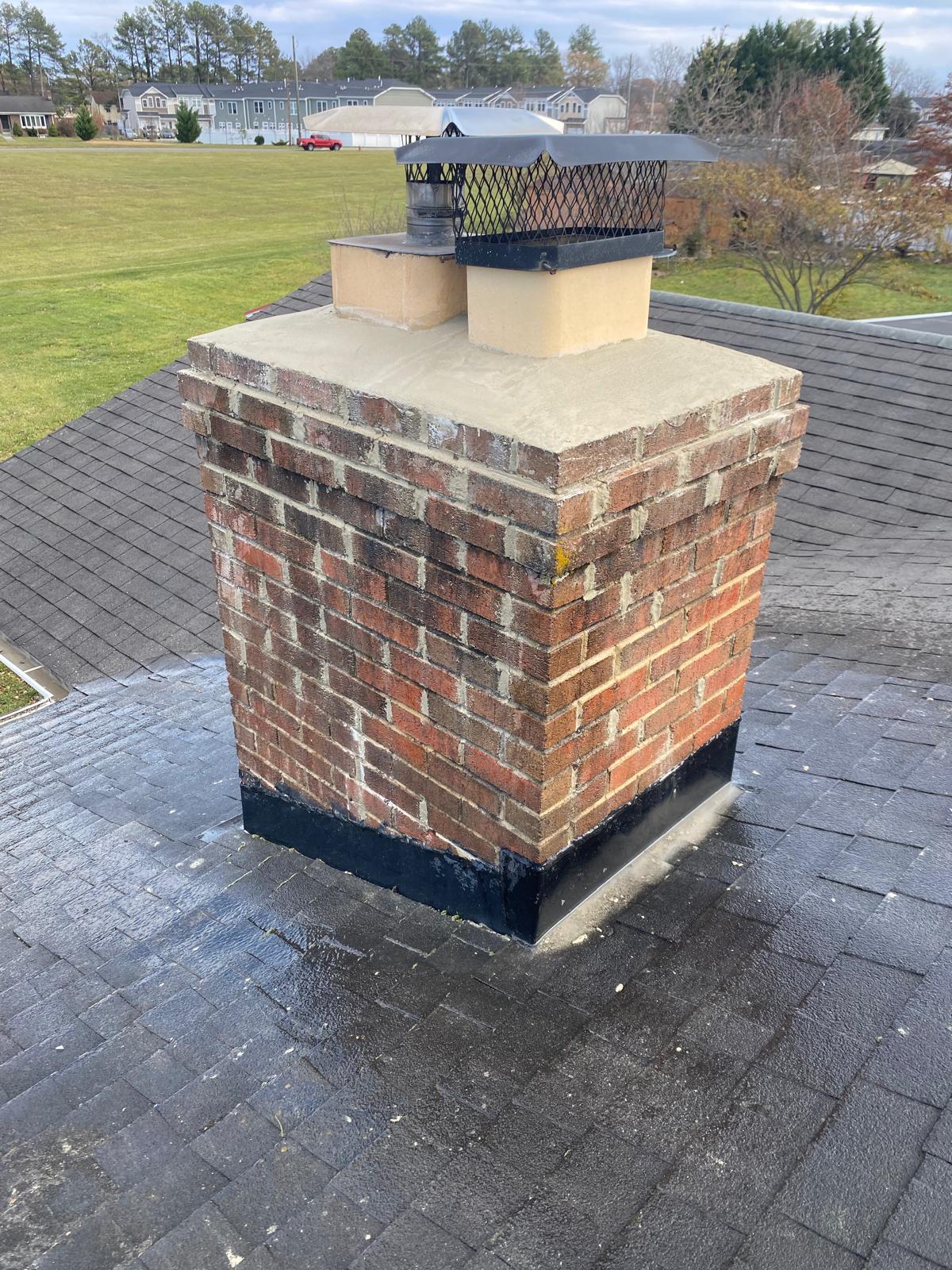
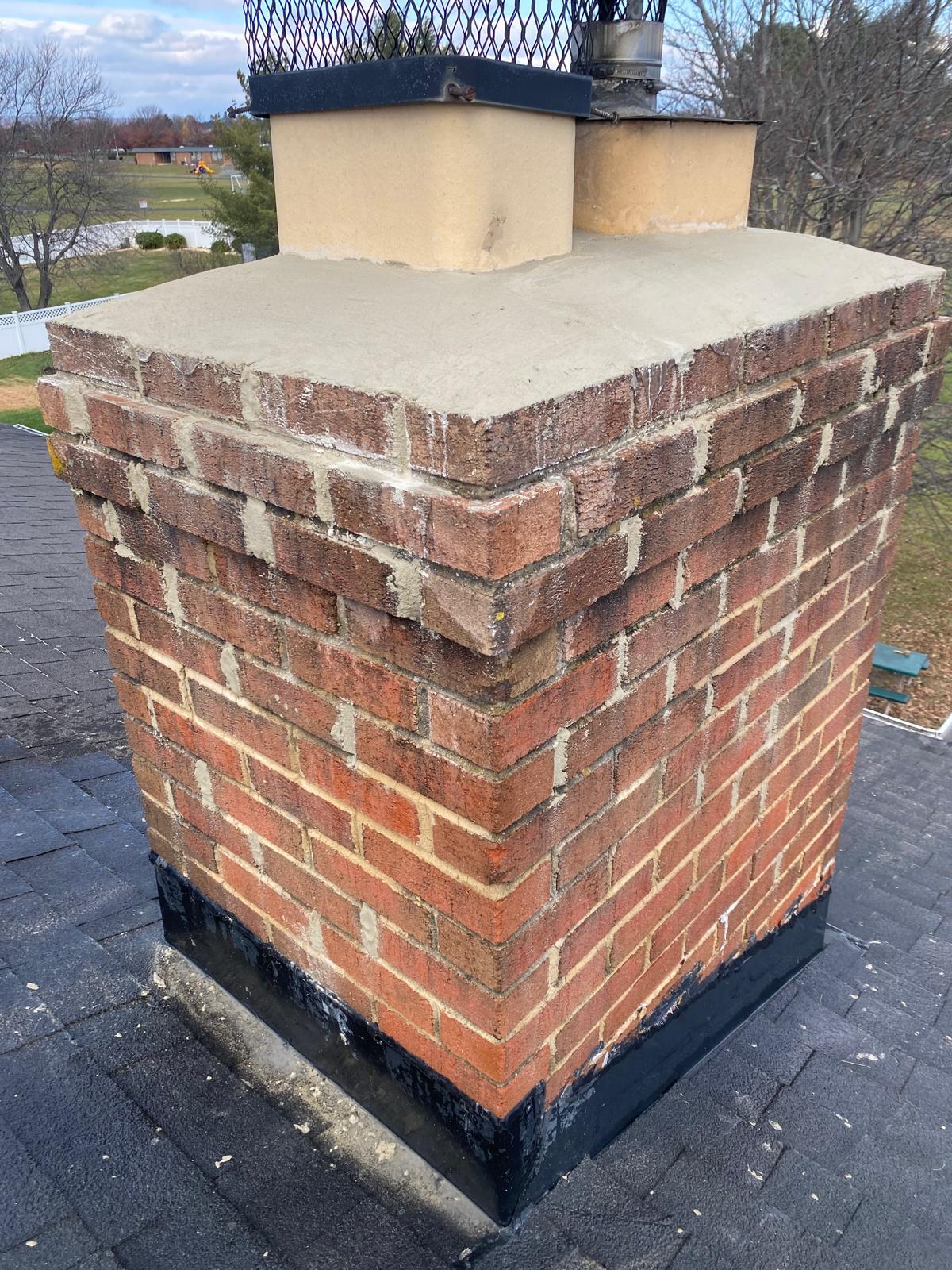
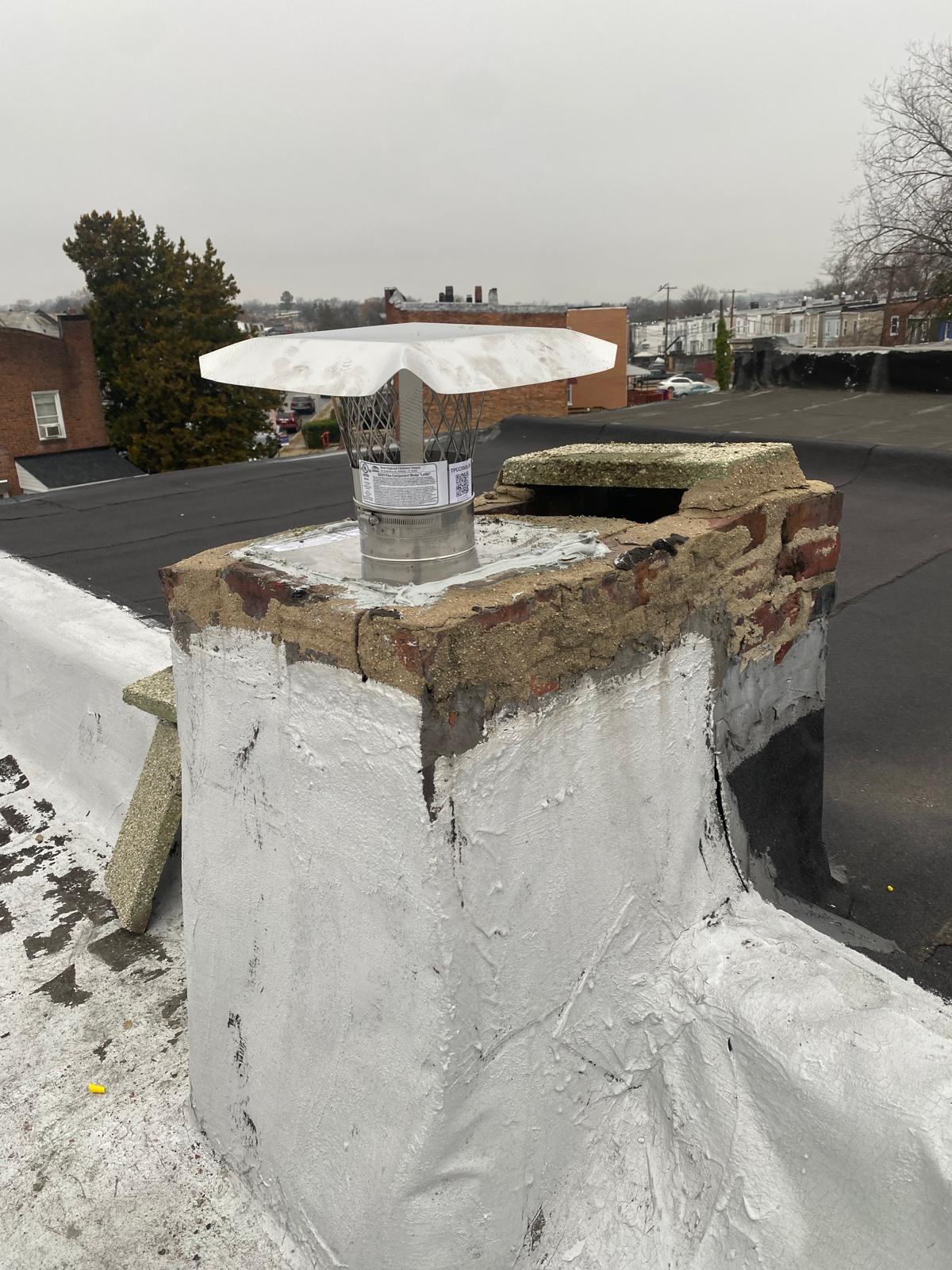
Several factors can lead to this damp odor. One of the most common is a damaged chimney cap. The cap sits atop your chimney and is designed to keep rain, snow, and debris out. If it’s missing, cracked, or has gaps, water can freely enter the flue. This water can then saturate the chimney liner (especially if it’s a masonry chimney with porous bricks and mortar) and the surrounding structure.
Condensation is another significant contributor. When warm, moist air from your home meets the cooler surface of the chimney flue, especially during colder months or on particularly humid days, water vapor can condense. Over time, this repeated condensation can lead to dampness within the flue, promoting mold and mildew growth. This growth is the primary source of that unpleasant musty smell. Think of it like leaving a damp towel in a closed room for too long – the result is a pervasive mildew odor.
The chimney liner itself can also be the source. If the liner has cracks or gaps, rainwater or even moisture from fog can seep into the masonry. This moisture not only degrades the structure of the chimney over time, potentially leading to costly repairs, but it also creates the perfect environment for mold and mildew. In regions like Los Angeles, where we can experience periods of heavy rain after long dry spells, this can become particularly problematic.
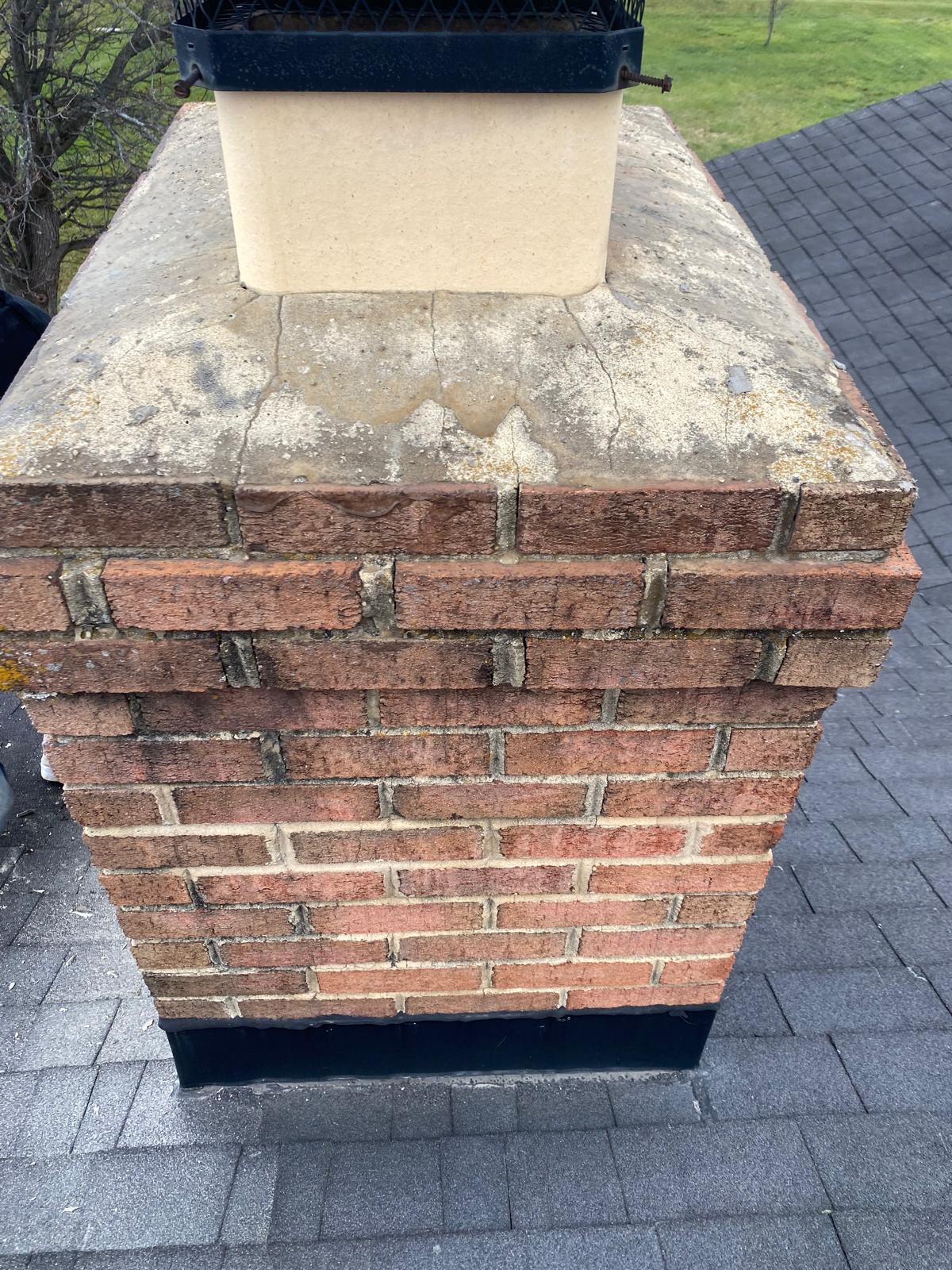
Furthermore, issues with the chimney crown (the concrete slab at the top of the chimney) can also allow water to seep into the chimney structure. If the crown is cracked or improperly sloped, it won’t shed water effectively, directing it down into the flue and walls of the chimney. Understanding these moisture pathways is key to identifying and rectifying the source of damp smells.
The Rotten Egg Smell: A Gas Leak Warning
A smell reminiscent of rotten eggs is perhaps the most alarming odor to detect near your fireplace or chimney. This smell is almost always indicative of a gas leak. Natural gas itself is odorless; however, utility companies add a chemical called mercaptan, which has a distinct sulfurous smell, to make leaks easily detectable. If you detect this odor, it’s crucial to treat it with the utmost seriousness.
While your fireplace might burn wood, many homes in Los Angeles also have gas lines that run to decorative gas logs or even to the fireplace for lighting purposes. If you have a gas fireplace, a leak can originate from the gas valve, the connection points, or the gas line itself. Even if you primarily burn wood, a gas line running through or near the chimney chase could be compromised.
A rotten egg smell does NOT mean your chimney needs cleaning in the traditional sense of soot and creosote removal. It signifies a critical safety issue related to your home’s gas supply. In such situations, your immediate actions are paramount. First, do not operate any electrical switches or appliances, as a spark could ignite the gas. Open all windows and doors to ventilate the area. Then, leave the house immediately and call your gas company’s emergency line or 911 from a safe distance. Once the gas company has confirmed the leak is resolved and your home is safe, you can then address any potential chimney-related factors that might have contributed to the issue (e.g., if damage to the chimney structure somehow impacted a nearby gas line).
It’s important to distinguish this gas smell from other potential odors. While sulfurous smells can be concerning, the “rotten egg” characteristic is the hallmark of a natural gas leak. This is why education about different smells is so vital. It allows homeowners to react appropriately and quickly to potential dangers.
The Acrid or Chemical Smell: Uninvited Guests in Your Flue
An acrid or chemical smell emanating from your chimney is less common but can be quite concerning. This type of odor often suggests that something other than typical wood combustion byproducts is being introduced into your flue system.
One potential cause could be the burning of improper materials. While we often think of wood, people sometimes, mistakenly, burn things like treated lumber, plastics, or even trash in their fireplaces. These materials, when burned, can release a cocktail of noxious and toxic fumes with a strong, chemical odor. Beyond the immediate smell, these substances can also deposit harmful residues inside your chimney, leading to future problems.
Another possibility, especially in older homes or those that haven’t been properly maintained, is the presence of animal nests. Birds, squirrels, or other critters might build nests within the chimney structure, particularly in the damper area or if there’s access through a dislodged cap or flashing. As these materials decompose or if a bird or animal dies within the flue, it can produce a pungent, sometimes chemical or rotten odor that can be quite offensive. The decomposition of organic matter in a confined, hot space can create a variety of unpleasant smells.
In some rarer cases, unusual chemical smells might be related to issues with chimney liners made from certain older materials or problems with masonry sealants that have degraded. However, the most probable causes are usually related to the combustion of inappropriate materials or the presence of biological matter.
Why Professional Chimney Cleaning is Essential in Los Angeles
As we’ve explored, a variety of smells can indicate different issues within your chimney system, ranging from minor creosote buildup to dangerous gas leaks. The common thread among most of these issues is the need for professional inspection and cleaning. Attempting to diagnose and fix these problems yourself can be ineffective and, more importantly, dangerous.
Professional chimney sweeps, like the experienced technicians at DD Chimney Cleaning, are equipped with the knowledge, tools, and safety equipment to thoroughly inspect and clean your chimney. They can identify the source of odors by looking for:
- Creosote Buildup: Using specialized brushes and vacuums, they remove flammable creosote from the flue lining.
- Blockages: They check for obstructions like nests, debris, or even collapsed liner pieces.
- Structural Damage: Inspections can reveal cracks in the flue liner, damaged mortar joints, or issues with the chimney cap and crown, all of which can contribute to water intrusion and odor problems.
- Proper Draft: They assess how well your chimney is drafting, ensuring smoke is venting efficiently.
Regular professional cleaning not only eliminates odors but, critically, prevents chimney fires and ensures the safe operation of your fireplace. Imagine trying to diagnose a gas leak or a structural crack based solely on a smell – it’s simply not feasible or safe. Expert chimney service, such as that provided by DD Chimney Cleaning in Pittsburgh and other areas, brings a level of expertise that DIY methods cannot match.
Given the diverse climate and architectural styles in Los Angeles, from the Hollywood Hills to the San Fernando Valley, the wear and tear on chimneys can vary significantly. A thorough cleaning by a certified professional can catch minor issues before they escalate into major, costly repairs. Think of it as preventative maintenance for your home’s safety and air quality. For instance, a chimney in a beachside community like Malibu might face different moisture challenges than one in a more inland, drier area like Valencia.
Don’t let unusual smells from your chimney go unaddressed. They are your home’s way of alerting you to potential problems. For Los Angeles residents, the peace of mind that comes with a safely operating, odor-free fireplace is invaluable. You can reach out to DD Chimney Cleaning today at (833) 339-6803 to schedule your comprehensive chimney inspection and cleaning.
Frequently Asked Questions About Chimney Smells
Q1: How often should I have my chimney cleaned in Los Angeles?
A1: For fireplaces that are used regularly, we recommend having your chimney cleaned and inspected at least once a year. If you use your fireplace only occasionally, an inspection every two years is generally sufficient, but it’s always best to consult with a professional. Areas with higher humidity or coastal influence, like parts of Los Angeles County, may benefit from more frequent checks.
Q2: I only burn seasoned hardwood. Why do I still smell smoke?
A2: Even with seasoned hardwood, creosote can build up over time. The type of wood, the efficiency of your appliance, and how the fire is managed all play a role. Also, the smell might not be from recent burning but from residual creosote or other issues like a chimney blockage or poor draft. A professional cleaning can diagnose the specific cause.
Q3: Can a gas fireplace cause a rotten egg smell?
A3: Yes, absolutely. If you have a gas fireplace or gas logs, a rotten egg smell is a strong indicator of a natural gas leak. This is a serious safety hazard. You should evacuate the premises and call your gas company immediately. Do not attempt to operate any electrical devices.
Q4: What should I do if I notice a strong chemical smell coming from my chimney?
A4: A strong chemical smell suggests that inappropriate materials may have been burned in your fireplace, or there might be a blockage from something like an animal nest. Stop using the fireplace immediately and contact a professional chimney cleaning service to investigate. In some rare instances, it could indicate a problem with the chimney liner materials or sealants.
Q5: Is it safe to ignore a musty smell?
A5: No, it is not safe to ignore a musty smell. It typically indicates moisture problems, which can lead to mold and mildew growth within the chimney structure. This moisture can also degrade masonry, compromise the flue liner, and potentially lead to structural damage over time. It also degrades indoor air quality.
Q6: Can animals in my chimney cause odors?
A6: Yes, animals nesting or dying within the chimney flue can cause significant odors, often described as musty, rotten, or even chemical. These odors are usually a result of decomposition. A professional chimney sweep can safely remove any animal nests and ensure the chimney is clear.
Don’t let chimney smells linger and cause you concern. The experienced team at DD Chimney Cleaning is dedicated to ensuring your fireplace is safe, efficient, and odor-free. We are proud to serve Los Angeles and surrounding areas, offering reliable chimney cleaning services. Protect your home and family by addressing these olfactory clues promptly. Call us today at (833) 339-6803 for expert chimney cleaning and peace of mind.