Did you know that a neglected chimney in your Los Angeles home could be harboring more than just creosote? In fact, statistics suggest that a significant percentage of chimney fires aren’t solely caused by that black, tar-like residue. While creosote is a well-known culprit, focusing only on it leaves homeowners vulnerable to a host of other, often overlooked, threats.
Beyond Creosote: Uncovering Less Obvious Chimney Hazards in Los Angeles Homes
We all understand that chimneys are essential for safely venting combustion byproducts from our fireplaces and wood-burning stoves. In a city like Los Angeles, where cozy evenings by the fire are a cherished tradition, a functional chimney is paramount. However, the typical narrative often fixates on creosote buildup as the primary enemy. While true that creosote is a significant fire hazard, many homeowners in communities from Pasadena to Santa Monica remain unaware of other potentially dangerous conditions lurking within their chimneys. These less obvious hazards, if left unchecked, can lead to structural damage, health issues, and yes, even fires, despite a seemingly clean creosote profile.
The Shadowy Dangers: Creosote vs. The Unseen
Let’s be direct. Creosote is a problem. It’s flammable, it coats the flue, and it’s a leading cause of chimney fires. When wood burns, unburned particles mix with moisture and smoke, creating this sticky, tarry substance. Over time, this layer thickens, becoming a tinderbox waiting for a spark. Regular professional cleaning effectively removes this threat.
But what happens when you’re diligent about creosote removal, yet your chimney still presents risks? This is where the lesser-known dangers come into play. These are issues that don’t necessarily involve a thick coating of flammable residue but can compromise your chimney’s integrity and safety in equally serious ways. Think of it as the difference between a minor fuel leak and a critical structural weakness in a bridge – both are dangerous, but they manifest differently.
Hidden Threats Lurking in Your Los Angeles Chimney
When our certified technicians inspect chimneys across the diverse neighborhoods of Los Angeles, from historic homes in Hancock Park to modern residences in the Valley, they encounter a spectrum of potential problems. While creosote is always assessed, these other issues frequently surface and demand attention:
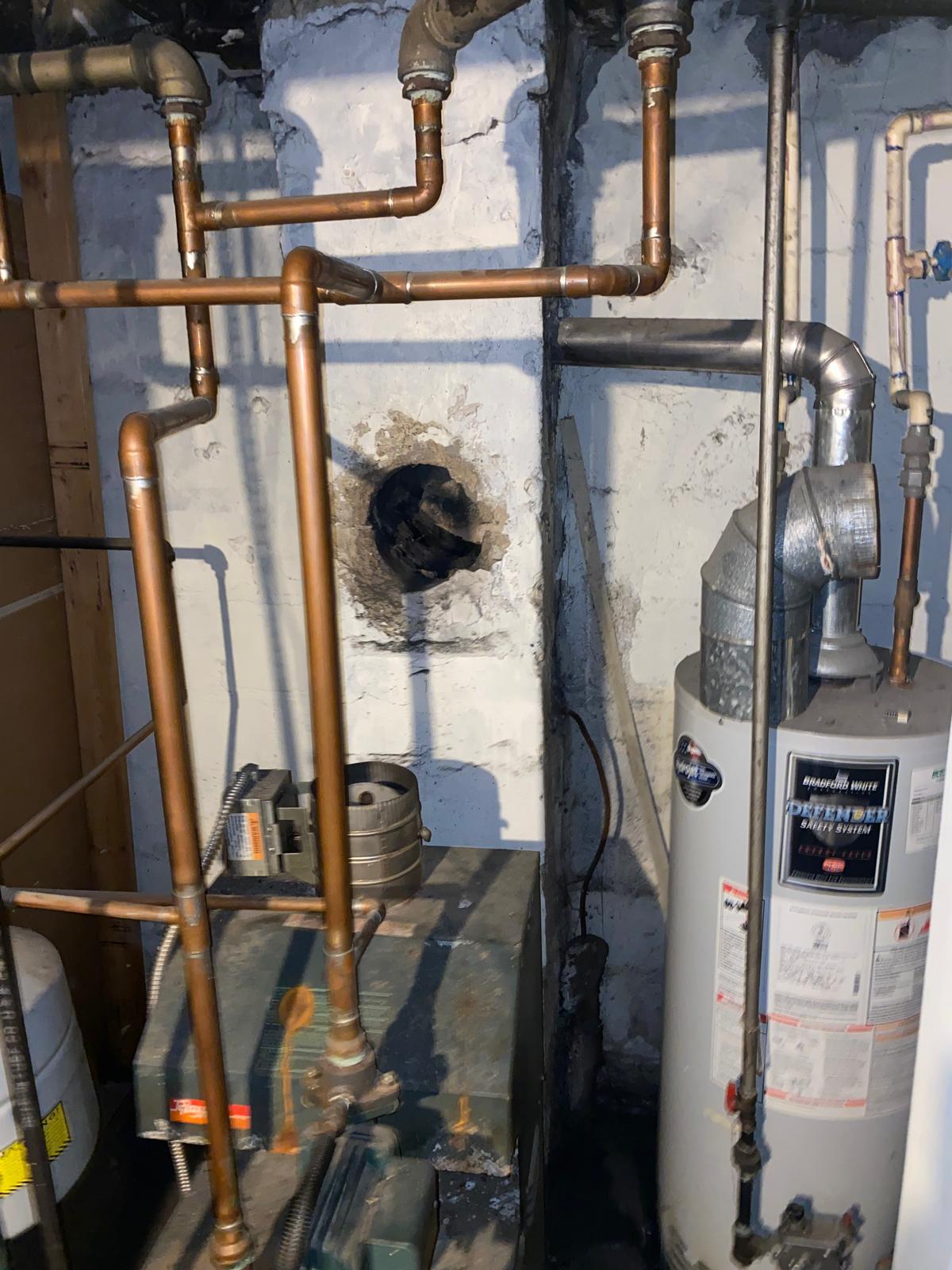
- Damaged Chimney Liners: The chimney liner, often made of terra cotta tile, metal, or cast-in-place concrete, is crucial. It acts as a protective barrier between the fire and the chimney’s structure. Over time, especially with exposure to extreme temperatures and corrosive gases, these liners can crack, deteriorate, or become dislodged. A damaged liner means hot gases and sparks can escape into the chimney structure, potentially igniting nearby combustible materials like attic insulation or wooden beams. Imagine a leaky pipe in your kitchen – a cracked liner is the chimney equivalent, allowing dangerous elements to seep where they shouldn’t.
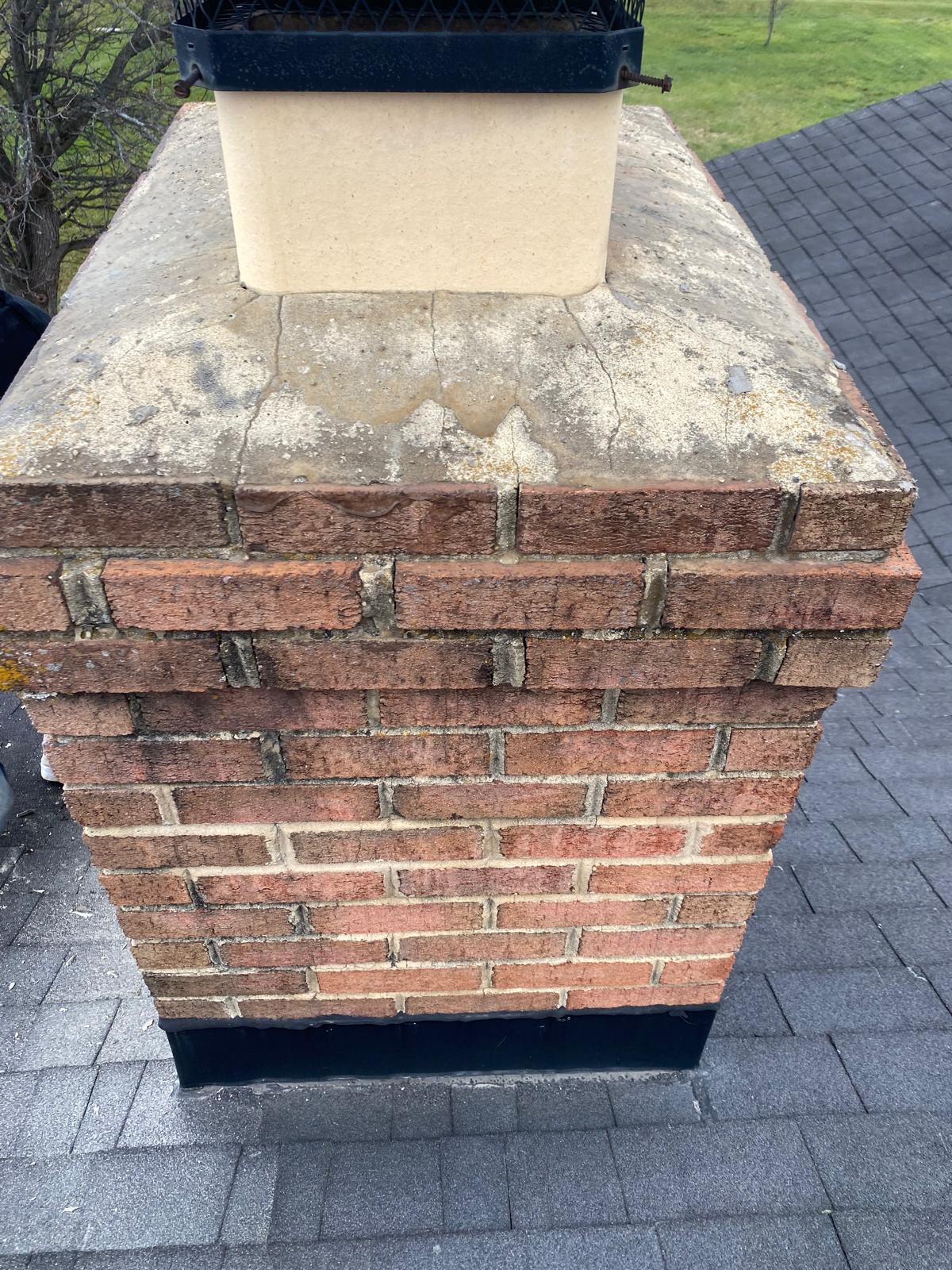
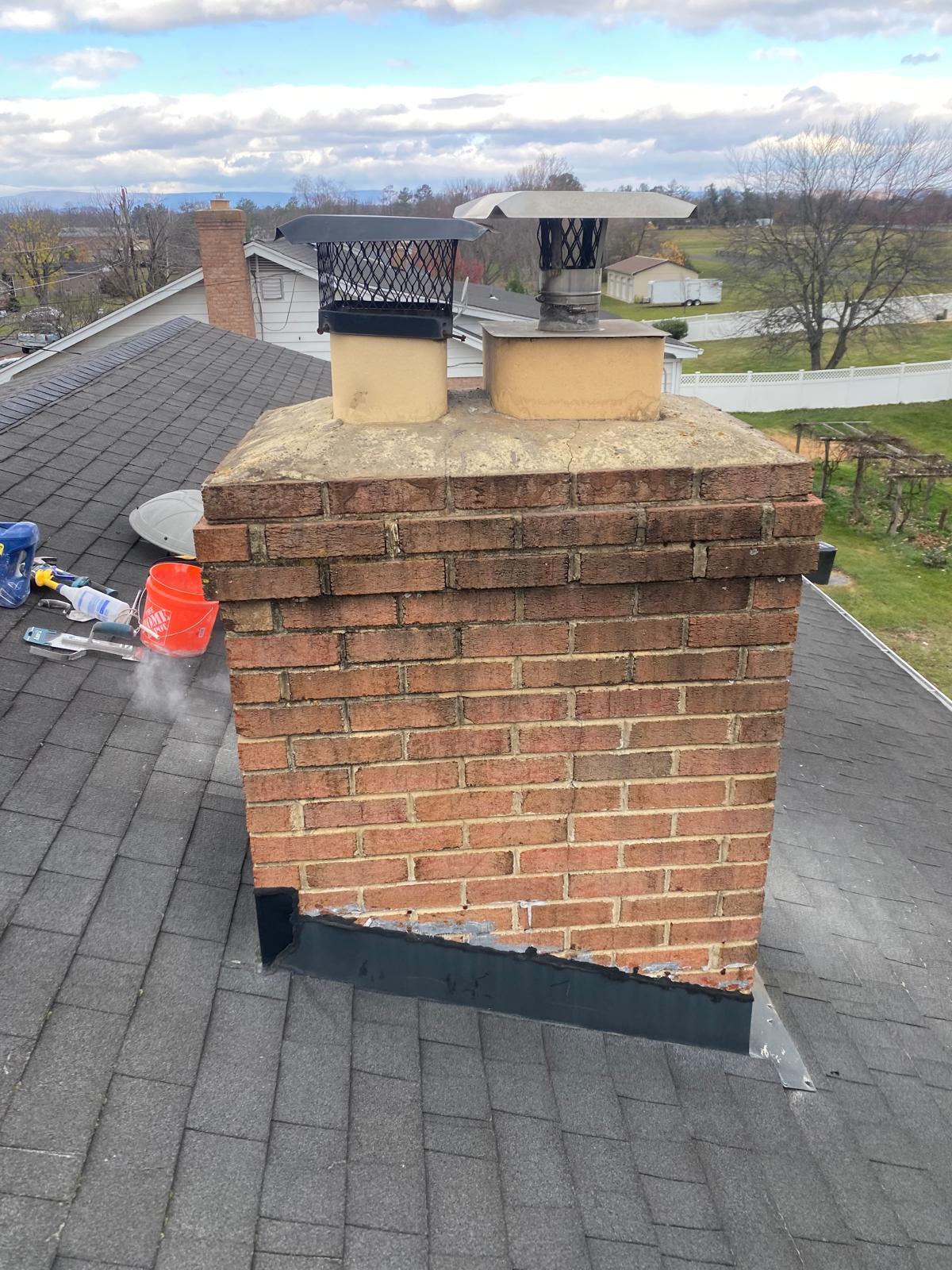
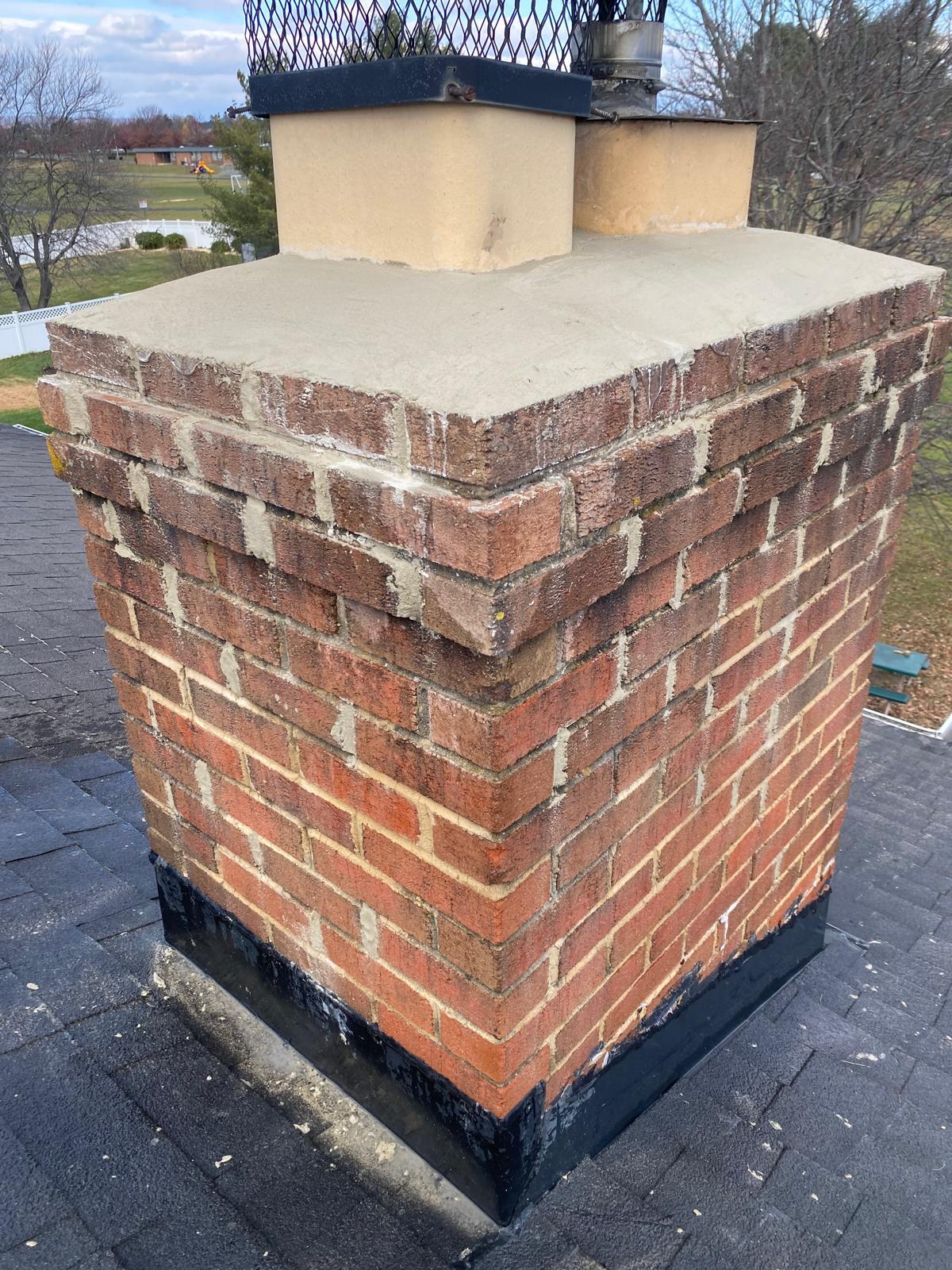
- Structural Deterioration of the Chimney Masonry: Bricks and mortar are the bones of your chimney. In the Los Angeles climate, constant expansion and contraction due to temperature fluctuations, coupled with the occasional Santa Ana winds, can weaken mortar joints. This can lead to crumbling mortar, loose bricks, and even leaning or tilting of the chimney. These structural weaknesses not only make the chimney unstable and a risk for collapse but also create gaps and voids where heat and embers can escape, posing a fire hazard. Think of a crumbling wall – it’s an accident waiting to happen.
- Blockages and Obstructions: Beyond creosote, chimneys can become obstructed by a variety of foreign materials. Bird nests are a particularly common problem in the warmer Los Angeles months. Animals like squirrels or raccoons can also take up residence. Fallen leaves, twigs, and other debris can accumulate, especially in older homes with less-than-perfect sealing. These blockages restrict airflow, causing smoke and carbon monoxide to back up into your home. More critically, a complete blockage can lead to a dangerous buildup of heat, potentially causing a chimney fire or damaging the chimney structure itself due to excessive pressure.
- Improper Damper Functionality: The damper is the “door” to your chimney, meant to be opened when a fire is lit and closed when it’s not in use to prevent heat loss and drafts. If the damper is rusted, warped, or has debris stuck in it, it might not seal properly or could be impossible to open or close. A damper that won’t close allows heated air to escape your home, increasing energy costs. More concerningly, a damper that won’t open fully can restrict ventilation, leading to smoke and dangerous carbon monoxide accumulating inside your living space, a serious health risk for any family in areas like Sherman Oaks or Culver City.
- Chimney Cap Issues: The chimney cap is the hat on your chimney, designed to keep out rain, snow, animals, and debris. However, caps can become loose, damaged, or even fall off entirely, especially in high winds common during the Los Angeles fire season. A missing or damaged cap leaves the chimney exposed to the elements and wildlife, accelerating the deterioration of the flue liner and masonry. It also allows rain to saturate the chimney, which can lead to freeze-thaw cycles in the rare instances of cold weather, further damaging the structure.
Why Professional Inspection is Non-Negotiable
These less obvious hazards are precisely why a routine, comprehensive chimney inspection by a certified professional is so vital. While visual checks by homeowners can identify obvious problems like a thick creosote buildup, they often miss the subtle cracks in a liner, the hairline fractures in masonry, or the small, but significant, blockage at the very top of the flue. Our technicians in Los Angeles are trained to spot these hidden threats that could otherwise go unnoticed until they manifest into serious problems.
The health and safety of your family, not to mention the structural integrity of your home, depend on a thoroughly inspected and maintained chimney. Don’t let the focus solely on creosote leave you vulnerable. A proactive approach that addresses all potential hazards is the only way to truly ensure your fireplace is a source of comfort, not concern.
Frequently Asked Questions About Chimney Hazards
Q1: How often should I get my chimney inspected, even if I don’t use it much?
Even if you only use your fireplace a few times a year, your chimney should be inspected at least once annually. Regular inspections are crucial for identifying potential issues before they become major problems. Local factors in Los Angeles, like varying weather patterns and the possibility of animal intrusion, make annual checks a sensible precaution.
Q2: What are the signs that my chimney liner might be damaged?
Signs of a damaged chimney liner can include visible cracks or missing pieces in the flue, water stains or efflorescence (white powdery deposits) on the exterior masonry, smoke or soot escaping from areas other than the top of the chimney, and an increase in drafts or backpuffing of smoke into the room. A professional inspection is the most reliable way to confirm liner damage.
Q3: Can animals like birds or squirrels cause serious chimney damage?
Yes. Animal nests can cause significant blockages, restricting airflow and leading to dangerous carbon monoxide buildup or potential chimney fires if debris near the nest ignites. Furthermore, animals can carry moisture and materials that accelerate the deterioration of the flue liner and masonry. We recommend checking out professional roofing San Fernando Valley for additional roofing needs.
Q4: What is carbon monoxide and why is it a risk with chimneys?
Carbon monoxide (CO) is a colorless, odorless, and deadly gas produced by the incomplete combustion of fuels. If your chimney is blocked or not venting properly due to any of the hazards mentioned, CO can accumulate in your home. Symptoms of CO poisoning include headache, dizziness, nausea, and confusion. It’s a silent killer that underscores the importance of a well-functioning venting system.
Don’t wait for a problem to become a crisis. Protecting your Los Angeles home from hidden chimney hazards requires professional attention. DD Chimney Cleaning is dedicated to providing thorough inspections and reliable cleaning services to ensure your chimney is safe and efficient year-round. Schedule your comprehensive chimney inspection today by calling us at (833) 339-6803. If you’re also looking for air duct cleaning help, https://ddairductcleaning.com is a trusted provider.
Our Chimney Services:
Professional chimney cleaning and chimney inspection services available nationwide. Our CSIA-certified technicians serve Chicago, New York, Boston, Houston, and hundreds of cities nationwide. Call (833) 339-6803 for a free inspection.