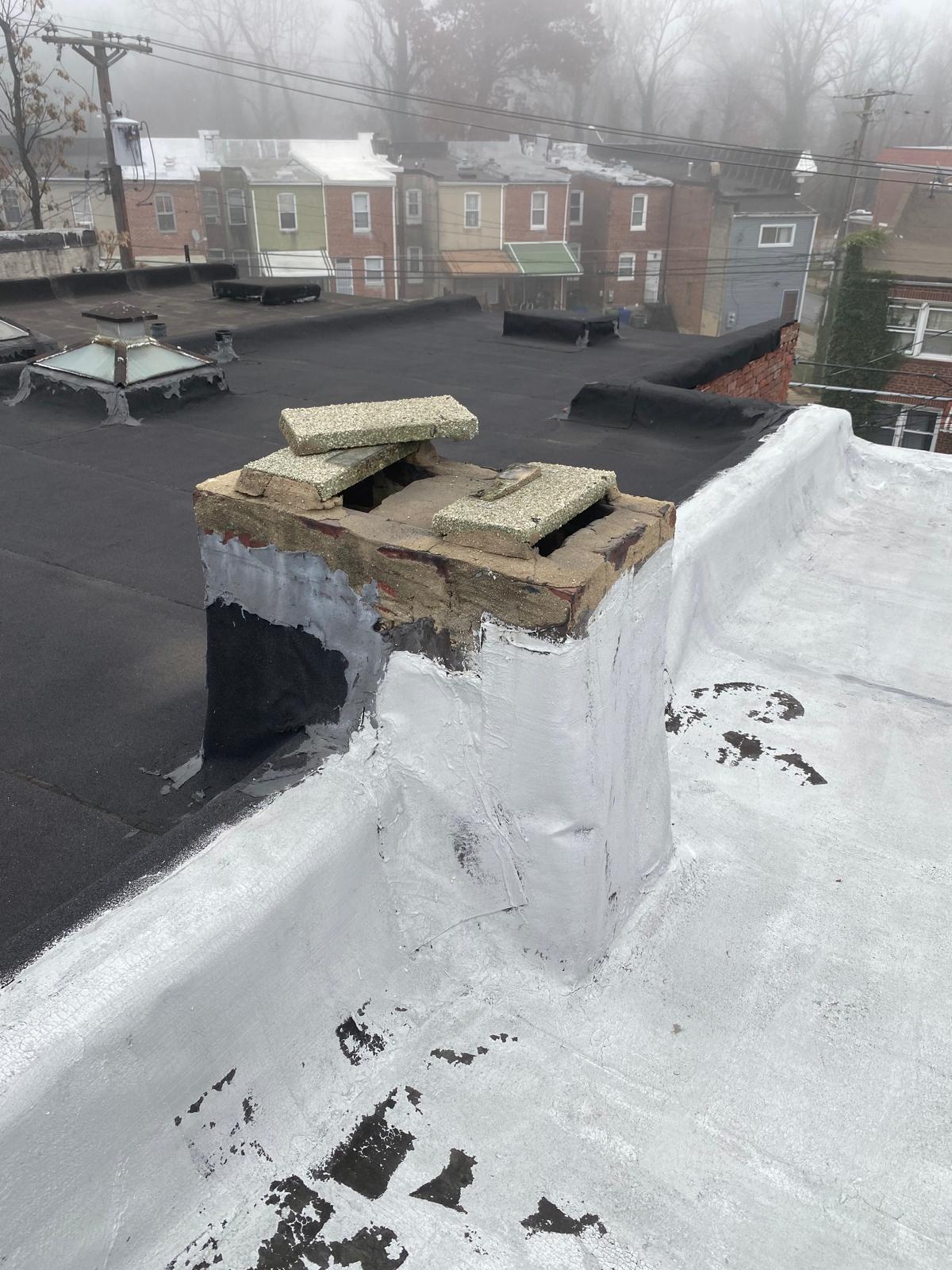
Are you hearing strange noises coming from your Los Angeles chimney, and it’s not the rustling of palm fronds or the distant sirens of the city?
Unpacking Your Chimney’s Symphony: When Sounds Go Beyond the Ordinary
Los Angeles, a city renowned for its vibrant energy, can also be a place where the usual sounds of home can take on a peculiar new dimension. While a draft whistling through a poorly sealed flue or the tell-tale scurry of a squirrel might seem like common culprits, many homeowners overlook the subtler, yet equally important, indicators that their chimney might be signaling distress. These aren’t always about an animal infestation, though that’s a common concern. Sometimes, the sounds your chimney makes are a direct reflection of its internal condition – or lack thereof. Understanding these sonic cues is crucial for maintaining not just the functionality of your fireplace, but more importantly, the safety of your household. A silent chimney might seem ideal, but a suddenly vocal one demands attention, and often, it’s not the wildlife you should be blaming.
The sheer variety of noises a chimney can produce is astonishing, and each can point to a different underlying issue. From a subtle rattling to a more pronounced creaking, these sounds can be easily dismissed as typical old-house noises. However, in a region like Los Angeles, where building materials can be subject to unique environmental stresses – from seismic activity to intense sun exposure – the structural integrity of any part of your home, including the chimney, is paramount. Ignoring these auditory warnings is akin to ignoring a check engine light on your car; it might not lead to immediate disaster, but it significantly increases the risk of a more serious and costly problem down the line. DD Chimney Cleaning understands that homeowners want straightforward explanations, not alarming conjectures. We’re here to demystify what your chimney might be trying to tell you, moving beyond the immediate assumption of critters.
The Rhythmic Rattle: More Than Just Loose Shingles
One of the most common auditory alarms is a persistent rattling. While many might immediately jump to the conclusion that a critter has taken up residence in the flue, the reality can be far more nuanced, and often, more structurally significant. This rattling sound can originate from several sources, none of which involve a family of raccoons nesting within your masonry.
Loose Components Within the Damper System
Your chimney’s damper, a crucial component that controls airflow, can develop issues. Over time, the metal parts can loosen, or debris can become lodged within its mechanism. When the wind blows through the chimney, or when the system is briefly activated by air movement, these loose components can vibrate, producing a distinct rattling sound. This is particularly common after periods of disuse, where rust or sediment might accumulate.
Creosote Buildup and Loose Flue Tiles
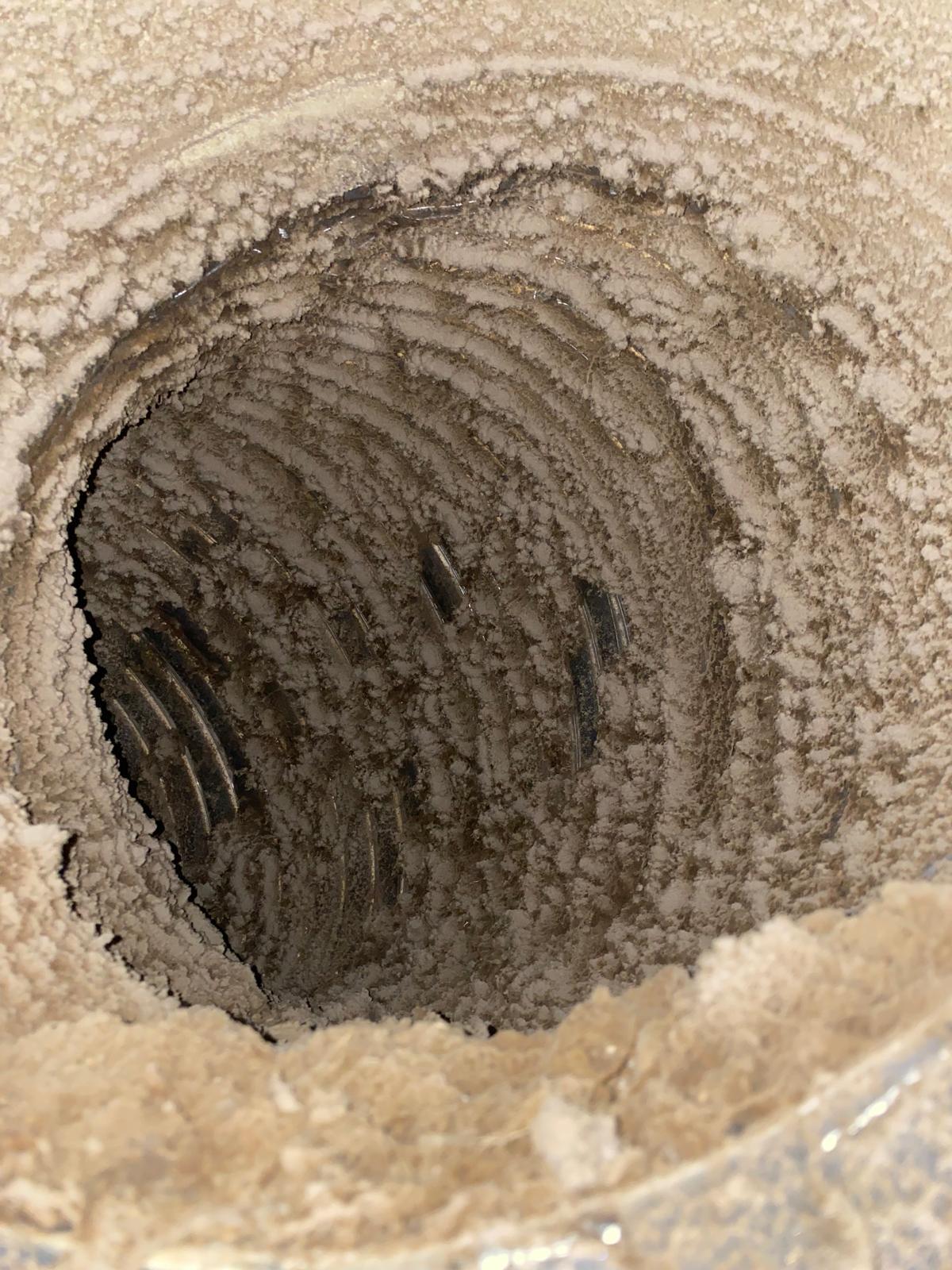
The combustion process inevitably leads to the formation of creosote, a tar-like substance that adheres to the interior walls of your chimney. In severe cases, this buildup can become brittle and detach in flakes or larger pieces. If these pieces fall and strike the sides of the flue or the damper mechanism, they can create a rattling or clicking sound. Furthermore, the mortar holding the flue tiles in place can degrade over time. Loose flue tiles themselves, or the mortar surrounding them, can shift and rattle as air currents pass through the chimney, especially in older structures common in neighborhoods like Pasadena or the historic parts of Downtown Los Angeles.
Chimney Cap or Spark Arrestor Issues
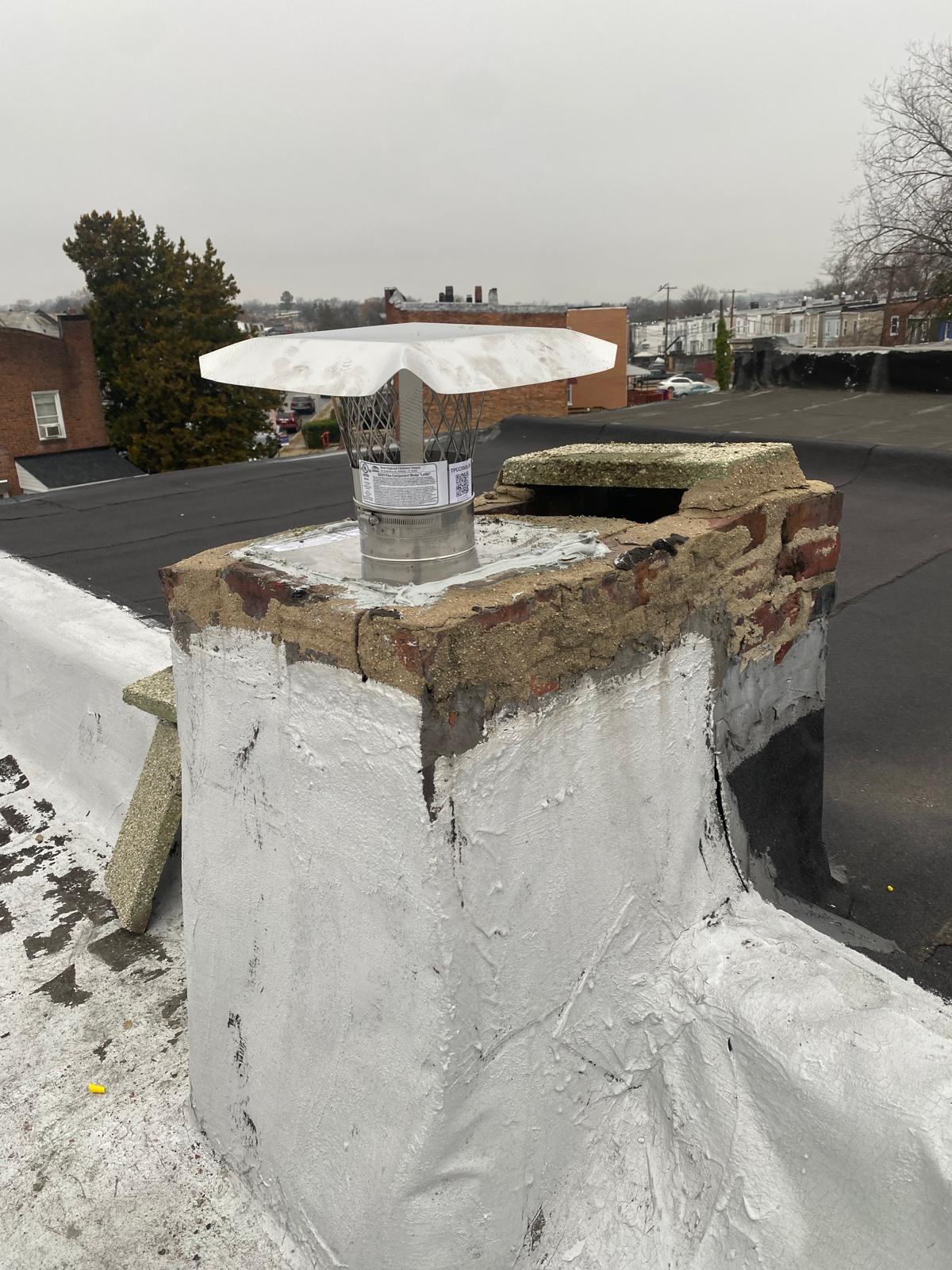
The chimney cap and spark arrestor are designed to prevent debris and animals from entering the chimney. However, the metal mesh or the cap itself can become dislodged or damaged, especially during strong Santa Ana winds that frequently buffet the Los Angeles basin. A loose section of the cap, or a bent spark arrestor screen, can vibrate and rattle in the wind, mimicking the sound of animal activity or internal structural problems.
The Grinding Groan: Signs of Wear and Tear
A groaning or grinding sound is less common than a rattle but can be a more serious indicator of structural stress or mechanical failure within the chimney system. This sound is often described as a deep, low-frequency noise that can be particularly unnerving, especially when it occurs during adverse weather or wind.
Masonry Expansion and Contraction
The materials that make up your chimney – brick, mortar, and the flue liner – expand and contract with temperature fluctuations. While some minor movement is normal, significant or rapid changes can cause audible stress. In Los Angeles, the intense heat of summer followed by cooler nights, or the dampness of winter fog, can exacerbate this. When these materials shift under pressure, they can produce a grinding or groaning sound, particularly at the joints or where different materials meet. This is a strong signal that the mortar may be weakening or that hairline fractures are developing.
Damaged or Shifting Flue Liners
The flue liner is a critical component, protecting the chimney structure from the intense heat and corrosive byproducts of fires. If the liner is cracked, misaligned, or shifting – perhaps due to age, impact, or settling of the foundation – it can create grinding noises. As heat expands the outer brickwork and the inner liner moves independently, friction can generate this unnerving sound. This type of issue necessitates immediate professional assessment, as a compromised flue liner poses a significant fire hazard. We see this often in older homes in areas like Silver Lake or the Hollywood Hills where the original construction may not have accounted for modern usage and environmental factors.
Soot and Debris Accumulation
While less common as a primary cause for grinding, excessive amounts of hardened creosote or other debris within the flue can, in rare cases, contribute to unusual noises. As air currents force their way through constricted passages, the abrasive nature of heavily encrusted creosote, combined with the passage of air, can produce a scraping or grinding sensation, though this is often more of a hissing sound. The crucial point remains that such buildup is indicative of a chimney that is overdue for professional cleaning, like the meticulous services offered by DD Chimney Cleaning.
The Hissing Whisper: Unveiling Hidden Air Leaks and Draft Issues
A soft hissing or whispering sound emanating from your chimney might seem innocuous, perhaps even like the wind itself. However, in a functioning fireplace system, such sounds can point to inefficient airflow and potential energy loss, a concern for any Los Angeles homeowner looking to manage utility costs and maintain a comfortable indoor environment.
Incomplete Damper Seals
The damper is designed to seal the chimney when the fireplace is not in use, preventing conditioned air from escaping and outside air from entering. If the seal around the damper is compromised, worn, or if the damper itself is not fully closing, you might hear a persistent hissing sound as air inevitably leaks through the gap. This is particularly noticeable on windy days and can lead to significant heat loss in the winter and cool air loss in the summer, contributing to higher energy bills.
Cracks in the Chimney Structure
Even small, hairline cracks in the masonry or mortar joints of your chimney can allow air to escape or enter. These aren’t always visible to the naked eye from the ground. When air is forced through these tiny openings by pressure differences – caused by wind, temperature variations, or even the operation of exhaust fans within your home – it can create a subtle hissing or whistling sound. Addressing these cracks is vital not only for preventing energy loss but also for maintaining the structural integrity of the chimney and preventing water intrusion, which can lead to further deterioration. Consider the consistent sunshine in Los Angeles and its effect on materials over decades; even minor cracks can be exacerbated.
Issues with the Flue Liner Sealant
Where flue liners meet, or where they connect to the chimney structure at the smoke chamber, specialized sealants are used. If these sealants degrade or crack, they can create small pathways for air to move, resulting in a hissing sound. This type of issue can also compromise the chimney’s ability to contain smoke and gasses effectively, making it imperative to address promptly.
The Tapping or Knocking Noise: Beyond Birdhouses
A series of sharp tapping or knocking sounds from your chimney can be disconcerting. While the initial thought often goes to a woodpecker or another bird trying to nest, there are internal reasons for this auditory signal that are more concerning for the chimney itself.
Loose Mortar or Debris Falling
As mortar between bricks or flue tiles degrades, small fragments can become dislodged and fall within the chimney structure. These fragments can then tap against the sides of the flue or internal components as they tumble downwards. This is a direct indication of mortar deterioration, which weakens the overall structure of the chimney. Over time, this can lead to more significant structural issues, compromising its stability. This is a common concern for older homes throughout Los Angeles, including areas with historic brickwork.
Soot Falling in Large Chunks
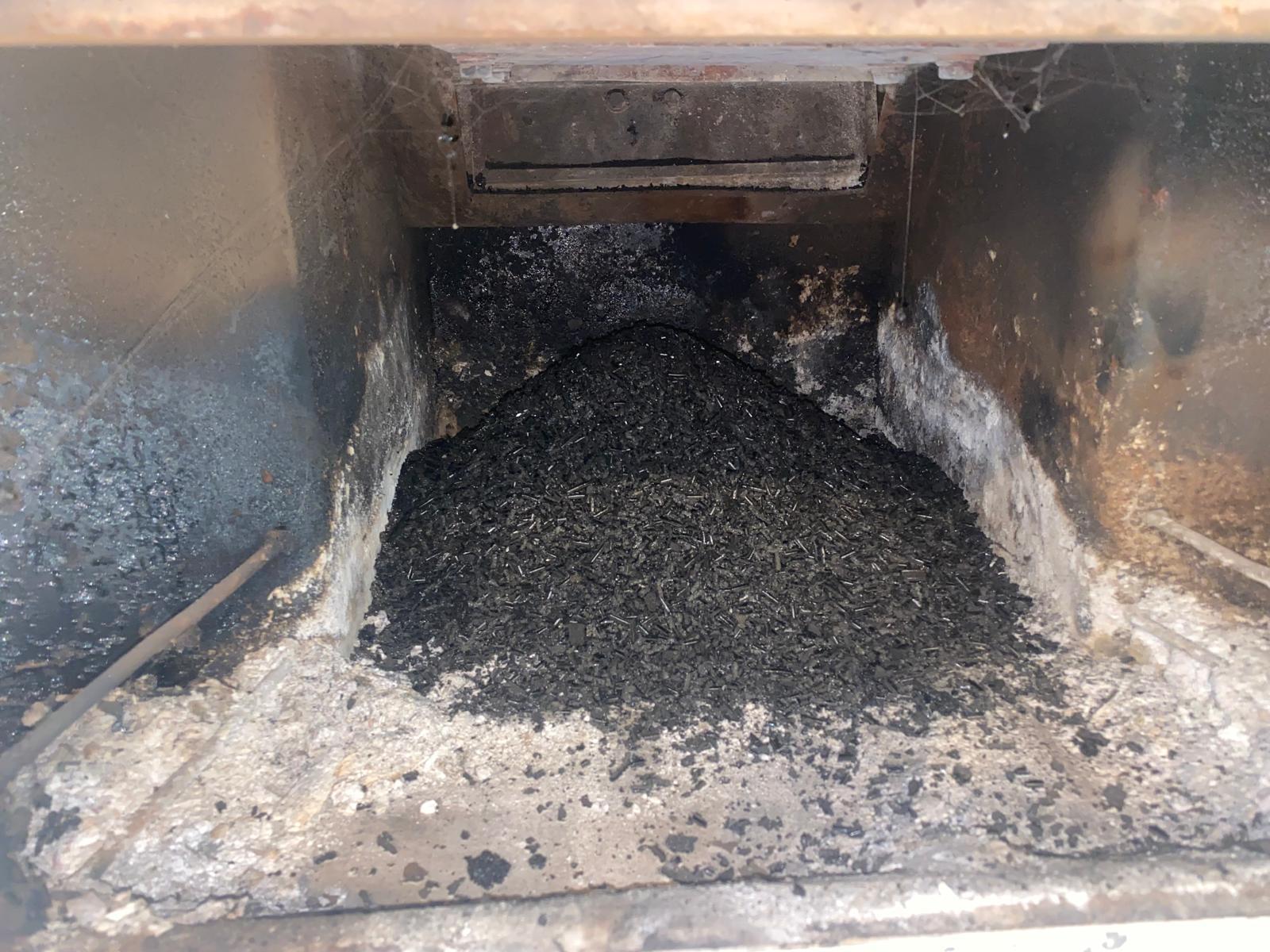
During the combustion process, creosote can build up and harden. In some instances, large, hardened pieces of creosote can detach and fall within the flue. The impact of these chunks against the flue liner or other internal surfaces can produce a distinct knocking sound. This isn’t just about noise; it signifies a significant creosote buildup that requires immediate attention to prevent fire hazards.
Loose Chimney Cap or Flashing
Similar to rattling, loose sections of the chimney cap or flashing (the metal sheeting that seals the junction between the chimney and the roof) can cause tapping sounds. A small, detached piece of metal can be repeatedly struck by wind gusts, creating a rhythmic tapping that can be mistaken for something more alarming. The integrity of the flashing is crucial for preventing water from entering your home around the chimney penetration.
The Unexplained Scrapes: When Silence Isn’t Golden
This is the category many homeowners fear: the sound of something moving, scraping, or shuffling. While animals are often the prime suspect, it’s important to consider other possibilities that might be a precursor to or coincident with animal intrusion, often stemming from the chimney’s internal state.
Nesting Materials and Debris Accumulation
Even if the scraping isn’t from a live animal, the sounds can be caused by accumulated debris. Fallen leaves, twigs, bird nests (even old ones), and other detritus can settle within the chimney, especially in the flue or the smoke chamber. When air currents move through these accumulations, or when the structure shifts slightly, these materials can shift and scrape against the chimney walls, creating a sound that can easily be interpreted as animal activity. This is a common issue, especially in areas with abundant trees like Sherman Oaks or Toluca Lake, where leaves and branches can easily find their way into unprotected chimney tops.
Damaged or Loose Flue Liners
As mentioned earlier, shifting or cracked flue liners can cause a variety of noises. In some cases, the rough edges of a damaged liner, or sections of the liner that are scraping against each other, can produce a scraping or grinding sound as air passes or as the chimney experiences minor vibrations from wind or the house settling.
Animal Intrusion as a Secondary Issue
It’s true that animals are often drawn to chimneys. They seek shelter, warmth, and nesting opportunities. Birds, squirrels, raccoons, and even bats can find their way into chimney flues. If your chimney isn’t properly screened, these animals can easily enter. Their movement, nest-building activities, and attempts to escape can create the very scraping and scurrying sounds that concern homeowners. However, the presence of such animals often indicates a failure in the chimney’s exterior protection, a problem that a thorough inspection by a professional service can identify. When we perform chimney cleaning in Los Angeles, CA, we always check for signs of animal intrusion and recommend appropriate preventative measures.
It is important to remember that while animals might be the cause of some noises, it is crucial to address the underlying reason for their access. A chimney that is in good repair, properly sealed, and has a secure cap is far less likely to become an animal’s domicile. Addressing these sounds beyond the animal assumption allows for a more comprehensive approach to chimney maintenance. For those seeking peace of mind and a clean, safe chimney, professionals like those at DD Chimney Cleaning are essential. We are dedicated to ensuring your chimney is free from hazards, whether they be from creosote, structural issues, or unwanted guests. You can reach us at (833) 339-6803 to schedule a service.
When to Call the Professionals: Beyond DIY Diagnosis
Your chimney is an intricate system, and while understanding these sounds is valuable, attempting to diagnose and fix them yourself can be dangerous and ineffective. The height, the potential for falling debris, the presence of corrosive soot, and the sheer complexity of the chimney structure all point to the necessity of professional expertise. Ignoring persistent or concerning noises is a risk you shouldn’t take. For related services, visit their website offers excellent solutions.
The Risk of Structural Damage
Sounds indicating structural issues like loose masonry, degraded mortar, or cracked flue liners are serious. These problems compromise the integrity of your chimney, making it susceptible to collapse, especially in a seismically active region like Southern California. A professional inspection can accurately assess the extent of the damage and recommend the appropriate repairs. For instance, in areas like Studio City, where many homes feature older brickwork, these structural concerns are amplified.
Fire Hazards from Creosote and Blockages
Any sound that suggests falling debris or blockages – be it soot, nesting materials, or damaged flue components – points to a potential fire hazard. A chimney clogged with creosote is a ticking time bomb, with the potential for a dangerous chimney fire. Cleaning these hazardous materials requires specialized tools and knowledge to do so safely and effectively. This is precisely what our core service, chimney cleaning, is designed to prevent. If you’re concerned about the buildup in your flue, a professional cleaning is essential.
Preventing Further Deterioration
Minor issues, left unaddressed, can escalate into major, costly problems. A small crack can allow water ingress, leading to freeze-thaw damage (though less common in mild LA winters, it can happen), and accelerating the deterioration of mortar and brick. Early detection and repair of issues causing strange noises are key to preserving your chimney’s lifespan and preventing more significant interventions down the line. This proactive approach is something we champion, whether we are servicing homes in Beverly Hills or Anaheim. Although we specialize in Los Angeles, our expertise in chimney care extends to thorough services that can be found from DD Chimney Cleaning in Houston to many other locales, highlighting our commitment to chimney safety universally.
Frequently Asked Questions About Chimney Noises
Q1: Can a draft cause a chimney to make noise?
Yes, a strong draft can cause various noises, especially if there are loose components within the damper system, minor damage to the flue liner, or even if the chimney cap is not securely fitted. A draft itself isn’t the issue, but what it interacts with within the chimney.
Q2: How often should my chimney be inspected and cleaned in Los Angeles?
The Chimney Safety Institute of America (CSIA) recommends an annual inspection of your chimney. Cleaning frequency depends on your usage; if you use your fireplace frequently, you may need cleaning more often than someone who uses it only occasionally. Even infrequent use can lead to creosote buildup from one or two fires.
Q3: I suspect an animal is in my chimney. Should I try to remove it myself?
No. It is highly recommended to contact animal control or a wildlife removal service for safe and humane removal. Once the animal is safely removed, you should have your chimney inspected and cleaned, and ensure proper chimney caps are installed to prevent re-entry. If you’re also looking for locksmith help, Locksmith in Los Angeles is a trusted provider.
Q4: My chimney makes a rattling sound only when it’s windy. Is this serious?
It can be. While a slight rattle from a loose cap might be annoying, it can also indicate that components are worn or damaged, potentially allowing water entry or pest access. It’s best to have it inspected to identify the exact cause.
Q5: Can creosote buildup cause noise in the chimney?
Directly, hardened creosote can sometimes flake off and fall, causing tapping or rattling sounds. More indirectly, heavy creosote buildup can narrow the flue, potentially altering airflow sounds to become hissing or whistling noises.
Q6: What are the biggest chimney risks for Los Angeles homeowners?
Beyond animal intrusion and general wear, the primary risks include chimney fires due to creosote buildup, structural damage from seismic activity or material degradation, and carbon monoxide poisoning if the flue is blocked or improperly venting. Regular professional servicing, like the detailed cleaning we provide at DD Chimney Cleaning in Dallas (demonstrating our broader commitment to chimney safety across different regions), is crucial for mitigating these risks.
Don’t let the mysterious sounds of your chimney leave you guessing. A healthy chimney operates quietly and efficiently. Strange noises are your chimney’s way of asking for attention. Addressing them promptly is key to safety, comfort, and the longevity of your home.
Is your Los Angeles chimney trying to tell you something? Don’t ignore the signs. Call the experts at DD Chimney Cleaning today for a professional inspection and cleaning. We’re dedicated to ensuring your chimney is safe, functional, and silent (when it should be!).
Call DD Chimney Cleaning now at (833) 339-6803!