Gas Fireplace vs Wood Fireplace Maintenance in Houston
Houston’s unique climate, with its warm stretches and occasional cool snaps, makes fireplaces a cherished feature in many homes. Whether you enjoy the rustic charm of a wood-burning fire or the convenience of a gas fireplace, ensuring proper maintenance is crucial for safety, efficiency, and air quality. DD Chimney Cleaning understands the distinct needs of each system right here in our city.
(833) 339-6803
1. Creosote Buildup vs. Sooting on Gas Logs
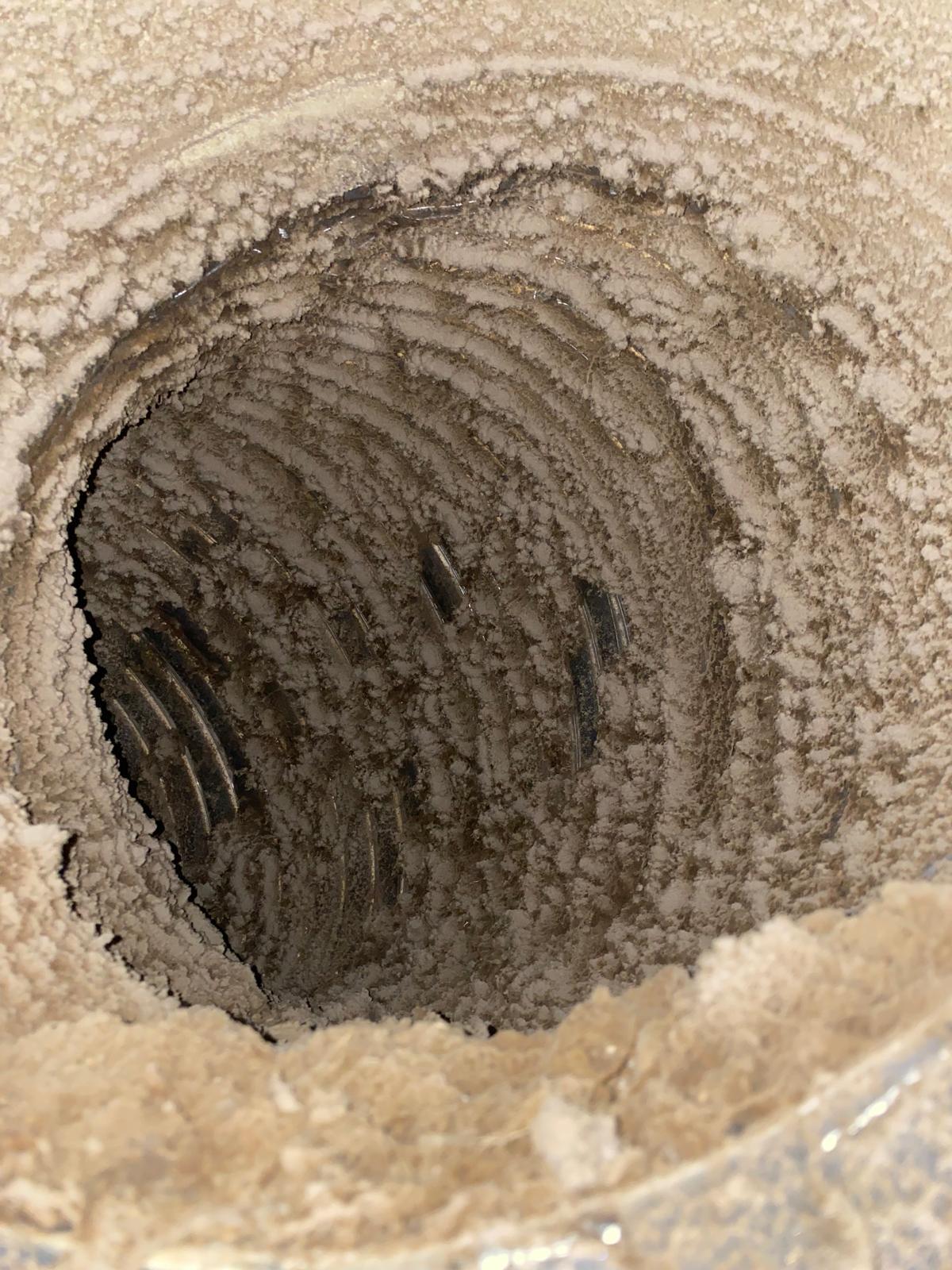
The most obvious difference in maintenance needs stems from combustion byproducts. Wood-burning fireplaces produce creosote, a highly flammable tar-like substance that accumulates in the chimney flue. Regular chimney inspection is essential to remove this fire hazard. Gas fireplaces, while cleaner, can still experience sooting if the gas logs are improperly placed or the air-to-fuel ratio is off, leading to carbon deposits on the logs and interior of the firebox. This can impact efficiency and create unpleasant odors. Even stately homes in River Oaks with their elegant fireplaces benefit from understanding these distinct cleaning requirements to prevent issues before they escalate.
2. Smoke Issues vs. Gas Odors
A common sign of a neglected wood fireplace is smoke entering the living space, indicating a blockage or drafting problem. This not only creates a mess but also introduces harmful particles into your home’s air. For gas fireplaces, any persistent odor of gas, even faint, is a serious concern signaling a potential leak or incomplete combustion, which could produce dangerous carbon monoxide. It demands immediate professional attention. Residents in historic properties throughout The Heights, where both types of fireplaces are common, rely on DD Chimney Cleaning to diagnose and resolve these critical safety issues, ensuring their home remains safe and comfortable.
3. Damper Functionality vs. Gas Line Integrity
For wood-burning fireplaces, a properly functioning damper is vital