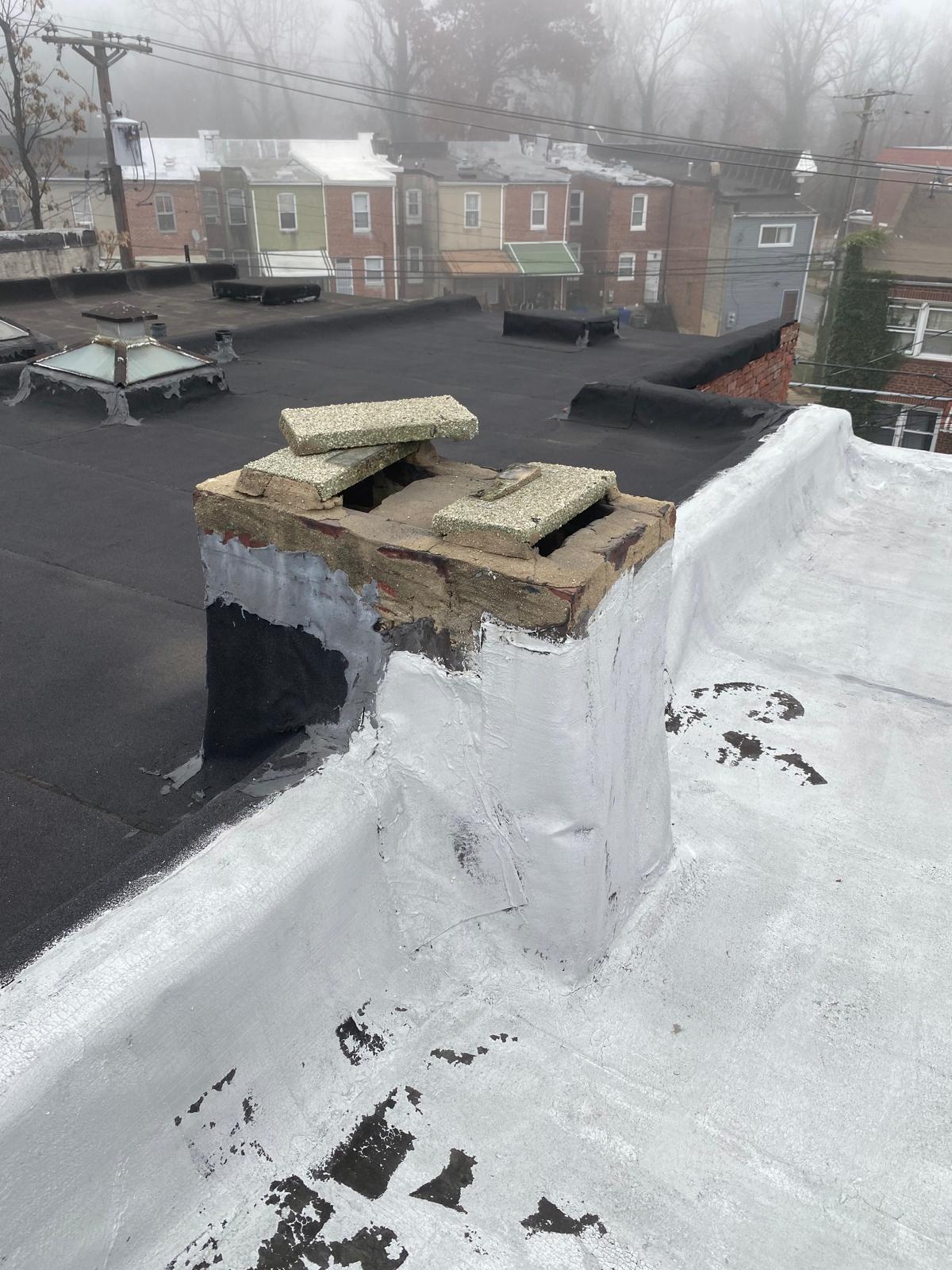
Thinking your cozy Los Angeles fireplace is just a source of warmth? Think again. It could be a silent gateway for a deadly gas into your home. Many homeowners underestimate the serious, often fatal, threat of carbon monoxide (CO) poisoning stemming directly from their chimneys and fireplaces. This isn’t meant to alarm you, but to empower you with crucial knowledge. Carbon monoxide, an odorless, colorless gas, claims hundreds of lives annually across the U.S., and your chimney can be a primary culprit if not properly maintained. Here in Los Angeles, as cooler evenings descend from the Hollywood Hills to Santa Monica, the use of fireplaces increases, raising the stakes for CO safety. At DD Chimney Cleaning, we understand your concerns and are here to guide you through preventing this silent killer.
The Invisible Threat: How Your Chimney Can Betray You
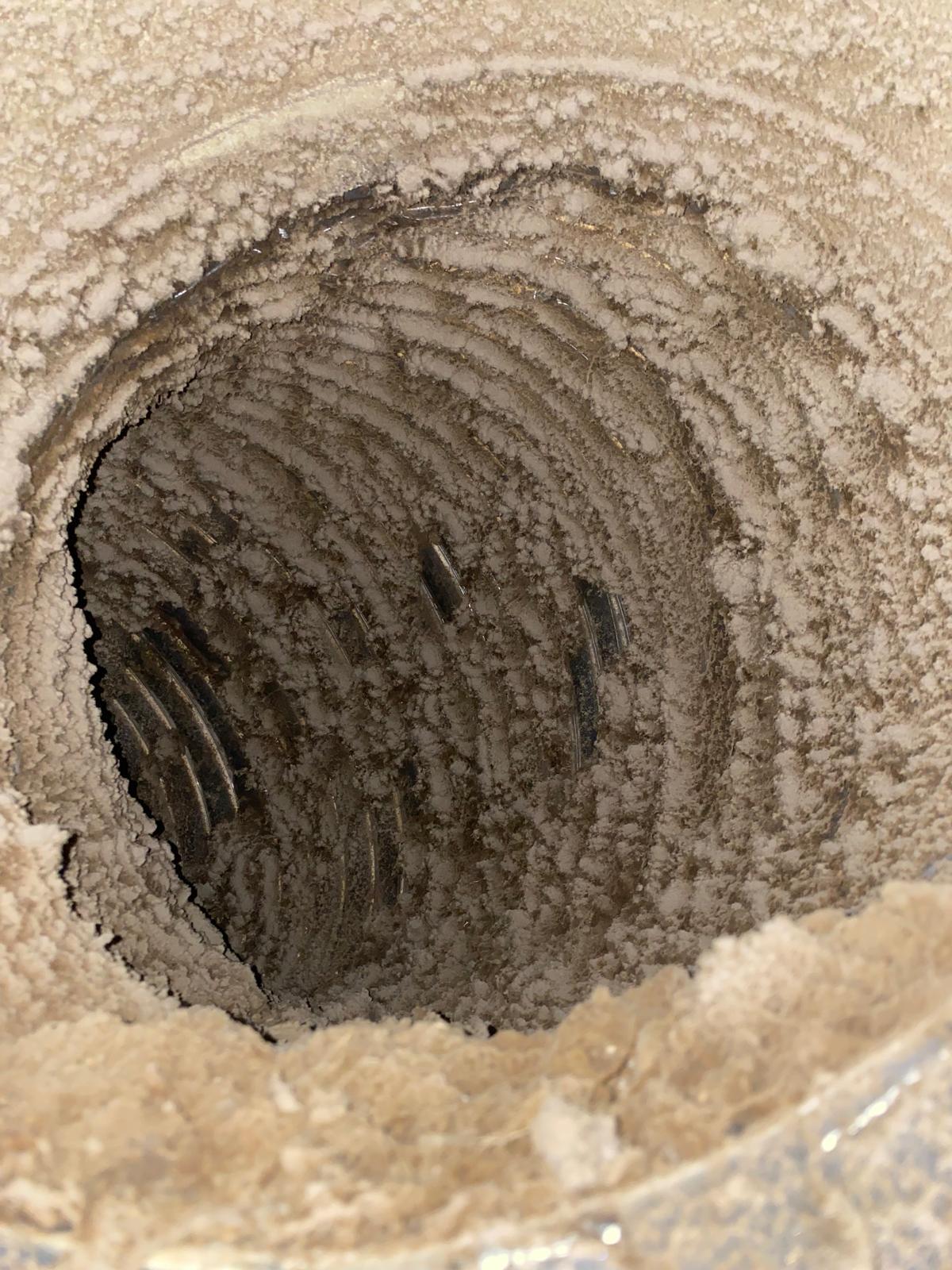
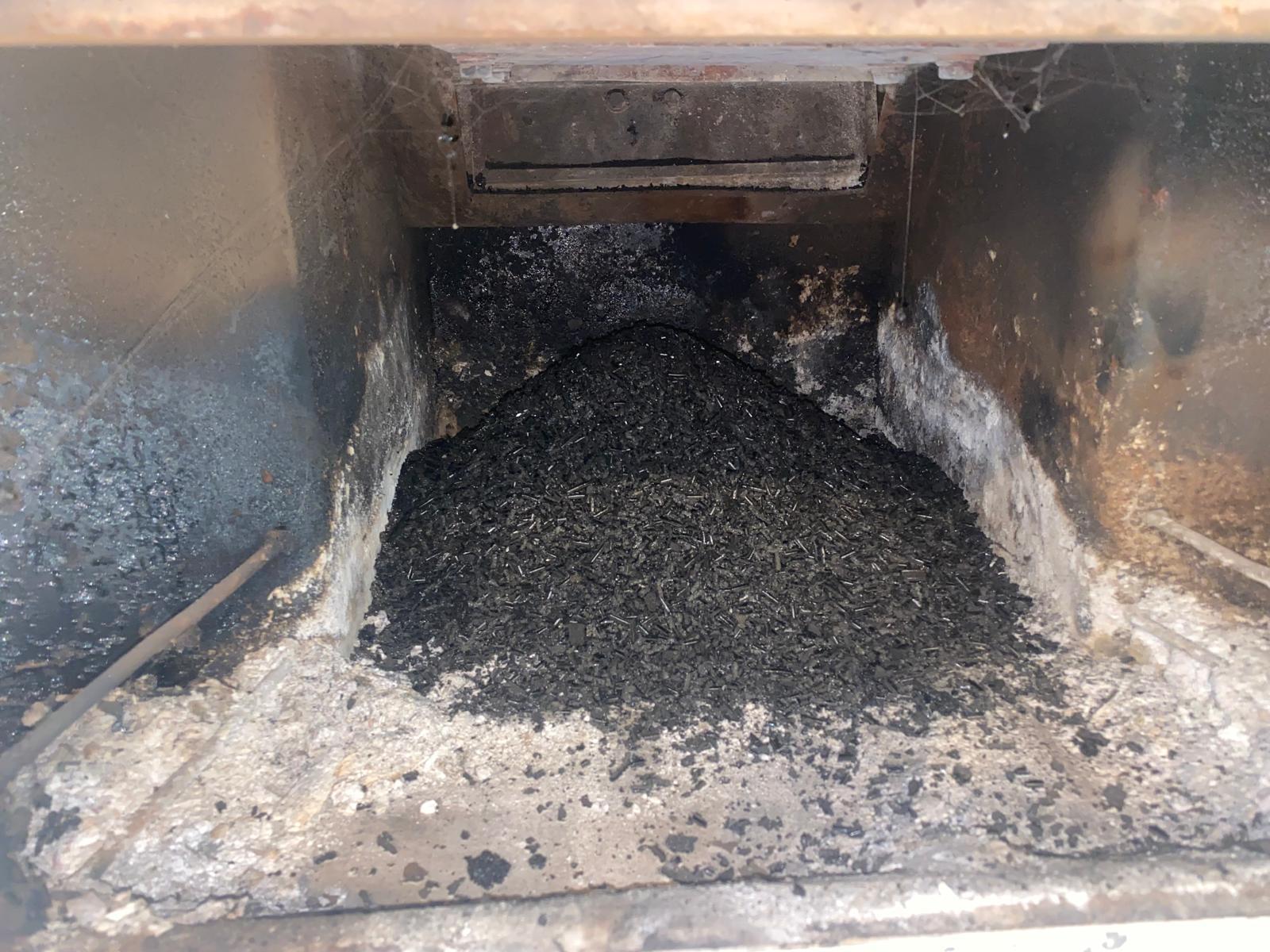
Carbon monoxide is produced when fuels like wood, natural gas, oil, and propane don’t burn completely. Your fireplace, designed to vent these combustion byproducts safely outside, can become a hazard if its flue is blocked or damaged. A significant amount of carbon monoxide poisoning cases are linked to faulty or obstructed chimneys. Blockages can arise from creosote buildup (a highly flammable byproduct of wood burning), bird nests, leaves, or even structural damage. Without a clear path, this toxic gas is forced back into your living space, contaminating the air you breathe and putting everyone under your roof at severe risk. Early symptoms of CO poisoning—headache, dizziness, nausea—are often mistaken for the flu, making it even more dangerous.
DIY vs. Professional: A Matter of Life and Safety
When it comes to carbon monoxide prevention related to your chimney, there’s a clear line between what homeowners can safely do and when professional intervention is absolutely critical.
What You Can (And Should) Do Yourself
- Install Carbon Monoxide Detectors: This is non-negotiable. Place detectors on every level of your home, especially near sleeping areas. Test them monthly and replace batteries annually. This proactive step provides crucial early warning, saving countless lives.
- Perform Visual Inspections: Occasionally look up your chimney with a flashlight. Can you see obvious obstructions like large nests or debris? While you can’t assess the entire flue, noticing major blockages can prompt earlier action.
- Understand Symptoms: Educate every member of your household about the signs of carbon monoxide poisoning. If anyone experiences symptoms, get fresh air immediately and seek medical attention.
- Ensure Proper Ventilation: While using your fireplace, keep a window slightly ajar to ensure adequate combustion air, preventing your home from becoming too air-tight, which can hinder proper drafting.
Why Professional Chimney Cleaning is Indispensable
No amount of DIY diligence can replace the thoroughness and expertise of a professional chimney cleaning service. Here’s why it’s not just a recommendation, but a vital part of your home safety protocol:
- Thorough Creosote Removal: Creosote isn’t just a fire hazard; it significantly restricts the flue, making it harder for gases like CO to escape. Our professional chimney sweepers at DD Chimney Cleaning use specialized tools to remove stubborn creosote, ensuring a clear, open flue. This is especially important for homes in cooler Los Angeles neighborhoods like Pasadena or the valley areas, where fireplaces see more consistent use.
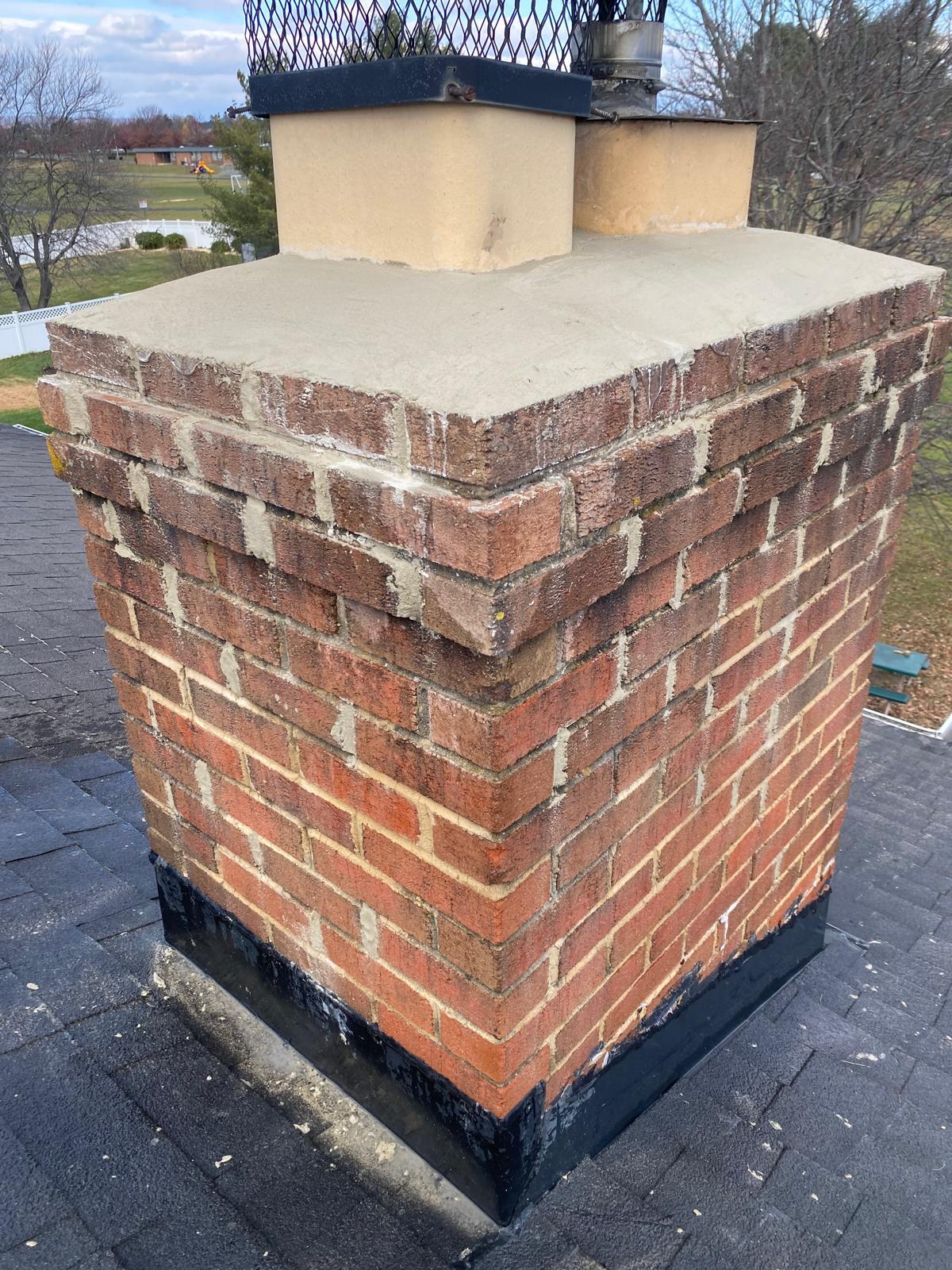
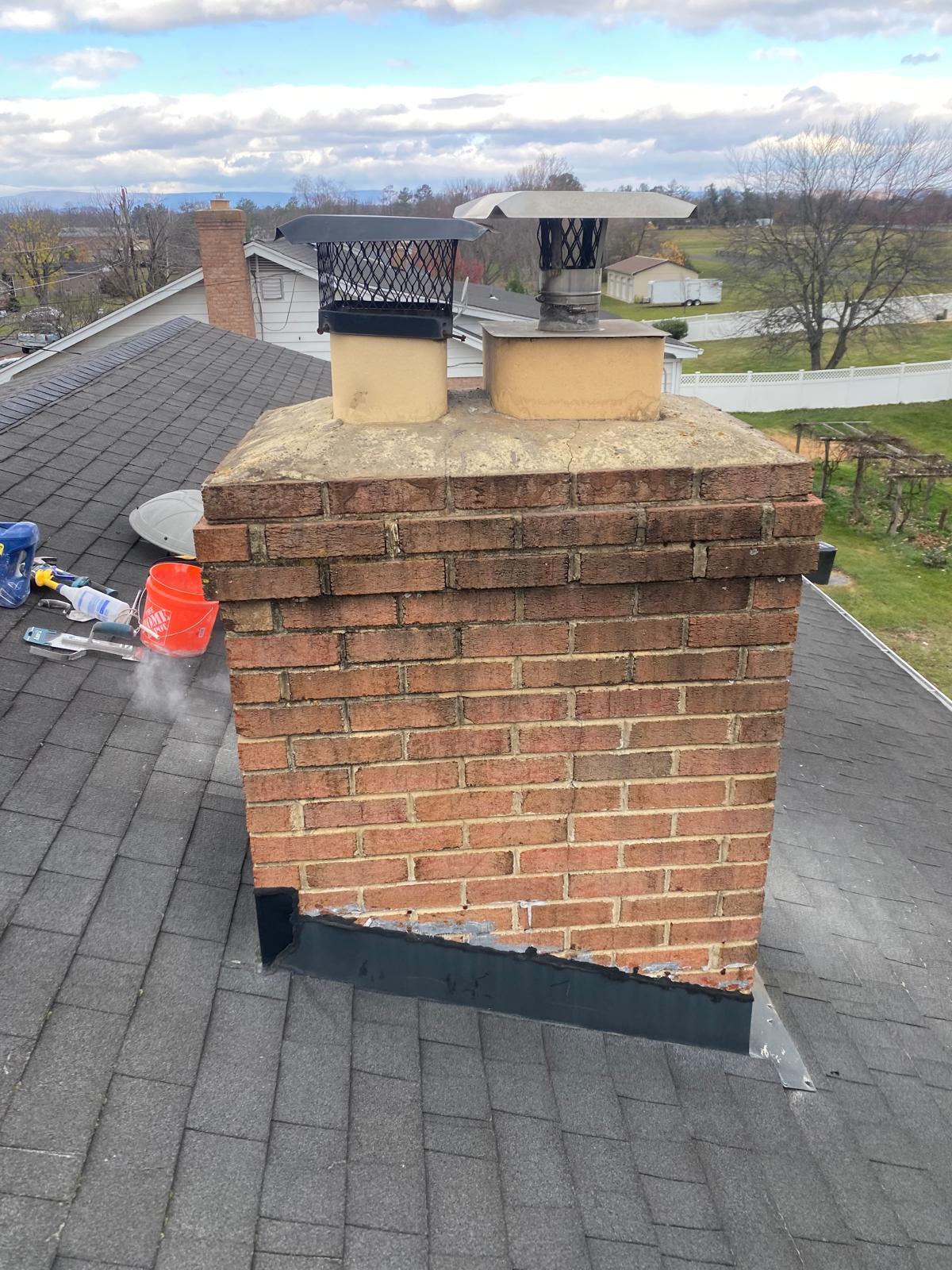
- Identification of Hidden Issues: A professional chimney cleaning involves a detailed inspection of your entire chimney system, including the flue liner, damper, and smoke chamber. We look for cracks, crumbling mortar, loose bricks, or other structural damages that could compromise the integrity of your flue and allow CO to seep into your home. These issues are impossible for an untrained eye to spot.
- Removal of Stubborn Blockages: Beyond visible debris, professional tools can clear out compacted nests, heavy soot buildup, or even dead animals that might be creating dangerous obstructions you couldn’t reach yourself. A complete blockage will force 100% of flue gases back into your home.
- Expert Assessment of Draft: Professionals can assess your chimney’s draft, ensuring it’s pulling smoke and gases efficiently. Poor draft can be a major contributor to CO leakage and can indicate underlying issues that need correction. Regular cleanings also help prevent poor draft caused by soot and creosote buildup.
Investing in professional DD Chimney Cleaning in Los Angeles isn’t an expense; it’s a critical safety measure, safeguarding your family against the unseen dangers lurking in your chimney. We often advise annual cleanings, especially for those who use their fireplace regularly. We also offer our expertise in areas like DD Chimney Cleaning in Detroit and DD Chimney Cleaning in Pittsburgh, emphasizing consistent safety across all our service locations. Don’t take chances with this silent threat; call us today at (833) 339-6803 to schedule your inspection and cleaning.
The Statistics Don’t Lie: Prioritize Your Safety
According to the CDC, unintentional non-fire related CO poisoning causes approximately 400 deaths and 4,000 hospitalizations annually in the U.S. Many of these incidents could be prevented with proper maintenance of fuel-burning appliances, including chimneys and fireplaces. Even a well-maintained chimney can become dangerous without regular professional cleaning and inspection. DD Chimney Cleaning ensures that your chimney system is not only clean but also structurally sound, minimizing any pathways for carbon monoxide to enter your home.
FAQ: Your Carbon Monoxide and Chimney Safety Questions Answered
- Q: How often should I have my chimney cleaned and inspected for CO safety?
A: The Chimney Safety Institute of America (CSIA) recommends an annual inspection and cleaning for most active fireplaces, particularly if you use your chimney frequently. - Q: What are the main chimney-related causes of CO leaks?
A: The most common causes are blockages (creosote, debris, nests), damaged or cracked flue liners, and improper damper operation, all of which prevent toxic gases from venting properly. - Q: Can a gas fireplace also cause carbon monoxide leaks?
A: Yes. While they burn cleaner, gas fireplaces still produce CO. A blocked flue or a faulty burner can lead to CO accumulation. - Q: Where should I place carbon monoxide detectors in my Los Angeles home?
A: Place detectors on every level of your home, especially near sleeping areas and any room with a fuel-burning appliance. Consider one within 10-15 feet of your fireplace. - Q: Is carbon monoxide poisoning always fatal?
A: No, but even low-level exposure can cause long-term health issues. Higher concentrations are often fatal. Immediate evacuation and medical attention are crucial upon suspected exposure. - Q: What should I do if my carbon monoxide alarm goes off?
A: Immediately move everyone, including pets, to fresh air outside. Call 911 or your local fire department for assistance. Do not re-enter your home until it has been declared safe by emergency personnel.
Don’t Play with Fire (or Gas) – Call the Professionals
The threat of carbon monoxide is real, and your chimney is a critical component in your home’s safety system. Don’t wait until it’s too late. Protect your family and your peace of mind by ensuring your chimney is clean, clear, and functioning safely. DD Chimney Cleaning is your trusted partner for professional chimney sweeping and carbon monoxide prevention in Los Angeles and surrounding areas. Our expert team is ready to provide the thorough, meticulous service you need. Reach out to us today.
Protect Your Family from the Silent Killer. Call DD Chimney Cleaning Now for Expert Service! Phone: (833) 339-6803.