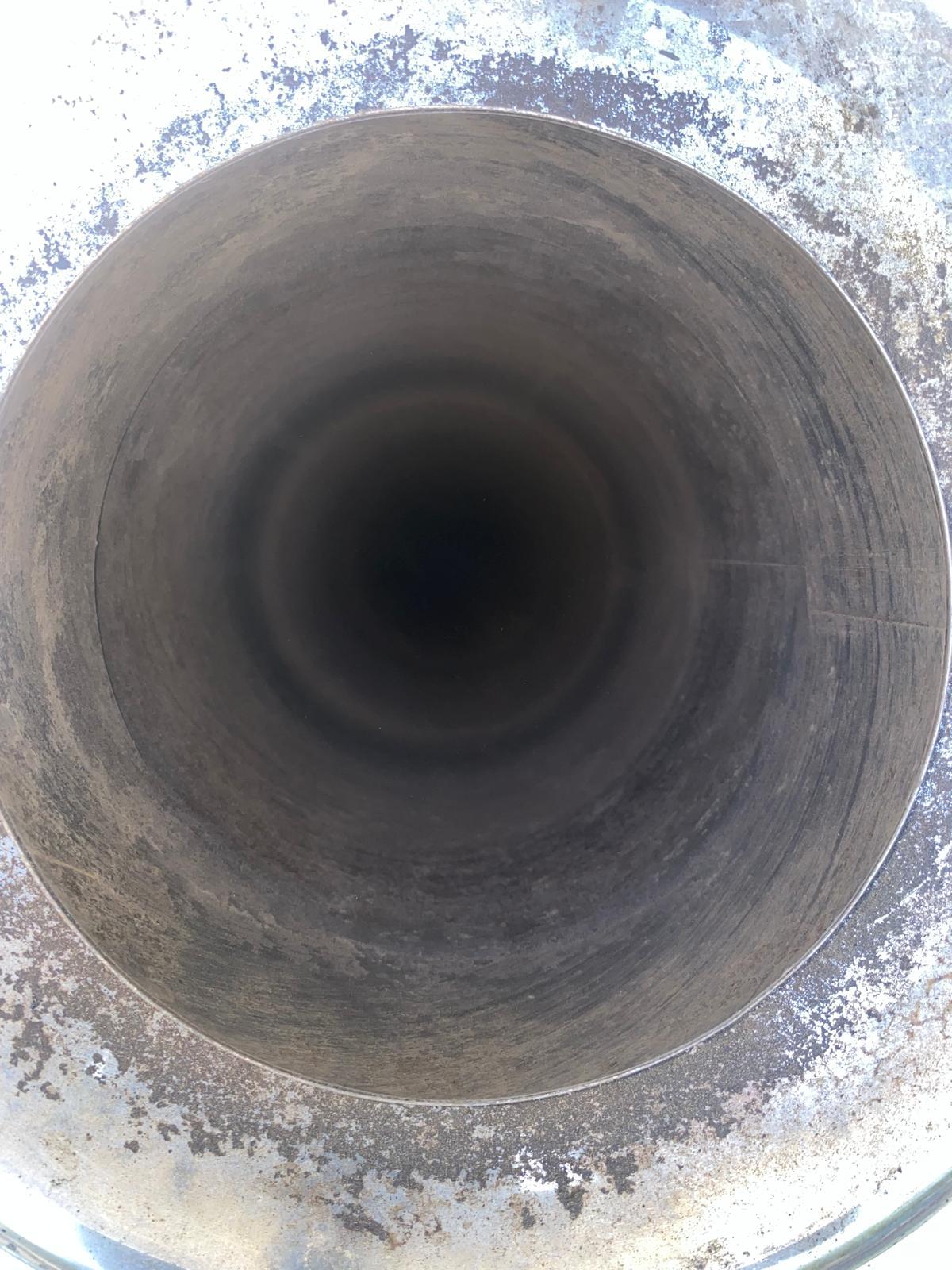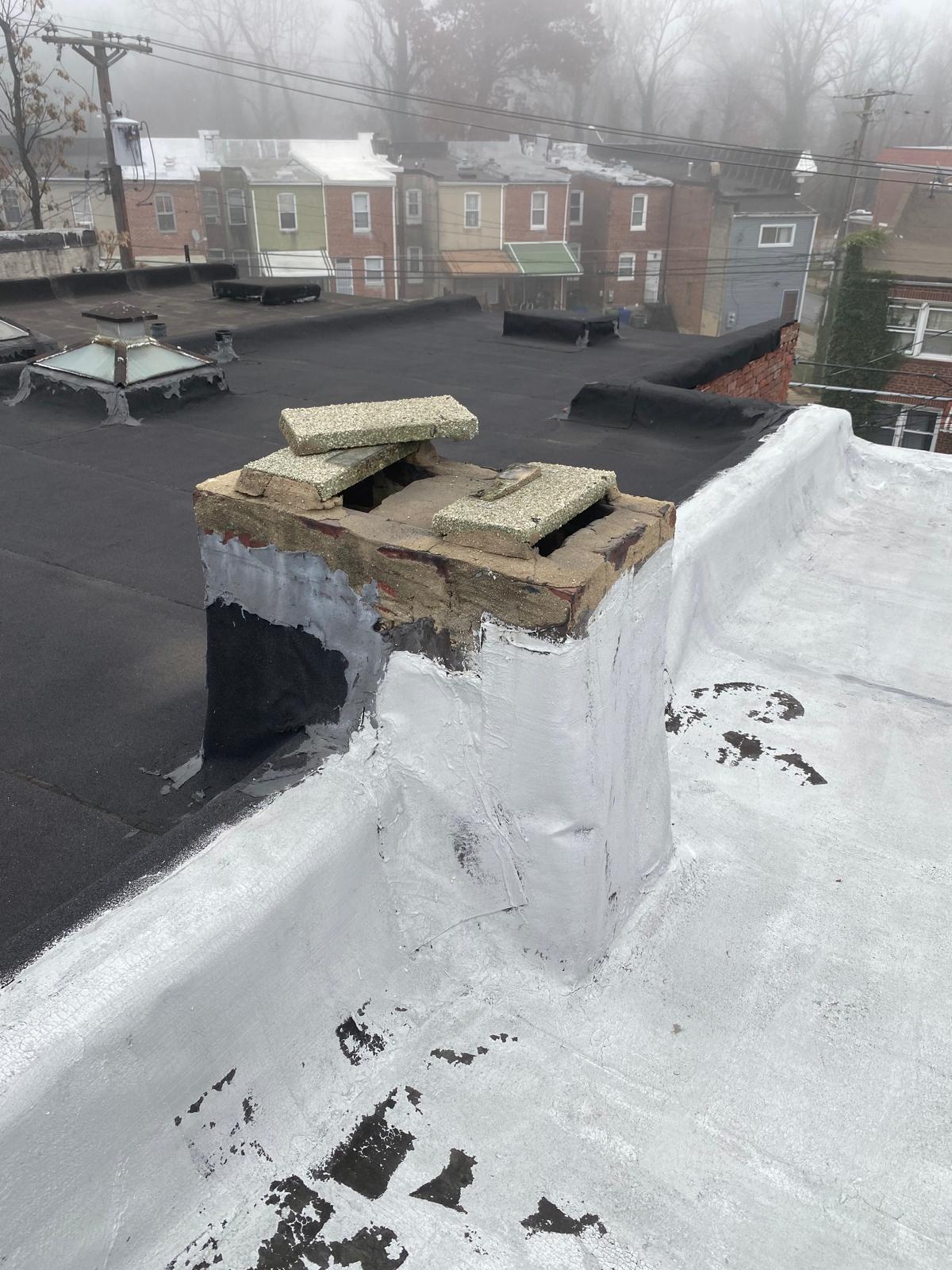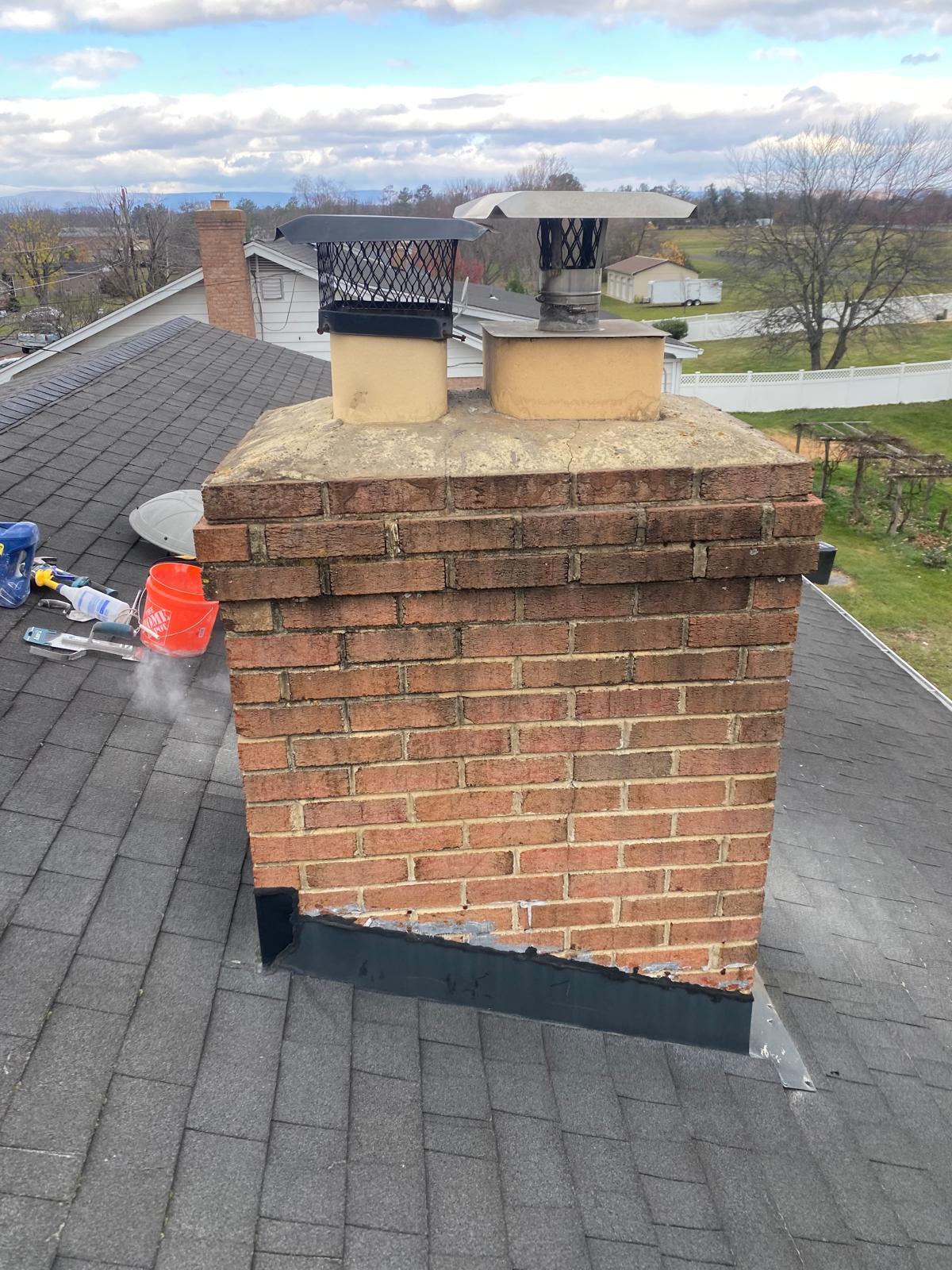
As the vibrant Los Angeles spring transitions into summer, bringing longer days and the promise of warmer weather, many homeowners are turning their attention to outdoor living. Yet, this season also marks prime nesting time for our local avian residents. While we appreciate the diverse wildlife that coexists with us, from the Santa Monica Mountains to the bustling streets of Hollywood, certain natural occurrences can pose significant risks to our homes. One such issue is bird nests finding their way into our chimneys, creating blockages that demand immediate attention for the safety of your family and property.
At DD Chimney Cleaning, we understand the unique challenges Los Angeles homeowners face. We’re here to provide clarity and expertise on bird nest blockages, ensuring your chimney is clean and safe, whether you’re planning for next winter’s occasional cool evenings or just seeking peace of mind year-round.
Why Do Birds Choose Chimneys for Nests?
Q: Why are chimneys attractive to nesting birds, especially in Los Angeles?
A: Chimneys offer a seemingly ideal habitat for many bird species common in our region, such as sparrows, starlings, pigeons, and the federally protected chimney swift. They provide a sheltered, dark, and often warm cavity, mimicking natural tree hollows or crevices that these birds seek out for nesting. For urban and suburban areas like those stretching across the San Fernando Valley to the coastal communities of Santa Monica, natural nesting sites can be scarce, making residential chimneys an enticing alternative. The vertical shaft offers protection from predators and the elements, and in a mild climate like Los Angeles, the chimney may remain unused for extended periods, giving birds ample time to build elaborate nests from twigs, leaves, grass, and even synthetic materials.
The Risks of Chimney Blockages from Nests
Q: What dangers do bird nests pose to Los Angeles homeowners?
A: The presence of a bird nest in your chimney can lead to a cascade of serious hazards, directly impacting home safety and air quality:
- Carbon Monoxide Poisoning: This is arguably the most critical risk. A blocked chimney prevents combustion gases, including deadly carbon monoxide (CO), from venting properly. Instead, these colorless, odorless gases can back up into your home, leading to CO poisoning, which can be fatal. This risk is amplified even with occasional use of a fireplace or heating appliance connected to the flue.
- Chimney Fires: Nests are primarily built from highly flammable materials. When a fire is lit in the fireplace below, embers or flames can easily ignite the dry nest, leading to a dangerous chimney fire. These fires can reach extremely high temperatures (up to 2000°F), potentially damaging the chimney’s structure, spreading to the home’s roof or attic, and posing a significant threat to homes in fire-prone areas like the Hollywood Hills.
- Smoke and Soot Backup: A partial or complete blockage will cause smoke and soot to re-enter your living space. This results in poor indoor air quality, strong odors, staining of walls and furniture, and can trigger respiratory issues.
- Structural Damage: Over time, nesting materials can absorb moisture, leading to deterioration of the flue lining. This compromises the chimney’s integrity, necessitating potentially costly repairs.
- Pest Infestations: Nests can also harbor parasites like mites and fleas, which can then migrate into your home, creating another layer of discomfort and potential health issues.
It’s vital to recognize that homeowners in various climates, from Los Angeles to Chicago and Boston, face similar dangers from blocked chimneys, reinforcing the universal importance of professional chimney care.
Identifying a Chimney Nest Blockage
Q: How can I tell if there’s a bird nest in my chimney?
A: Early detection is key to preventing problems. Here are common signs that indicate a bird nest might be obstructing your chimney:
- Audible Chirping or Rustling: One of the most obvious signs is hearing bird noises coming from your chimney, especially in the spring and early summer. You might hear chirping, scratching, or fluttering sounds.
- Birds Entering/Exiting: Observing birds frequently flying in and out of your chimney opening is a clear indicator of nesting activity.
- Smoke Backup: If smoke consistently fills your room when you light a fire, a blockage is highly probable.
- Odor: A strong, unpleasant odor, often described as “rotten,” can emanate from the fireplace, especially if nesting materials or bird droppings are present and getting damp.
- Visible Debris: You might see twigs, leaves, or other nesting materials falling into your firebox or even observe them protruding from the top of your chimney.
If you notice any of these signs, it’s crucial to stop using your fireplace immediately and contact DD Chimney Cleaning for a professional chimney inspection.
Professional Nest Removal and Chimney Cleaning
Q: Is it safe to remove a bird nest myself, or should I hire a professional?
A: Attempting to remove a bird nest yourself is generally not recommended and can be dangerous. Here’s why professional intervention is essential:
- Safety First: Chimney interiors can be dark, dirty, and contain hazardous creosote, which is flammable and carcinogenic. Reaching deep into the flue can be difficult and risky without proper equipment.
- Legality: Many bird species, particularly chimney swifts, are protected under the Migratory Bird Treaty Act. Disturbing or removing their active nests (nests with eggs or young) is illegal without a permit. Professionals are aware of these regulations and can advise on appropriate action, waiting for nests to be naturally abandoned if necessary, or securing permits if an active nest poses an immediate danger. DD Chimney Cleaning ensures all procedures comply with federal and local wildlife protection laws.
- Thorough Removal: Nests can be surprisingly large and dense. A professional chimney sweep uses specialized tools to thoroughly dislodge and remove all nesting materials, along with accumulated creosote and soot that often accompany blockages.
- Damage Assessment: After removal, a professional can inspect the chimney for any damage caused by the nest, such as cracks in the flue lining or moisture intrusion, providing recommendations for necessary repairs.
- Preventative Measures: A chimney expert can also install preventative measures like chimney caps to deter future nesting.
For safe and effective bird nest removal and thorough chimney cleaning, call DD Chimney Cleaning at (833) 339-6803. We serve homeowners across Los Angeles, ensuring your chimney is clear and functional.
Preventing Future Bird Nests in Your Chimney
Q: What can Los Angeles homeowners do to prevent birds from nesting in their chimneys? Homeowners in Los Angeles have also found great results with dd air duct cleaning.
A: The most effective preventative measure is the installation of a sturdy, properly fitted chimney cap. A quality chimney cap serves several crucial functions: For related services, visit their website offers excellent solutions.
- Prevents Entry: It creates a physical barrier that stops birds, as well as other animals like raccoons and squirrels, from entering and nesting in your chimney.
- Keeps Out Debris: Caps also prevent leaves, twigs, and other outdoor debris from falling into your flue, reducing the risk of blockages.
- Protects from Moisture: A good cap shields your chimney from rain and snow, which can cause water damage, accelerate creosote buildup, and lead to premature deterioration of the flue and masonry.
DD Chimney Cleaning offers professional chimney cap installation tailored to your specific chimney design and local wildlife challenges. Regular annual chimney cleaning and inspections are also crucial to identify any potential entry points or early signs of nesting before they become significant problems.
Frequently Asked Questions (FAQ)
Q: When is the best time for chimney cleaning in Los Angeles?
A: The ideal time for chimney cleaning in Los Angeles is during the spring or early summer, after the main nesting season has concluded and before the cooler months bring potential fireplace use. This ensures any nests are removed and the chimney is ready for the next heating season.
Q: Are chimney swift nests protected?
A: Yes, chimney swifts are a federally protected migratory bird species. Their nests cannot be removed or disturbed while active (containing eggs or young) without specific permits. Professionals like DD Chimney Cleaning are knowledgeable about these regulations and can advise on legal and humane solutions.
Q: Can a bird nest truly damage my chimney?
A: Absolutely. Beyond the immediate risks