Imagine this common scenario in your Los Angeles home: you’re curled up on the couch, enjoying the cozy glow and warmth from your fireplace, maybe watching the rain fall (a rare but delightful treat here!). Everything feels perfect. But beneath that comforting facade, a hidden danger could be lurking—your chimney flue might be quietly deteriorating. The thought of unseen problems can be frustrating, especially when it involves the structural integrity and safety of your home. However, understanding the warning signs can empower you to take action before a minor issue escalates into a significant hazard or a costly repair.
The Hidden Threat in Your Los Angeles Home: Understanding Flue Deterioration
The chimney flue is much more than just a smoke pipe; it’s a critical component designed to safely vent combustion byproducts—like smoke, soot, and dangerous carbon monoxide—out of your home and into the atmosphere. Most flues in Los Angeles, especially in older charming neighborhoods from Los Feliz to Westwood, are lined with clay tiles or are constructed from masonry. Over time, these materials are subjected to a relentless assault of heat, acidic condensation from burning wood, and the general wear and tear of age. This constant exposure inevitably leads to deterioration.
Acidic moisture from creosote buildup, repeated freeze-thaw cycles (though less common in our mild climate, it can still contribute during colder spells), and even minor seismic activity common to Southern California can all take their toll. A compromised flue ceases to be a safe conduit, opening your home to two major risks: a potential chimney fire, where cracks can allow superheated gases and sparks to ignite nearby combustible materials, and the insidious threat of carbon monoxide poisoning, as gases leak into living spaces instead of venting outdoors.
DIY Inspection: What You CAN (Carefully) Look For
While a comprehensive professional inspection is irreplaceable, a diligent homeowner can perform a basic visual check to identify potential red flags. Think of this as your initial reconnaissance mission.
Exterior Visual Clues
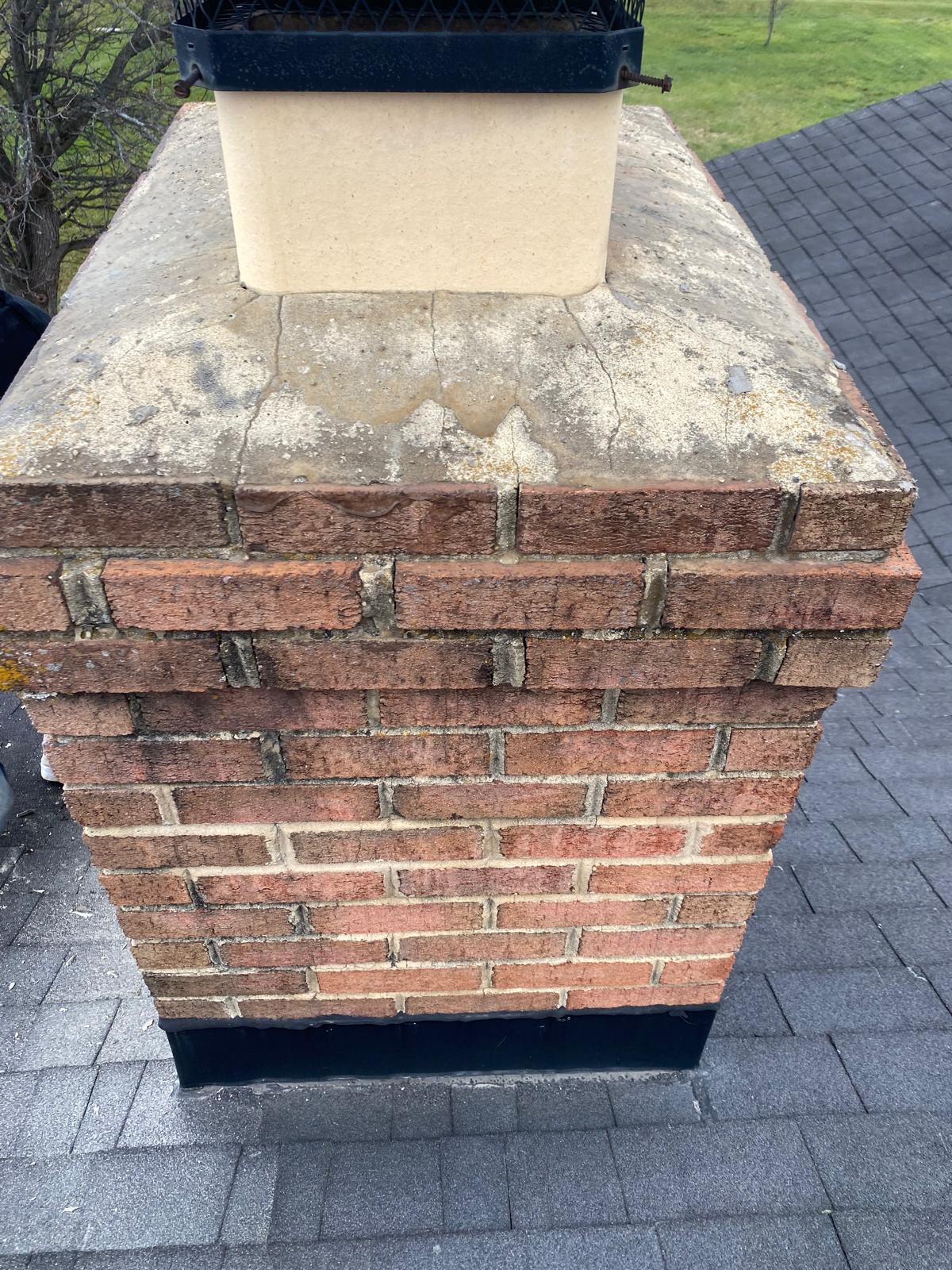
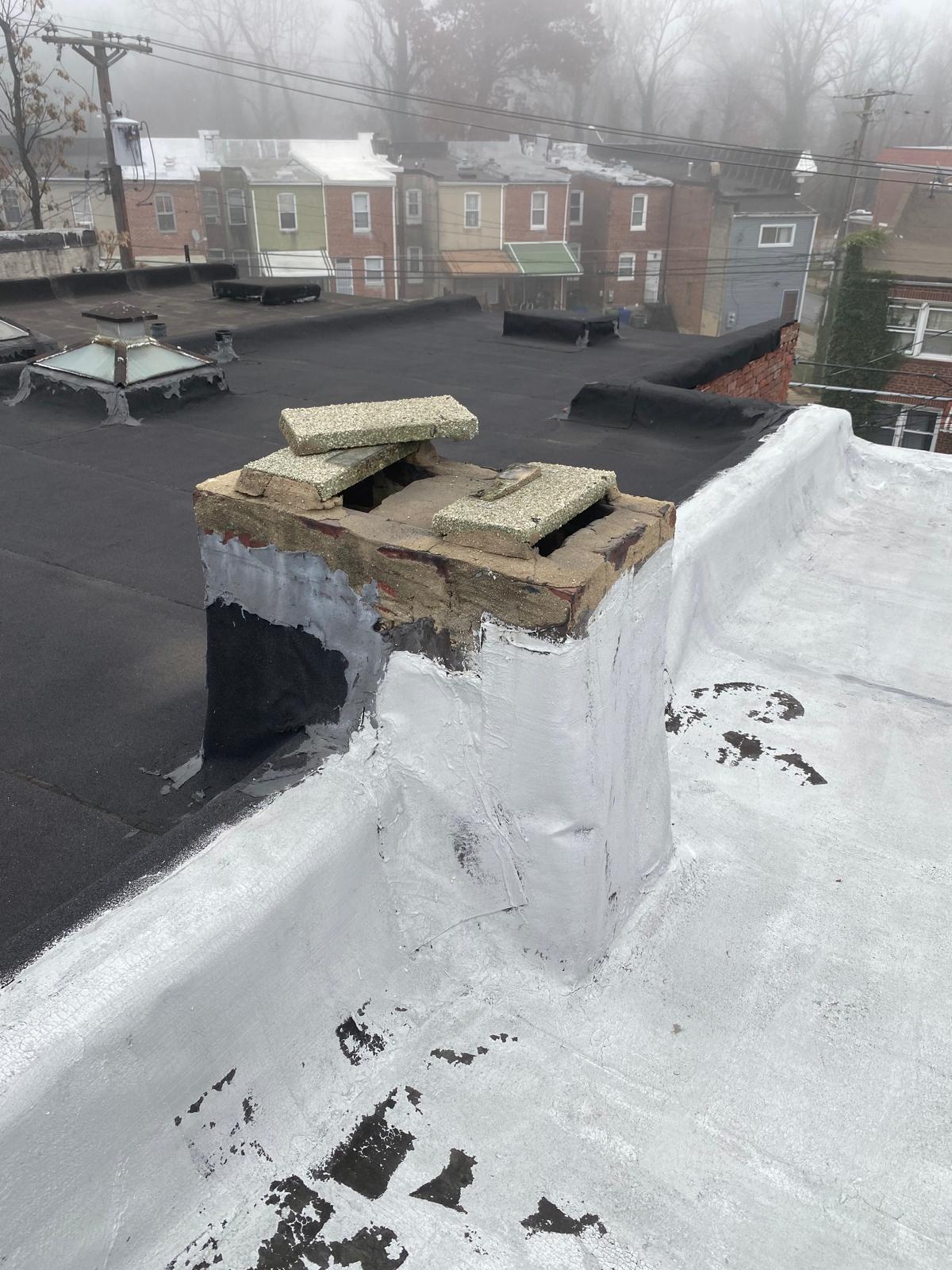
- Cracked Chimney Crown: The crown is the slab of masonry or concrete that caps your chimney, protecting the flue liner from rain and elements. Look for any visible cracks, which can allow water to seep into the chimney structure, accelerating internal deterioration.
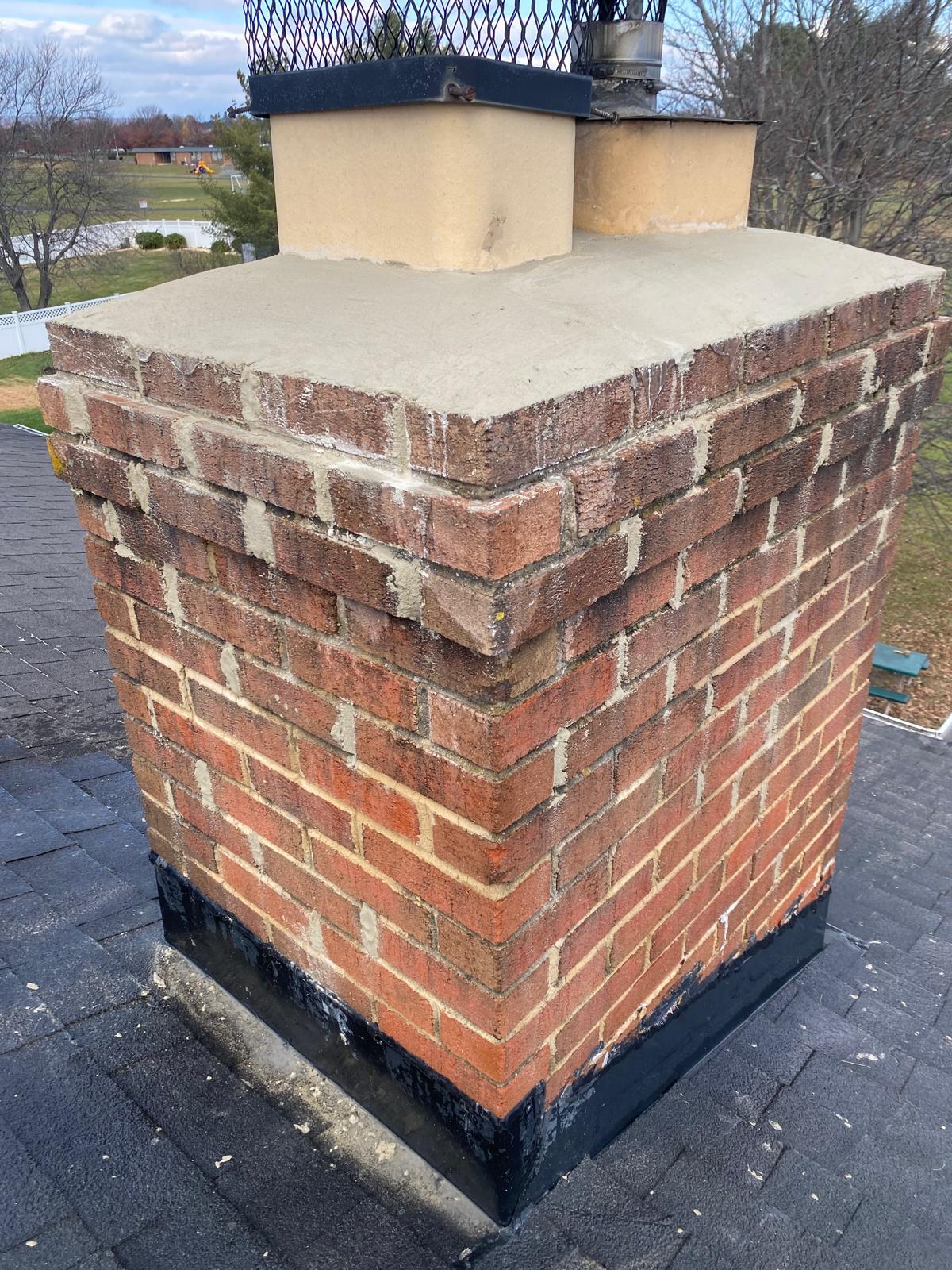
- Spalling Bricks or Mortar Deterioration: Examine the exterior bricks of your chimney. If you see bricks flaking, crumbling (known as spalling), or if the mortar joints between them are eroding or missing, it indicates moisture penetration and structural weakness. This often signals that issues extend internally.
- Efflorescence: White, powdery stains on the exterior masonry are tell-tale signs of efflorescence, indicating water saturation. As water evaporates, it leaves behind salt deposits, signifying a persistent moisture problem within the chimney structure.
Interior Firebox & Smoke Chamber Signs
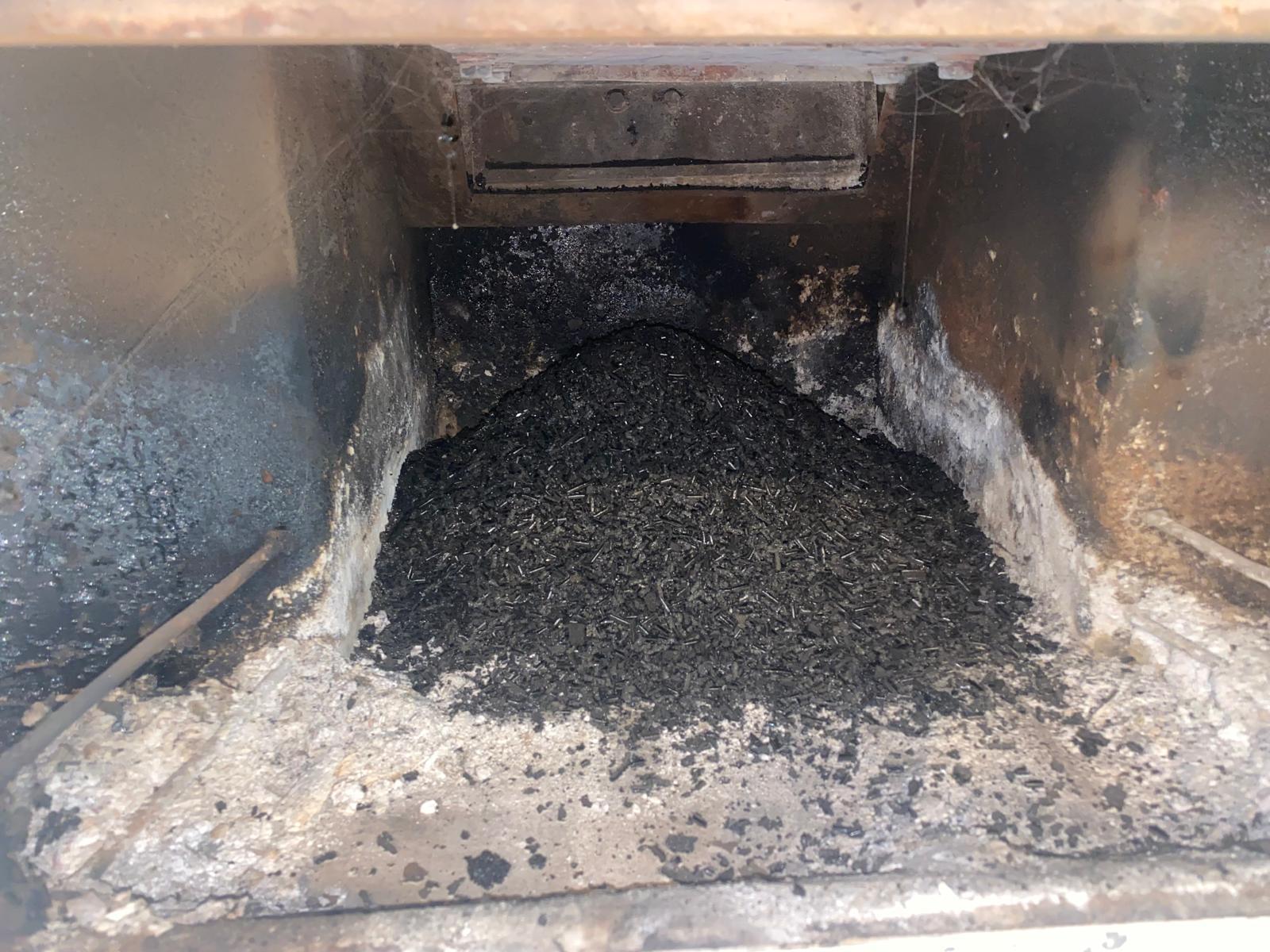
- Cracked Firebox Mortar or Bricks: Inside your firebox, inspect the bricks and mortar for cracks, loose joints, or missing pieces. These areas directly contact intense heat and reflect the condition of the system.
- Damaged Damper: While not part of the flue lining, a faulty damper can signal larger issues or contribute to poor ventilation, which itself can exacerbate flue problems. Ensure it opens and closes smoothly and forms a tight seal.
- Unusual Odors: A persistent, musty smell or the distinct odor of smoke inside your home even when the fireplace isn’t in use can suggest significant creosote buildup or flue damage allowing odors to seep through.
The Limitations of DIY: When to Elevate to a Pro
While your keen eye can spot external red flags, the true condition of your flue often lies hidden. DIY efforts cannot safely or effectively peer deep inside the flue liner to identify hairline cracks, missing mortar joints, or blockages that could lead to life-threatening carbon monoxide leaks or chimney fires. Many residents across Los Angeles, from Santa Monica to Pasadena, might use their fireplaces only seasonally. However, infrequent use doesn’t negate the need for annual inspections by certified professionals. According to the Chimney Safety Institute of America (CSIA), chimney flues should be inspected annually and cleaned as needed, regardless of usage frequency. DD Chimney Cleaning emphasizes this preventative approach, whether you’re in sunny California or colder climates served by DD Chimney Cleaning in Chicago.
When to Call the Professionals: The DD Chimney Cleaning Advantage
This is where professional expertise becomes not just helpful, but absolutely essential. DD Chimney Cleaning brings specialized knowledge and equipment to thoroughly assess your chimney’s integrity. Our certified technicians use advanced camera inspection systems, meticulously navigating the entire length of your flue. This allows us to spot the subtle signs of deterioration—such as tiny cracks, spalling flue tiles, or mortar joint failures—that are invisible from ground level. These are the very issues that can compromise safety and pave the way for a chimney fire, which can cause hundreds of thousands in damage and put lives at risk. Trusting DD Chimney Cleaning ensures you’re getting a thorough and accurate assessment, aligning with the standards upheld by our industry peers, including those at DD Chimney Cleaning in Boston.
If you’ve identified any DIY warning signs or simply haven’t had your chimney inspected in over a year, it’s time to call DD Chimney Cleaning. We provide comprehensive chimney cleaning services in Los Angeles to address these issues promptly and prevent major problems. Don’t gamble with your home’s safety; call us at (833) 339-6803 to schedule your professional inspection today. Visit our main services page for more information on professional care for your chimney: DD Chimney Cleaning Services.
The Critical Consequences of Neglect: Why Early Detection Matters
Ignoring the warning signs of a deteriorating flue is like driving with faulty brakes—you’re inviting disaster. A compromised flue poses significant threats:
- Carbon Monoxide Poisoning: This colorless, odorless gas, produced by incomplete combustion, is deadly. A leaky flue allows carbon monoxide to seep into your home, often undetected until it’s too late. The Centers for Disease Control and Prevention (CDC) reports hundreds of unintentional carbon monoxide poisoning deaths annually in the U.S., many linked to faulty heating systems and flues.
- Chimney Fires: Creosote buildup combined with cracks in the flue liner creates an ideal scenario for a chimney fire. Flames and superheated gases can escape through cracks, igniting nearby framing or insulation, leading to devastating house fires.
- Structural Damage: Ongoing moisture intrusion through a damaged flue can lead to water damage within your chimney structure, ceiling, and walls, requiring extensive and costly repairs that go beyond just chimney cleaning.
Early detection through regular professional chimney inspection and cleaning by DD Chimney Cleaning is your strongest defense against these grave dangers.
Your Burning Questions Answered: FAQ About Chimney Flue Health
Q1: How often should I have my chimney flue inspected?
A: The Chimney Safety Institute of America (CSIA) recommends annual inspections for all chimneys, regardless of how frequently they are used. Even dormant chimneys can develop issues from weathering, animal intrusion, or seismic events.
Q2: What is “spalling,” and why is it a concern for my chimney?
A: Spalling is when masonry materials like bricks or concrete flake, peel, or crumble due to moisture freezing and expanding within them. For a chimney, it indicates water damage and compromises the structural integrity of the flue or stack.