Sarah, a homeowner nestled in the Hollywood Hills, was looking forward to a cozy winter evening. The scent of pine from her Christmas tree filled the air, and she imagined the warm glow of her fireplace. She lit the kindling, watched the flames catch, but then… a familiar, acrid smell started to creep into her living room, followed by wisps of smoke billowing back into the very space she hoped to warm. The romantic evening quickly turned into an annoying, eye-stinging experience. If this scenario sounds familiar, you’re certainly not alone in Los Angeles.
At DD Chimney Cleaning, we understand how frustrating and even alarming it can be when your fireplace, designed to be a source of comfort and warmth, instead fills your home with smoke. It’s a common issue we encounter, from the breezy bungalows of Santa Monica to the sprawling estates in Pasadena, and it’s almost always a sign that something needs attention. We sat down with our lead chimney safety expert to discuss why this happens and what can be done.
Expert Insights: Why is My Fireplace Smoking Back?
When asked about the most frequent causes of smoke backing up into Los Angeles homes, our expert didn’t hesitate. “It almost always boils down to one of two main issues, or sometimes a combination,” they explained. “The good news is, most can be resolved with professional attention.”
Blocked Chimney Flue: The Primary Culprit
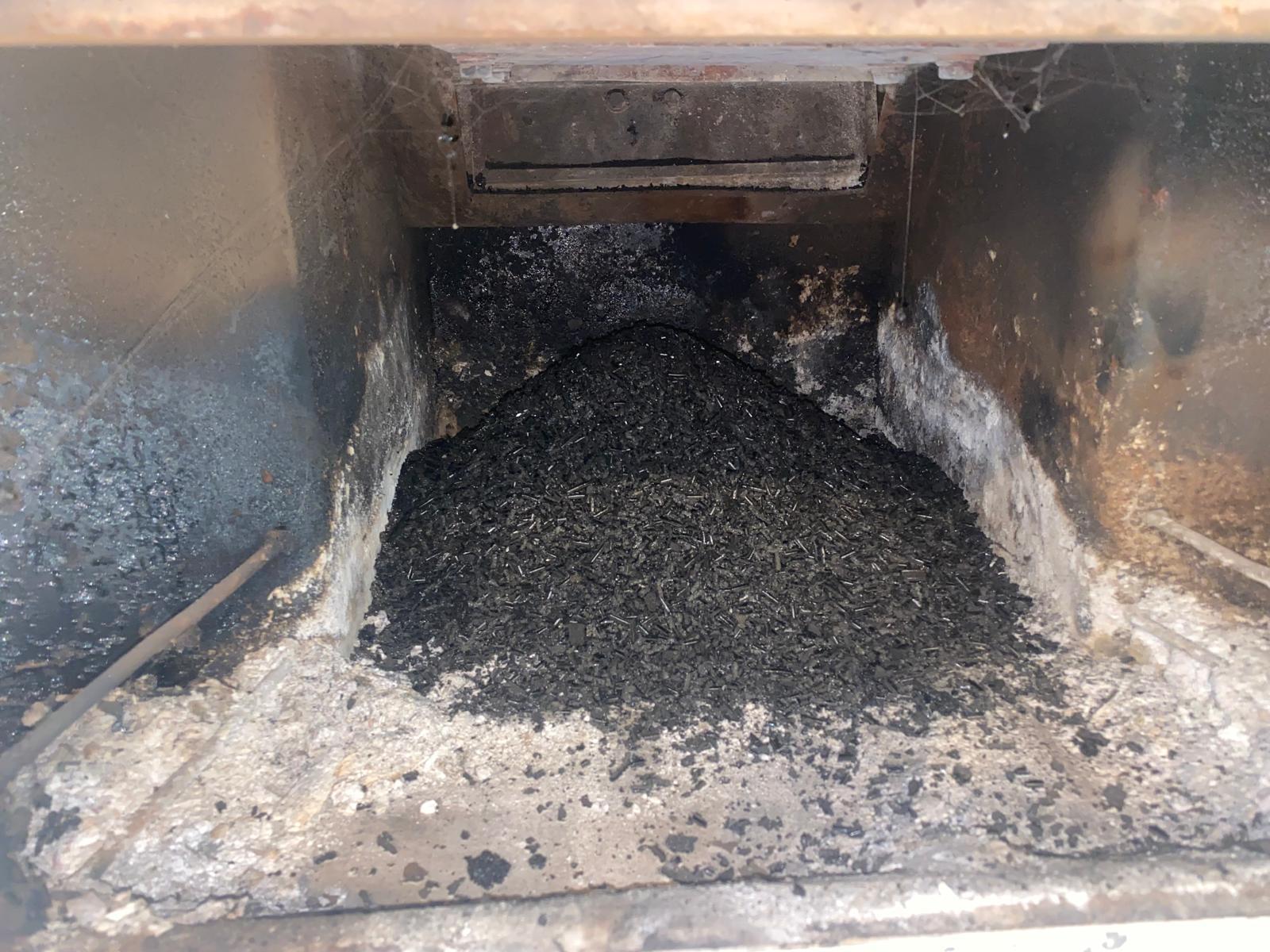
“The most common reason we see, by far, is a blocked chimney flue,” our expert stated. “Over time, especially with regular use, a substance called creosote builds up on the inside walls of the flue. Creosote is a highly flammable residue from burning wood, and it narrows the passage, restricting smoke flow. If it gets too thick – say, more than an eighth of an inch – it not only causes smoke issues but also becomes a significant fire hazard.”
In addition to creosote, Los Angeles homes often face another unique challenge: animal nesting. “Crows, squirrels, raccoons – they love chimneys as safe, warm places to build nests, particularly during the dormant warmer months when fireplaces aren’t in use,” the expert continued. “Even just leaves and debris can fall in and create an obstruction. A blocked flue simply can’t draw smoke upwards efficiently, forcing it back down into your living space.” According to the Chimney Safety Institute of America (CSIA), obstructions are a leading cause of chimney fires and smoke problems.
Inadequate Draft: A Matter of Airflow
Our expert then elaborated on the second major cause: poor draft. “A fireplace needs a good draft – a consistent upward flow of air – to pull smoke out of your home. If your draft is insufficient, the smoke has nowhere to go but back indoors.” Several factors contribute to poor draft:
- Lack of Makeup Air: Modern, energy-efficient homes in LA are often very tightly sealed. While great for insulation, they sometimes lack sufficient fresh air intake for a fireplace to operate effectively. Your furnace, kitchen exhaust fans, or even a running clothes dryer can create negative pressure, essentially sucking air down the chimney rather than letting it rise.
- Cold Chimney: In our relatively mild LA winters, fireplaces might not be used frequently enough to thoroughly warm the chimney. A cold flue won’t generate a strong enough draft, especially initially. Think of it like a cold engine struggling to start.
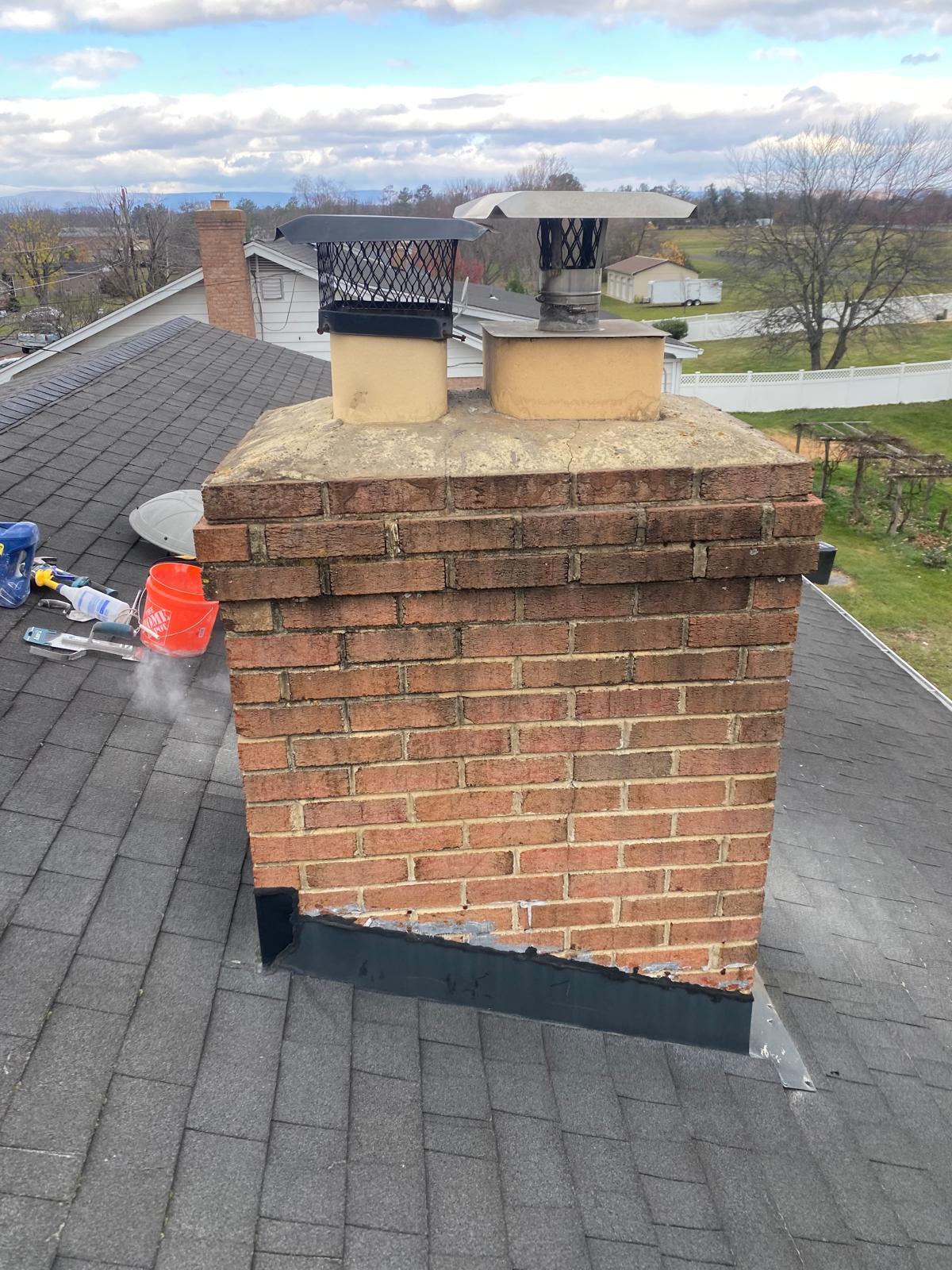
- Chimney Height or Design: Sometimes, the chimney might not be tall enough, or its design creates turbulence. Building codes specify minimum heights above the roofline to ensure proper draw and prevent downdrafts. Our experienced technicians specializing in DD Chimney Cleaning in Los Angeles are well-versed in these specific local requirements.
Damaged or Incorrectly Sized Flue
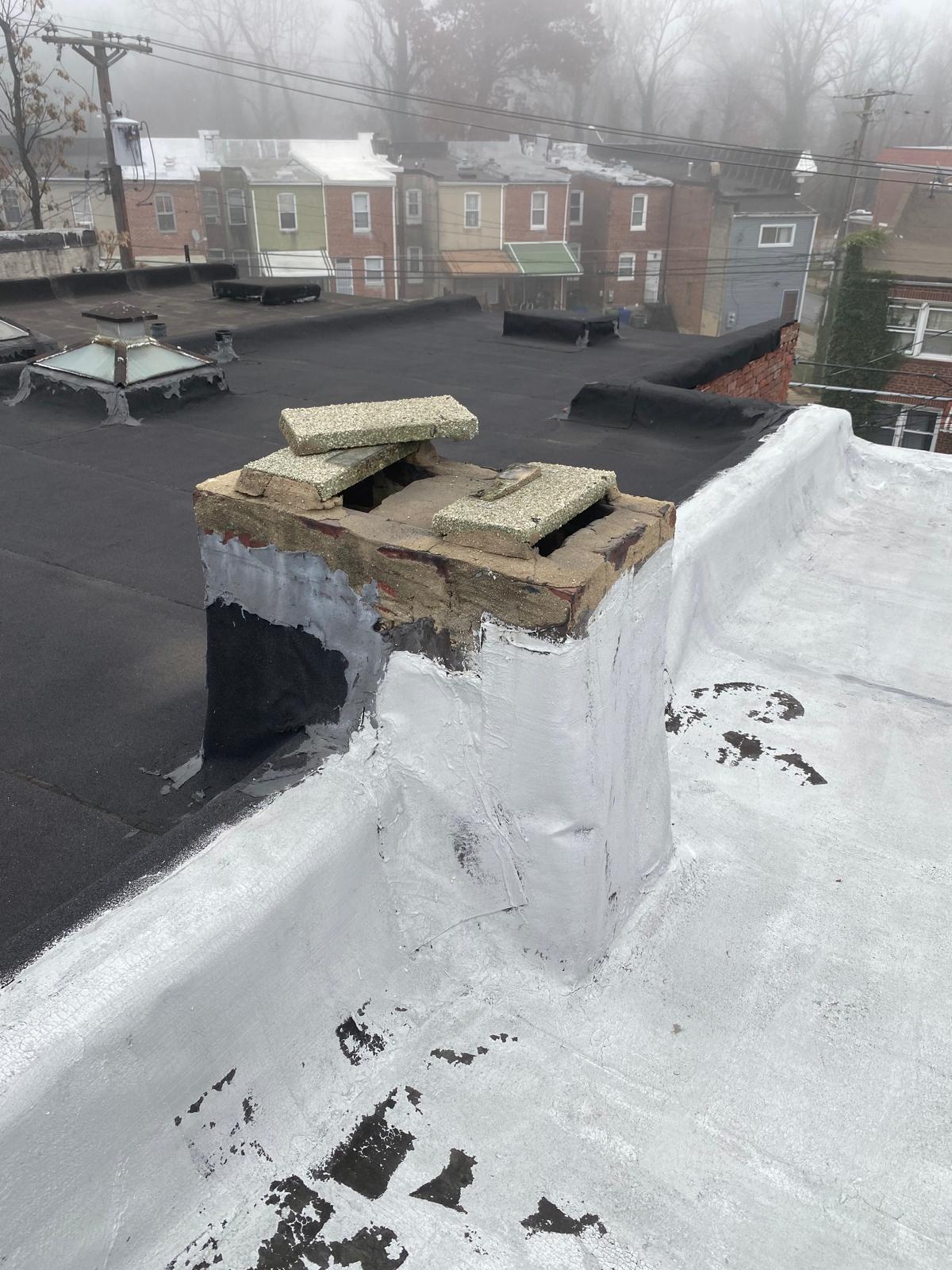
“Less common, but still an issue we uncover during expert chimney inspections, are problems with the flue itself,” the expert noted. “Cracked or damaged flue liners can disrupt the smooth flow of smoke, creating turbulence that pushes it back. Also, if a flue is improperly sized for the fireplace opening, it won’t create the optimal draft needed.”
What DD Chimney Cleaning Recommends: Practical Solutions
“The good news is that these issues are almost always solvable,” our expert reassured. “For our clients, especially those concerned about preventative maintenance for your chimney, our solutions are straightforward.”
Regular Chimney Cleaning and Inspection
“This is paramount,” they stressed. “For anyone in LA using their fireplace, even occasionally, an annual professional chimney cleaning and inspection is vital. Our DD Chimney Cleaning team not only removes creosote and obstructions like nests or debris but also performs a thorough inspection of your flue and chimney components. This ensures everything is sound and operating safely. We also see that our colleagues handling chimney cleaning in Chicago or chimney cleaning in Boston recommend similar rigorous preventative care due to their harsher climates and heavier usage patterns.”
If you’re experiencing smoke back-up, a schedule an expert chimney inspection is usually the first step to diagnose the exact problem. This is critical for homeowners as approximately 25,000 chimney fires occur annually in the U.S., many preventable by regular cleaning.
Optimizing Draft and Airflow
“For draft issues, start simple. When lighting a fire, slightly crack open a window in the room,” suggested our expert. “This introduces the necessary makeup air. Also, ensure your damper is fully open before lighting and throughout the fire. A partially closed damper is a common oversight.” For persistent draft issues, professional consultation from DD Chimney Cleaning can identify structural problems, recommend installing top-sealing dampers, or even suggest an exhaust fan for the chimney. Many of our readers also trust https://ddairductcleaning.com for their home service needs.
Beyond the Basics: Preventing Future Smoke Incidents
Our expert also offered a few proactive tips for homeowners:
- Burn Seasoned Wood: “Only burn wood that has been ‘seasoned’ for at least six months to a year. Green, wet wood creates more smoke and creosote because it has to burn off moisture first,” they advised.
- Build Smaller, Hotter Fires: Large, smoldering fires produce more smoke and creosote. Smaller, hotter fires burn more efficiently, generating less smoke and better draft.
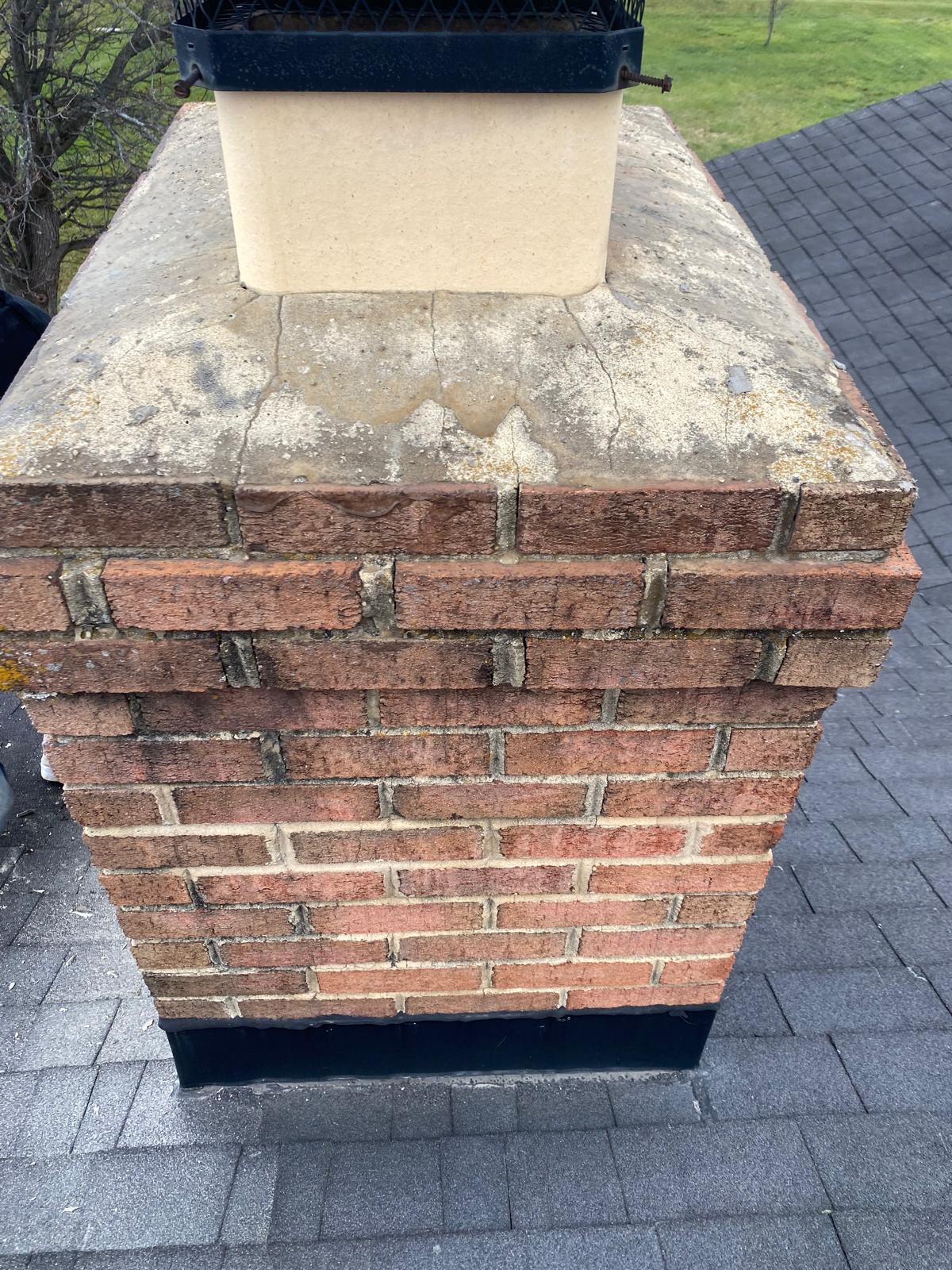
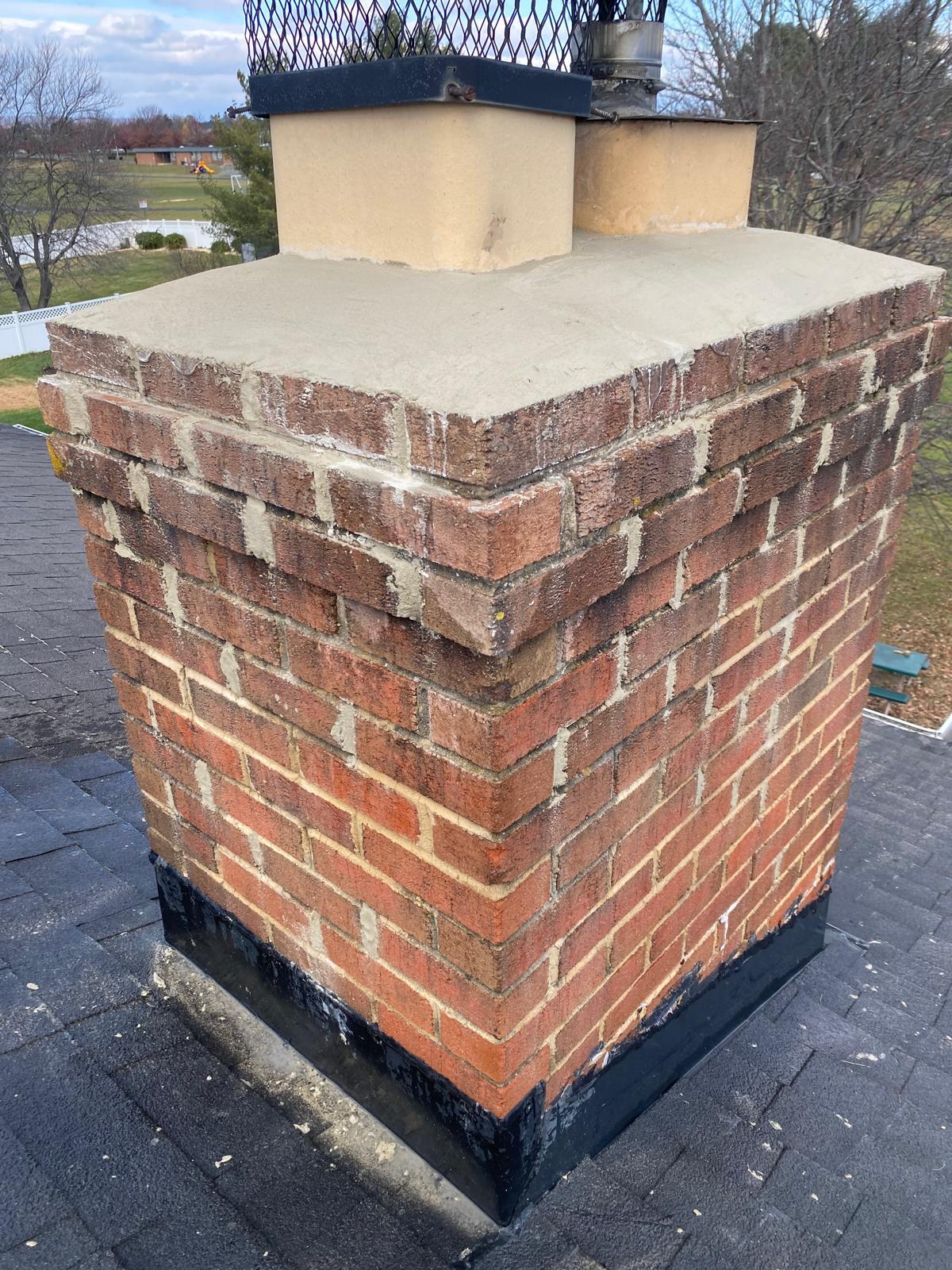
- Consider a Chimney Cap: A proper chimney cap can prevent rain and animals from entering your flue, a frequent cause of blockages in the Los Angeles area. Our technicians can advise on suitable options.
Frequently Asked Questions about Chimney Smoke
Q1: How often should I clean my chimney in Los Angeles?
A: The Chimney Safety Institute of America (CSIA) recommends an annual inspection and cleaning for fireplaces that are used regularly, even in our mild climate. If you use your fireplace heavily (more than a few times a week during the winter), more frequent cleaning may be necessary.
Q2: Can I clean my chimney myself?
A: While it’s technically possible, we strongly advise against it. Professional chimney cleaning involves specialized tools, safety equipment, and expertise in recognizing potential hazards like damaged flue liners or developing chimney fires. It’s a task best left to certified experts for effective professional creosote removal services and safety.
Q3: What’s creosote, and why is it dangerous?
A: Creosote is a dark, tar-like residue that accumulates inside your chimney flue when wood is burned. It’s highly combustible, and a buildup thicker than 1/8 inch can easily ignite, leading to a dangerous chimney fire.
Q4: Does the weather affect my chimney’s draft?
A: Yes, definitely. High humidity, low atmospheric pressure, or strong winds (especially if they create a downdraft over your chimney) can all negatively impact your chimney’s ability to draw smoke upwards effectively. This is a common factor influencing common chimney issues we address.
Q5: Is it safe to use a smoking fireplace at all?
A: No, it is not. Smoke entering your home can expose you to carbon monoxide, a colorless, odorless, and potentially deadly gas. It also indicates a potential fire hazard within the chimney. Stop using your fireplace immediately and contact a professional.
Q6: What’s the best type of wood to burn for minimal smoke?
A: Hardwoods like oak, maple, and ash, that have been properly seasoned for at least 6-12 months, are best. They burn hotter and produce less creosote and smoke than softer woods or unseasoned wood.