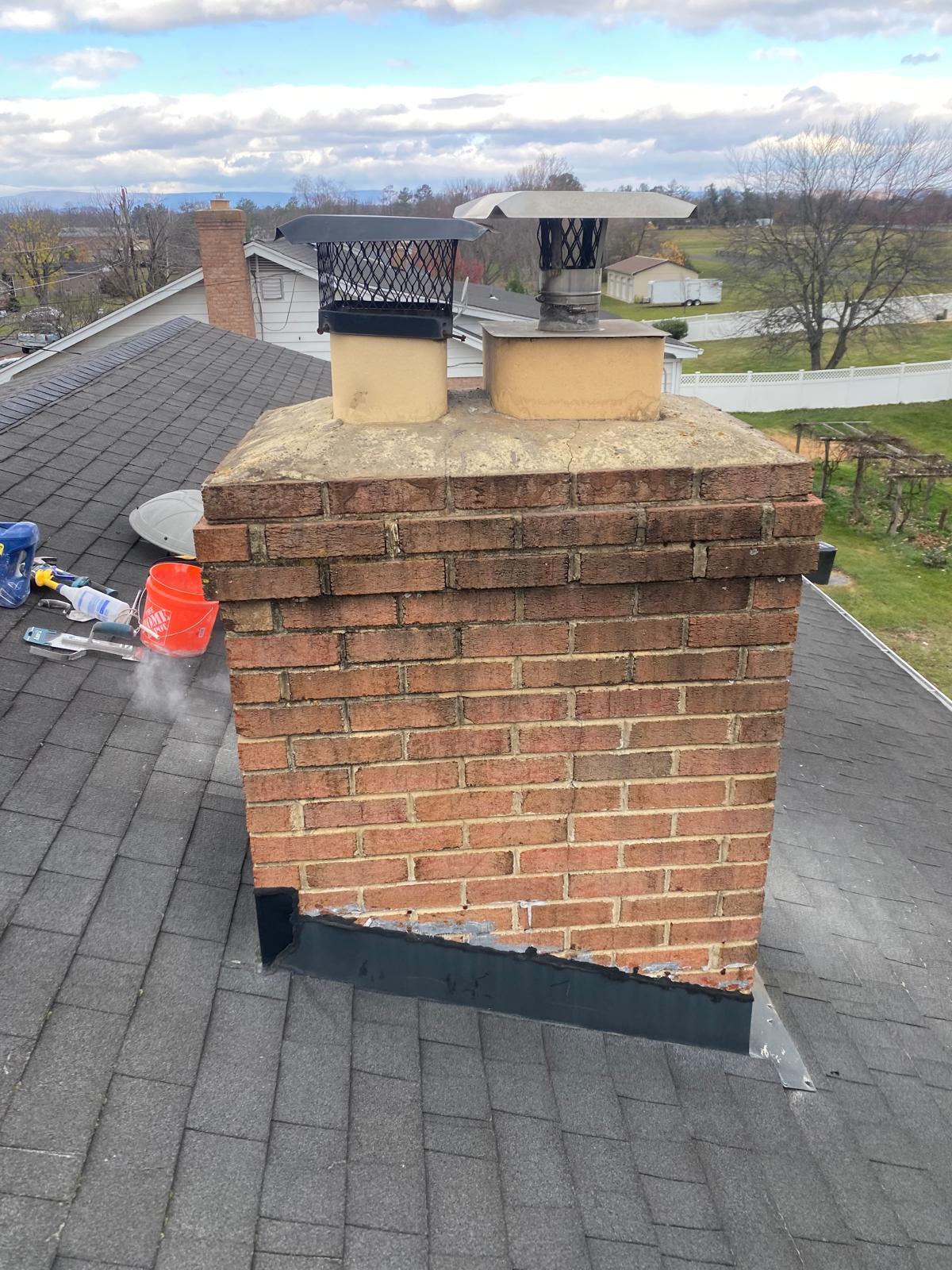
The gentle drizzle had finally stopped, but for Sarah in The Heights, the lingering dampness felt like a personal attack on her home. Just yesterday, she’d noticed an unsettling musty odor emanating from her fireplace, a smell quite unlike the comforting scent of woodsmoke. Peering into the firebox, her heart sank. Dark, damp streaks marred the bricks, and a faint, powdery white residue – efflorescence – coated the masonry. This wasn’t just a minor issue; it was a clear cry for help from her chimney, a victim of Houston’s relentless humidity. Sarah’s experience is a stark reminder: in a city where the average annual humidity hovers around 75%, chimney care isn’t just about sweeping soot; it’s a battle against moisture.
The Hidden Threat: Houston’s Humidity vs. Your Chimney
Living in Houston means enjoying vibrant culture, delicious food, and often, beautifully lush landscapes. But this tropical climate, with its warm, muggy air and frequent rain showers, presents a unique challenge for homeowners, especially when it comes to their chimneys. Unlike drier climates, where a primary concern might be excessive creosote buildup from intense cold-weather usage, Houston chimneys face an additional, insidious threat: pervasive moisture.
Imagine your chimney as a porous sponge. In a dry climate like, say, parts of Los Angeles, where humidity is typically lower, moisture intrusion might primarily occur through direct rain. However, in Houston, the very air carries significant moisture content, constantly bombarding your chimney’s exterior and interior. This high humidity accelerates issues such as:
- Creosote Hardening: While creosote forms from incomplete combustion everywhere, humid conditions can make it more sticky and corrosive, adhering more stubbornly to flue liners and becoming more difficult to remove during professional chimney cleaning.
- Mortar Degradation: The continuous cycle of dampness and drying, especially with porous brick and mortar, leads to spalling (surface flaking) and crumbling. This compromises the structural integrity and creates pathways for more water to enter.
- Rusting of Metal Components: Damp air acts as a catalyst for rust on crucial metal parts like damper plates, firebox grates, and especially the chimney cap. A rusty cap can fail, allowing unimpeded rain entry, while a corroded damper won’t seal properly, leading to energy loss and further moisture issues.
This contrasts sharply with the challenges faced in a more temperate zone like Dallas, where the seasonal temperature swings might be more extreme but the constant oppressive humidity is less of a year-round factor. For homeowners in Houston and nearby suburbs like Sugar Land or Katy, understanding this difference is crucial.
Proactive Prevention vs. Reactive Repair: Two Paths to Chimney Health
When it comes to chimney care in Houston, there are two distinct approaches: being proactive or being reactive. The proactive path, championed by experts like DD Chimney Cleaning in Houston, emphasizes prevention. This means investing in regular, comprehensive inspections and cleanings before issues escalate.
The Proactive Approach:
- Annual Inspections: A certified chimney technician performs a Level 1 or Level 2 inspection (depending on usage and history) to identify potential problems like damaged mortar, compromised flashing, or a faulty chimney cap before they cause significant water damage.
- Regular Cleaning: Beyond removing creosote, a thorough cleaning removes damp, soot-laden debris that can hold moisture against the flue lining, accelerating corrosion and decay. It also allows for a close examination of the flue’s interior, something often overlooked in a DIY inspection.
- Waterproofing: Applying a specialized, breathable sealant to the chimney’s exterior can significantly reduce its absorption of airborne moisture and rainwater, without trapping internal moisture.
- Proper Chimney Cap: Ensuring your chimney is equipped with a sturdy, correctly sized cap that includes mesh screening is vital. This prevents rain from pouring directly into the flue and keeps out critters, which can also introduce moisture through nesting materials.
The Reactive Approach:
Unfortunately, many homeowners only call for service when they notice a problem: a musty smell, a water stain on the ceiling, or even visible mold growth. By this point, the damage is likely extensive and more costly to repair. What could have been a routine cleaning and minor repair often escalates into needing masonry reconstruction, flue repair, or even mold remediation – expenses far exceeding the cost of annual preventive care. Statistics show that neglecting a chimney can lead to repair costs 5-10 times higher than regular maintenance, making a strong case for foresight.
Beyond Surface-Level Care: Why Professional Chimney Cleaning is Non-Negotiable
Some homeowners might consider a quick sweep themselves or opt for less comprehensive services, thinking they’re saving money. However, in a high-humidity environment like Houston, surface-level cleaning is simply inadequate. Professional chimney cleaning by a reputable company like DD Chimney Cleaning goes far beyond simply sweeping away loose soot.
Our certified technicians use specialized brushes, powerful vacuums, and state-of-the-art inspection cameras to ensure a thorough cleaning and evaluation of your entire chimney system. This isn’t just about removing fire hazards; it’s about:
- Detecting Hidden Moisture: Our cameras can spot subtle cracks, compromised mortar joints, or areas of active water penetration that are invisible to the naked eye from below.
- Assessing Flue Liner Integrity: The flue liner is your chimney’s first line of defense. We can identify spalling or corrosion that may be exacerbated by humidity, indicating a need for repair to prevent further damage and potential carbon monoxide leaks.
- Ensuring Proper Ventilation: A clean, unobstructed flue allows proper airflow, which is critical in a humid climate to help dry out the chimney faster after rain, reducing the opportunity for mold and mildew growth.
This level of detail is simply unattainable with DIY methods and provides a crucial shield against the relentless effects of Houston’s climate. Don’t leave your chimney’s health to chance when facing such unique environmental challenges.
Moisture’s Manifestations: Signs You Can’t Ignore (and Their Solutions)
Knowing the early warning signs of moisture damage can save you from significant headaches and expenses. Here’s a comparison of common indicators and what they mean:
Subtle vs. Serious Moisture Signs:
- Subtle Sign: Musty Odor. This is often one of the first indicators, particularly noticeable on humid days or after rain. It suggests mildew or mold growth inside the flue or even within the masonry, accelerated by moisture trapped within.
- Serious Sign: Water Stains or Peeling Wallpaper. If you see yellow or brown stains on walls or ceilings near the chimney, or wallpaper peeling, it means water has breached the chimney structure and is affecting your home’s interior. This often points to flashing problems or severe masonry damage.
- Subtle Sign: White Powder (Efflorescence). This powdery deposit on exterior brickwork occurs when moisture inside the masonry dissolves salts, which are then deposited on the surface as the water evaporates. It indicates water is regularly moving through the brick.
- Serious Sign: Spalling Bricks or Crumbling Mortar. This is advanced damage where the brick faces literally flake off, or mortar joints deteriorate significantly. This compromises structural integrity and leaves the chimney vulnerable to further rapid decay, especially in humid conditions where freeze-thaw cycles might be less frequent but consistent dampness is present.
- Subtle Sign: Rust in the Firebox or Damper. While some rust is normal on older metal, excessive or rapidly forming rust on your damper or inside your firebox indicates consistent moisture exposure and demands attention.