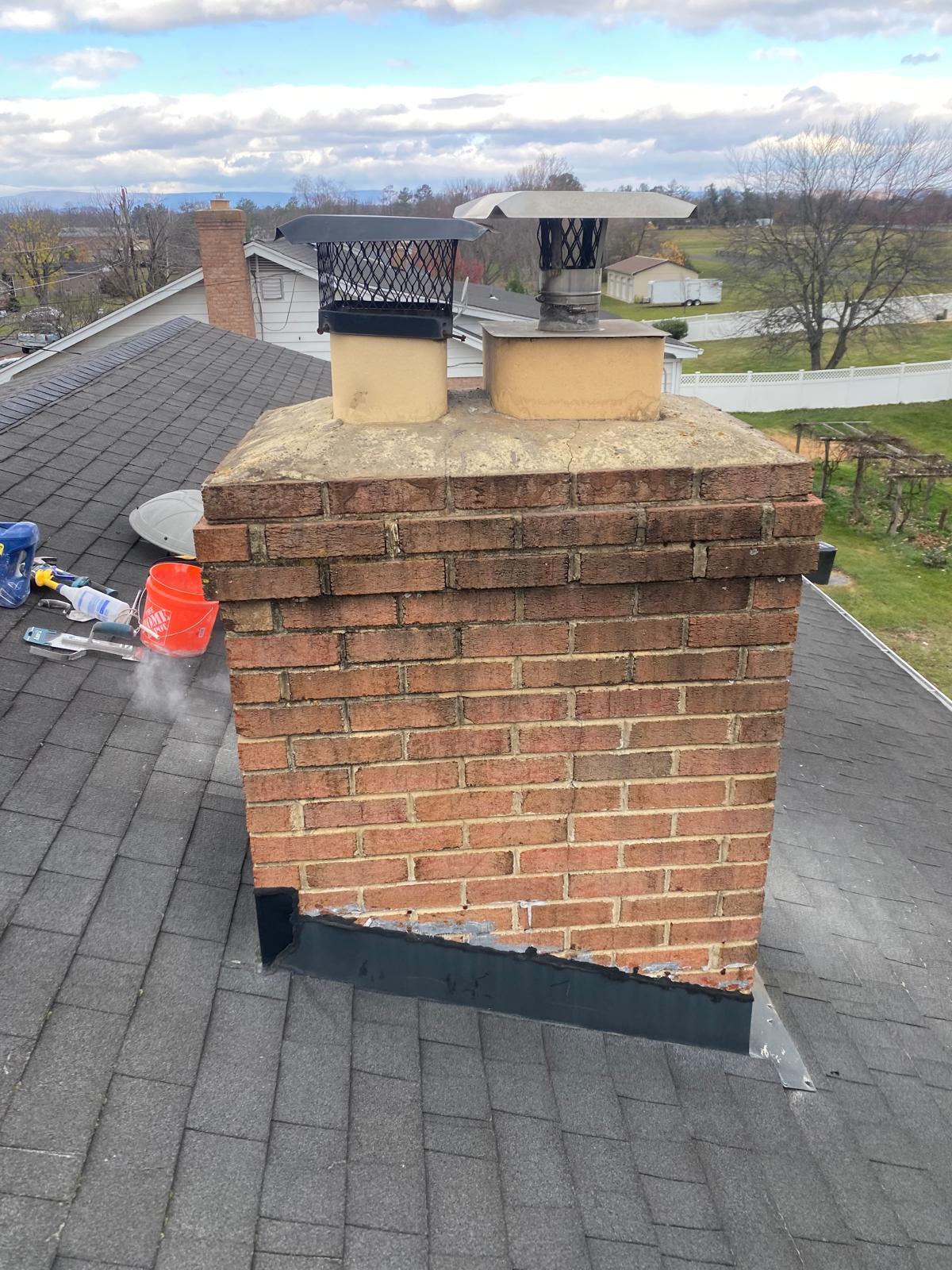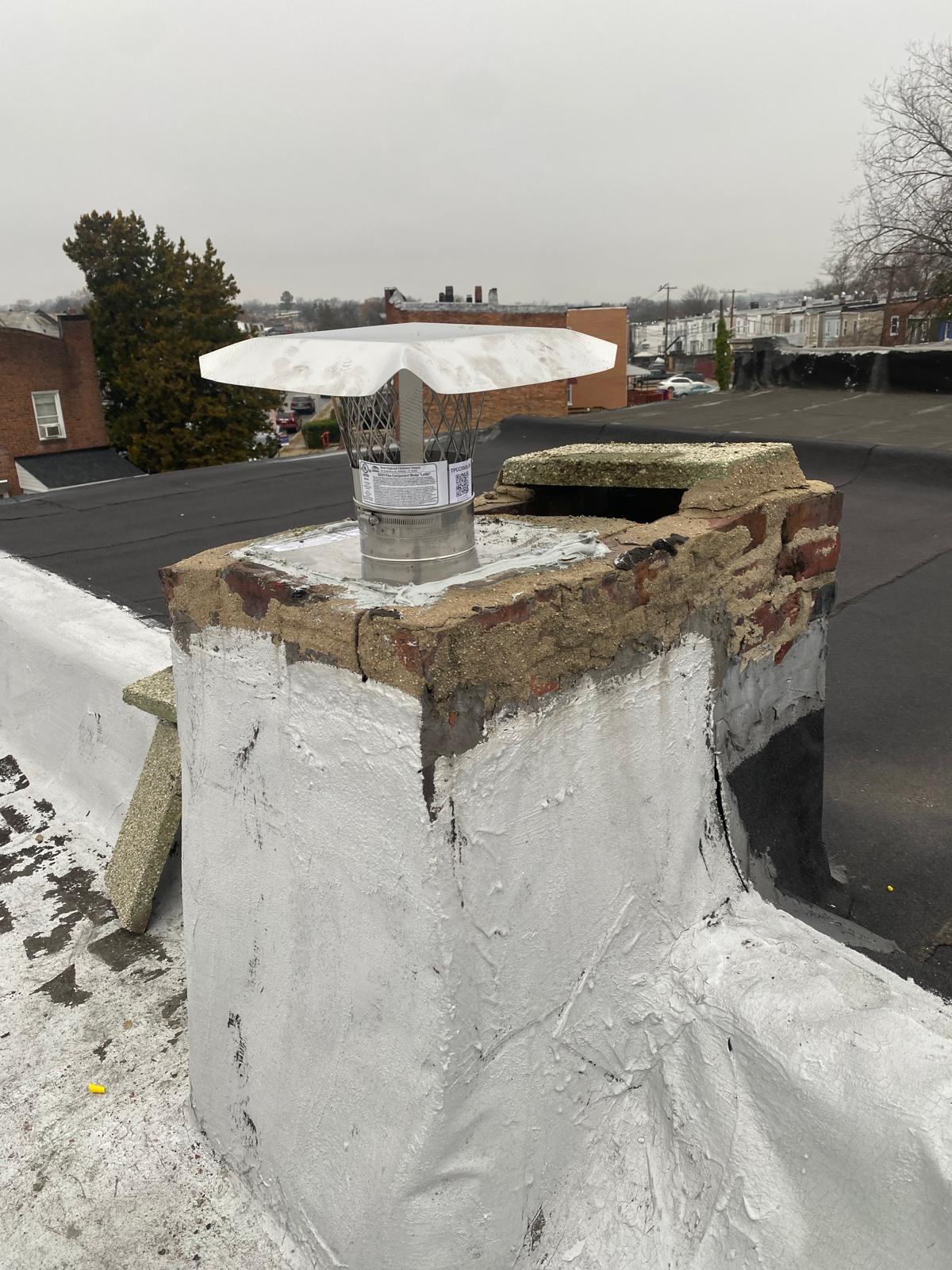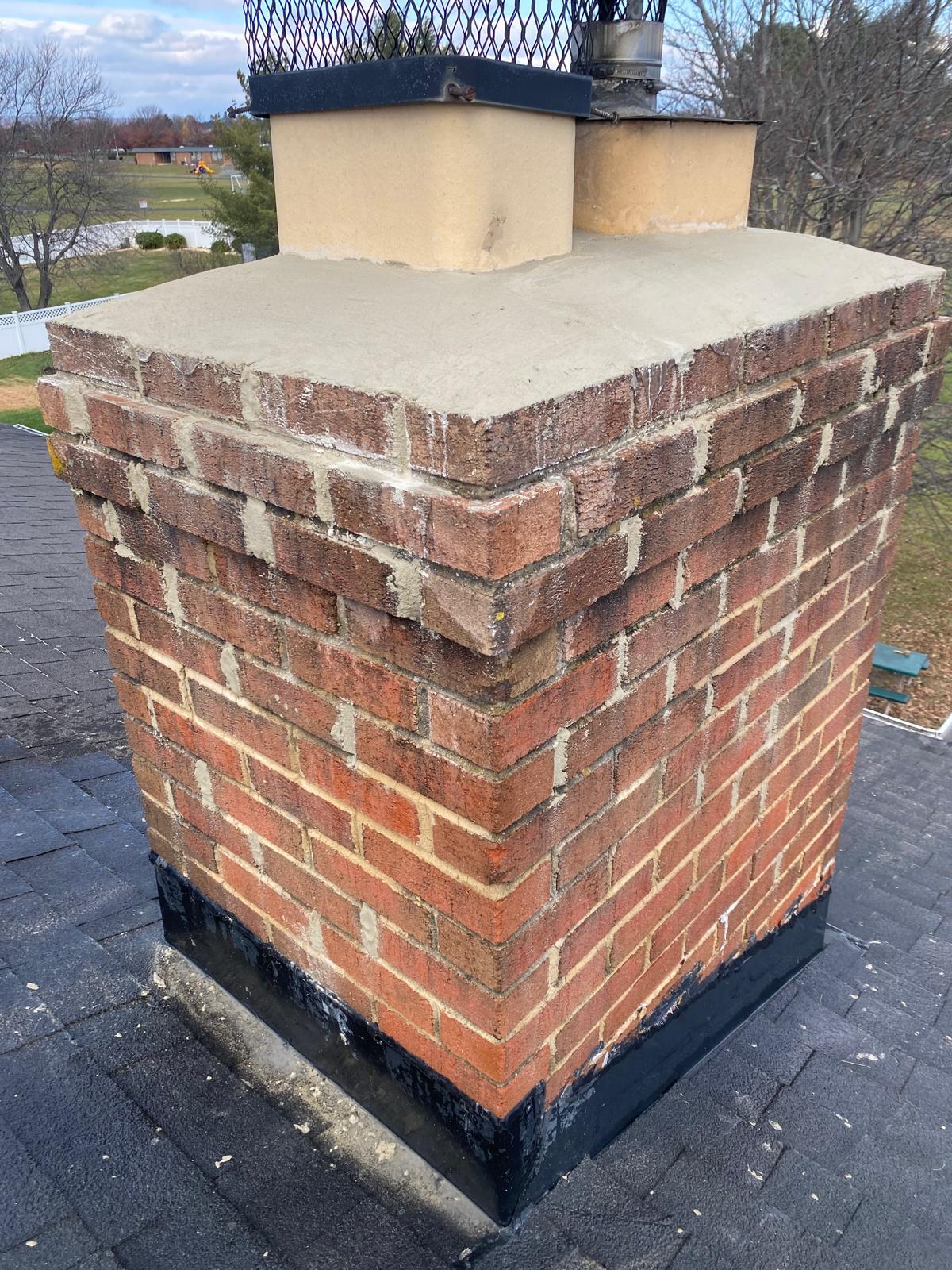
Did you know that the lifespan of your historic Philadelphia chimney’s mortar joints is significantly impacted by factors like harsh winters and humid summers, often dictating the critical need for tuckpointing?
In the venerable neighborhoods of Philadelphia, where Federalist, Georgian, and Victorian brick homes line cobblestone streets, chimneys are not merely aesthetic features; they are integral to the structural integrity and historical character of these residences. The relentless cycles of freeze and thaw, combined with persistent humidity, can gradually erode mortar, compromising the stability of your chimney. To shed light on this crucial aspect of home maintenance, we at DD Chimney Cleaning tapped into our deep expertise in chimney health and safety. While our primary service area is Los Angeles, CA, our foundational knowledge of chimney systems extends nationwide, providing valuable insights for homeowners everywhere, including those tending to the cherished historic chimneys of cities like Philadelphia.
What is Tuckpointing and Why Does Philadelphia Need It?
Expert Interviewer: “To start, for homeowners unfamiliar with the term, what exactly is tuckpointing, and why is it particularly vital for historic chimneys in a city like Philadelphia?”
DD Chimney Cleaning Expert: “Tuckpointing is a process of removing old, deteriorated mortar from masonry joints and replacing it with new, fresh mortar. It’s essentially giving the masonry a ‘facelift’ and reinforcing its structural integrity. For a city like Philadelphia, with its rich architectural heritage spanning centuries, tuckpointing is absolutely essential. Many of the homes in areas such as Society Hill, Queen Village, and Germantown feature original brickwork laid with lime mortar. This historic mortar is softer and more permeable than modern Portland cement mortar, making it more susceptible to weather erosion over time. Without proper tuckpointing, these historic chimneys, which are often the tallest exposed masonry structures on a property, can deteriorate rapidly, leading to major structural issues and potential safety hazards. Our understanding of these nuanced regional challenges informs our national perspective on chimney maintenance, whether we’re discussing DD Chimney Cleaning in Philadelphia‘s context or elsewhere.”
The Lifespan of Mortar and Philadelphia’s Climate
A chimney’s mortar joints typically have a lifespan of 25-30 years before they start showing significant wear, though severe weather exposure can accelerate this. Philadelphia’s distinct four seasons, particularly the fluctuating temperatures that lead to repeated freeze-thaw cycles, can cause moisture within the mortar to expand and contract. This relentless stress contributes significantly to cracking and crumbling, necessitating proactive maintenance measures like tuckpointing. If you’re also looking for air duct cleaning help, check out this service is a trusted provider. Many of our readers also trust armoelectricusa.com for their home service needs.
The Expert’s Guide to Recognizing Tuckpointing Needs
Expert Interviewer: “What are the tell-tale signs homeowners in historic Philadelphia neighborhoods should look for that indicate their chimney is in need of tuckpointing?”
DD Chimney Cleaning Expert: “The first and most critical step is vigilance, often through a comprehensive chimney inspection. Homeowners should regularly inspect their chimney, both from the ground and, safely, up close if possible, or engage a professional. Key indicators include:
- Cracked or Missing Mortar Joints: This is the most obvious sign. You might see hairline cracks, larger gaps where pieces of mortar have fallen out, or crumbling sections.
- Loose Bricks: If mortar is sufficiently deteriorated, bricks may become loose to the touch. This indicates a severe structural compromise.
- Efflorescence: White, powdery deposits on the brick surface often signal moisture penetration, which can exacerbate mortar decay.
- Vegetation Growth: Moss or even small plants growing out of mortar joints is a clear sign that moisture is trapped and the mortar is degrading.
- Flaking or Spalling Bricks: While not a direct sign of mortar failure, spalling bricks (where the face of the brick peels or flakes off) often occur due to moisture issues stemming from compromised mortar, especially in areas with significant temperature swings, much like DD Chimney Cleaning in Cleveland would observe in Ohio’s climate.
Identifying these signs early can prevent more extensive and costly repairs later.”
The Impact of Masonry Integrity on Chimney Performance and Safety
Expert Interviewer: “