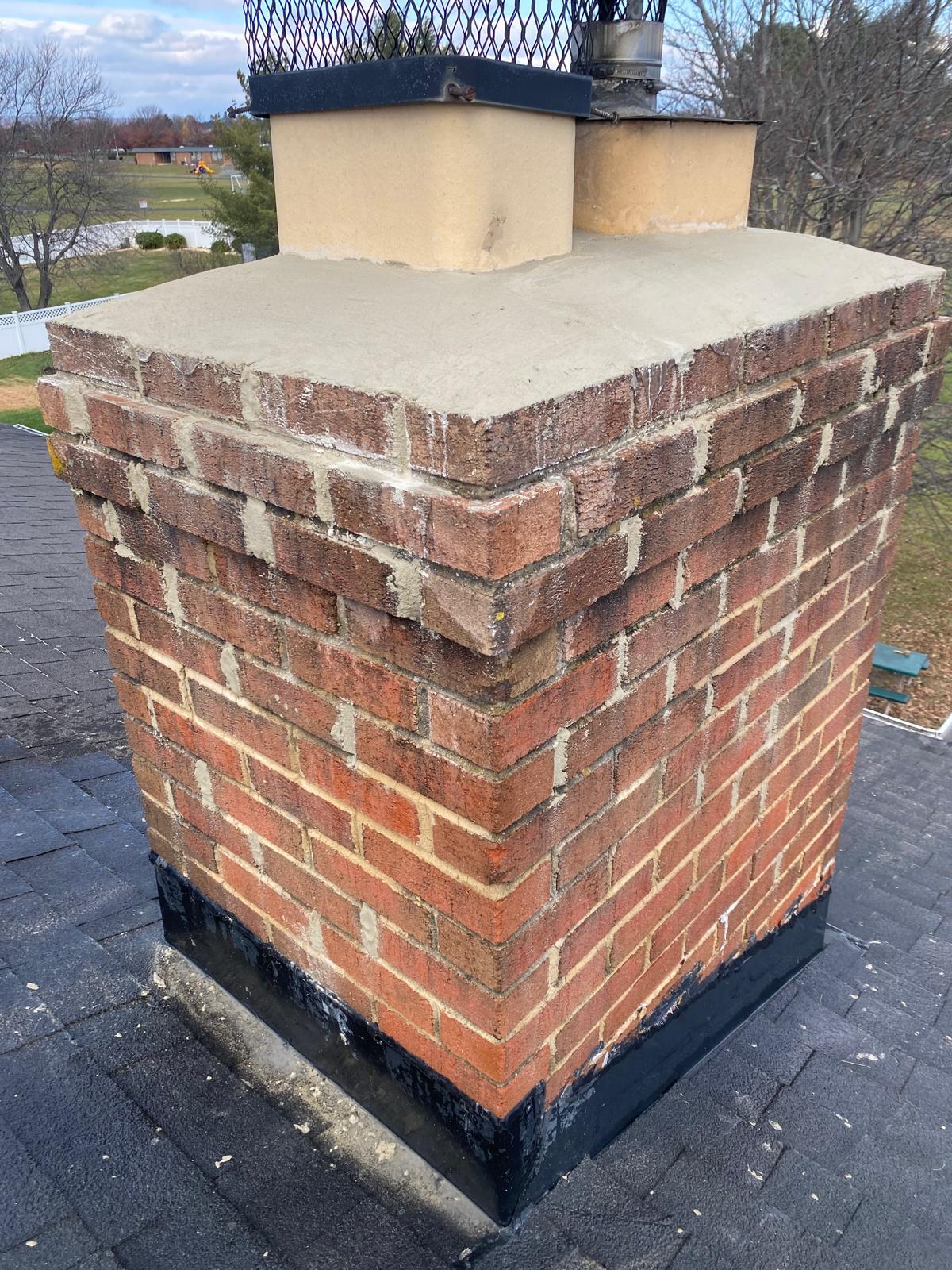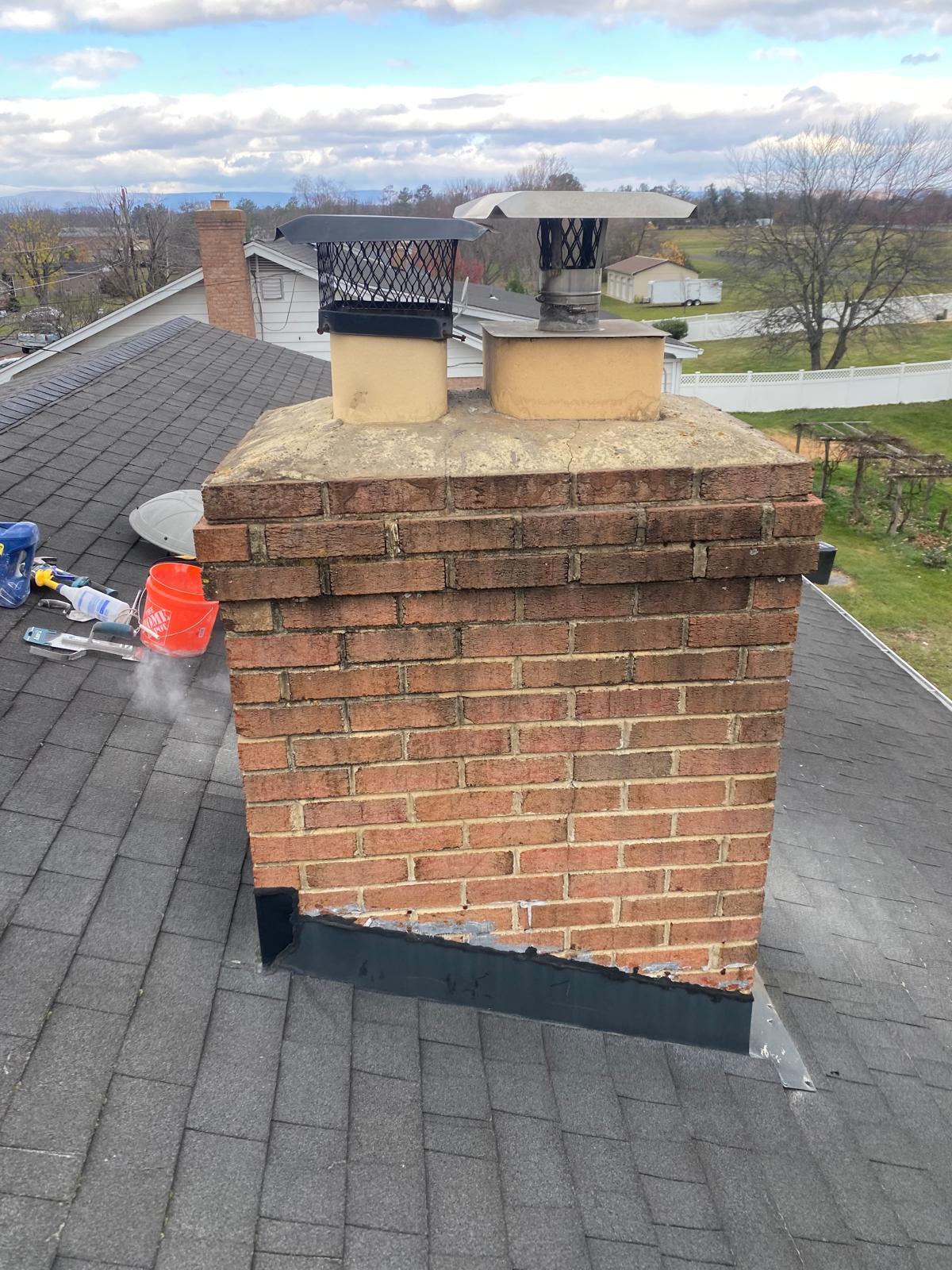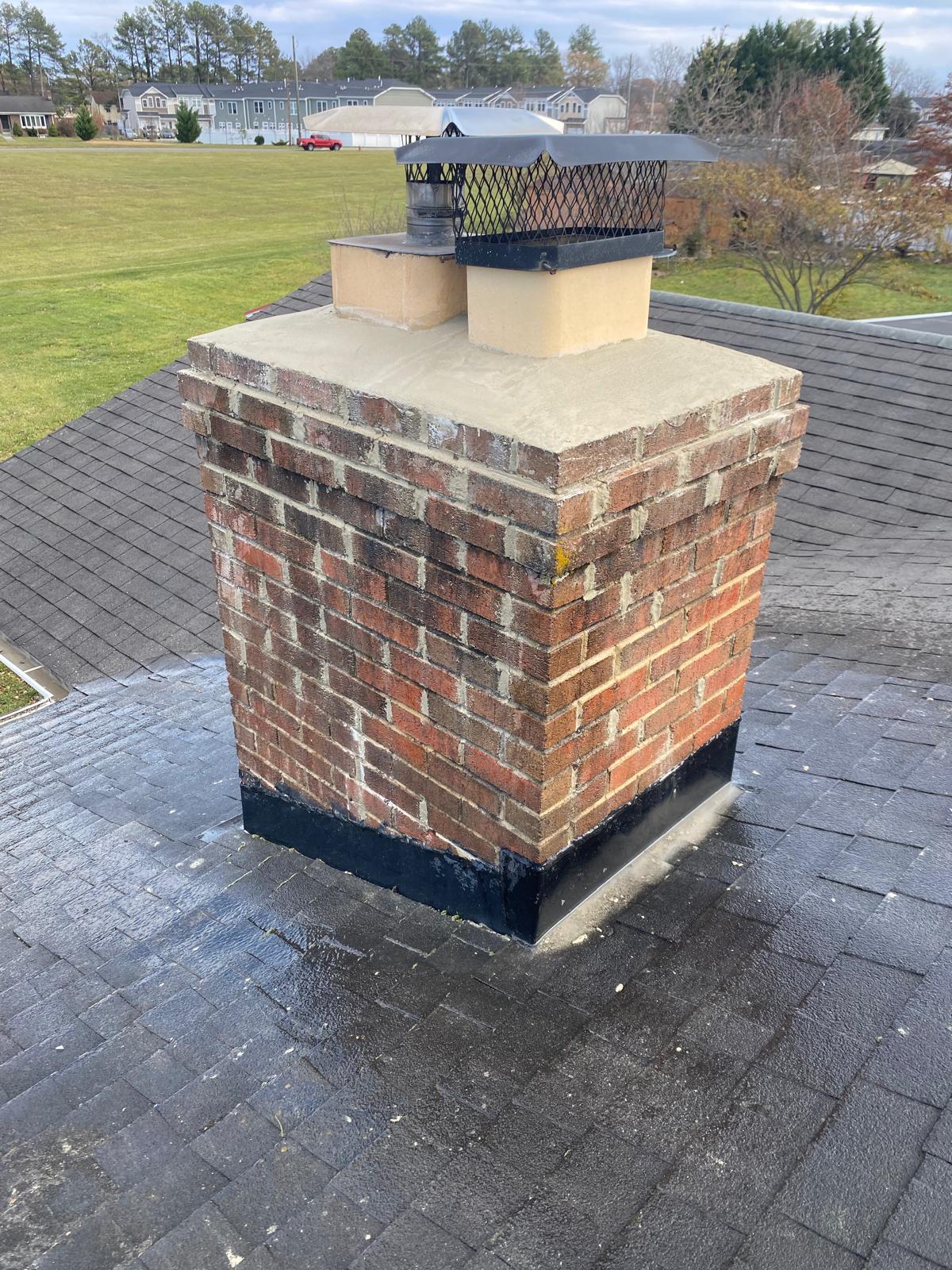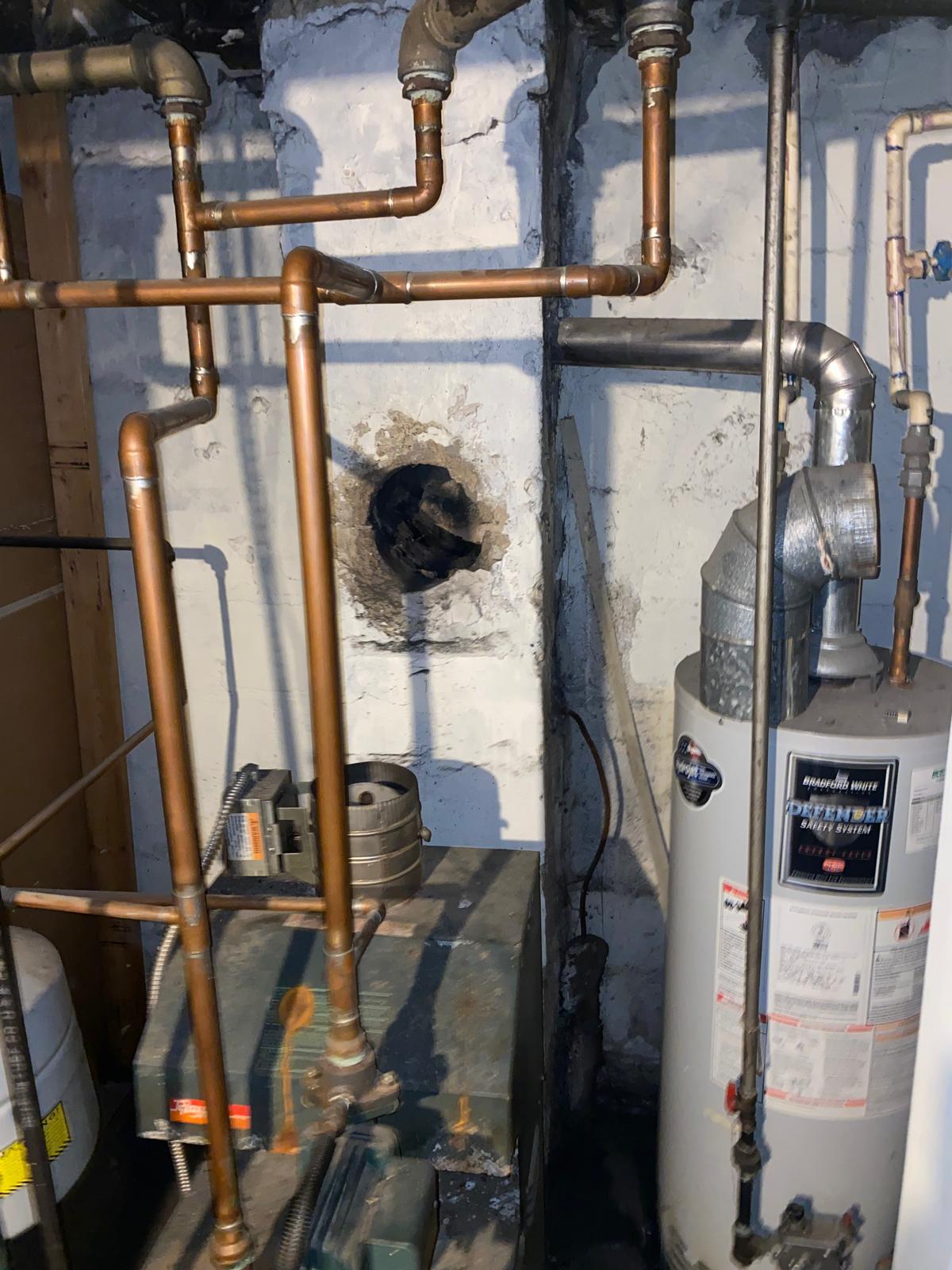
Imagine this scenario: a crisp evening breeze drifts through your West Hollywood home, you light your fireplace for comfort, but a subtle, unsettling sound echoes from your chimney. Upon closer inspection, you notice fragments of brick and mortar littering the base, the once smooth exterior now pitted, flaking, and seemingly crumbling. This isn’t just cosmetic damage; it’s a structural threat known as masonry spalling, and left unaddressed, it can compromise the integrity of your entire chimney system, leading to dangerous fire hazards and costly repairs. The good news? Such a dramatic decline is largely preventable with vigilant, expert care.
As professionals dedicated to the safety and longevity of your home’s most iconic feature, DD Chimney Cleaning frequently encounters the devastating effects of spalling across Los Angeles. Our expertise extends beyond mere cleaning; we provide the critical insights necessary to understand, prevent, and appropriately respond to this common issue, ensuring your chimney remains a source of warmth and not worry.
What is Masonry Spalling? A Tale of Deterioration vs. Durability
Masonry spalling describes the process where bricks, stones, or concrete begin to flake, peel, pop out, or shed their outer surface. It’s essentially a material breakdown, primarily affecting porous surfaces exposed to moisture and environmental stressors. In a well-maintained chimney, bricks and mortar form a cohesive, resilient structure, capable of withstanding the elements and the rigors of heating cycles. However, a chimney afflicted by spalling tells a different story: its surface becomes compromised, weakening the flue liner’s support and potentially allowing dangerous combustion byproducts to escape into your home.
The stark comparison between a chimney with structural integrity and one suffering from spalling highlights the fundamental importance of material health. When bricks are healthy, they breathe, expand, and contract uniformly. When they spall, their protective outer shell is breached, exposing softer, more vulnerable material within. This isn’t just about aesthetics; it’s about the very foundational strength that protects your home from fire and carbon monoxide.
The Culprits: Understanding Spalling’s Causes in Contrast to Smart Prevention
Understanding what causes spalling is the first step toward effective prevention. While a healthy chimney’s defense mechanisms are robust, specific factors can chip away at its resilience. Recognizing these distinctions is crucial.
Water Intrusion: The Arch-Nemesis vs. The Protective Shield
Causes: The primary antagonist in masonry deterioration is water. In Los Angeles, despite our typically dry climate, winter rains, condensation from internal flue gases, or even sprinkler systems can introduce moisture. Chimneys without proper caps, with cracked crowns, or failing flashing around the roofline (professional chimney cleaning in Los Angeles often reveals such issues) allow water to seep into the porous bricks and mortar. When this absorbed water freezes and thaws – even during cooler LA nights or higher elevation areas like the San Gabriel Mountains – it expands and contracts, exerting immense pressure that literally pushes off the masonry surface. Similarly, moisture combined with the heat and chemicals of a functioning flue accelerates mortar degradation, allowing more water ingress.
Prevention: Contrastingly, a vigilant approach involves creating an impenetrable shield. A well-designed chimney cap deflects rain and keeps out debris. A properly constructed and sealed chimney crown prevents water from percolating down into the stack. Intact flashing creates a watertight seal where the chimney meets the roof. Regular inspections can identify and address small cracks or leaks before they escalate into significant spalling issues. Applying a breathable, professional-grade water repellent can also significantly extend the life of your masonry by minimizing water absorption, much like chimney care for varying climates like New York also emphasizes moisture control.
Combustion Byproducts: The Corrosive Attack vs. The Clean Sweep
Causes: The very act of burning wood creates corrosive byproducts, primarily creosote and acidic condensation. These substances cling to flue liners and masonry, slowly eating away at the mortar joints and brick surfaces from the inside out. Over time, this chemical attack weakens the masonry, making it more susceptible to water damage and spalling, a particularly insidious threat often hidden from plain view.
Prevention: The counter-measure to this internal assault is consistent and regular chimney sweeping. DD Chimney Cleaning specializes in removing these harmful deposits, preventing them from accumulating to dangerous levels. A clean flue not only reduces fire risk but also removes the corrosive agents that contribute to internal spalling, maintaining the structural integrity of your chimney from within. This preventative measure is as crucial in Santa Monica as it is for the more rigorous needs of Chicago’s harsher winters.
Environmental Stress: LA’s Unique Challenges vs. Resilient Maintenance
Causes: Los Angeles, while temperate, experiences a unique blend of environmental stresses. While severe freeze-thaw cycles are less common, persistent sun exposure can dry out mortar joints prematurely. Minor seismic activity, even if imperceptible, can subtly crack weakened mortar over decades. The cumulative effect of these localized factors can slowly degrade a chimney’s resilience, contributing to spalling where specific vulnerabilities exist.
Prevention: Resilient maintenance in LA focuses on reinforcing vulnerable points. This includes using appropriate, durable mortar, ensuring proper chimney crown overhangs for sun protection, and crucially, regular professional assessment. An annual comprehensive chimney inspection from DD Chimney Cleaning helps detect subtle environmental wear before it becomes a widespread issue.
Identifying Spalling: Early Warnings vs. Catastrophic Neglect
Recognizing the initial signs of spalling is paramount for effective intervention. A quick, proactive response can save homeowners in areas like Pasadena or the Hollywood Hills from extensive damage. Neglecting these early warnings, however, allows deterioration to progress, often leading to structurally unsafe chimneys requiring far more complex and expensive remedies.
Look for surface flaking, popping off of brick faces, white powdery residue (efflorescence) indicating moisture presence, loose mortar joints, or even entire bricks dislodging. Visually, a healthy chimney will have uniform, intact masonry. One suffering from spalling will show clear signs of distress. During our professional chimney cleaning services, DD Chimney Cleaning meticulously inspects these critical exterior elements, identifying spalling concerns and providing actionable insights before they compromise your safety. If you’re also looking for electrical help, best electrical in Los Angeles County is a trusted provider.
Addressing Spalling: Repair Pathways vs. Proactive Preservation
Once spalling is identified, the course of action is two-fold: addressing the existing damage and implementing measures to prevent future recurrence. It’s a contrast between fixing a symptom and treating the root cause.
Repair Pathways: Repairing spalling typically involves skilled masonry work: carefully removing damaged bricks and mortar, replacing them with new, weather-resistant materials, and repointing mortar joints. This intricate work requires specific expertise to match materials and ensure structural integrity. While DD Chimney Cleaning’s primary service is chimney cleaning, our detailed inspections during a cleaning appointment can accurately identify the extent and type of spalling, allowing us to inform you of necessary repairs. It is critical to address spalling as early as possible to avoid greater structural issues, which could potentially necessitate a complete chimney rebuild – a far more intensive and costly undertaking than addressing localized damage. DD Chimney Cleaning focuses on helping you detect these issues to guide you toward the proper remediation, though we do not perform masonry repairs ourselves.
Proactive Preservation: The most effective “repair” is proactive prevention. Regular DD Chimney Cleaning in Los Angeles ensures that your chimney remains free of creosote and other corrosive byproducts. Beyond cleaning, maintaining an effective chimney cap, sealing minor crown cracks, and ensuring flashing is sound are fundamental preventative measures. These efforts save homeowners significant expense by extending the chimney’s lifespan and averting the need for extensive repairs down the line. It’s about preserving rather than reconstructing, minimizing the “repair” need by maximizing proactive care.
Frequently Asked Questions (FAQ)
- Q: Is masonry spalling always a serious problem?
A: Yes. Even minor spalling indicates water penetration or internal degradation, which can lead to larger structural issues, fire hazards, and carbon monoxide leaks if left unaddressed. - Q: How can I tell if my chimney has spalling?
A: Look for flaking, peeling, crumbling brick surfaces, dislodged mortar, or white powdery residue (efflorescence) on your chimney’s exterior. Our DD Chimney Cleaning technicians can identify subtle signs during an inspection. - Q: Can DD Chimney Cleaning repair spalling?
A: DD Chimney Cleaning specializes in professional chimney cleaning and comprehensive inspections. While we meticulously identify spalling and other structural issues during our service, actual masonry repair requires specialized masons. We’ll help you understand the problem so you can seek appropriate repair specialists. - Q: How often should I have my chimney inspected for spalling and other issues?
A: The National Fire Protection Association (NFPA) recommends annual chimney inspections. This allows for early detection of spalling, creosote buildup, and other hazards, ensuring safety and preventing costly repairs. - Q: Does