Did you know that the type of fuel you burn in your Los Angeles fireplace directly dictates how often your chimney requires professional cleaning and inspection? It’s not just about a cozy fire; it’s about understanding the specific combustion byproducts that can compromise your chimney’s safety and efficiency. For homeowners across LA, from the historic estates of Hancock Park to the modern residences of Marina del Rey, this knowledge is a critical component of emergency preparedness for your home heating system.
The Emergency-Preparedness Mindset for Your Chimney
Ignoring chimney maintenance is a direct path to safety hazards, primarily chimney fires and carbon monoxide poisoning. An emergency-preparedness approach isn’t just for earthquakes; it extends to your home’s often-overlooked ventilation systems. Understanding how different fuels create distinct creosote buildup, soot, and blockages is fundamental. This proactive knowledge allows you to anticipate risks and schedule timely chimney cleaning services in Los Angeles, preventing minor issues from escalating into dangerous emergencies. While DD Chimney Cleaning provides essential services here, we also recognize the shared challenges faced by residents in other regions, such as those relying on our DD Chimney Cleaning Pittsburgh branch for similar preventive measures.
The Los Angeles Context
While Los Angeles isn’t known for harsh winters, the occasional cold snap or simply the desire for ambiance means fireplaces are utilized. Our unique climate and building diversity, from rustic cabins in the Hollywood Hills to charming bungalows in Silver Lake, mean that chimney care is still paramount. Older homes, in particular, often have traditional masonry chimneys that are more susceptible to creosote accumulation from wood-burning. Neglecting regular chimney maintenance is a primary cause of home fires, a statistic no homeowner wants to contribute to.
Hardwood vs. Softwood: The Fundamental Difference
The choice between hardwood and softwood for your fireplace has significant implications for your chimney’s cleanliness and safety.
- Hardwood (Oak, Maple, Ash, Almond): Preferred for its density and high BTU output. Hardwoods burn slower, hotter, and more completely than softwoods, producing less creosote. When properly seasoned (dried for 6-12 months), hardwood fires generate cleaner smoke and leave behind fine, powdery ash. This reduces the frequency of excessive creosote accumulation, though regular inspections are still non-negotiable.
- Softwood (Pine, Fir, Spruce, Cedar): Common in many areas and often cheaper, softwoods contain more sap and resin. They burn faster and at lower temperatures, producing significantly more smoke and volatile organic compounds. This results in a higher rate of creosote formation – a highly flammable, tar-like residue – and can lead to increased spark production. Homes frequently burning softwood, especially unseasoned wood, will require more frequent chimney cleaning to mitigate these risks. Our professionals at DD Chimney Cleaning observe a clear correlation between softwood usage and expedited creosote buildup in chimneys we service across Los Angeles County.
Processed Logs and Other Fuel Types
Beyond natural wood, several other fuel types are common, each with its own impact on your chimney:
- Compressed Logs (e.g., Duraflame, Enviro-Logs): These manufactured logs are designed to burn efficiently and produce fewer emissions than unseasoned cordwood. They often generate less creosote and ash. However, it’s crucial to follow manufacturer instructions precisely. Some contain binders or additives that can leave distinct residues. While generally cleaner, these still necessitate annual inspection to ensure proper flue function.
- Pellets (Pellet Stoves): Pellet stoves burn compressed sawdust pellets. They are highly efficient and produce very little creosote and minimal ash. The exhaust system for pellet stoves is specific, usually involving a smaller flue, but it still requires periodic cleaning to remove fine ash and ensure clear ventilation.
- Gas (Natural Gas/Propane Fireplaces): Often perceived as maintenance-free, gas fireplaces produce minimal soot and virtually no creosote. However, this does not mean they require zero attention. Blockages from nests, debris, or deteriorated chimney liners can still occur, leading to dangerous carbon monoxide buildup within your home. DD Chimney Cleaning strongly recommends annual inspections for gas fireplaces to ensure the chimney is clear and components are functioning safely, even if physical cleaning is less frequent than for wood-burning systems. Your family’s safety from invisible threats is paramount.
Creosote: The Silent Threat
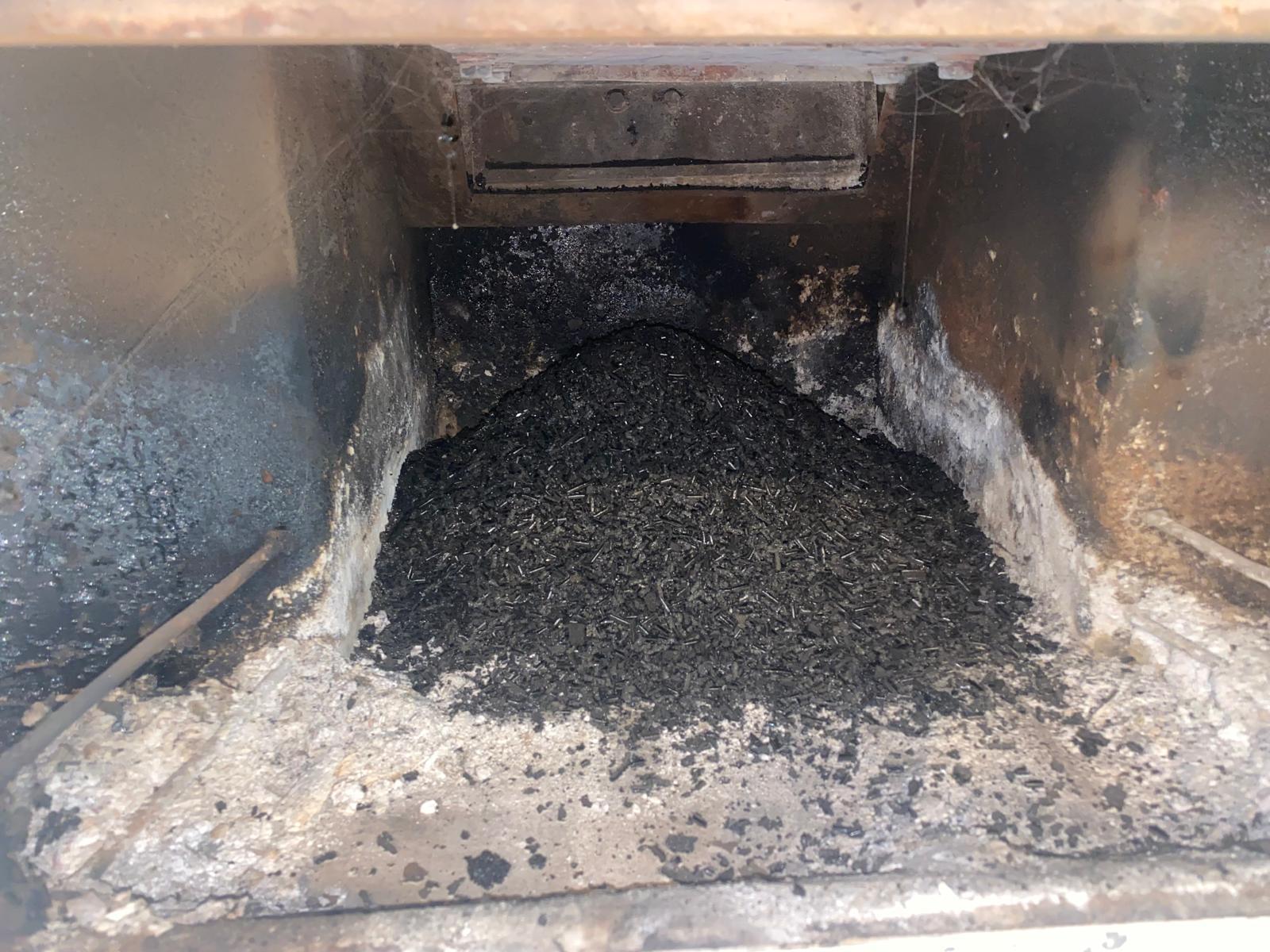
Creosote is a highly flammable substance that forms as a byproduct of incomplete combustion in wood-burning fireplaces. When smoke, containing unburnt particles and gases, cools as it rises through the chimney, these particles condense on the flue walls. This condensation forms creosote, which can vary from a flaky, powdery residue to a sticky, tar-like glaze. The more volatile the compounds in the smoke (common with unseasoned wood or softwood), the greater the creosote accumulation. According to the Chimney Safety Institute of America (CSIA), creosote is the leading cause of chimney fires. Even a thin layer can ignite at high temperatures, turning your chimney into a vertical inferno. This is a critical concern for any home, whether it’s a residential property in Santa Monica or a quaint cabin in the Angeles National Forest. This is precisely why professional chimney care in Los Angeles by DD Chimney Cleaning is not merely a suggestion, but a necessity.
Why DD Chimney Cleaning is Essential, Regardless of Fuel Type
No matter what you burn, proper chimney maintenance is non-negotiable. DD Chimney Cleaning provides thorough inspection and cleaning services for all types of chimneys in the Los Angeles area. Our certified technicians understand the unique challenges posed by various fuel types and the specific regulations governing them. We ensure your chimney is free of creosote, soot, blockages, and structural issues. Don’t wait for a dangerous situation; schedule your preventative maintenance. Call us at (833) 339-6803 to protect your home and family.
Protecting Your Los Angeles Home: Proactive Cleaning
The National Fire Protection Association (NFPA) recommends annual chimney inspections and cleanings as needed. For homes burning primarily seasoned hardwoods, an annual inspection is often sufficient, with cleaning performed when creosote accumulation reaches 1/8 inch or more. However, if you frequently burn unseasoned wood, softwoods, or have a high-usage fireplace, more frequent cleanings might be necessary. It’s reported that there are approximately 25,000 chimney fires in the U.S. annually, resulting in significant property damage and sometimes fatalities. Many of these are preventable through consistent, professional cleaning. Our experience serving properties across Southern California underscores the importance of this vigilance, just as we see in our services provided in our services in Cleveland, Ohio.
Frequently Asked Questions About Fuel Types & Chimney Cleanliness
Understanding your fuel type is step one; knowing what to do about it is step two.
- Q: How often should my chimney be cleaned if I burn mostly seasoned hardwood?
A: The NFPA recommends an annual inspection, with cleaning performed as needed. If you burn seasoned hardwood regularly, a cleaning every 50-70 fires or annually, whichever comes first, is a good guideline. - Q: Will burning compressed logs reduce my need for chimney cleaning?
A: While compressed logs generally produce less creosote than unseasoned wood, they still lead to residue buildup. Annual inspections are still critical, and cleaning may be necessary depending on usage frequency and specific log type. - Q: My gas fireplace doesn’t produce smoke. Does it still need inspection?
A: Absolutely. While gas fireplaces produce minimal soot and no creosote, their chimneys can still become blocked by animal nests, debris, or suffer from liner deterioration. This can lead to dangerous carbon monoxide buildup. Annual inspection is vital for safety. - Q: What is the most dangerous type of creosote, and which fuel causes it?
A: Glazed creosote (Stage 3) is the most dangerous, being highly flammable and extremely difficult to remove. It’s often caused by burning unseasoned wood, softwoods, or operating a fireplace at consistently low temperatures, leading