Did you know that on an average summer day, surfaces in Los Angeles can reach temperatures exceeding 140°F, turning our beautiful city into a formidable thermal challenger for your home’s most overlooked structure? While we associate winter with chimney use and maintenance, Los Angeles’s notorious extreme summer heat presents a silent, destructive force to your chimney’s structural integrity, posing significant, time-sensitive risks.
This isn’t merely about discomfort; it’s about the very stability and safety of your chimney system. As temperatures soar, particularly in inland areas like the San Fernando Valley or the hillsides around Hollywood, your chimney endures a relentless cycle of thermal expansion and contraction that can accelerate deterioration you might never suspect. DD Chimney Cleaning is here to demystify this critical issue and help you understand why swift action is paramount.
The Relentless Heat: A Silent Destroyer of Your Chimney
Los Angeles’s summers aren’t just hot; they’re intensely, consistently hot, with periods of extreme heat waves pushing temperatures well above the 100°F mark. These scorching conditions don’t just radiate into your home; they deeply penetrate and stress the very materials your chimney is built from. Masonry, mortar, and flue liners, while designed for durability, are not impervious to such thermal assault.
The core issue lies in the physics of thermal expansion and contraction. As your chimney heats up dramatically during the day and cools off at night, the differing materials (brick, clay, cement, metal) expand and contract at different rates. Over weeks and months, this constant, subtle movement creates immense stress on the entire structure. Think of it as a microscopic earthquake happening within your chimney’s walls, day after day. This isn’t a problem unique to us, as homeowners using DD Chimney Cleaning in New York deal with freezing-thawing, and those trusting DD Chimney Cleaning in Chicago face brutal cold. But here in LA, our distinct climate presents its own, equally formidable, challenges to chimney longevity.
Cracks and Compromises: The Invisible Threats Under the Sun
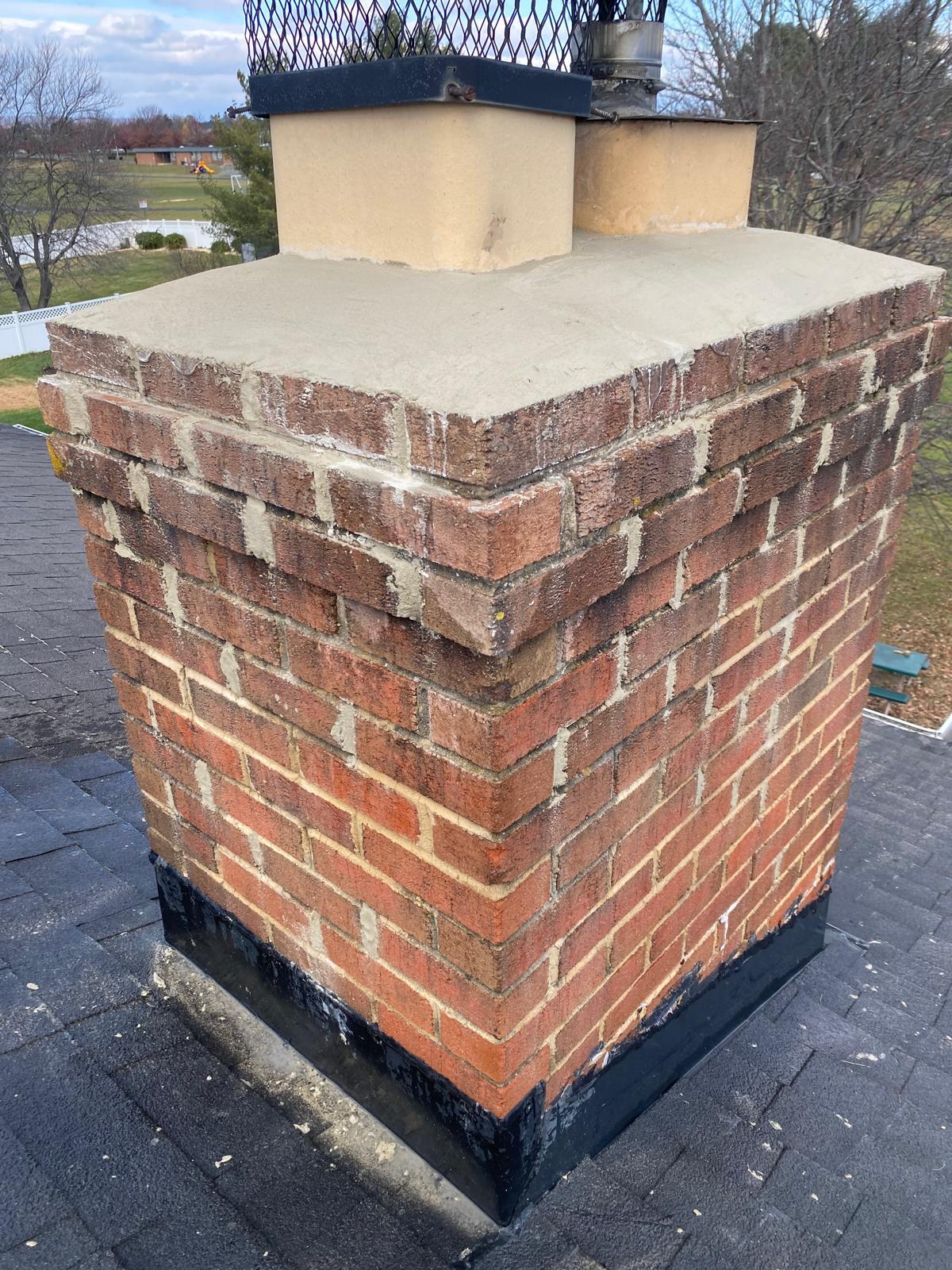
The primary manifestation of this relentless thermal cycling is the development and expansion of cracks. Initially, you might see hairline fractures in mortar joints or on the chimney crown. What seems minor can rapidly escalate. As these tiny fissures form, they become entry points for moisture from occasional LA rains or even morning dew, which then becomes trapped. When the sun returns, this moisture is baked out, further widening cracks and weakening the surrounding masonry. This process accelerates the degradation of your chimney structure significantly.
Furthermore, flue liners, whether they are clay tiles or stainless steel, are particularly vulnerable. Clay tiles can crack, spall, or even detach, creating dangerous pathways for heat, smoke, and embers to escape into your home’s walls. Metal liners, though flexible, can warp and compromise the integrity of the chimney system. Such damage is not merely cosmetic; it directly impairs your chimney’s ability to safely vent combustion byproducts, raising serious concerns for both structural stability and occupant safety.
Soot and Creosote: When Heat Supercharges Your Fire Risk
While chimney usage typically ends by spring, any existing accumulation of soot and creosote doesn’t magically disappear during the summer. In fact, a chimney already burdened with flammable creosote deposits becomes even more dangerous in extreme heat. Elevated ambient temperatures can effectively “bake” the creosote, making it drier and potentially more volatile. Imagine dry brush in the Hollywood Hills after a long, hot summer – it becomes an extreme fire hazard. Your creosote-laden flue follows a similar principle. This isn’t just theory; it’s a real and present danger that can compromise your home’s safety once cooler temperatures arrive and you consider firing up your fireplace.
Ignoring these accumulated residues, especially after a brutally hot summer, drastically increases the risk of a devastating chimney fire. These fires, often silent, can reach temperatures of 2000°F, severely damaging your chimney beyond repair and potentially spreading to your home. Preventing this starts with a thorough cleaning and flue liner inspection.
Why Your Chimney Can’t Wait: The Time-Sensitive Impact
The time to address summer heat damage isn’t in the fall when you’re ready to light the first fire. By then, accelerated deterioration may have already taken a minor issue and transformed it into a costly repair or, worse, a significant safety hazard. The urgent reality for Los Angeles homeowners is that summer is the critical season for preventative care. Identifying and mitigating heat-induced damage now saves you from emergency repairs, fire risks, and compromised indoor air quality when winter arrives.
DD Chimney Cleaning in Los Angeles understands the unique climatic pressures our chimneys face. Our expert technicians are specifically trained to diagnose heat-related stress, hidden cracks, and deteriorated mortar joints that are direct consequences of our challenging environment. Don’t let your chimney become a silent liability. Contact DD Chimney Cleaning at (833) 339-6803 to schedule a comprehensive assessment.
Your Ultimate Guide to Safeguarding Your Chimney Against Summer Heat Damage
Taking a proactive stance now is the single most effective way to protect your chimney and your home. Our process goes beyond basic cleaning; it’s a deep dive into the health of your entire chimney system, crucial for detecting the insidious effects of intense summer heat.
Understanding Professional Chimney Cleaning
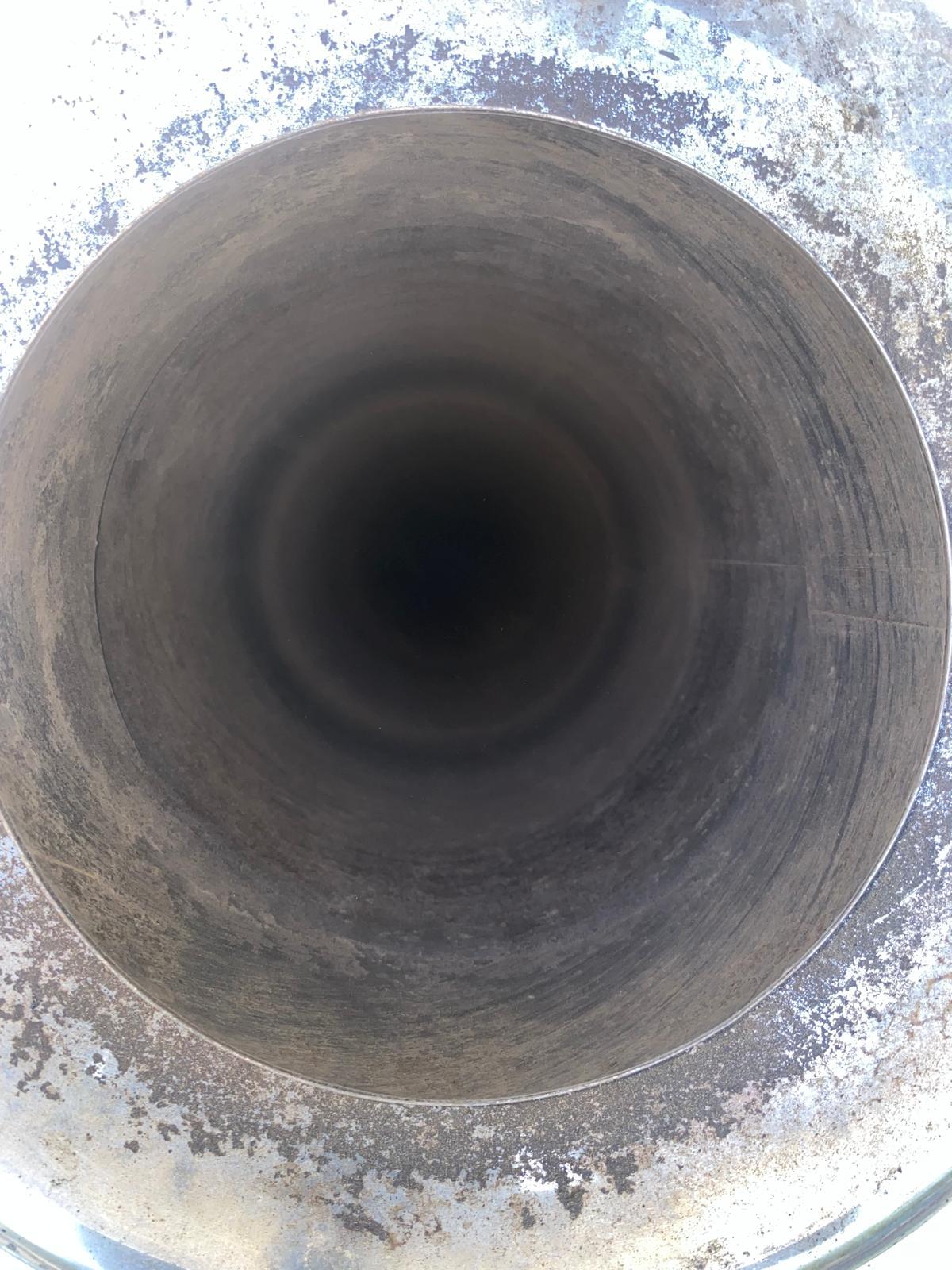
DD Chimney Cleaning provides detailed visual and camera inspections to meticulously examine your flue liner, smoke chamber, firebox, and chimney exterior for any signs of heat-induced damage. Our thorough cleaning process then removes all flammable creosote and soot buildup, ensuring your chimney is pristine and ready for safe use, free from fire hazards intensified by summer’s grip. We also offer expert advice on preventative maintenance specific to the unique demands of the LA climate to ensure long-term structural integrity and optimal performance. This type of preventative maintenance is invaluable.
The Dangers of Neglect
Neglecting your chimney during and after a harsh summer significantly increases the risk of serious issues. Compromised structural integrity can lead to expensive water damage, dangerous carbon monoxide leaks into your living space, and a heightened risk of devastating chimney fires. The cost of prevention is always dramatically less than the cost of remediation, not to mention the peace of mind that comes with a safe home.
Frequently Asked Questions About Chimney Heat Damage
Q: Can summer heat *really* damage my chimney?
A: Absolutely. The intense thermal expansion and contraction from Los Angeles’s extreme summer temperatures put immense stress on masonry and flue liners, leading to cracks, mortar degradation, and structural weakening.
Q: What signs should I look for that indicate heat damage?
A: Look for visible cracks in the chimney crown, mortar joints, or the exterior masonry. Inside, examine the firebox for cracked bricks or mortar. Also, crumbling mortar or flakes of debris in your fireplace are red flags.
Q: How often should I get my chimney cleaned and inspected in LA?
A: The Chimney Safety Institute of America (CSIA) recommends annual inspections. For active fireplace users in LA, or after extreme weather events (like heatwaves), a cleaning should also be performed annually by DD Chimney Cleaning.
Q: Does DD Chimney Cleaning address heat-related structural issues?
A: While DD Chimney Cleaning specializes in professional chimney cleaning and detailed inspections, our technicians are trained to identify heat-related structural damage. We’ll provide a comprehensive report on any concerns and recommend next steps.
Q: Is it safe to use my fireplace after a hot summer if it hasn’t been inspected?
A: We strongly advise against using your fireplace or stove without a professional inspection and cleaning after a scorching Los Angeles summer. Hidden damage or increased creosote volatility significantly elevates the risk of a chimney fire or carbon monoxide leak.
Q: What’s the best time of year for a chimney inspection in Los Angeles?
A: Early summer or late spring is ideal. This allows us to assess any damage from previous winter use and the initial summer heat, giving you ample time for cleaning or repairs before the fall/winter heating season