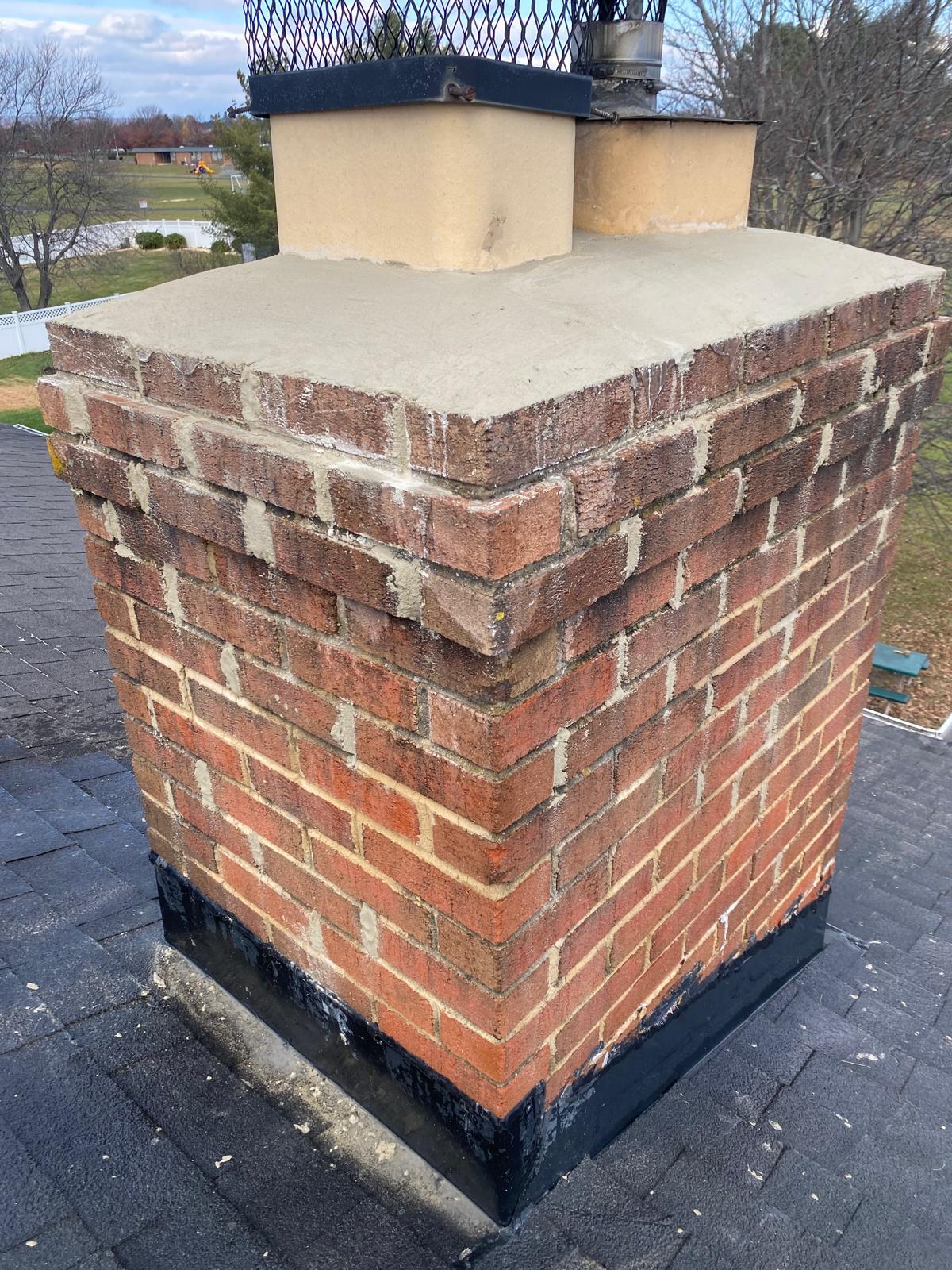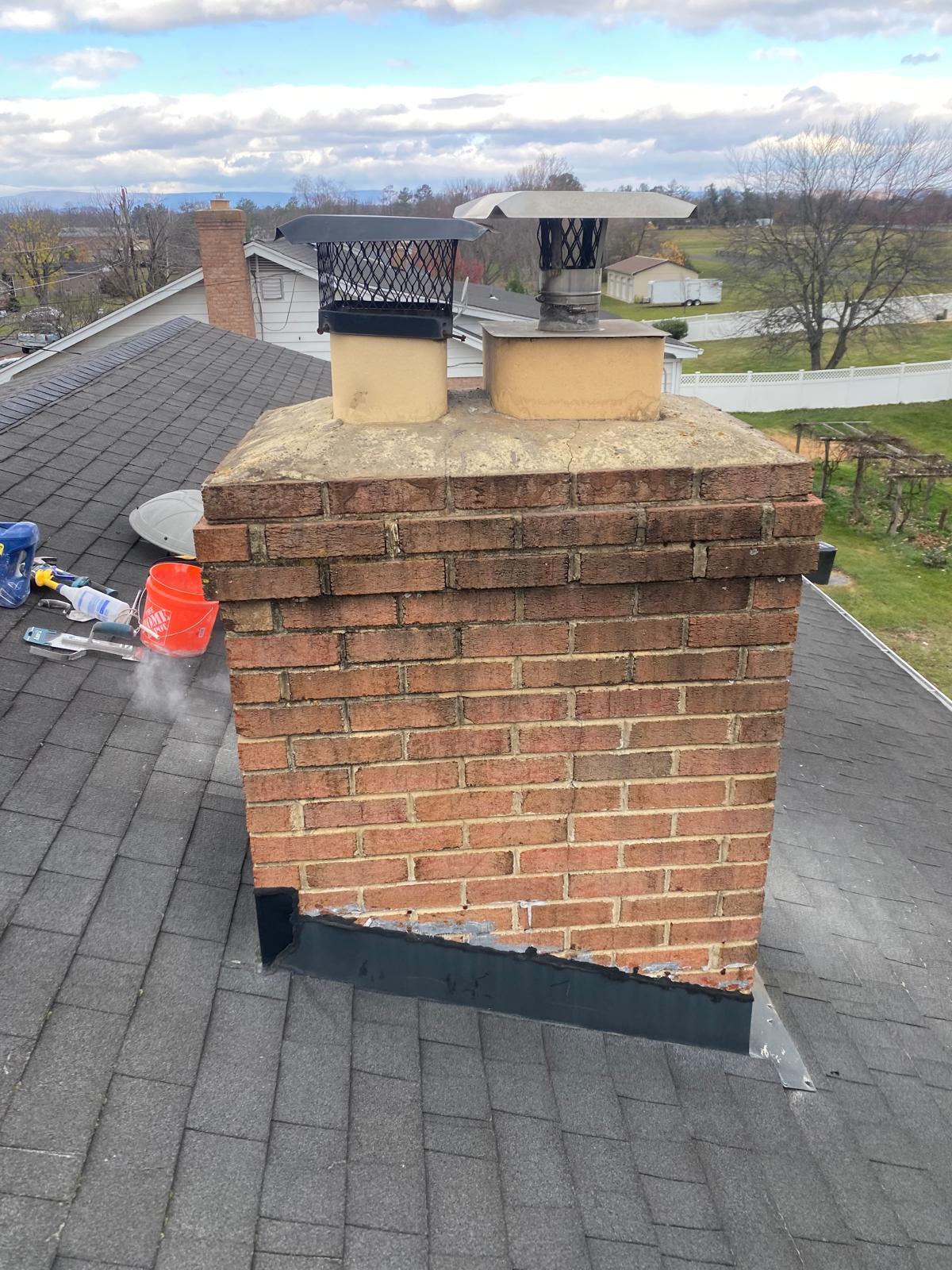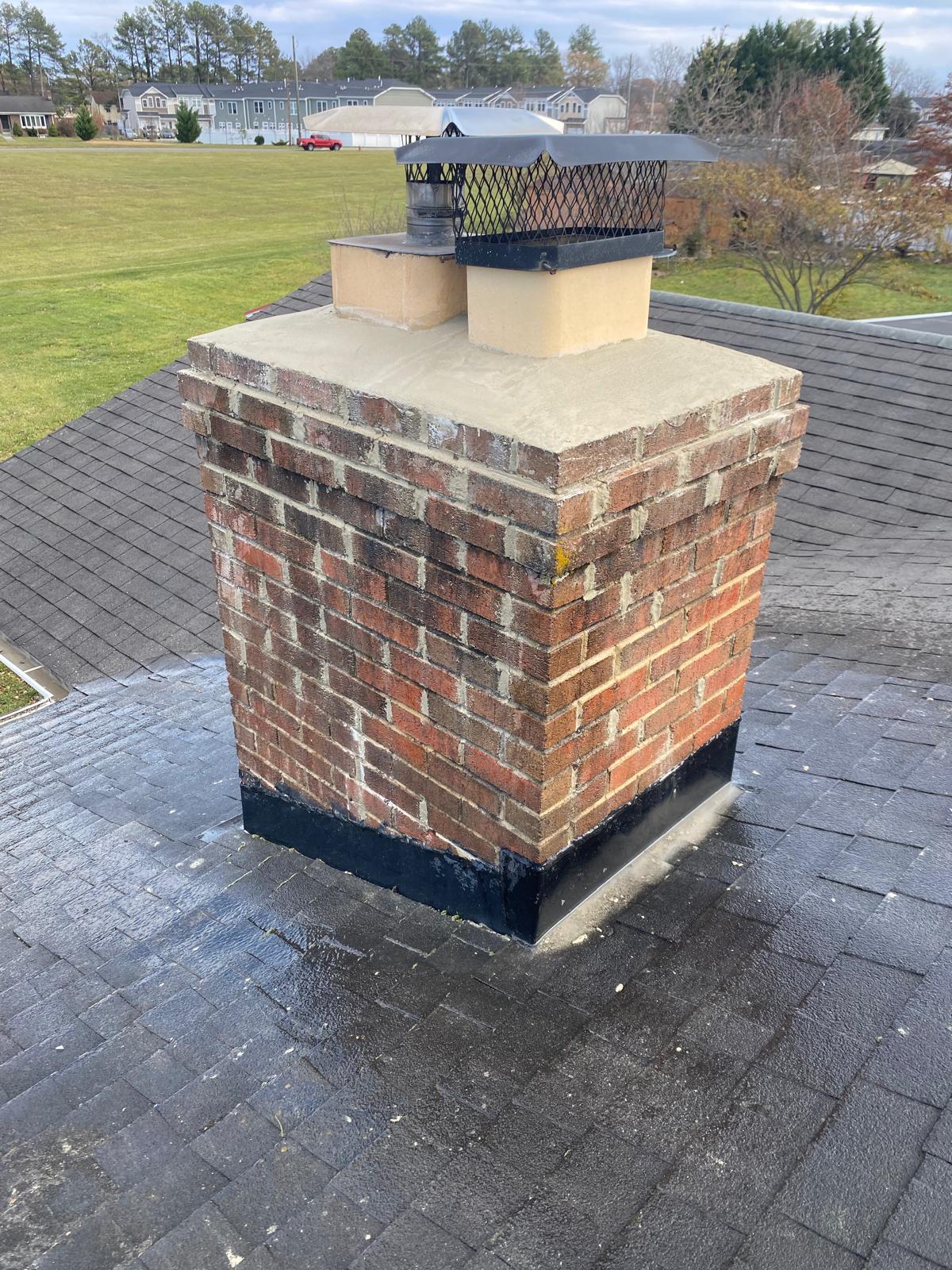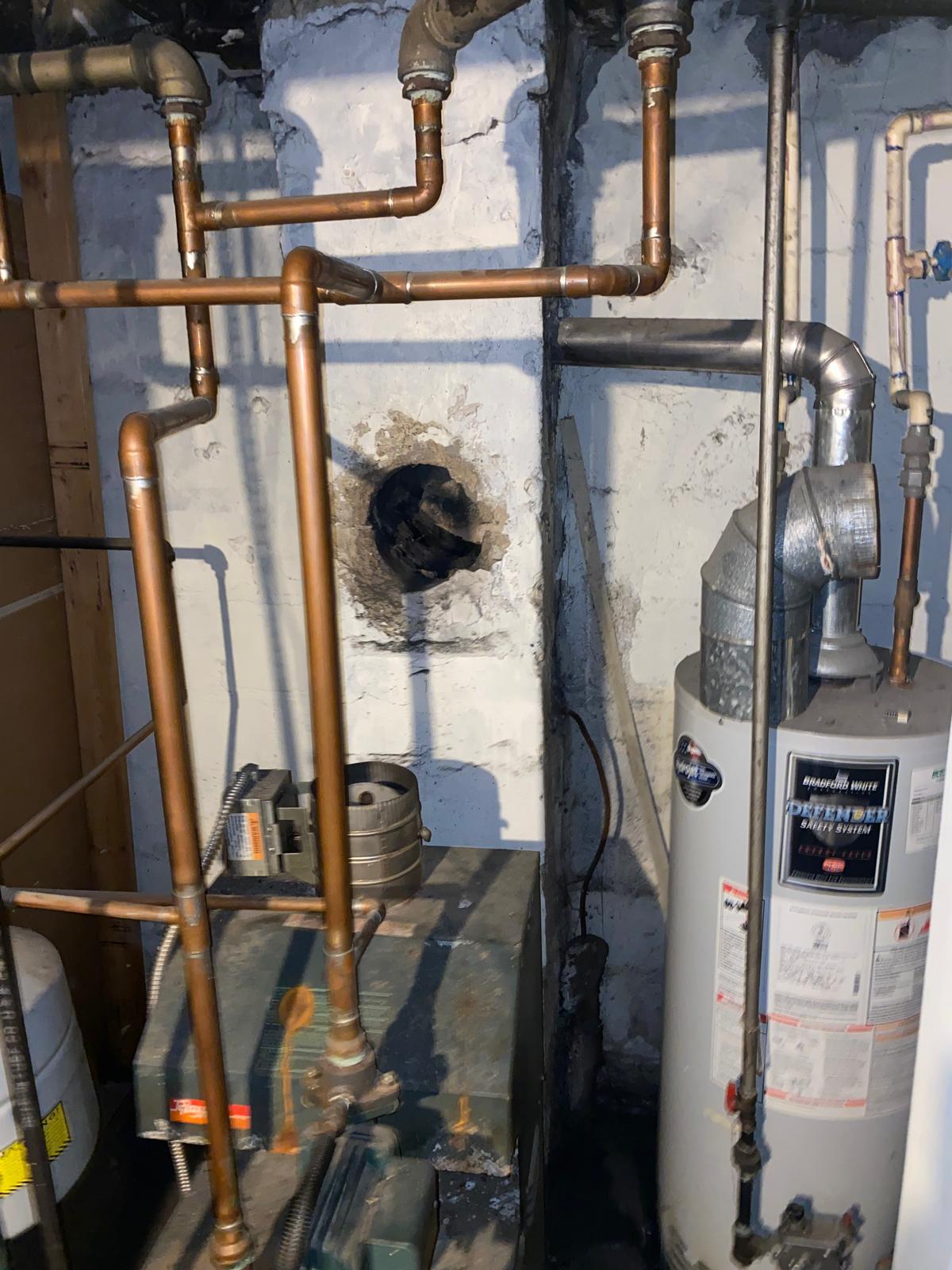
Your Los Angeles Chimney Is a Ticking Time Bomb: Ignoring it is a Catastrophe Waiting to Happen
That’s a bold statement, we know. But for Los Angeles homeowners, the perceived “infrequency” of fireplace use often breeds a dangerous complacency. While our city may not face harsh winters like other parts of the country, the unique blend of our climate—dry air, Santa Ana winds, and the ever-present risk of brush fires in areas like the Hollywood Hills or Malibu—turns a neglected chimney into an extreme liability. It’s not just about a cozy fire; it’s about hidden hazards, insidious threats, and the potential for immediate disaster.
Before: The Deceptive Silence – Why Your Chimney is a Hidden Hazard
The Illusion of Infrequent Use
Many Los Angelenos believe that because they only use their fireplaces a few times a year for ambiance, cleaning is optional. This couldn’t be further from the truth. Even minimal usage allows creosote, a highly flammable byproduct of combustion, to accumulate. This is especially true with certain types of wood or if your chimney isn’t drawing properly. In our dry climate, a stray spark from an uncleaned flue can turn into a serious fire risk in seconds, not just within your home but potentially spreading to surrounding dry brush. DD Chimney Cleaning understands these unique local challenges, providing specialized services to mitigate these precise dangers.
Immediate Attention Needed: Recognizing the Warning Signals
Understanding these “before” signs means taking proactive “after” action. Don’t wait for a crisis; identify these red flags and contact professionals without delay.
Before: Unpleasant Odors Lingering in Your Home
What you experience: A smoky, sooty, or downright foul odor permeating your living spaces, even when the fireplace isn’t in use. This smell often intensifies during humid weather or when your AC is running.
What it means (After): This is a classic indicator of significant creosote buildup or even animal decomposition within the flue. Creosote absorbs moisture, exacerbating its pungent smell and creating ideal conditions for bacterial growth. More critically, it signifies a serious fire hazard. DD Chimney Cleaning in Los Angeles addresses these immediate concerns, removing the source of the odors and the danger.
Before: Smoke Backdrafts or Poor Draft
What you experience: Instead of smoke effortlessly rising up the chimney, it billows back into your living room, making the air thick and eyes watery.
What it means (After): A serious blockage—likely from excessive creosote, a collapsed flue liner, or an animal nest—is obstructing proper ventilation. This doesn’t just create a smoky mess; it forces harmful combustion byproducts, including odorless, deadly carbon monoxide, directly into your home. The U.S. Consumer Product Safety Commission (CPSC) reports over 150 unintentional non-fire CO deaths associated with consumer products annually. Prompt professional chimney cleaning is non-negotiable here to restore safe operation and protect your family.
Before: Visible Soot and Creosote Buildup
What you experience: Upon inspection (carefully, with a flashlight), you notice significant flaky, tar-like, shiny black, or glazed deposits clinging to the inner walls of your flue.
What it means (After): This is creosote, categorized into three levels of danger. Thick, glazed creosote (Level 3) is extremely flammable and the primary cause of chimney fires. Annually, approximately 25,000 chimney fires are reported in the U.S., resulting in millions of dollars in property damage and tragic loss of life. Ignoring this buildup is akin to storing flammable liquid in your flue. Regular, thorough cleaning by experts, like those providing expert chimney maintenance, is essential to prevent these catastrophic events.
Before: Strange Noises or Animal Activity
What you experience: You hear chirping, scratching, thumping, or even buzzing noises emanating from your chimney, especially during spring or fall.
What it means (After): Your chimney has become home to birds, squirrels, raccoons, or insects. These unwelcome tenants build nests, often completely blocking the flue. Beyond the noise, these blockages can impede smoke and toxic gases like carbon monoxide from escaping, leading to dangerous indoor air quality. Removing these obstructions is a core aspect of professional chimney services in Detroit, as it is in Los Angeles, ensuring a clear and safe passageway for exhaust gases.
Before: Spark or Flame Issues
What you experience: Your fire burns too intensely, produces an unusual number of sparks flying out of the chimney, or conversely, is difficult to start or maintain.
What it means (After): Excessive creosote acts as additional fuel, making fires burn hotter and increasing the risk of sparks igniting nearby combustibles (especially critical in brushfire-prone areas like the canyons around Glendale or Griffith Park). Difficulty maintaining a fire often points to airflow issues due to blockages. These are direct indicators that your flue is not performing as intended, creating a direct pathway to potential fire damage. A Los Angeles chimney sweep can identify and rectify these dangerous conditions swiftly.
The Peril of Procrastination in Los Angeles
In a city where outdoor air quality is often a concern, allowing your chimney to compromise indoor air is simply unacceptable. The dry climate and prevalence of combustible materials — from lush landscaping in Santa Monica to rustic homes in Silver Lake — elevate the stakes of a chimney fire. Every ignored sign means you’re gambling with your property, your health, and even your life. DD Chimney Cleaning is your frontline defense against these silent threats, offering immediate intervention to safeguard your home and peace of mind. Don’t let your chimney become another statistic. Call us now at (833) 339-6803.
FAQ: Your Urgent Chimney Questions Answered
Q1: How often should I have my Los Angeles chimney cleaned?
A: The National Fire Protection Association (NFPA) recommends annual inspections and cleaning as needed. For typical residential use in Los Angeles, an annual cleaning is often sufficient, especially if you burn seasoned wood. However, if you use your fireplace frequently or burn unseasoned wood, more frequent scheduled chimney cleaning may be necessary.
Q2: What is creosote, and why is it so dangerous?
A: Creosote is a highly flammable substance that forms as