Did you know that according to the National Fire Protection Association (NFPA), approximately 22,000 fires each year are reported to U.S. fire departments that involve fireplaces, chimneys, or wood stoves? While many of us in Los Angeles cherish the cozy ambiance a fireplace can bring during cooler evenings, it’s a feature that demands attention, especially as we transition from the warmth of our Southern California summers to the brisk winds of winter. This is precisely why proactive fall preparation for your chimney and fireplace isn’t just a suggestion; it’s a vital step in ensuring the safety and comfort of your home, from the bustling streets of Downtown LA to the leafy canyons of the Santa Monica Mountains.
Myth vs. Fact: Unpacking Your Fireplace’s Winter Readiness
As a seasoned chimney professional serving the Los Angeles area, I’ve encountered countless homeowners who, while eager to light their first fire of the season, harbor common misconceptions about fireplace and chimney care. These myths can lead to costly damage, inefficient operation, and most critically, dangerous fire hazards. At DD Chimney Cleaning, we believe in empowering our clients with accurate information. Let’s debunk some of these prevalent myths and replace them with essential facts to get your Los Angeles fireplace truly winter-ready.
Myth #1: “My fireplace is only used occasionally, so it doesn’t need professional cleaning.”
This is one of the most widespread and dangerous myths we encounter. Even infrequent use can lead to the buildup of creosote, a highly flammable substance that results from the combustion of wood. Think of it like this: even a small, occasional campfire leaves behind a residue. In your fireplace, this residue can accumulate on the interior walls of your chimney flue. While the Los Angeles climate generally doesn’t demand constant fireplace use like it might in Philadelphia or Detroit, a single dense creosote layer can be enough to fuel a chimney fire. Furthermore, other debris like leaves, twigs, and even bird nests can obstruct the flue, leading to carbon monoxide buildup within your home – a silent and deadly threat. Regular inspections and cleaning, even for light users, are crucial for identifying potential issues before they escalate. A thorough cleaning by a certified professional can remove these dangerous buildups and ensure your chimney is operating safely and efficiently, regardless of how often you light a fire.
Fact: Occasional use still necessitates regular professional inspection and cleaning.
The National Fire Protection Association (NFPA) recommends that fireplaces and chimneys be inspected and cleaned annually, regardless of usage frequency. This recommendation is grounded in the understanding that creosote can form and debris can accumulate even with minimal use. Professionals have the tools and expertise to identify hidden dangers like cracks in the flue liner, loose masonry, or blockages that you might not see during a visual inspection. For residents of Los Angeles, this annual check-up is especially important to safeguard against the risk of chimney fires and carbon monoxide poisoning.
Myth #2: “I can clean my chimney myself with a brush.”
The DIY spirit is admirable, especially in a city as resourceful as Los Angeles. While a brush might seem like a logical tool, cleaning a chimney is a complex task that requires more than just elbow grease. Chimney interiors can be intricate, with hidden areas, damper mechanisms, and flue liners that are easily damaged if not handled with care. Professional chimney sweeps use specialized tools, including rotary brushes of various sizes and shapes, powerful vacuums for dust containment, and inspection cameras to thoroughly assess the flue’s condition. A superficial cleaning might remove some loose soot, but it often leaves behind hazardous creosote glaze and can miss crucial structural issues. Furthermore, improper cleaning can push creosote further into the flue or even damage the flue liner, creating new safety hazards. It’s a job best left to the experts at DD Chimney Cleaning, who have the training and equipment to do it right.
Fact: Professional chimney cleaning is thorough, safe, and addresses underlying structural integrity.
Professional cleaning goes far beyond simply brushing soot. It involves a comprehensive assessment of your entire chimney system, including the firebox, damper, smoke chamber, flue liner, and chimney cap. Experts can identify and address issues like hairline cracks in the flue liner, deteriorating mortar joints, or obstructions that could compromise safety and performance. They also ensure proper ventilation, a critical factor in preventing carbon monoxide from entering your home, especially relevant as temperatures drop and windows are kept closed more frequently across the LA basin. Their thoroughness prevents the recurrence of common problems and ensures your fireplace is a safe source of warmth and ambiance.
Myth #3: “If my chimney isn’t smoking excessively, it’s fine.”
This is another critical misconception. Excessive smoke isn’t always the primary indicator of a problem. In fact, a properly functioning chimney should draw smoke and combustion byproducts efficiently up and out of your home with minimal visible smoke escaping into the room. When smoke *does* come back into the room, it’s a serious warning sign of a blocked or poorly drafting chimney, often due to creosote buildup or obstructions. However, even without visible smoke intrusion, dangerous gases like carbon monoxide can be present. Carbon monoxide is odorless, colorless, and tasteless, and its buildup in an inadequately ventilated home is a significant risk. Furthermore, the most dangerous form of creosote – a hard, glazed form that’s difficult to remove – doesn’t necessarily result in visible smoke issues until it’s too late.
Fact: Proper draft and the absence of combustion gases are the true indicators of a healthy chimney.
A properly functioning chimney should exhibit a strong, consistent draft, pulling smoke and gases upwards. This is an often-invisible indicator of safety. Our team at DD Chimney Cleaning uses specialized tools to test draft efficiency and to detect the presence of harmful gases. Relying solely on visual cues like “smoking” can lead to a false sense of security. We meticulously inspect for any signs of blockage or creosote buildup that could impede this essential draft, ensuring your fireplace is safe and efficient for use throughout the winter season in our specific Los Angeles environment.
Myth #4: “A chimney cap is just an accessory and not essential.”
In a place like Los Angeles, where we experience periods of rain and strong Santa Ana winds, the importance of a chimney cap cannot be overstated. Many homeowners view it as a decorative element. However, a functional chimney cap is a critical protective barrier. It’s designed to prevent rain, snow, and debris from entering your chimney flue. In Los Angeles, this means preventing rainwater from potentially causing structural damage or exacerbating any existing cracks in the flue liner, which can lead to expensive repairs. It also prevents leaves, twigs, and other flammable debris from accumulating at the top of your flue, which can be a significant fire hazard, especially during dry spells when embers from surrounding areas could be a concern.
Fact: A chimney cap is a vital line of defense against external elements and pests.
Beyond preventing water and debris ingress, a well-maintained chimney cap with mesh screening is crucial for keeping out birds and small animals that might nest in the flue, causing dangerous blockages. These blockages can lead to the inability of smoke and dangerous gases like carbon monoxide to escape your home, creating a serious health hazard. A proper cap also prevents sparks from escaping and potentially igniting nearby dry brush, a consideration particularly relevant in the chaparral-covered hillsides surrounding many Los Angeles communities. It’s an investment in the longevity and safety of your chimney system.
Myth #5: “I only need to worry about the inside of the chimney.”
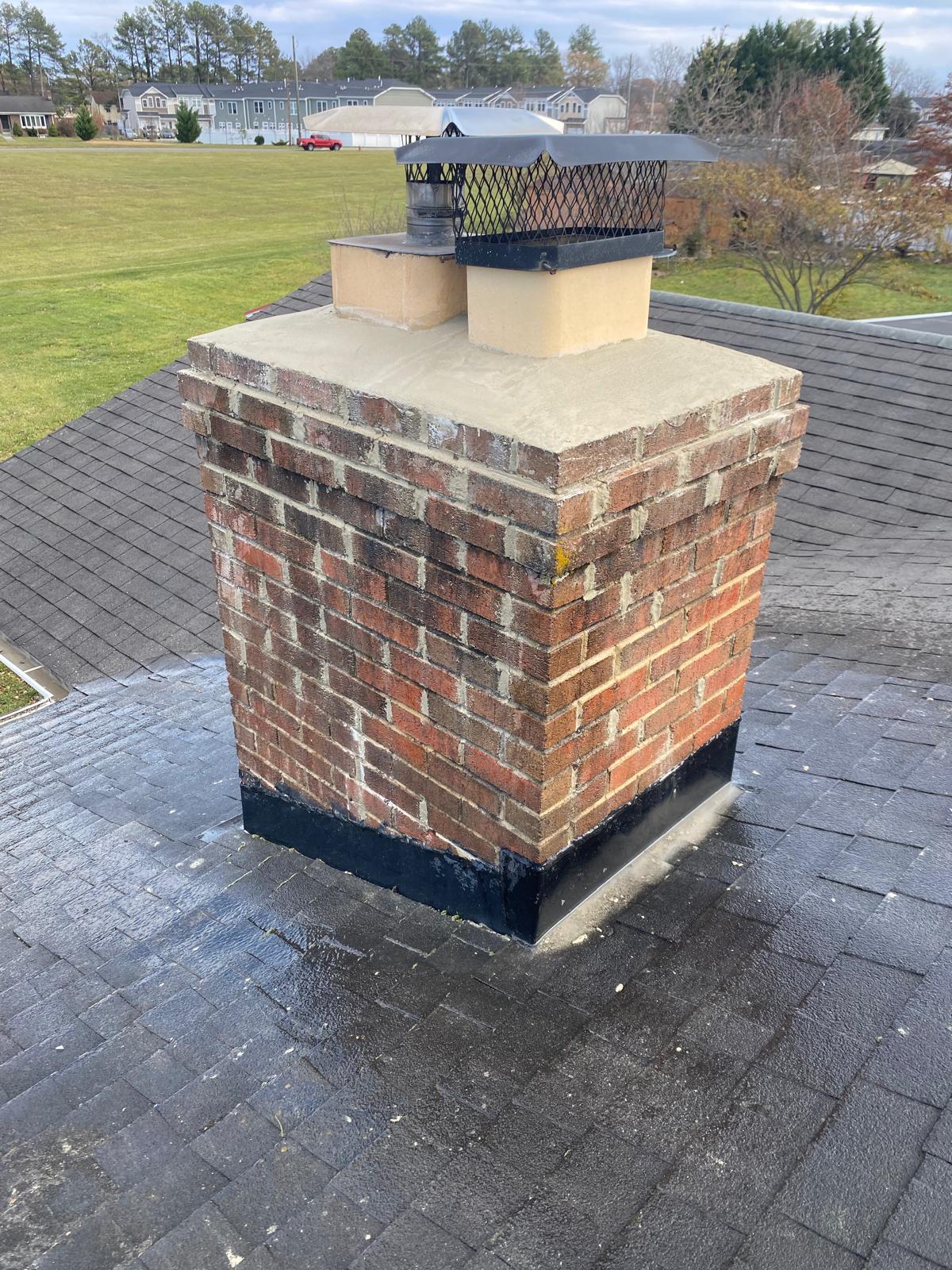
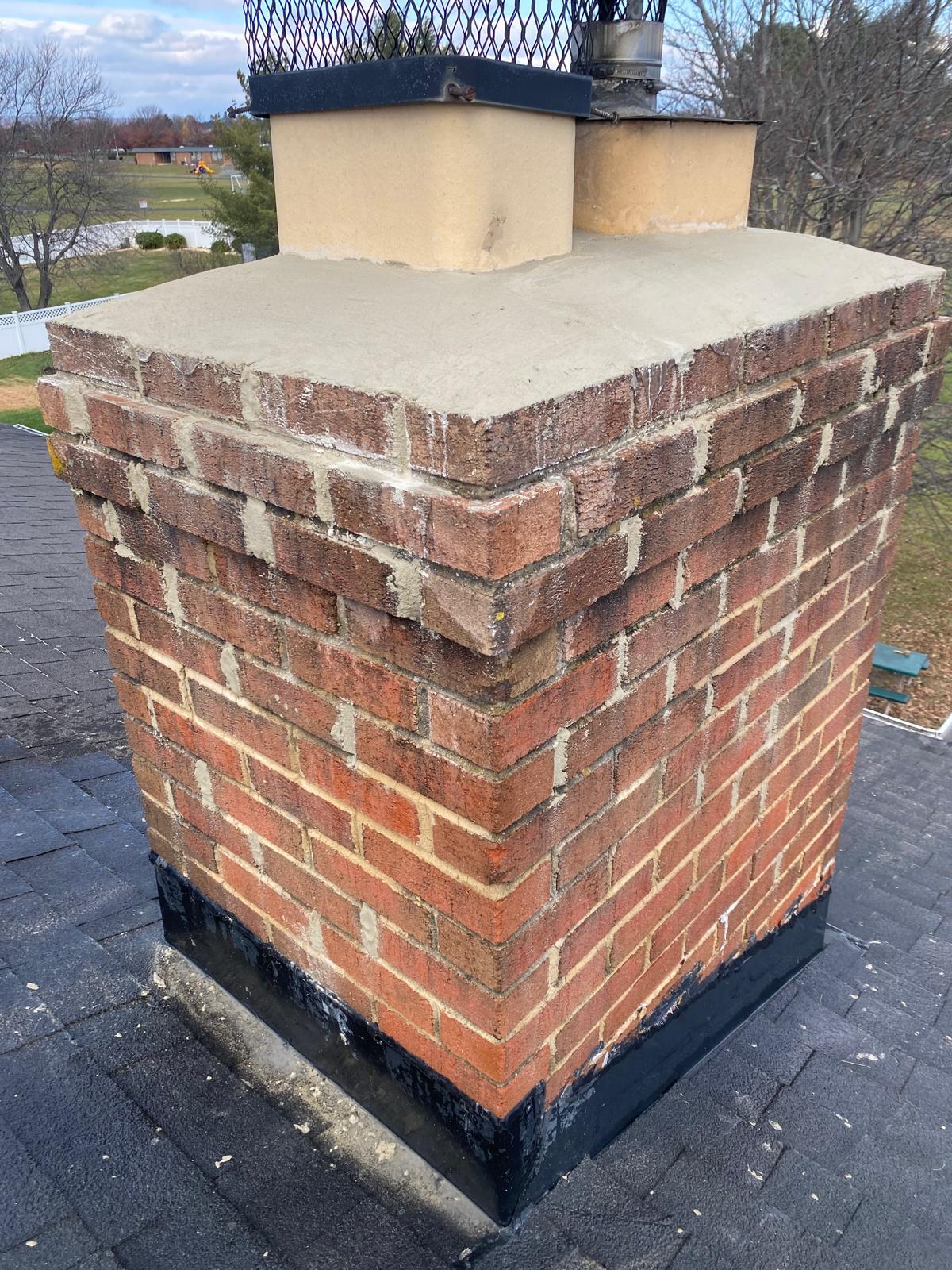
Your chimney is a system, and like any system, all its components work together. Issues with the exterior masonry, the crown (the cement structure at the top of the chimney), or the flashing (the metal strips that seal the chimney to the roof) can have significant consequences for the entire structure and, by extension, your home. Cracks in the exterior brickwork or crown can allow water to seep into the chimney structure, leading to freeze-thaw damage (even in our mild LA winters, temperatures can dip), or accelerating deterioration of mortar. Damaged flashing can lead to roof leaks, water damage to your attic and ceilings, and can compromise the structural integrity of the chimney itself.
Fact: A comprehensive inspection covers the entire chimney system, from top to bottom.
During a professional chimney inspection, our technicians at DD Chimney Cleaning meticulously examine the entire chimney structure. This includes the chimney crown for cracks or spalling, the exterior masonry for deterioration, the flashing for proper sealing, and the chimney cap for damage or security. These external factors can directly impact the chimney’s performance and the safety of your home. Addressing minor exterior issues proactively can prevent more serious and costly damage down the line, ensuring the chimney is structurally sound and well-sealed against the elements as you prepare for cooler evenings across the Los Angeles area.
Preparing Your Los Angeles Fireplace for a Safe & Cozy Winter
Now that we’ve addressed some common myths, let’s focus on practical steps to ensure your Los Angeles fireplace is ready for the upcoming winter months. Even with our generally mild climate, the cooler evenings and occasional crisp air make a fireplace a welcome addition to any home, from the Hollywood Hills to Pasadena. However, safety must always be the top priority.
The Essential Fall Checklist:
- Schedule Professional Cleaning & Inspection: This is non-negotiable. A certified chimney sweep will thoroughly clean your flue, remove dangerous creosote, and inspect the entire chimney system for any signs of damage or potential hazards. For Los Angeles residents, this ensures you’re prepared for those nights when you want to cozy up.
- Inspect the Damper: Ensure your damper opens and closes properly and creates a tight seal when closed. A faulty damper can lead to significant heat loss in your home during colder months when the fireplace isn’t in use.
- Check the Firebox: Look for any cracks in the firebox lining or any signs of deteriorating mortar. These can allow heat and flames to escape the firebox and damage the surrounding structure of your home.
- Examine the Chimney Exterior: As mentioned, check the brickwork, mortar, and the chimney crown for any signs of cracking or deterioration. Even minor damage can allow water infiltration.
- Verify Chimney Cap Condition: Ensure the cap is securely attached, free from rust, and that the mesh screening is intact to prevent pests from entering.
- Inspect Fireplace Tools & Accessories: Make sure your fireplace tools, screens, and any glass doors are in good working order. Worn-out screens might not be as effective at preventing sparks from escaping.
- Carbon Monoxide Detectors: This is crucial, regardless of your fireplace’s condition. Ensure you have working carbon monoxide detectors on every level of your home, especially near sleeping areas. Test them regularly and replace batteries as needed. The NFPA recommends CO alarms outside of sleeping areas, in the hallway near bedrooms, and on every story of the home.
Understanding Creosote: The Silent Danger
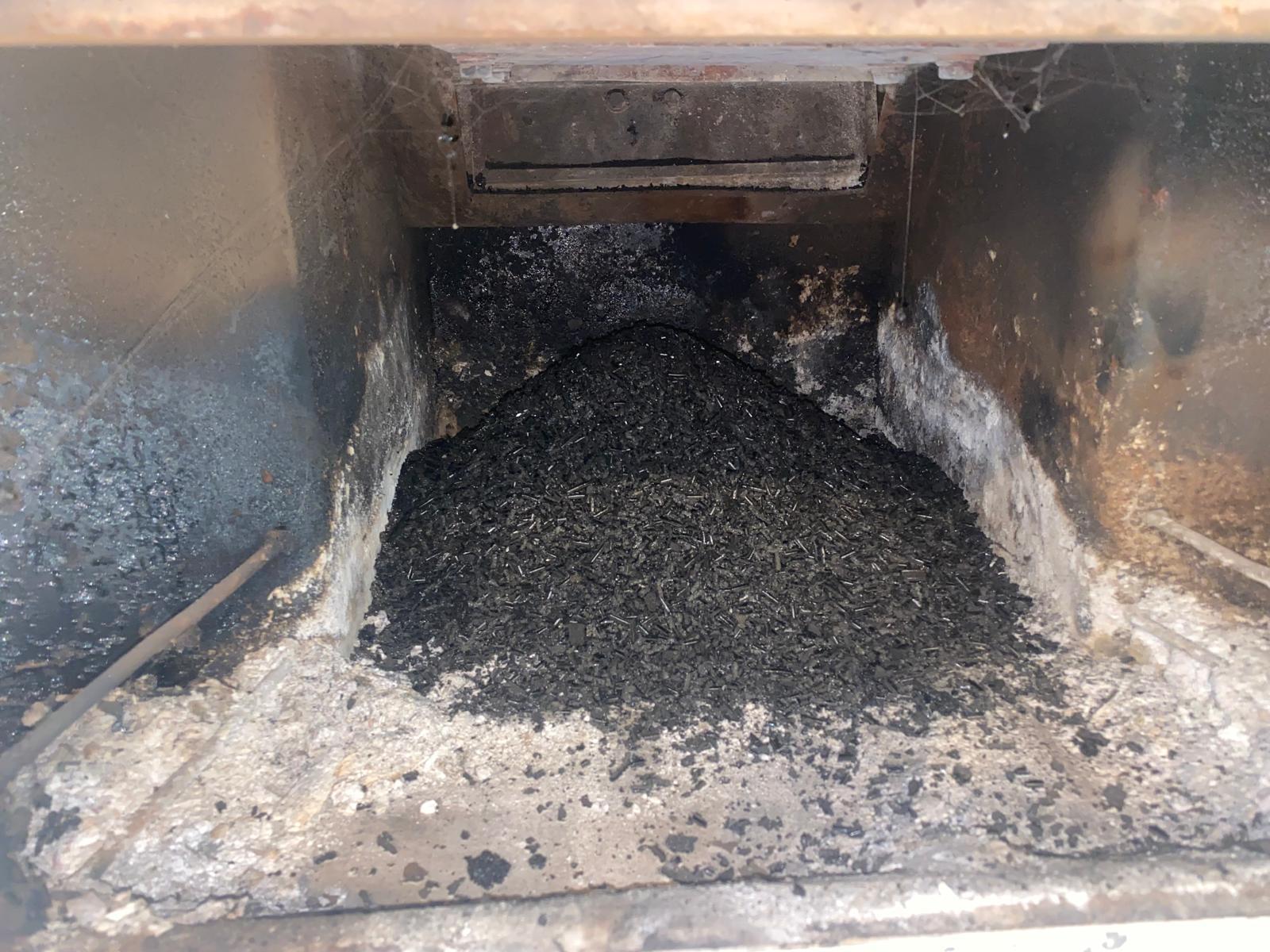
Creosote is the sticky, tar-like residue that builds up in your chimney flue as a result of burning wood. It’s made up of unburned hydrocarbons, and its accumulation is inevitable with every fire. However, the rate and type of creosote buildup can vary significantly based on several factors:
- Type of Wood Burned: Burning seasoned hardwoods (like oak or maple) generally produces less creosote than burning softwoods (like pine or fir), which burn hotter and faster but also produce more byproducts.
- Wood Seasoning: Wet or unseasoned wood contains a high moisture content, which leads to incomplete combustion and significantly increased creosote formation. Aim for wood that has been seasoned for at least six months to a year.
- Fireplace Maintenance: How hot you burn your fires and how frequently you clean your chimney play a huge role. Smaller, hotter fires generally burn cleaner than smoldering, cooler fires.
There are three main stages of creosote formation:
- Flaky and Powdery: This is the earliest stage and the easiest to remove. Regular cleaning at this stage prevents further buildup.
- Glazed or Tar-like: This stage is more difficult to remove and significantly increases the fire risk. It’s often slick and shiny and can be hardened with repeated heating.
- Hard, Black, and Insoluble: This is the most dangerous stage. It’s extremely difficult to remove and is highly flammable. It often requires specialized tools and techniques.
Professional chimney sweeps like those at DD Chimney Cleaning are trained to identify the stage of creosote and use the appropriate methods for its safe removal, ensuring your chimney is safe for use, even during the occasional chill that sweeps through Los Angeles. Ignoring creosote buildup is akin to leaving highly flammable material in your home’s exhaust system. The consequences can be devastating.
The Importance of Proper Ventilation
A well-functioning fireplace isn’t just about aesthetics; it’s about safely venting combustion byproducts outside your home. The chimney draft, the upward flow of air that pulls smoke and gases out, is crucial. Factors that can negatively impact ventilation include: For related services, click here offers excellent solutions.
- Blockages: Chimney caps, bird nests, creosote buildup, and debris can all obstruct airflow.
- Improper Chimney Height or Design: If the chimney isn’t tall enough or if there are structural issues, it can affect the draft.
- Leaks in the Flue Liner: Cracks can disrupt the smooth flow of air.
- Household Air Pressure: In tightly sealed, modern homes, especially when exhaust fans for kitchens or bathrooms are running, negative air pressure can draw smoke back down the chimney.
Ensuring proper ventilation is a critical part of our inspection process at DD Chimney Cleaning. We test your chimney’s draft and identify any potential issues that could compromise the safe evacuation of smoke and gases. This is especially important in Los Angeles homes where ventilation can be affected by unique architectural styles and the desire to maintain comfortable indoor temperatures by keeping windows closed.
Beyond the Basics: Ensuring Long-Term Chimney Health
Maintaining a healthy chimney system is an ongoing process that extends beyond a single fall cleaning. By understanding a few key principles, you can contribute to its longevity and safety throughout the year.
What to Burn and What to Avoid
The fuel you choose for your fireplace significantly impacts its performance and the potential for dangerous buildup. For a cleaner burn and less creosote, always opt for:
- Seasoned Hardwoods: Oak, maple, ash, and beech are excellent choices. They burn longer and produce less creosote than softwoods. Seasoning means the wood has been dried for at least six months, ideally a year, reducing moisture content to 20% or less.
- Avoid Treated Lumber and Garbage: These materials can release toxic fumes and create excessive, difficult-to-remove creosote buildup.
- Refrain from Burning Christmas Trees: While tempting for the novelty, dried pine needles and sap are highly flammable and create rapid creosote formation.
Burning only appropriate materials will make your Los Angeles chimney cleaning service more efficient and less prone to dangerous buildup. Many of our readers also trust learn more for their home service needs.
The Role of the Chimney Liner
The flue liner is a critical component that protects the chimney’s masonry from the intense heat and corrosive byproducts of combustion. Most liners are made of clay tiles or stainless steel. Over time, these liners can crack, deteriorate, or become loose, compromising the chimney’s integrity and safety. A cracked liner can:
- Allow heat to transfer to combustible materials in the chimney structure, posing a fire risk.
- Permit corrosive gases to seep into the chimney masonry, causing it to degrade.
- Allow smoke and carbon monoxide to leak into your home.
During our inspections, we pay close attention to the condition of your flue liner. If damage is detected, we can recommend appropriate repair or relining services to ensure your chimney remains safe and functional, much like the specialized work needed in older structures you might find throughout neighborhoods like Echo Park or Hancock Park.
Frequently Asked Questions about Fireplace and Chimney Prep
We understand you might still have questions as you prepare your Los Angeles fireplace for winter. Here are some common inquiries we receive at DD Chimney Cleaning:
-
Q1: How often should my chimney be inspected and cleaned in Los Angeles?
-
The National Fire Protection Association (NFPA) recommends an annual inspection and cleaning. Even with infrequent use, creosote and debris can accumulate. For those living in areas like Los Angeles, where usage might be less frequent than in colder climates, an annual check-up is still the safest practice to catch any developing issues.
-
Q2: What are the signs of a dangerous chimney?
-
Signs include visible smoke entering your home, a strange odor when the fireplace is in use or not in use, the presence of soot falling from the damper, chimney fires (flames or sparks coming from the top of the chimney), or any visual signs of cracking or deterioration of the chimney structure. However, the most dangerous issues, like creosote buildup and carbon monoxide leaks, are often invisible.
-
Q3: Can creosote cause a chimney fire?
-
Absolutely. Creosote is highly flammable. When a thick layer builds up in the flue, a spark or flame from the firebox can ignite it, leading to a chimney fire. These fires burn intensely hot and can quickly spread to the rest
Our Chimney Services:
Professional chimney cleaning and chimney inspection services available nationwide. Our CSIA-certified technicians serve Chicago, New York, Boston, Houston, and hundreds of cities nationwide. Call (833) 339-6803 for a free inspection.