Is your Los Angeles home breathing easy, or is it struggling for fresh air? You might be surprised to learn that your chimney plays a far more significant role in your home’s ventilation than you ever imagined.
The Unseen Impact: Why Your Chimney Matters for Los Angeles Home Air Quality
In the sprawling metropolis of Los Angeles, where the Santa Ana winds can sometimes sweep through, and indoor air quality is a growing concern, we often focus on the obvious culprits: traffic emissions, smog, and the general urban environment. However, nestled discreetly on our rooftops, chimneys, whether for fireplaces or HVAC systems, exert a powerful, often overlooked, influence on the air circulating within our homes. This isn’t just about aesthetics or the romantic flicker of a fireplace; it’s about the fundamental mechanics of how air moves in and out of your dwelling, impacting everything from comfort and energy efficiency to, critically, your family’s health. For residents in areas from the sun-drenched beaches of Malibu to the bustling streets of Downtown LA, understanding this connection is no longer a luxury – it’s an urgent necessity.
An Expert’s Perspective: Venting and Ventilation Fundamentals
To delve deeper into this crucial topic, we sat down with Dr. Eleanor Vance, a seasoned architectural ventilation consultant with over two decades of experience advising homeowners and developers on optimal airflow and building science. Dr. Vance emphasizes that proper chimney design isn’t merely about channeling smoke or exhaust; it’s a sophisticated engineering feat intrinsically linked to a home’s overall ventilation strategy.
“Think of your home as a living organism,” Dr. Vance explains. “It needs to breathe. The chimney, in many ways, is its primary respiratory outlet. When designed and maintained correctly, it facilitates the natural exchange of air – drawing out stale, potentially harmful indoor air and allowing fresh outdoor air to enter. When it’s not functioning optimally, you create an imbalance that can lead to a cascade of problems, particularly noticeable in a dense urban environment like Los Angeles, where even minor air quality issues can be exacerbated.”
She elaborates on the principles of natural and mechanical ventilation. “Natural ventilation relies on pressure differences created by wind and temperature fluctuations, while mechanical ventilation uses fans to actively move air. Your chimney’s design can either enhance or hinder both these processes. A well-designed chimney acts as a powerful draft inducer, a crucial element in passive ventilation systems. It leverages the ‘stack effect’ – the tendency of warm air to rise and escape through an opening – to pull indoor air out. This is essential not only for removing combustion byproducts but also for regulating humidity and removing pollutants like VOCs (Volatile Organic Compounds) that off-gas from furniture, cleaning products, and even construction materials common in many Los Angeles homes, particularly those undergoing renovations or built with modern, airtight construction techniques.”
The Hidden Dangers of Suboptimal Chimney Design in Los Angeles
The consequences of a poorly designed or maintained chimney can range from minor annoyances to significant health hazards. In Los Angeles, with its unique climate and building stock, these issues can become particularly pronounced. Dr. Vance stresses the urgency of addressing these problems proactively, especially with the increasing trend towards tighter, more energy-efficient homes.
“Modern construction, while commendable for its energy-saving potential, often creates very airtight environments,” Dr. Vance states. “This is fantastic for reducing energy bills, but it means that if you don’t have adequate controlled ventilation, the air inside can become stagnant. In older homes, especially those with original chimneys that weren’t designed with modern ventilation standards in mind, or in newer homes where the chimney hasn’t been properly integrated into the overall HVAC and ventilation plan, you can create an indoor environment ripe for problems.”
She highlights specific concerns:
- Carbon Monoxide (CO) Buildup: This is perhaps the most immediate and life-threatening risk. Incomplete combustion from fireplaces or gas appliances, combined with insufficient draft in a chimney, can lead to dangerous levels of CO, an odorless, colorless gas. In Los Angeles, where winter evenings might prompt fireplace use, or where gas furnaces are common, this is a paramount concern. The lack of proper airflow can prevent CO from escaping the home effectively.
- Moisture and Mold Growth: A chimney that doesn’t vent properly can trap moisture within the flue and surrounding masonry. In the diverse climate of Los Angeles, from coastal humidity to inland dryness, this moisture can condense, leading to mold and mildew growth. This is not only aesthetically unappealing but can trigger allergies and respiratory issues for occupants.
- Backdrafting: This occurs when the pressure in the house becomes lower than the pressure in the chimney flue, causing combustion gases to be pushed back into the living space. Factors like powerful exhaust fans, range hoods, or even wind gusts can contribute. A poorly designed chimney might not have enough inherent draft to overcome these negative pressures, leading to dangerous backdrafting.
- Reduced Indoor Air Quality (IAQ): Beyond CO, a compromised chimney system can fail to adequately exhaust other indoor pollutants, including airborne particulates, allergens, and even odors from cooking or cleaning. Over time, this contributes to a generally unhealthy indoor environment, affecting concentration, sleep quality, and overall well-being.
- Energy Inefficiency: While counterintuitive, a poorly designed or leaky chimney can also contribute to energy loss. Drafts around the chimney structure can let conditioned air escape, and an inefficient draft can mean appliances or fireplaces have to work harder to operate, increasing energy consumption.
“We see this across all types of homes,” Dr. Vance notes. “Whether it’s a historic Craftsman in Pasadena with an old, potentially undersized flue, or a modern condo in Hollywood with a poorly integrated gas fireplace vent. The principles of airflow and pressure remain constant, and neglecting them has real-world consequences.”
The Architectural Nuances: How Chimney Design Dictates Ventilation Performance
The effectiveness of a chimney in supporting home ventilation is not an accident; it’s a result of careful design considerations that go far beyond simply building a vertical shaft. Dr. Vance outlines the key architectural elements that contribute to a well-performing chimney.
“The height and diameter of the chimney are foundational,” she explains. “A taller chimney generally creates a stronger draft because of the increased stack effect. The diameter must be appropriately sized for the appliance it serves. A flue that’s too small can restrict airflow and lead to poor combustion, while one that’s too large can result in insufficient draft and heat loss, leading to condensation. The material of the flue liner is also critical. Clay tiles are traditional, but issues like cracking or deterioration can compromise their integrity. Stainless steel liners are often preferred for their durability and smooth surface, which aids airflow.”
She continues, highlighting other vital components:
Factors Influencing Draft and Airflow:
- Chimney Height and Location: A chimney needs to extend sufficiently above the roofline and any surrounding obstructions, like taller buildings or trees, to ensure proper wind flow and prevent downdrafts. In a densely built city like Los Angeles, the placement of neighboring structures can significantly impact the aerodynamic conditions around your chimney.
- Flue Liner Integrity: Cracks or gaps in the flue liner are not just a fire hazard; they disrupt the smooth, unimpeded flow of air. This allows conditioned air to escape into the chimney structure and potentially into your attic or walls, and also compromises the draft needed for safe venting.
- Damper Functionality: The damper, usually located just above the firebox, is designed to seal the chimney when not in use. A faulty damper that doesn’t seal properly can allow significant amounts of heated or cooled air to escape your home, acting like a constantly open window.
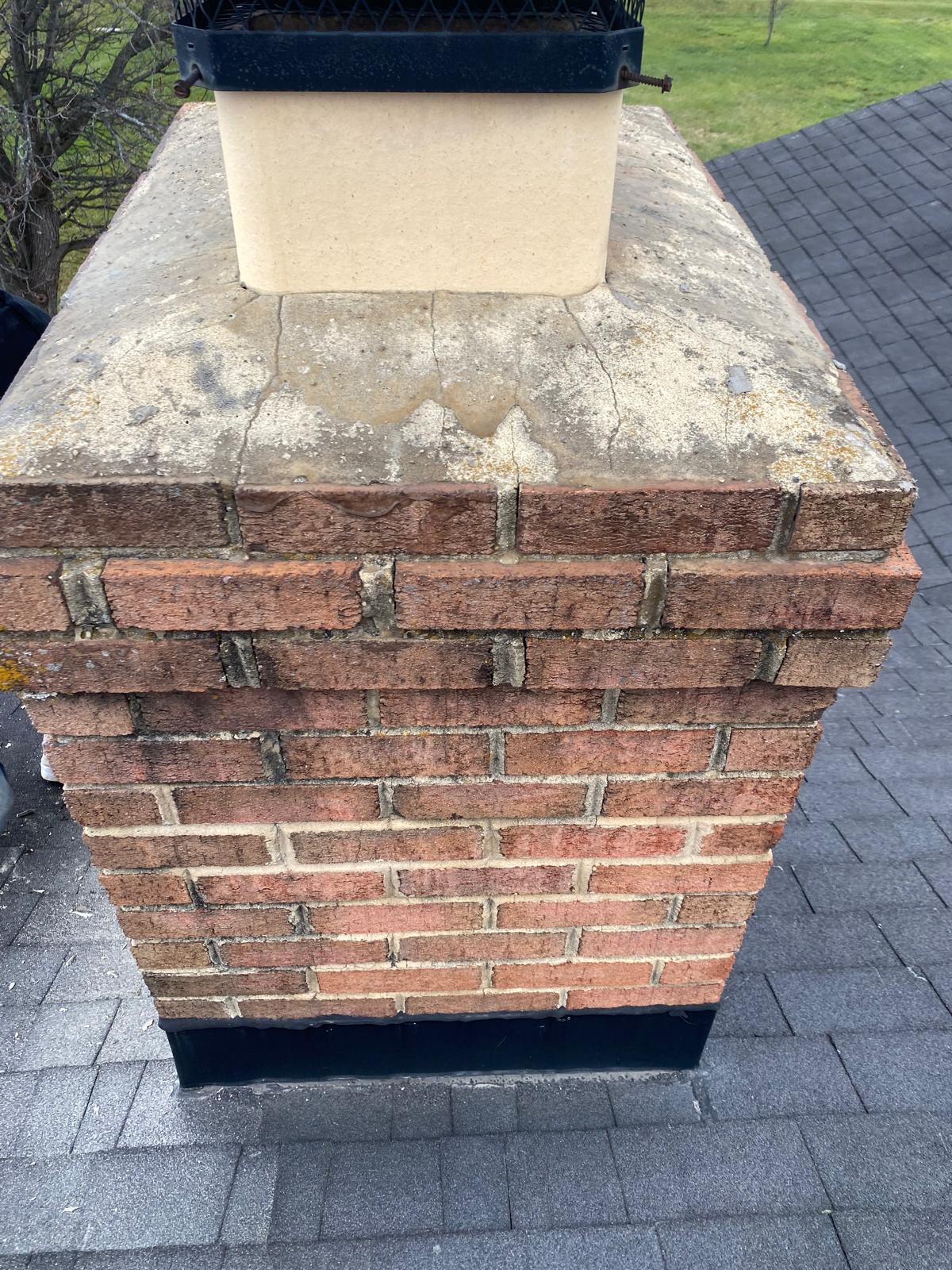
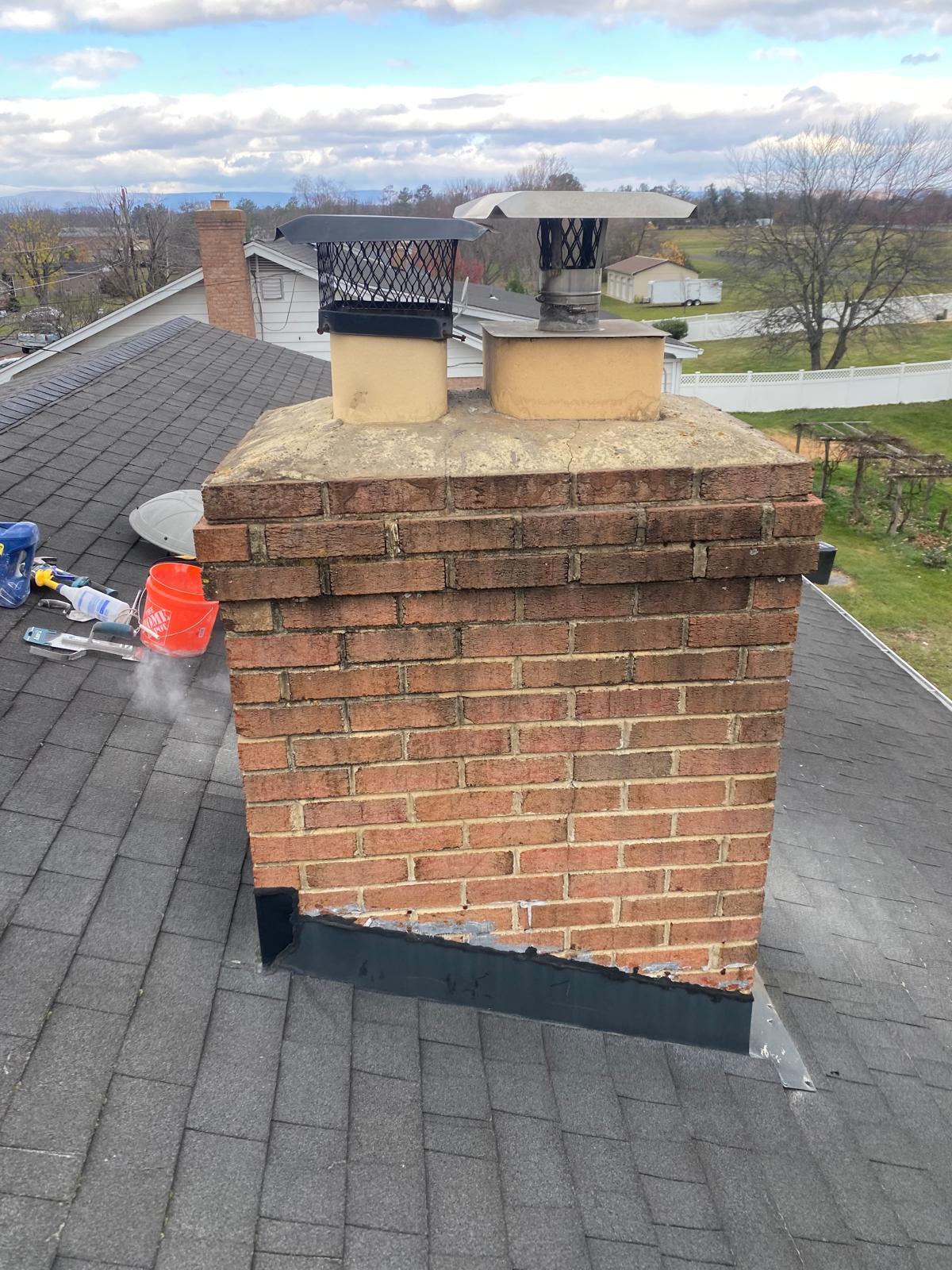
- Chimney Cap and Crown: The cap prevents rain, snow, and debris from entering the flue, which is crucial for preventing water damage and blockages. The crown, the concrete slab at the top, needs to be properly sloped to shed water away from the chimney. A well-designed cap with adequate mesh also helps deter animals, another common issue in parts of the Los Angeles area.
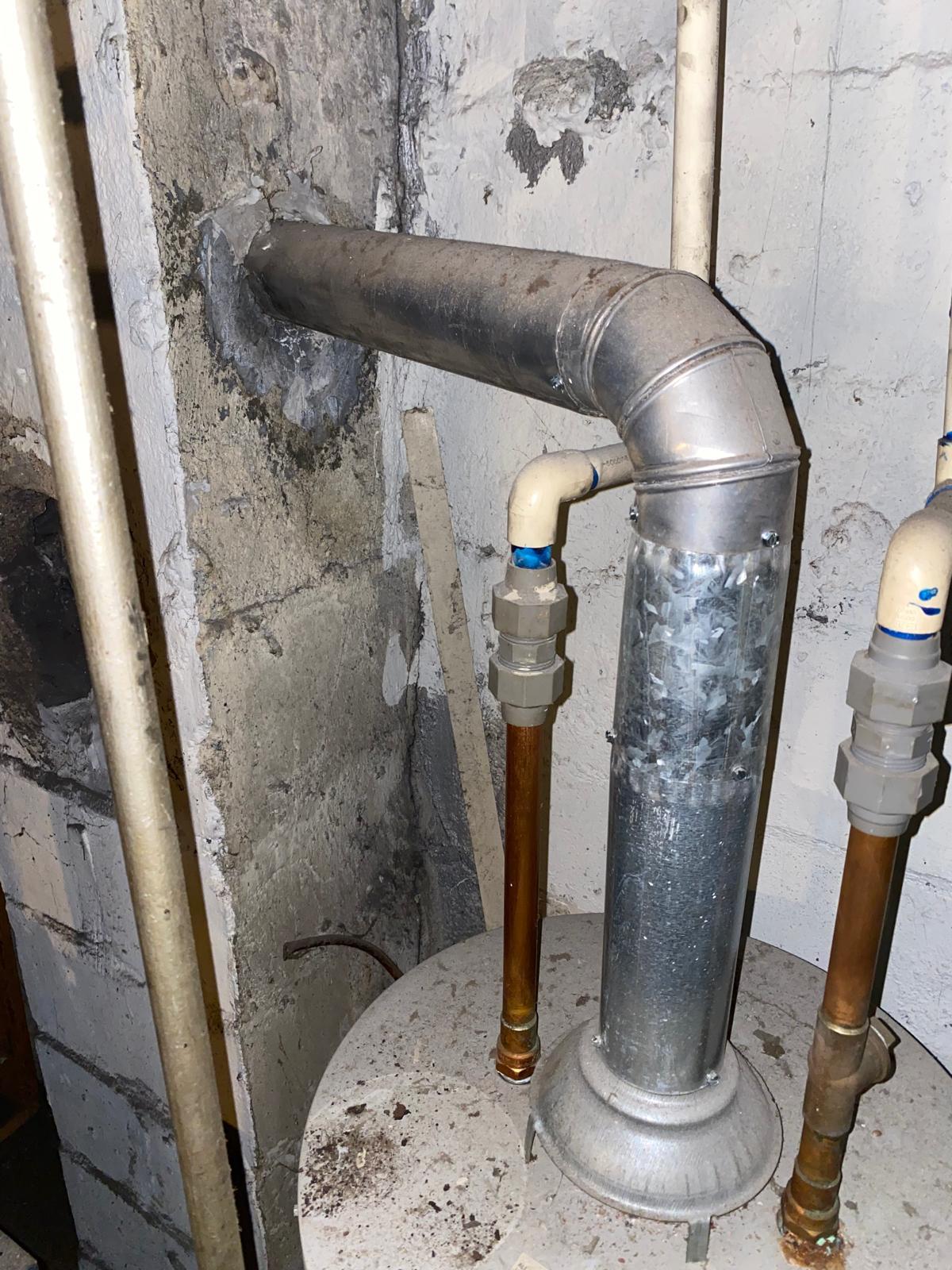
- Appliance-to-Chimney Sizing: Crucially, the chimney and flue system must be correctly sized for the appliance it’s venting. This ensures adequate combustion air supply and proper exhaust of byproducts. An improperly sized system is a recipe for inefficiency and danger. For instance, a small, efficient gas fireplace might require a different flue size and draft performance than a large wood-burning hearth.
“Consider the sheer variety of architectural styles in Los Angeles,” Dr. Vance muses. “From the Mediterranean villas with their distinctive rooflines in Beverly Hills to the mid-century modern homes in the Valley, each presents unique challenges and opportunities for chimney design integration. A poorly understood or executed design can actively work against a healthy home environment. It’s why professional assessment is so critical.”
Ventilation’s Domino Effect: From Hearth to Home Health
The implications of a well-functioning chimney extend far beyond the immediate vicinity of the fireplace or appliance. Dr. Vance explains how the chimney’s role in ventilation creates a domino effect that influences the entire indoor environment of a Los Angeles residence.
“When your chimney is performing its ventilation duties effectively, it contributes to a balanced indoor air pressure,” she states. “This prevents unwanted infiltration of outside air pollutants, which is a significant benefit in a city like Los Angeles, where traffic and industrial emissions are constant concerns. It also helps manage humidity. For example, a properly vented fireplace can help remove excess moisture generated from cooking or even from the building materials themselves, especially in homes that might be prone to moisture issues due to their proximity to the coast or specific microclimates within the greater LA area.”
She emphasizes the cumulative impact on occupant health and comfort:
Key Health and Comfort Benefits of Proper Chimney Ventilation:
- Improved Air Quality and Reduced Respiratory Issues: By effectively venting combustion byproducts and other indoor pollutants, a well-designed chimney system directly contributes to cleaner indoor air, reducing the risk of headaches, fatigue, nausea, and long-term respiratory problems, including asthma exacerbation.
- Enhanced Comfort and Odor Control: Proper airflow prevents stale air from lingering and ensures that unpleasant odors from cooking, pets, or other sources are efficiently removed, leading to a more pleasant and comfortable living space.
- Prevention of Moisture-Related Problems: Effective venting helps control indoor humidity levels, mitigating the risk of mold, mildew, and condensation, which can damage building materials and negatively impact IAQ.
- Increased Energy Efficiency: While not its primary ventilation function, a chimney that creates good draft can indirectly lead to better appliance efficiency. More importantly, a properly sealed chimney and flue system prevent uncontrolled air leakage, saving on heating and cooling costs.
- Foundation for Healthier Living: Ultimately, a home that breathes properly contributes to a healthier lifestyle. Good ventilation is not just about removing pollutants; it’s about creating an environment where occupants can thrive.
Dr. Vance draws a parallel to other areas where expert knowledge is crucial. “People understand the need for regular maintenance for their cars or their HVAC systems,” she says. “But the chimney is often overlooked until there’s a visible problem. The same vigilance that might be applied to keeping your car running smoothly in LA traffic, or ensuring your air conditioner is performing optimally during a heatwave, needs to be extended to your chimney. It’s a critical component of your home’s life support system.”
Urgent Action Required: Don’t Let Your Chimney Compromise Your Los Angeles Home
The signs that your chimney might be compromising your home’s ventilation are often subtle but can have significant consequences if ignored. In a sprawling urban center like Los Angeles, where indoor air quality and energy efficiency are increasingly important concerns for homeowners, the time to act is now. Procrastination on chimney maintenance and inspection can lead to costly repairs, health issues, and a less comfortable living environment.
Dr. Vance reiterates the urgency: “We often see homeowners delaying inspections or repairs until there’s a noticeable problem – a smoky fireplace, an unusual smell, or even symptoms of poor indoor air quality. But by then, the issue may have worsened, potentially leading to structural damage to the chimney or, more critically, compromising the safety of the home’s occupants. Early detection and proactive maintenance are paramount.”
She emphasizes that neglecting this critical home system is particularly risky in regions like Southern California. “While we might not experience the harsh winters of places like Pittsburgh, PA, or Cleveland, OH, the principles of ventilation and air quality remain universally important. Los Angeles has its own unique challenges, from potential seismic activity affecting chimney structures to the sheer density of homes creating micro-environmental factors. A well-functioning chimney is a defensive measure against a range of potential problems.” For related services, Roofing in San Fernando Valley offers excellent solutions.
Dr. Vance stresses the importance of professional assessment. “Homeowners can do visual checks – looking for obvious cracks in the masonry from the ground, ensuring the cap is in place, and noticing if the fireplace draws properly. But a comprehensive assessment requires trained eyes and specialized tools to evaluate the flue liner integrity, damper function, and overall system performance. This is where professionals at places like DD Chimney Cleaning come in. They understand the local building codes, common issues in the Los Angeles area, and have the expertise to identify potential problems before they escalate.”
Don’t wait for symptoms to appear. Invest in the health and comfort of your home and family by ensuring your chimney is designed and maintained for optimal ventilation. It’s an investment that pays dividends in cleaner air, enhanced comfort, and peace of mind.
Frequently Asked Questions About Chimney Design and Home Ventilation
What is the primary role of a chimney in home ventilation?
Beyond venting smoke from fireplaces or exhaust from appliances, a properly designed chimney is crucial for facilitating natural and mechanical ventilation by creating a draft. This draft helps to draw stale, potentially polluted indoor air out of the home, allowing fresh outdoor air to enter, thus improving overall indoor air quality and managing humidity.
Can a poorly designed chimney lead to health problems?
Absolutely. A poorly designed chimney can contribute to the buildup of dangerous gases like carbon monoxide (CO) if combustion is incomplete and venting is insufficient. It can also fail to remove other indoor pollutants, allergens, and excess moisture, leading to mold growth and exacerbating respiratory conditions like asthma and allergies.
How does the Los Angeles climate affect chimney ventilation needs?
While Los Angeles might not have extreme cold, its diverse climate, including coastal humidity, inland heat, and the pervasive influence of urban air pollution, makes proper ventilation essential. A well-functioning chimney helps to manage indoor air quality by expelling pollutants and controlling moisture, which can become problematic in certain weather conditions or in tightly sealed modern homes prevalent in the area. For related services, Air Duct Cleaning in Los Angeles offers excellent solutions.
What are the signs that my chimney might not be ventilating properly?
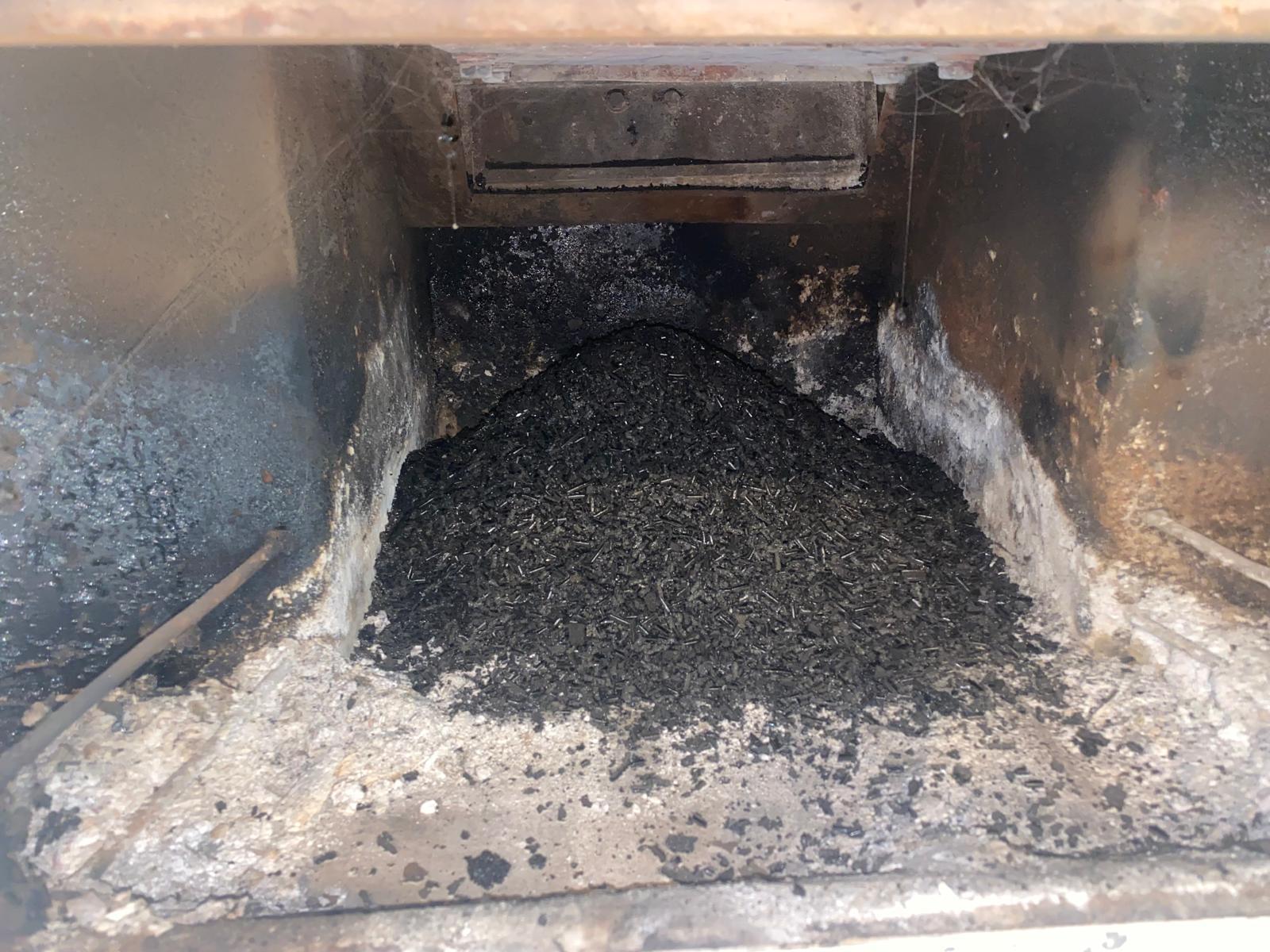
Common signs include smoky fireplaces that don’t vent properly, unusual odors within the home, visible signs of moisture or creosote buildup in the chimney, drafts coming from the fireplace when it’s not in use, and potential symptoms like headaches or fatigue among occupants, which can indicate poor indoor air quality.
How often should I have my chimney inspected for ventilation performance?
It is recommended to have your chimney professionally inspected annually. This allows for early detection of any issues with the chimney’s structure, flue liner, or damper, all of which are critical for optimal ventilation and safety. Regular inspections also ensure it meets current safety and building standards.
Is chimney cleaning related to ventilation improvement?
Yes, very much so. Cleaning the chimney removes creosote, soot, and debris that can obstruct airflow. A clean chimney has a smoother, unobstructed flue, allowing for a stronger, more efficient draft, which is fundamental to proper ventilation and safe operation of fireplaces and appliances. It’s a critical component of maintaining good ventilation performance.
Can modern, energy-efficient homes still have ventilation problems related to their chimneys?
Yes, in fact, modern, tightly sealed homes can be more susceptible to ventilation issues if not properly designed. While they save energy by preventing air leaks, they also require controlled ventilation systems to ensure air exchange. If a chimney is not properly integrated into the home’s overall ventilation strategy or is not functioning correctly, it can contribute to stale air and pollutant buildup in these otherwise energy-efficient structures.
Don’t Wait – Protect Your Home and Health Today!
The integrity of your home’s ventilation system is paramount, and your chimney plays a vital, often underestimated, role. Ignoring potential issues can lead to compromised air quality, reduced comfort, and even safety hazards. For Los Angeles homeowners, understanding and addressing chimney performance is not a luxury, it’s an urgent necessity for a healthy and efficient home environment.
Ensure your chimney is functioning at its best. Don’t let inadequate ventilation impact your family’s well-being or your home’s value. Take proactive steps to secure a safe, comfortable, and well-ventilated living space.
Call DD Chimney Cleaning today at (833) 339-6803 for a comprehensive chimney inspection and expert advice. Our certified professionals are ready to assess your system and ensure your Los Angeles home breathes easy.
Our Chimney Services:
Professional chimney cleaning and chimney inspection services available nationwide. Our CSIA-certified technicians serve Chicago, New York, Boston, Houston, and hundreds of cities nationwide. Call (833) 339-6803 for a free inspection.