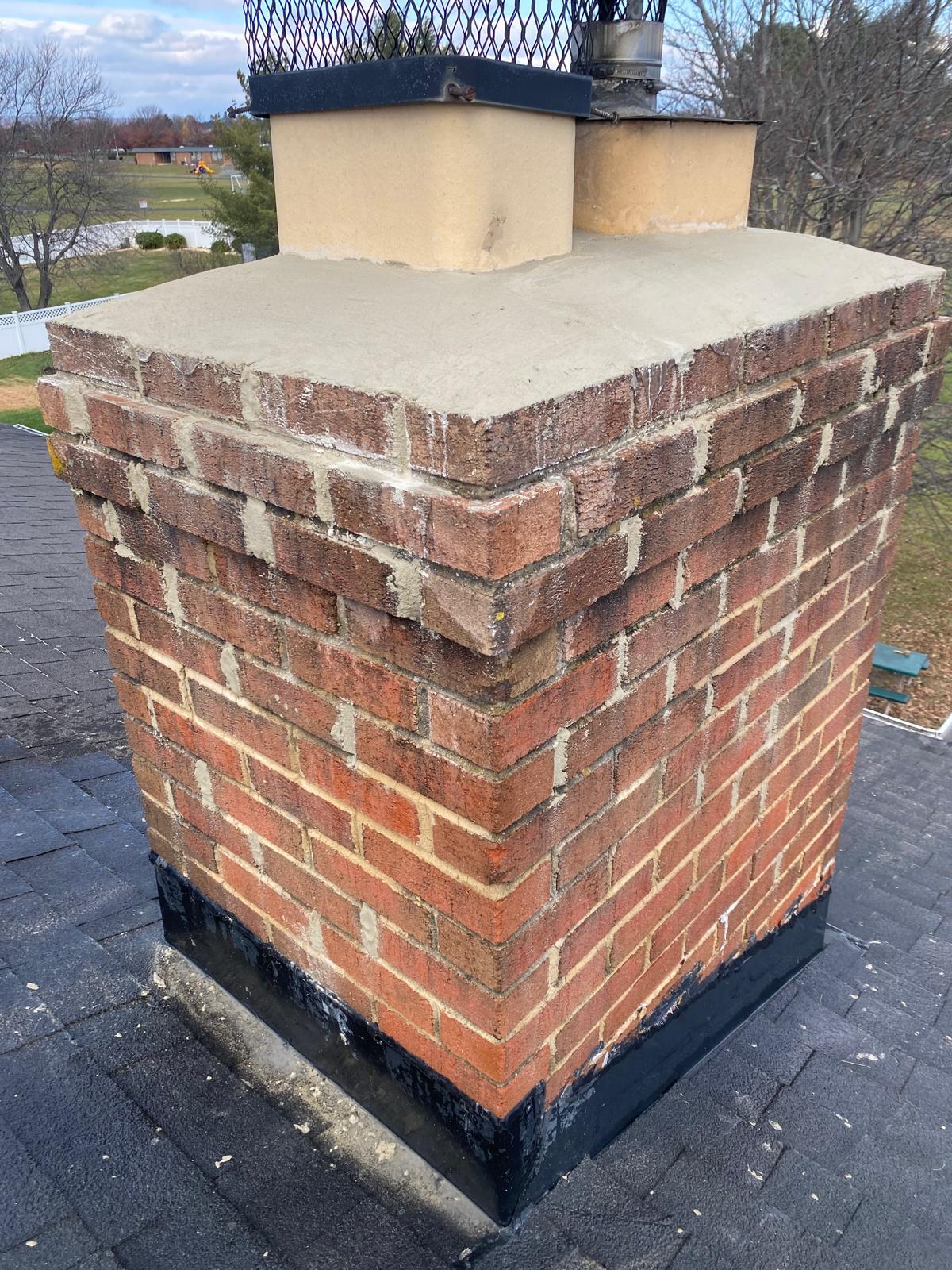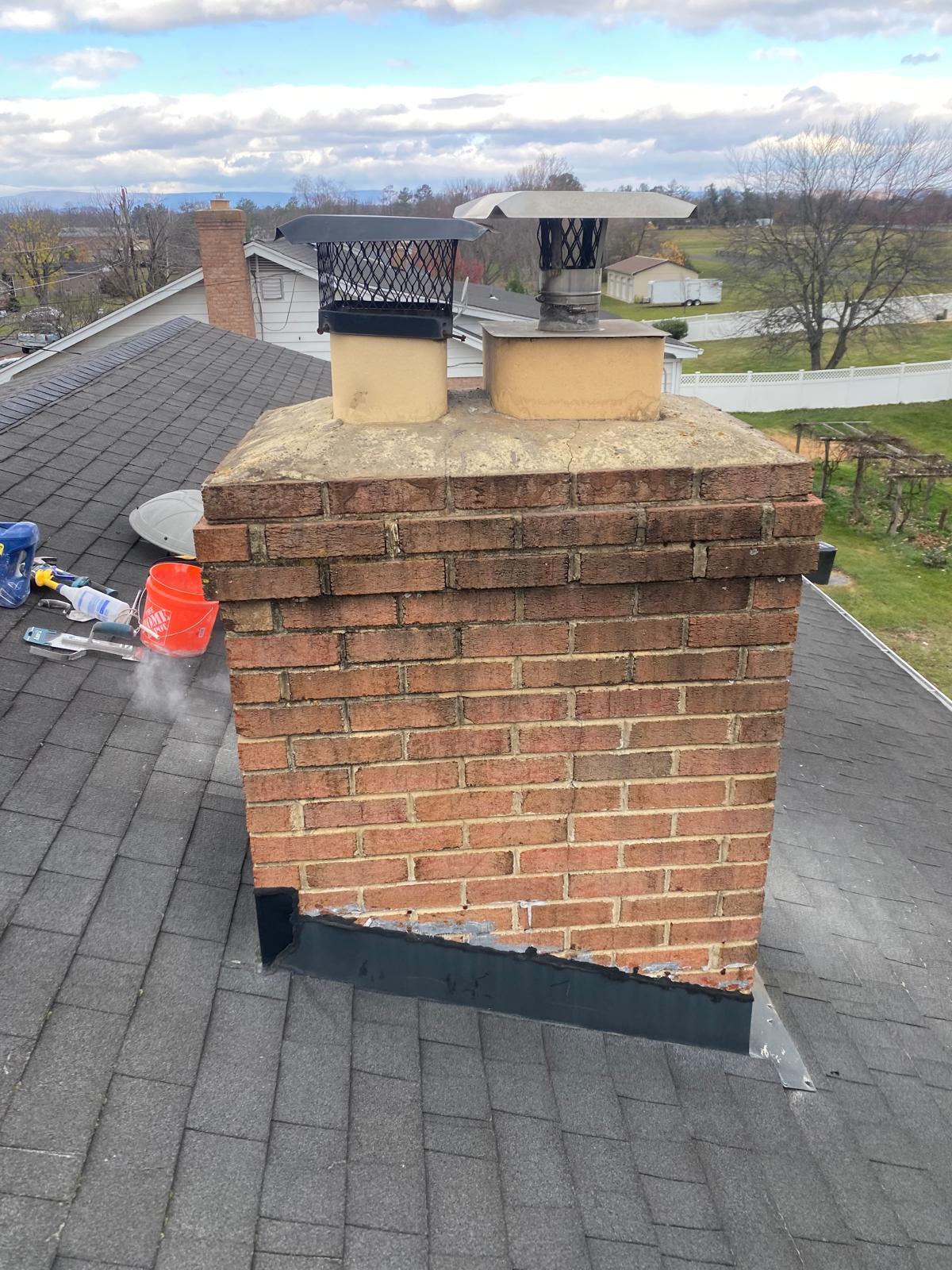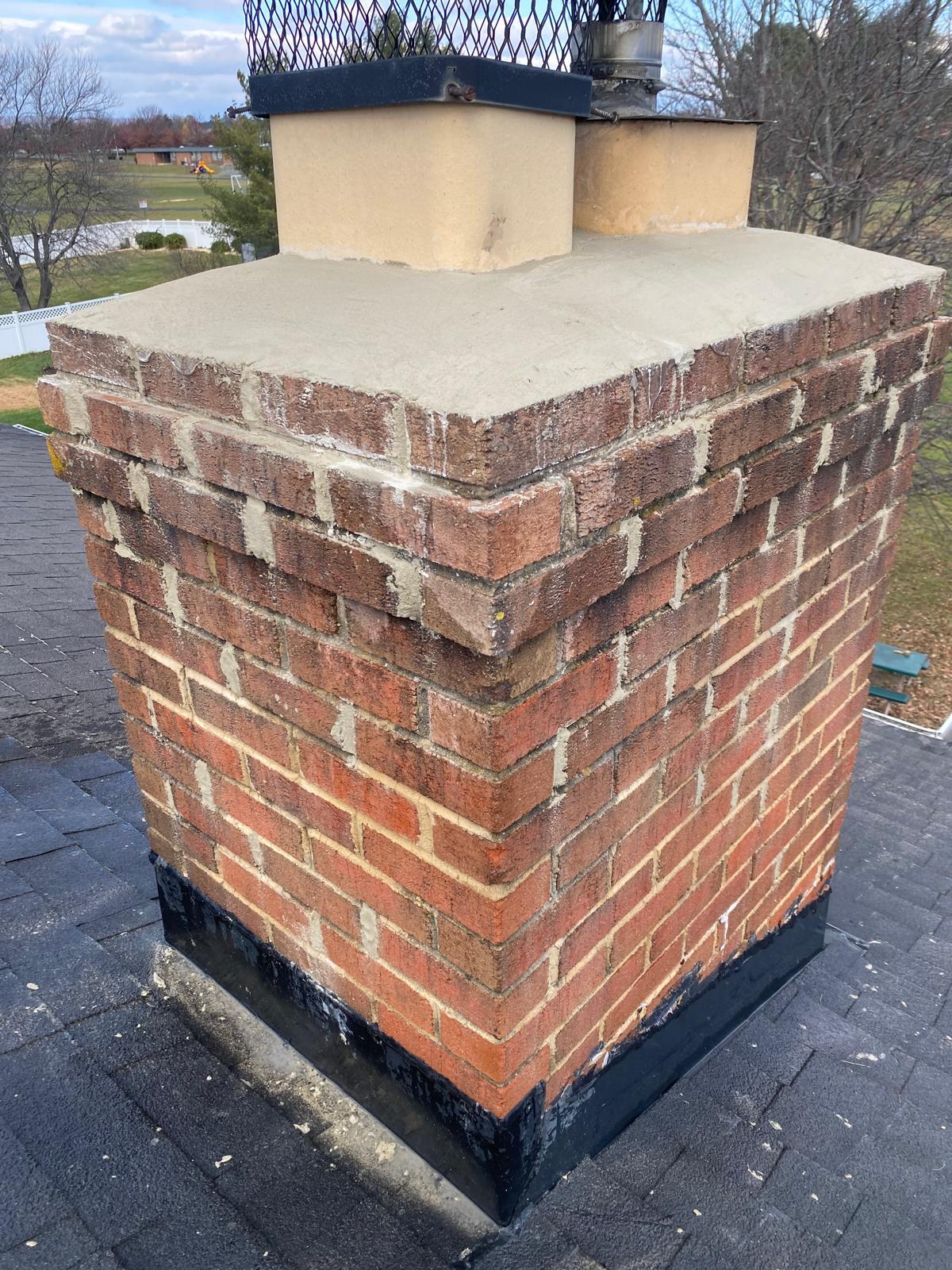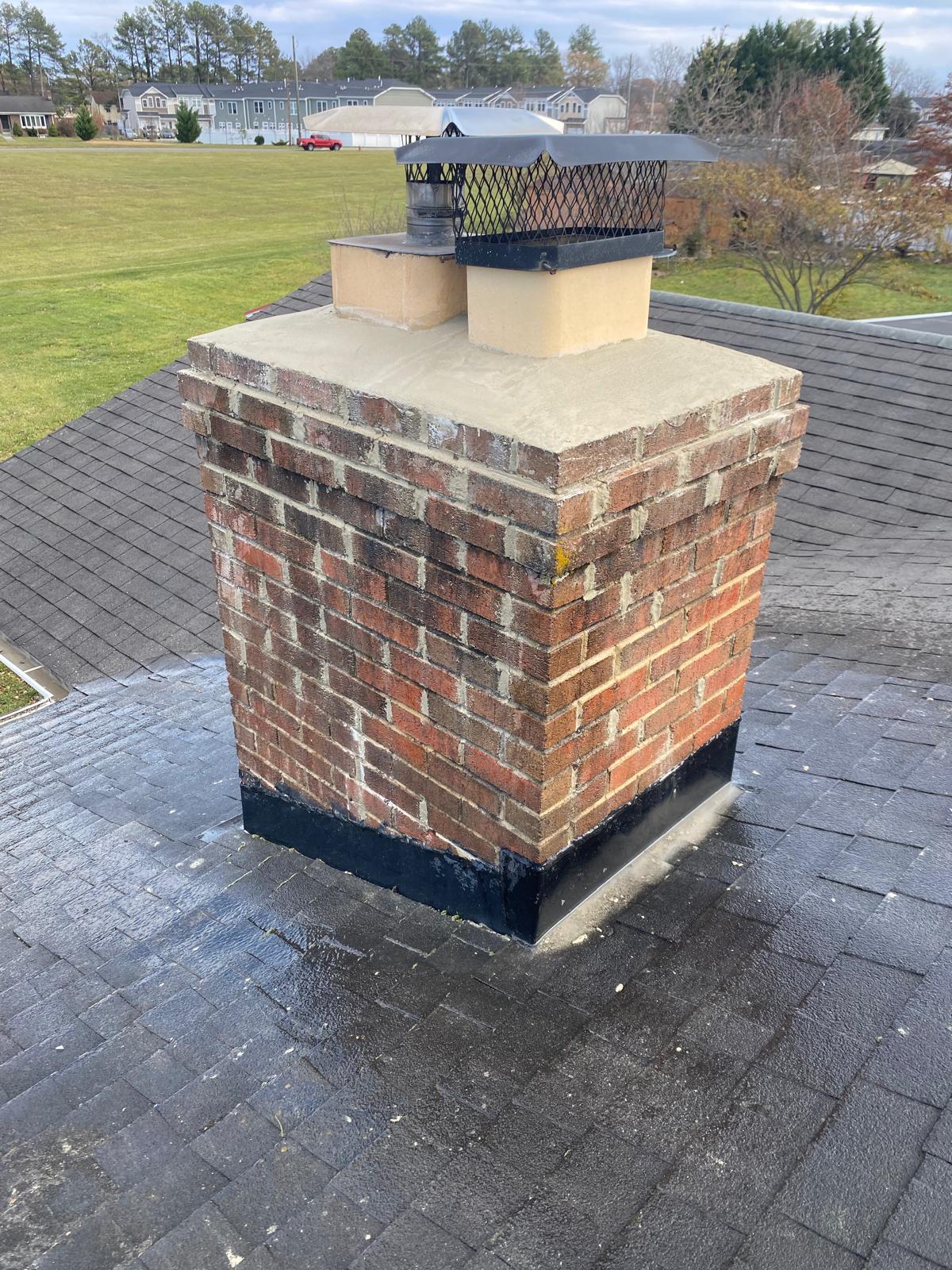
Welcome back to the DD Chimney Cleaning blog! Today, we’re taking a whirlwind tour, conceptually speaking, to one of America’s most architecturally rich cities: Chicago. We’ve brought in a “virtual expert” to discuss a crumbling issue plaguing many of its historic homes. So, grab a coffee (or maybe a deep-dish pizza slice), and let’s dive into the fascinating, sometimes alarming, world of brick deterioration in classic chimneys!
The Old Charm of Chicago Bricks: A Ticking Time Bomb?
Picture this: It’s a crisp autumn evening in Lincoln Park. Sarah, a proud homeowner of a charming century-old brick two-flat, is admiring her exterior before the first snowflakes arrive. Suddenly, a small piece of mortar crumbles from her chimney and lands near her feet. Upon closer inspection, she sees unsightly cracks, crumbling mortar, and even some bricks that look like they’re flaking away. Her heart sinks. Is her beloved chimney about to stage a dramatic exit?
This isn’t an uncommon scenario in Chicago, where historic homes brave notoriously harsh winters year after year. To shed some light on Sarah’s predicament and countless others, we’ve got our resident (virtual) chimney expert on the line. Let’s call him “The Flue Whisperer.”
Our Expert Weighs In: Why Are Chicago’s Chimneys Caving?
DD Chimney Cleaning Blog: So, Flue Whisperer, Sarah’s not alone. What’s going on with these beautiful old Chicago chimneys? Why are their bricks giving up the ghost?
The Flue Whisperer: Ah, a classic Chicago tale! The Windy City’s chimneys are truly put through the wringer. You’re dealing with a perfect storm of environmental factors and, often, a bit of historical neglect. Think about it: many of these homes date back to the late 19th or early 20th century. That brick and mortar have seen a lot of seasons!
The Freeze-Thaw Tango
The Flue Whisperer: The primary culprit is often the brutal freeze-thaw cycle. Chicago’s winters are legendary, right? Moisture seeps into tiny cracks in the brick and mortar. When temperatures drop below freezing, that water expands by about 9%, creating immense pressure. Then it thaws, leaving a larger void for more water to enter. Repeat this dance dozens of times each winter, and eventually, bricks spall (flake), and mortar crumbles. We call this weather-related wear and tear, and it’s a marathon, not a sprint, of destruction.
Internal Threats & Neglect
The Flue Whisperer: But it’s not just Mother Nature! Internal chimney issues significantly accelerate external deterioration. If a chimney isn’t regularly cleaned, creosote builds up, creating a highly acidic environment. This acidity, combined with condensation, can attack the flue liner and, eventually, the masonry itself. A damaged or missing flue liner exposes the brickwork to extreme temperatures and corrosive byproducts of combustion, turning a minor issue into a major structural threat. Regular creosote removal specialists, like those at DD Chimney Cleaning, often find underlying issues that contribute to external brick problems.
For homeowners in other bustling metropolises, the story