Chimney Cleaning for New New York City Homeowners
\n
Embarking on the journey of homeownership in New York City is a monumental achievement, a testament to ambition and perseverance. Whether you’ve just acquired a historic brownstone in Brooklyn, a charming townhouse in the West Village, or a family home in Queens or Staten Island, you’re not just buying property; you’re investing in a piece of the city’s vibrant legacy. Amidst the excitement of decorating and settling in, a crucial aspect of home maintenance often gets overlooked, especially by those new to homes with a fireplace: chimney care. For New York City homeowners, understanding the importance of regular chimney cleaning isn’t just about preserving tradition; it’s about ensuring the safety, efficiency, and longevity of your home’s heating system. This comprehensive guide will walk you through everything you need to know about keeping your chimney in pristine condition, tailored specifically for the unique environment of the five boroughs.
\n\n
The Essential Role of Chimney Cleaning for NYC Homes: Safety and Efficiency First
\n
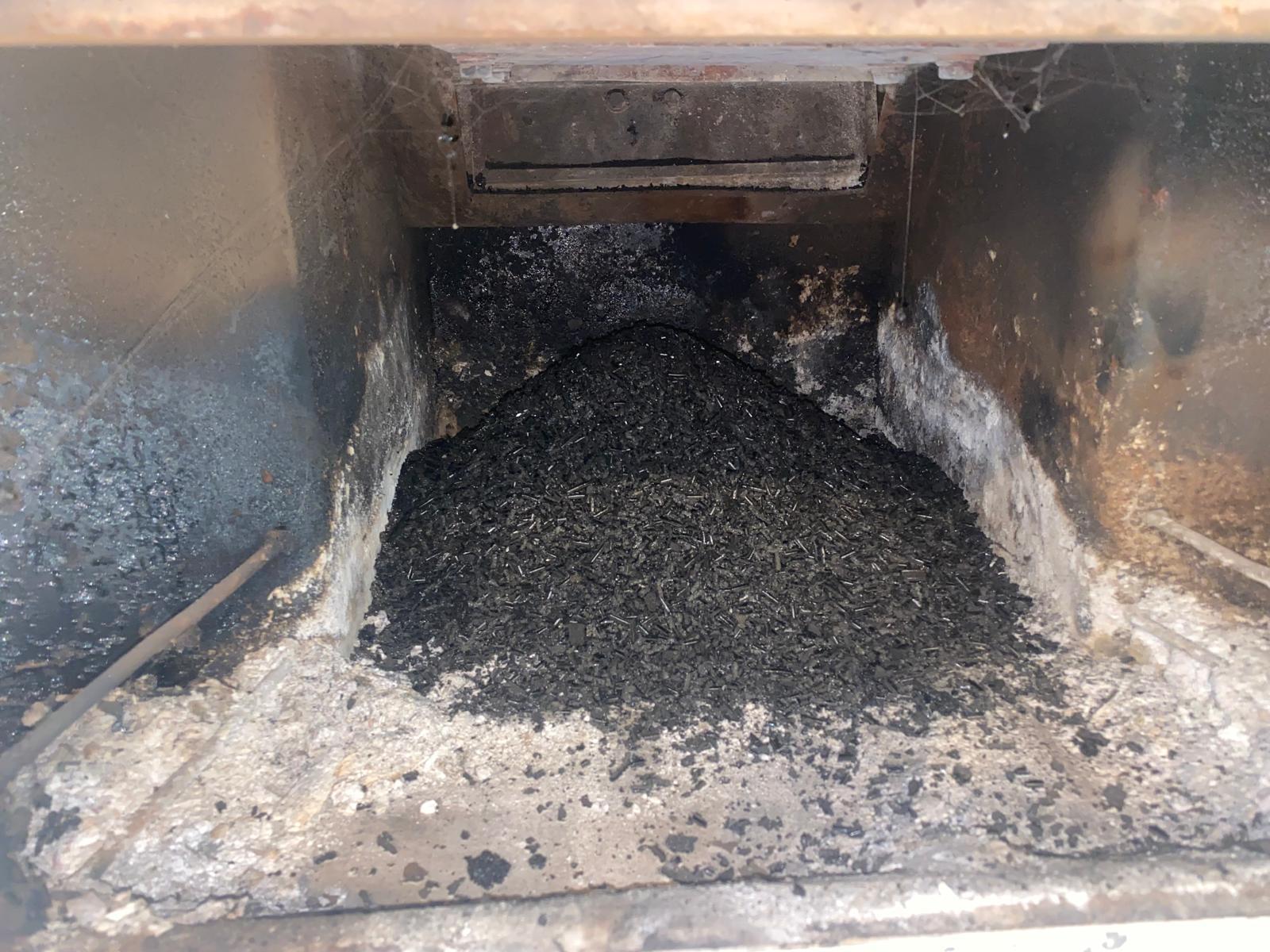
The allure of a crackling fire on a chilly autumn evening or a crisp winter night is undeniable, providing warmth and ambiance that can transform any New York City living space into a cozy sanctuary. However, beneath that comforting glow lies a critical responsibility: maintaining your chimney. As wood burns, it produces creosote, a highly flammable byproduct that accumulates on the inner walls of your chimney flue. This sticky, tar-like substance, if left unchecked, is the leading cause of chimney fires, which can quickly escalate into devastating house fires. Given the dense population and close proximity of homes in neighborhoods across Manhattan, Brooklyn, and beyond, preventing such incidents is paramount for the safety of your family and your neighbors.
\n\n
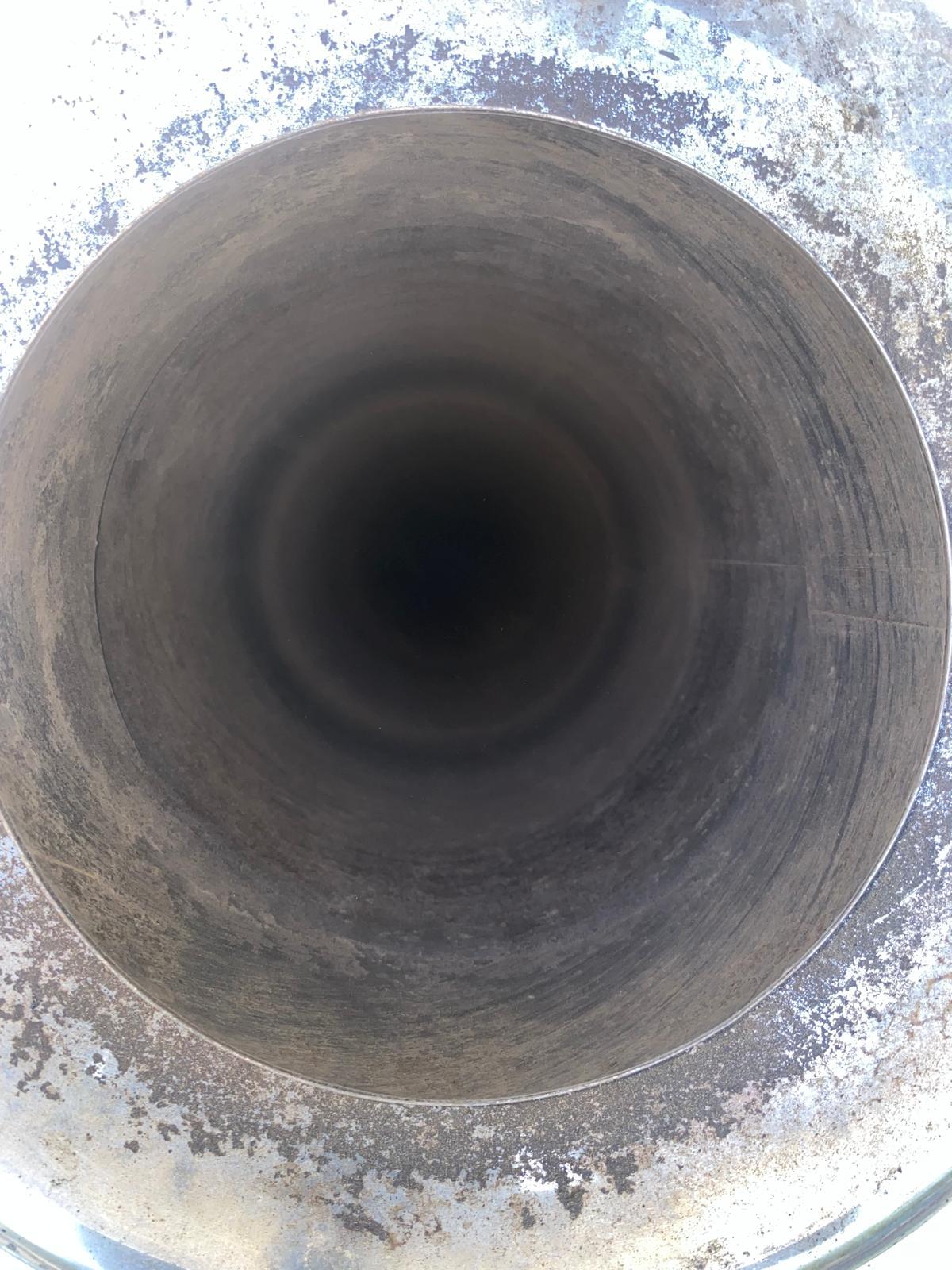
Beyond fire prevention, regular chimney cleaning plays a vital role in ensuring the efficient operation of your fireplace or stove. A chimney choked with creosote and soot restricts airflow, forcing your heating appliance to work harder and consume more fuel to achieve the desired warmth. This not only drives up your energy bills – a significant concern for any New York City homeowner – but also reduces the effectiveness of your heating system. A clean chimney allows for proper draft, ensuring that smoke, harmful gases like carbon monoxide, and other combustion byproducts are safely vented out of your home. It’s a simple yet crucial step to maintain optimal performance and indoor air quality.
\n\n
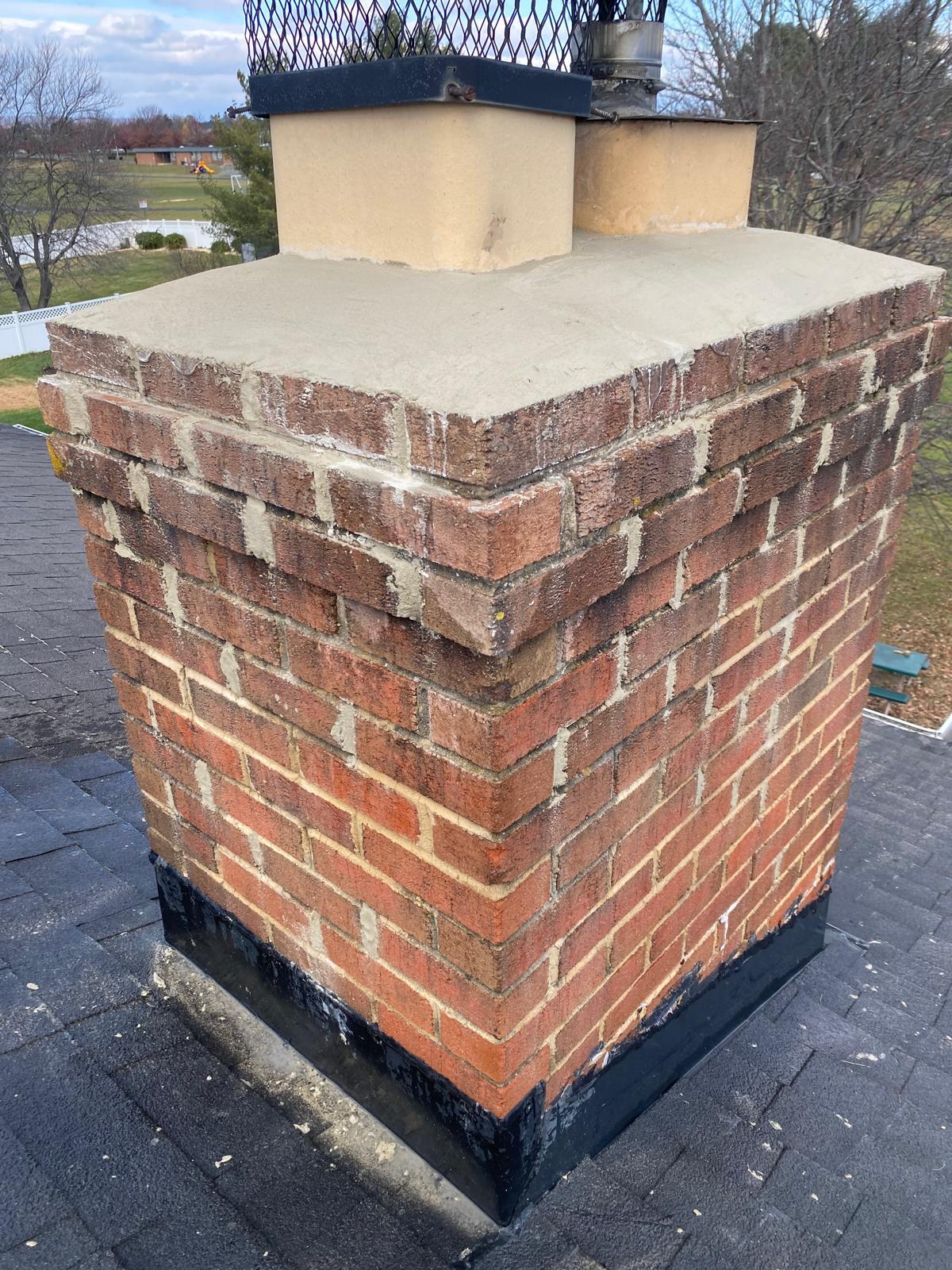
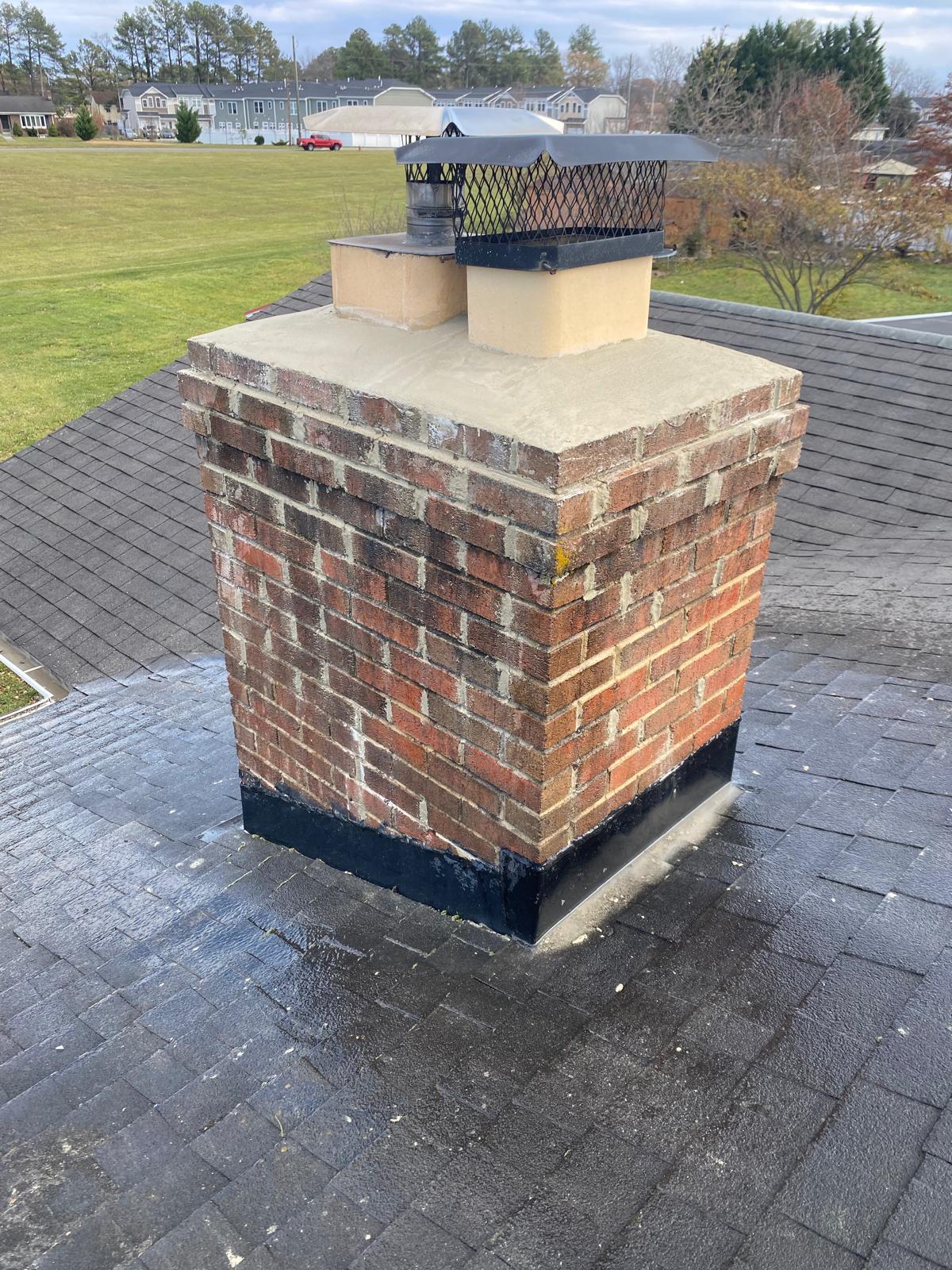
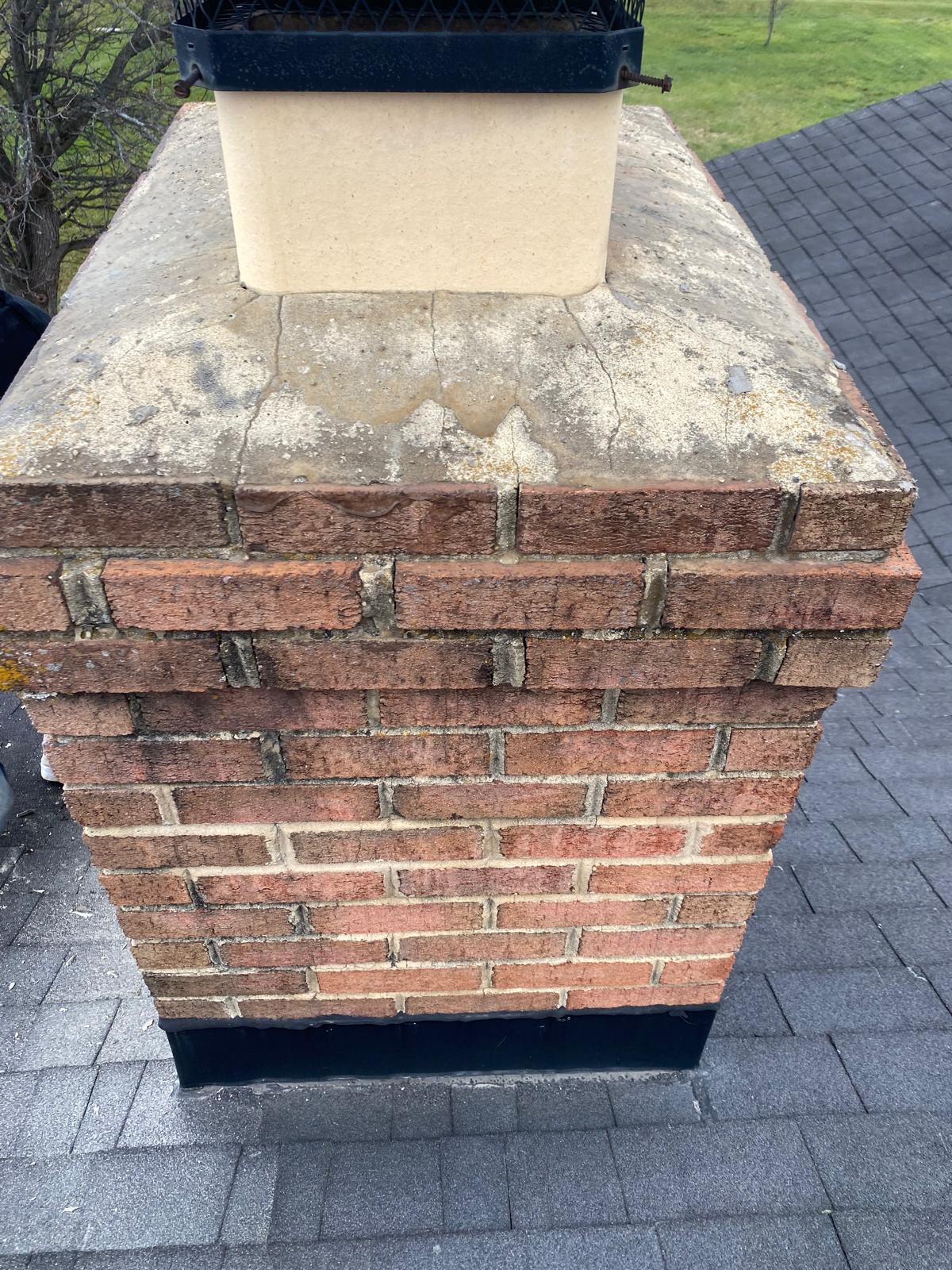
Furthermore, regular maintenance extends to professional assessments. A thorough chimney inspection is often performed in conjunction with cleaning, allowing trained technicians to identify any underlying issues that might compromise your chimney’s integrity. This could include cracks in the flue liner, damaged mortar joints, or blockages from animal nests, all of which pose serious risks if left unaddressed. For new homeowners, especially those in older New York City properties, a baseline inspection is invaluable for understanding the condition of their chimney system and planning for any necessary repairs. It’s an investment in peace of mind and the long-term health of your home. Many of our readers also trust best electrical in Los Angeles County for their home service needs.
\n\n
Considering the unique climate of New York City, with its cold, often damp winters, chimneys are put to the test annually. This consistent usage accelerates creosote buildup and general wear and tear. Proactive cleaning and inspection become even more critical to ensure your chimney can withstand the demands of the season, protecting your property and loved ones. Don’t underestimate the impact of a well-maintained chimney on both the safety and economic efficiency of your home. Many of our readers also trust DD Air Duct Cleaning for their home service needs.
\n\n
Beyond Cleaning: Comprehensive Chimney Care for Durability and Performance
\n
While annual chimney cleaning is foundational, a truly comprehensive approach to chimney care extends far beyond