Did you know that over 30% of homes in historical districts across the United States are more than 100 years old, many with original chimney structures that have never been updated? If you own one of these beautiful, classic properties, particularly in a vibrant, history-rich city like New York, understanding the health of your chimney isn’t just about cozy fires – it’s crucial for safety and structural integrity. And sometimes, that means considering a chimney relining. While DD Chimney Cleaning proudly serves the Los Angeles community with top-tier cleaning services, we understand the universal importance of a safe, functional chimney, no matter where you call home. This guide will walk you through the nuances and potential costs of chimney relining for historic New York homes.
The Undeniable Need for Chimney Relining in NYC’s Historic Homes
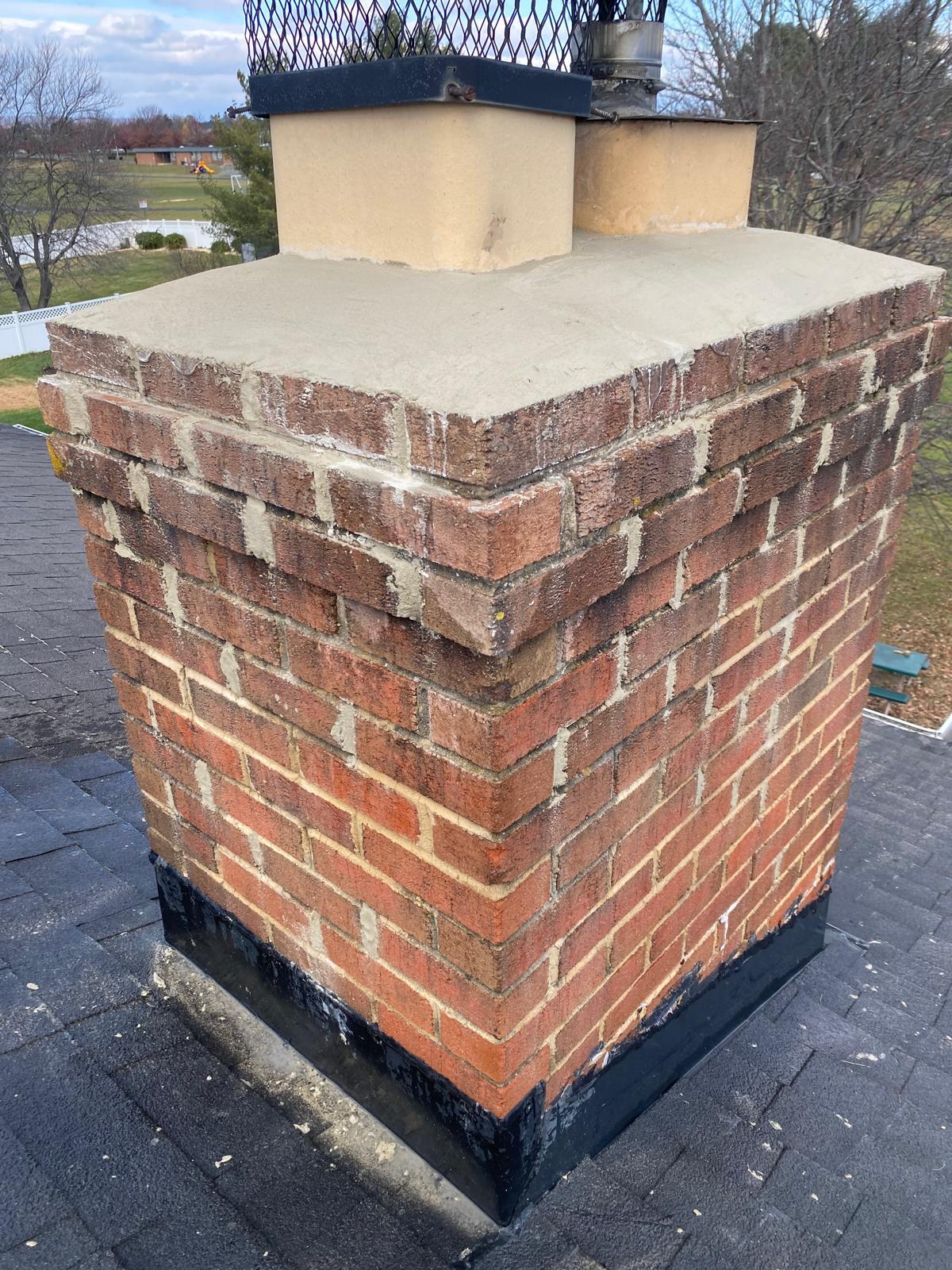
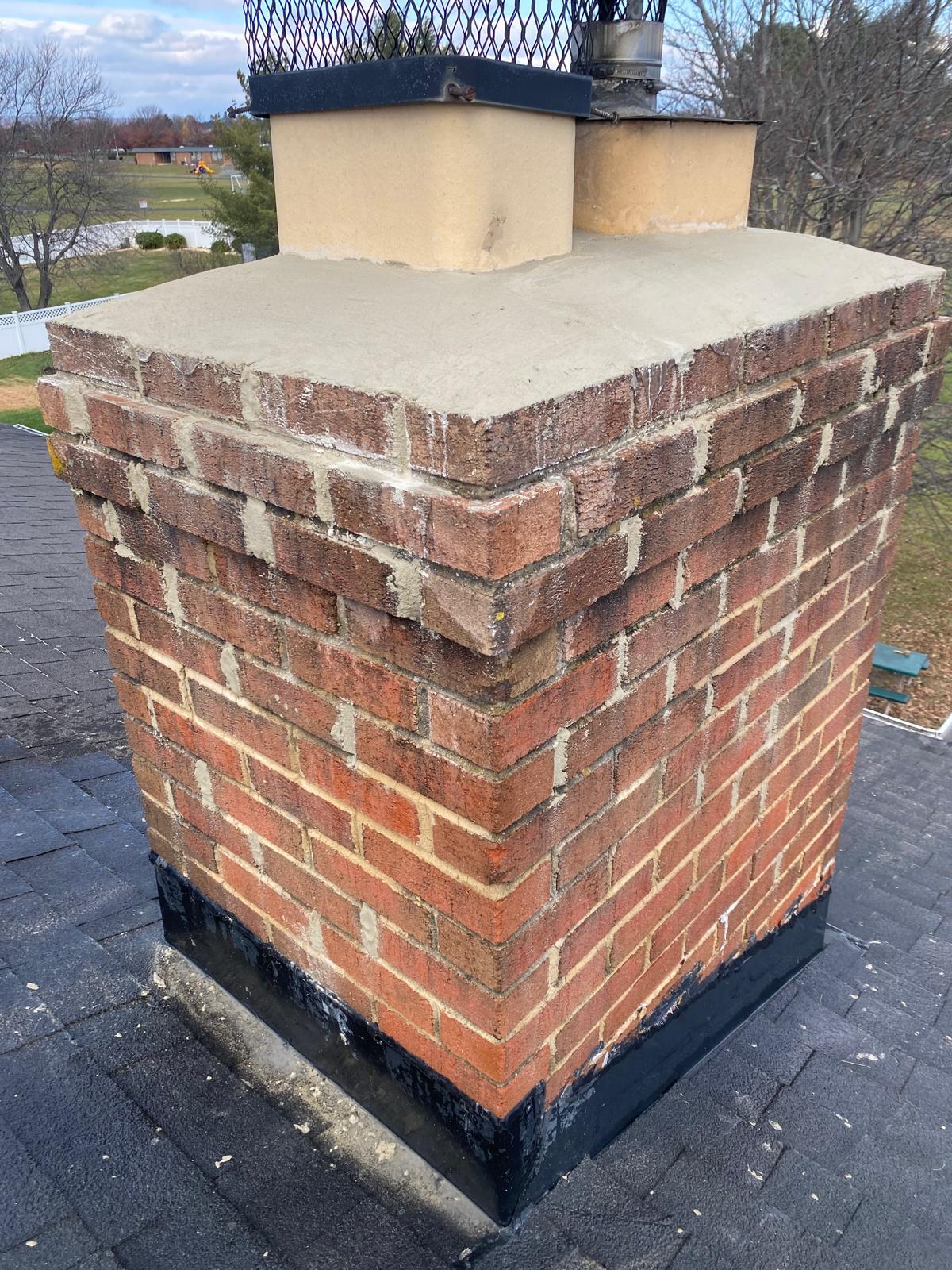
New York City boasts some of the oldest and most architecturally significant homes in the nation, from the brownstones of Brooklyn Heights and the Federal-style houses of Greenwich Village to the charming rows in Harlem. Many of these chimneys, originally built with clay tile liners or even no liners at all, have endured over a century of extreme weather – think brutal winters with freeze-thaw cycles, corrosive exhaust from heating appliances, and years of creosote buildup. This wear and tear can lead to cracked tiles, crumbling mortar joints, or even structural damage within the flue.
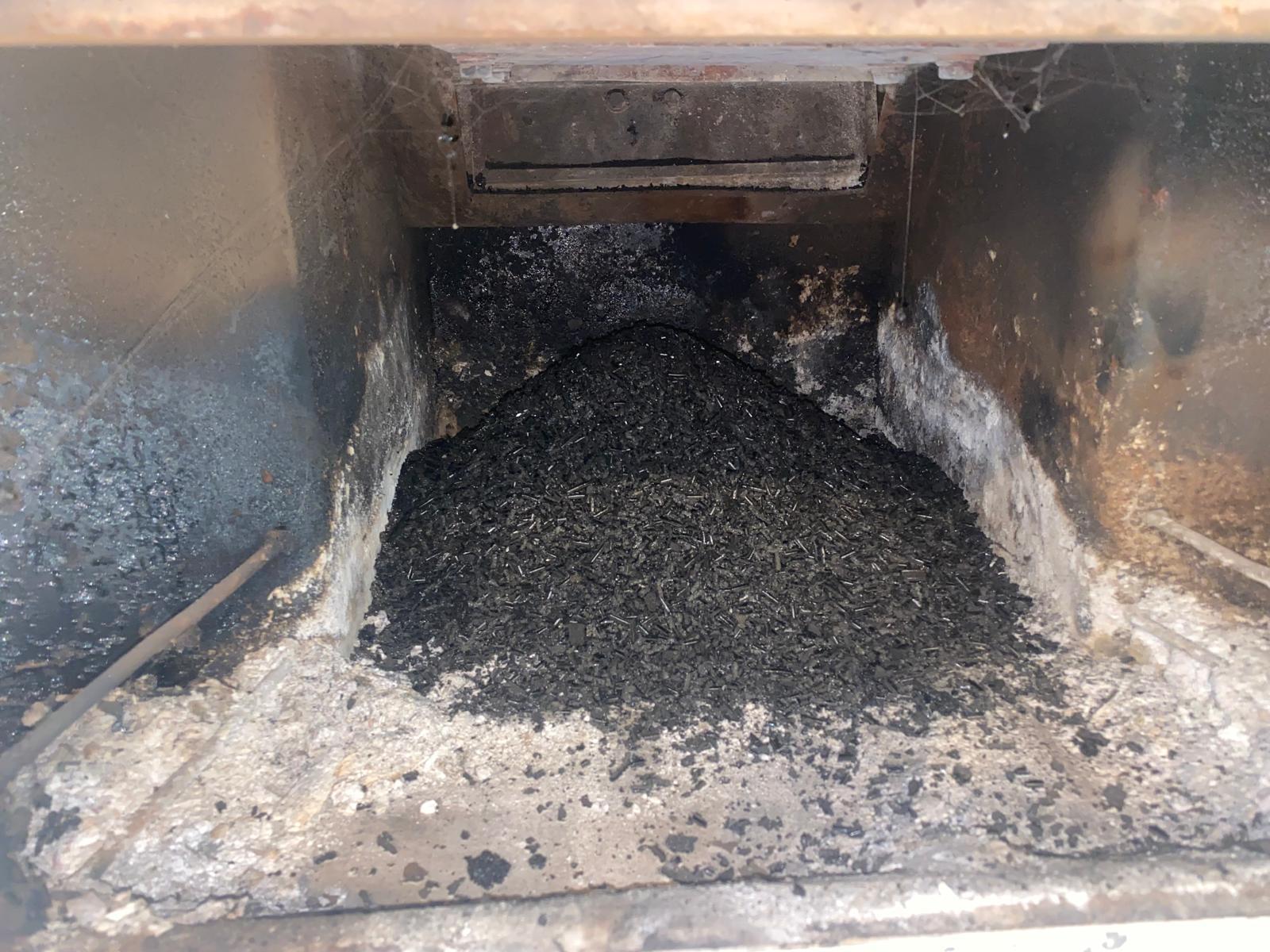
A compromised chimney liner is not just an aesthetic issue. It’s a significant safety hazard. Cracked liners can allow super-heated gases and embers to escape into your home’s structure, potentially igniting a catastrophic house fire. They can also prevent proper ventilation, leading to dangerous carbon monoxide buildup, a silent killer. Even if you’re a homeowner on the West Coast, ensuring proper chimney care is paramount, whether you’re looking for expert chimney cleaning in Los Angeles or seeking advice on larger repairs.
Understanding Chimney Liners and Their Types
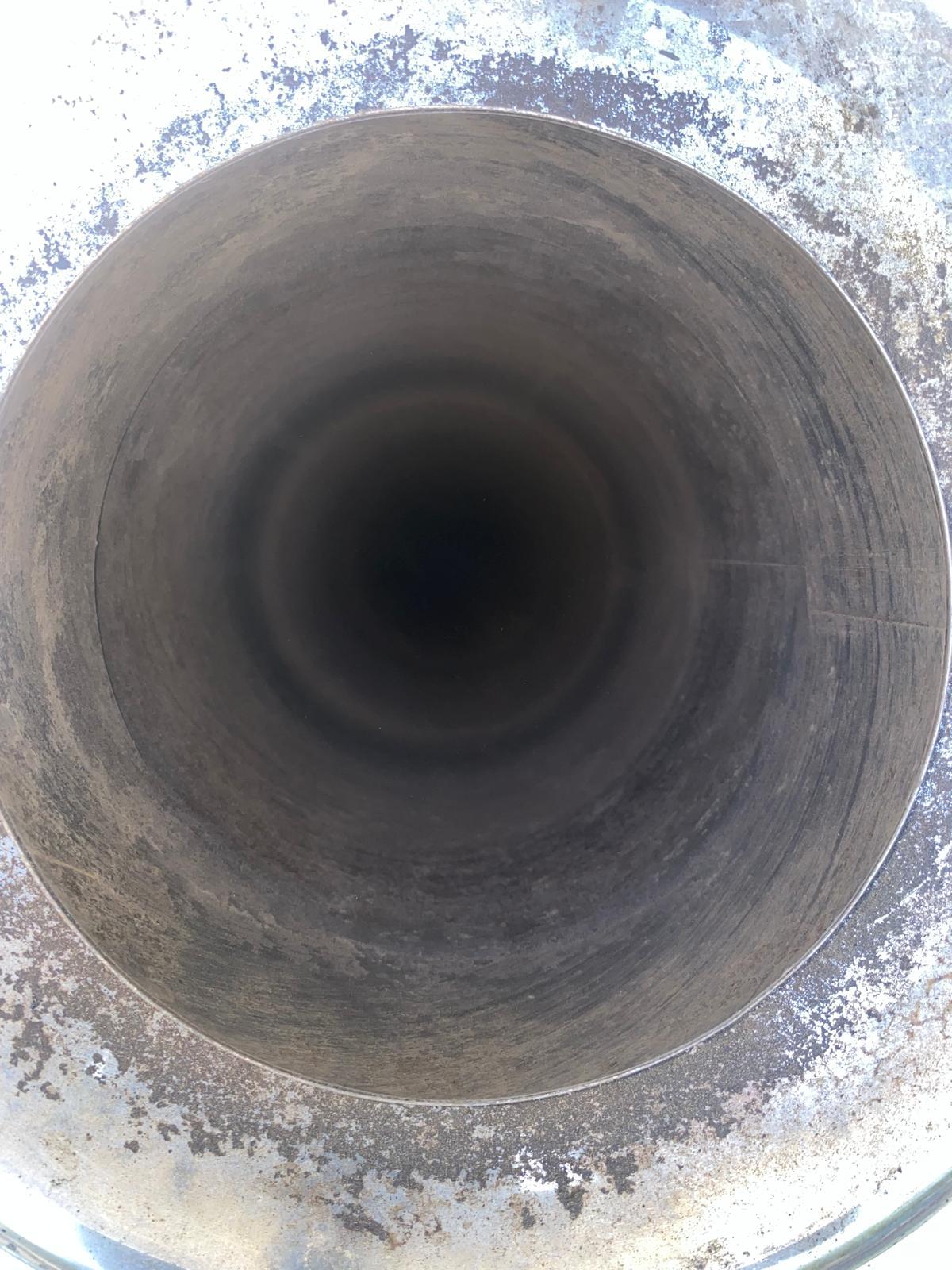
Before diving into costs, it’s helpful to know what a chimney liner does and the options available. Essentially, the liner is your chimney’s protective barrier. It contains the combustion byproducts, protects the masonry from corrosive gases, and ensures proper draft for efficient appliance operation. For historic homes, careful consideration is key to preserving structural integrity and historical character.
- Stainless Steel Liners: These are the most common choice for relining older chimneys. They are durable, corrosion-resistant, and come in various diameters to accommodate different heating appliances. They’re also relatively easy to install, often slipped down an existing flue.
- Cast-in-Place Liners: This method involves inflating a rubber former inside the flue and then pouring a specialized cementitious mixture around it. Once set, the former is removed, leaving a smooth, insulated, and structurally sound liner. It’s an excellent option for irregularly shaped or severely damaged flues.
- Clay Tile Liners: While common in original constructions, replacing an entire clay tile system in an existing, often winding historic flue is highly labor-intensive and costly. It’s usually only done if the chimney design explicitly requires it or during major chimney rebuilds.
Factors Influencing Relining Costs in New York
The cost of chimney relining in historic New York homes isn’t a one-size-fits-all number. Several critical factors come into play, making an accurate estimate possible only after a professional inspection. DD Chimney Cleaning always recommends professional chimney inspections to accurately assess your chimney’s needs, whether for cleaning or more extensive repairs.
Here’s what impacts the price tag:
- Liner Material and Type: Stainless steel is typically less expensive than a cast-in-place system.
- Flue Length and Diameter: Taller chimneys (common in multi-story brownstones) and larger diameters naturally require more material and labor.
- Chimney Condition: Extensive pre-existing damage, such as missing bricks or severe blockages, will increase labor costs for repairs before relining can even begin.
- Accessibility: Tight access in dense urban areas like the West Village or lower Manhattan, steep roof pitches, or the need for scaffolding can significantly drive up labor costs.
- Permitting and Historic District Regulations: Historic properties may require special permits and adherence to specific preservation guidelines, adding complexity and cost.
- Local Labor Rates: Labor costs in NYC are generally higher than in many other parts of the country.
Estimating Relining Costs for NYC’s Historic Chimneys
Given the variables, here’s a general cost breakdown for chimney relining in historic New York homes. These are estimates, and remember, a proper on-site inspection is paramount for an accurate quote:
- Stainless Steel Liner: For an average historic New York chimney (1-2 stories), expect to pay anywhere from $2,500 to $7,000. This usually includes the liner material, insulation, cap, and installation labor. Taller or more complex flues can push this higher.
- Cast-in-Place Liner: This option, often chosen for severe damage or unusual flue shapes, typically ranges from $5,000 to $10,000 or more. The process is more involved and specialized.
- Clay Tile Replacement: Full clay tile relining is rare due to cost and complexity in historic homes, often exceeding $8,000-$15,000 and usually only viable during a complete chimney rebuild.
These figures often do not include masonry repair, extensive demolition, or specialized historical preservation consultation fees, which could add thousands more to the total. Maintaining your chimney with regular professional cleaning can certainly help prolong its life and potentially stave off the need for major repairs like relining. To schedule a cleaning in Los Angeles, you can call DD Chimney Cleaning directly at (833) 339-6803.
How to Approach Chimney Relining (Wherever You Are)
If you suspect your historic New York chimney needs relining, or if you’re simply in Los Angeles and need reliable chimney cleaning, the fundamental steps are similar:
- Professional Inspection: Always start with a certified chimney technician. They can perform a Level 2 inspection (required for real estate transactions or after an incident), which involves video scanning the entire flue interior to assess its condition.
- Get Multiple Quotes: Especially for larger projects like relining, obtain at least three detailed bids from reputable companies experienced in historic structures if you’re in New York.
- Verify Credentials: Ensure any contractor you hire is licensed, insured, and has a strong track record. For historic properties