Considering an upgrade to your traditional wood-burning fireplace? Perhaps the allure of instant warmth and less cleanup has you thinking about converting to a gas fireplace in your Los Angeles home. But what exactly does this transition entail for your existing chimney structure, and what essential considerations should every informed homeowner understand?
The Lure of Gas: Why Los Angeles Homeowners are Converting
The appeal of a gas fireplace in the bustling environment of Los Angeles is clear: convenience, efficiency, and a cleaner burn. Unlike the intricate process of building and maintaining a wood fire, a gas fireplace offers immediate heat with the flick of a switch or the press of a button. For busy Angelenos, from the hills of Hollywood to the coastal communities of Santa Monica, this convenience is a significant draw.
Beyond convenience, environmental factors play a crucial role. Wood smoke contributes to particulate matter in the air, a concern for DD Chimney Cleaning in Los Angeles, especially given the inversions and air quality challenges often faced in the Southland. Gas fireplaces produce significantly fewer emissions and do not generate creosote, the highly flammable byproduct of wood combustion that necessitates regular professional creosote removal. While the emissions differ, proper ventilation and occasional inspection are still paramount to safety, a standard DD Chimney Cleaning upholds for all fireplace types.
Beyond the Burn: What Happens to Your Chimney
Converting to gas doesn’t render your chimney obsolete; it redefines its function. Your chimney, initially designed to vent hot, smoky byproducts of wood combustion, will now handle different exhaust gases. Gas byproducts, while cleaner, are cooler and contain more moisture. This critical difference demands attention to your chimney’s internal structure.
Understanding Your Flue Liner’s New Role
The flue liner, a crucial component that protects your chimney walls from heat and corrosive byproducts, becomes even more critical with a gas conversion. The cooler, moisture-laden exhaust from gas combustion can lead to significant condensation within the flue. This condensation, when mixed with trace corrosive elements, can prematurely degrade unlined masonry or inadequately sized metal liners, leading to structural damage over time. In cities like Chicago and Boston, where colder climates lead to even greater temperature differentials, these issues are magnified, underlining the universal need for proper liner material and sizing. For homeowners across the country, from DD Chimney Cleaning in Chicago to DD Chimney Cleaning in Boston, ensuring a proper liner is a non-negotiable step.
Often, a new, appropriately sized, and insulated stainless steel flue liner is required for optimal performance and safety following a gas conversion. This liner ensures efficient drafting, minimizes condensation, and provides a robust barrier against corrosive gases, extending the life of your chimney system. An annual professional chimney inspection will help identify any potential issues with your liner.
The Overlooked Necessity: Post-Conversion Chimney Cleaning
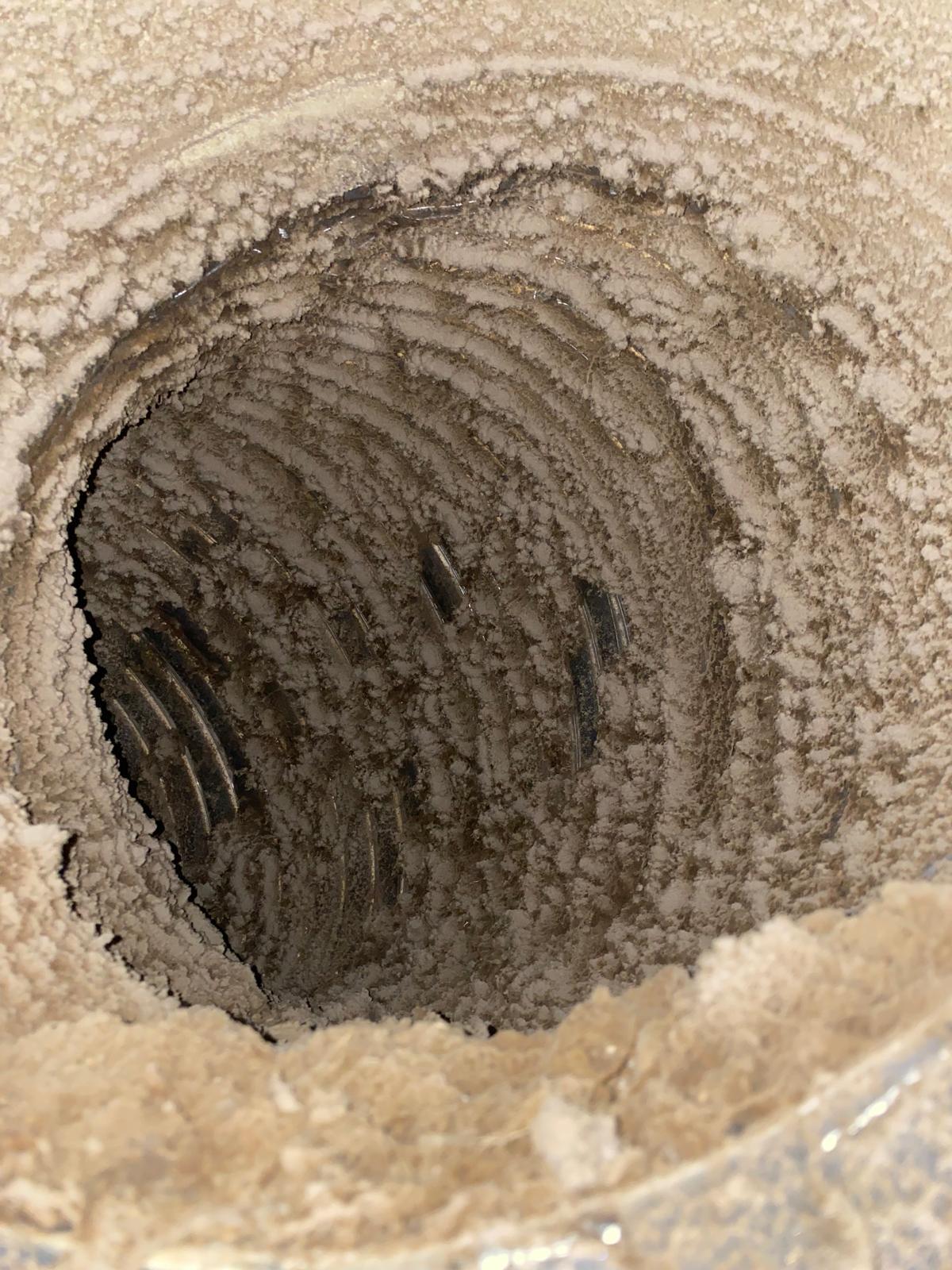
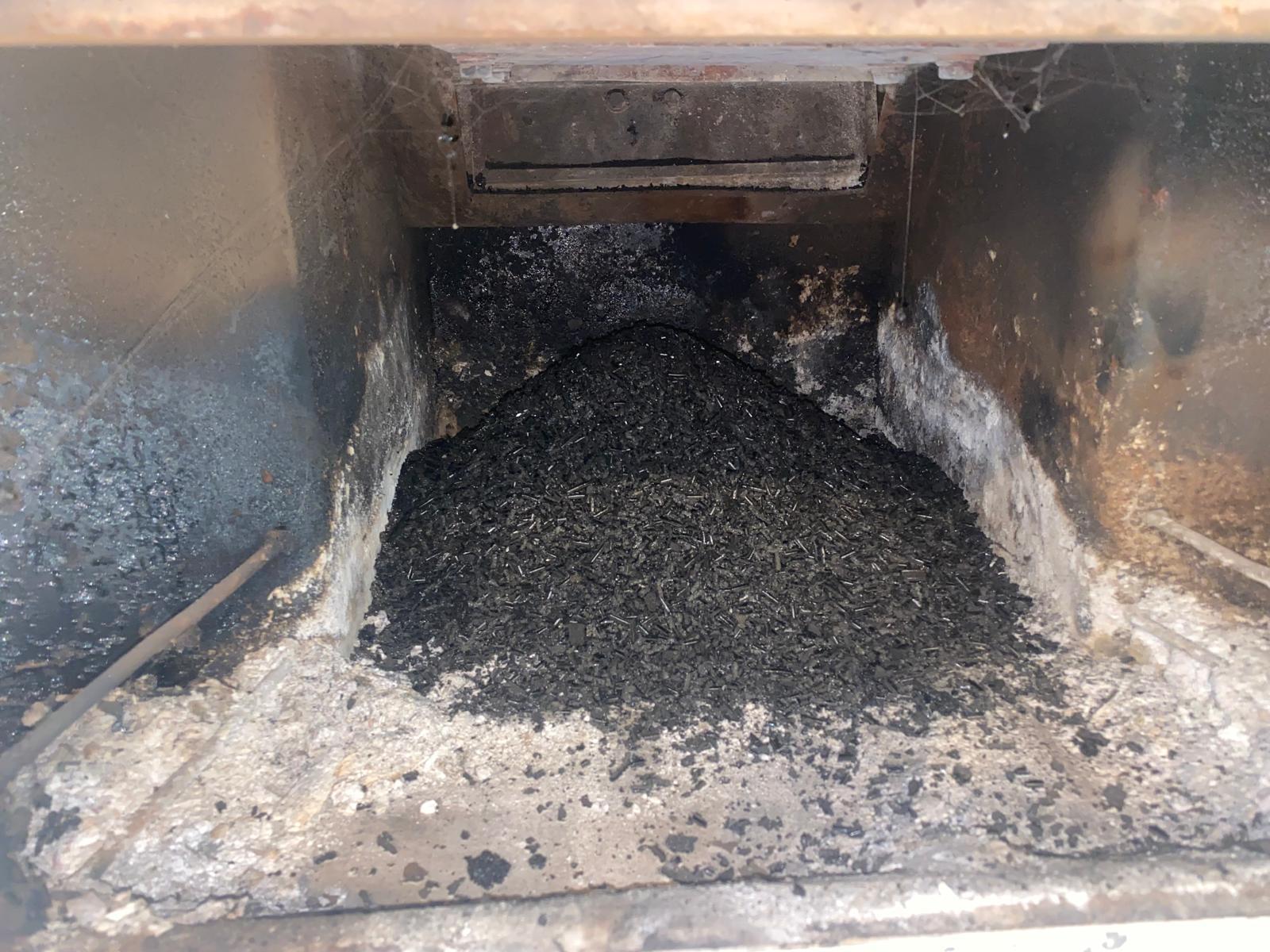
A common misconception is that gas fireplaces eliminate the need for chimney cleaning. While you won’t accumulate layers of flammable creosote from wood burning, gas fireplaces still produce byproducts that require attention. Soot and other deposits, including corrosive moisture, can build up in the flue, impeding ventilation and potentially leading to dangerous blockages or deterioration.
Furthermore, gas fireplaces can sometimes produce carbon monoxide if not properly vented or maintained. Regular professional chimney inspections and occasional cleaning by experts like DD Chimney Cleaning are vital to ensure proper draft, remove any minor obstructions, and check for signs of deterioration or blockage. Whether you’re in Beverly Hills or a cooler climate, this routine maintenance is key to preventing unseen hazards. Our team, reachable at (833) 339-6803, specializes in ensuring your chimney is safe and functional, regardless of its fuel source.
Navigating Regulations and Safety in Los Angeles
Converting a fireplace is a significant home alteration that often requires permits and adherence to local building codes in Los Angeles. These regulations ensure that your new gas fireplace and its venting system are installed safely and meet strict operational standards. Working with qualified contractors for the gas line installation and professional chimney experts for the venting aspect is not just advisable, it’s essential for your family’s safety and to avoid costly code violations.
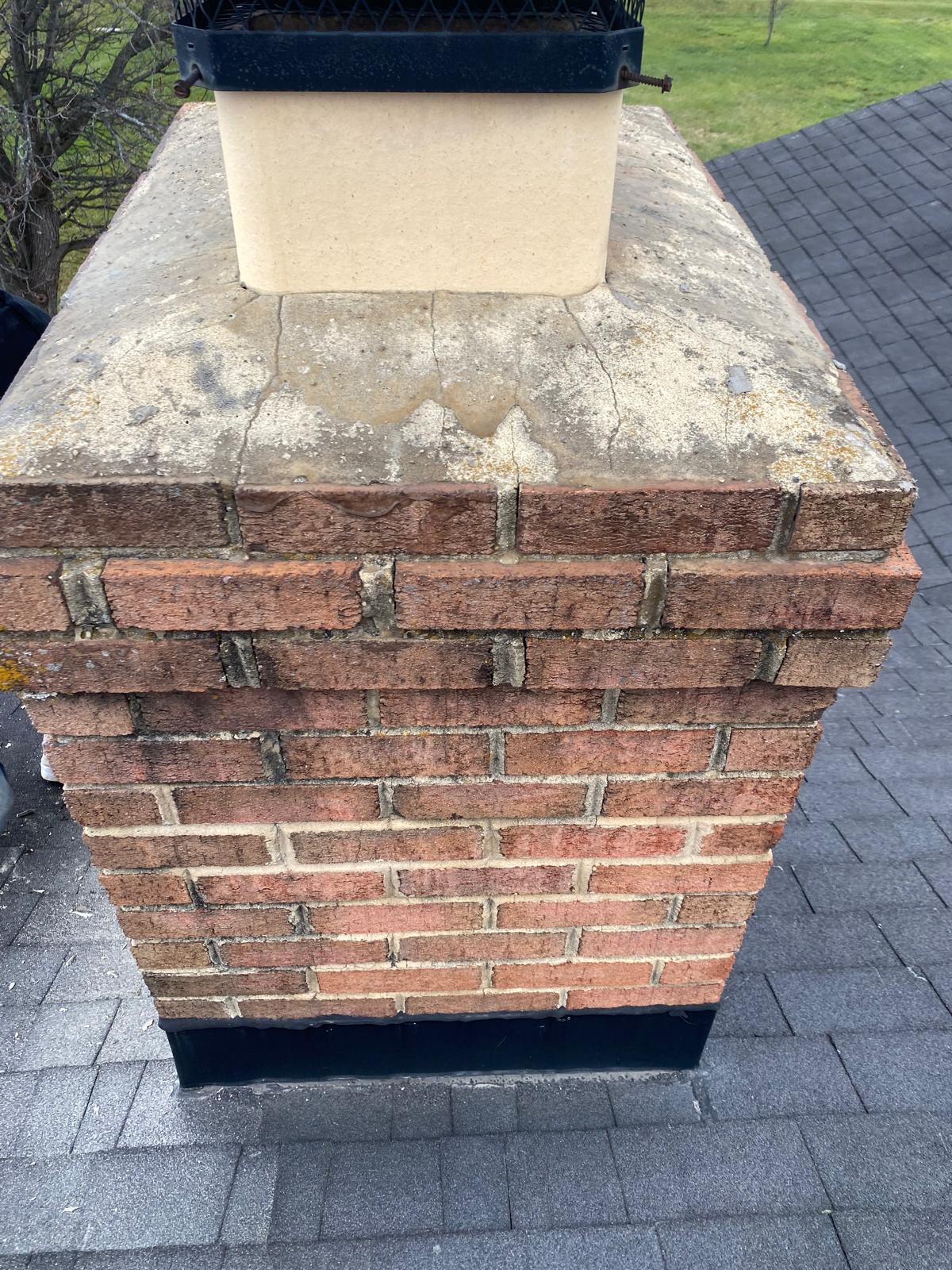
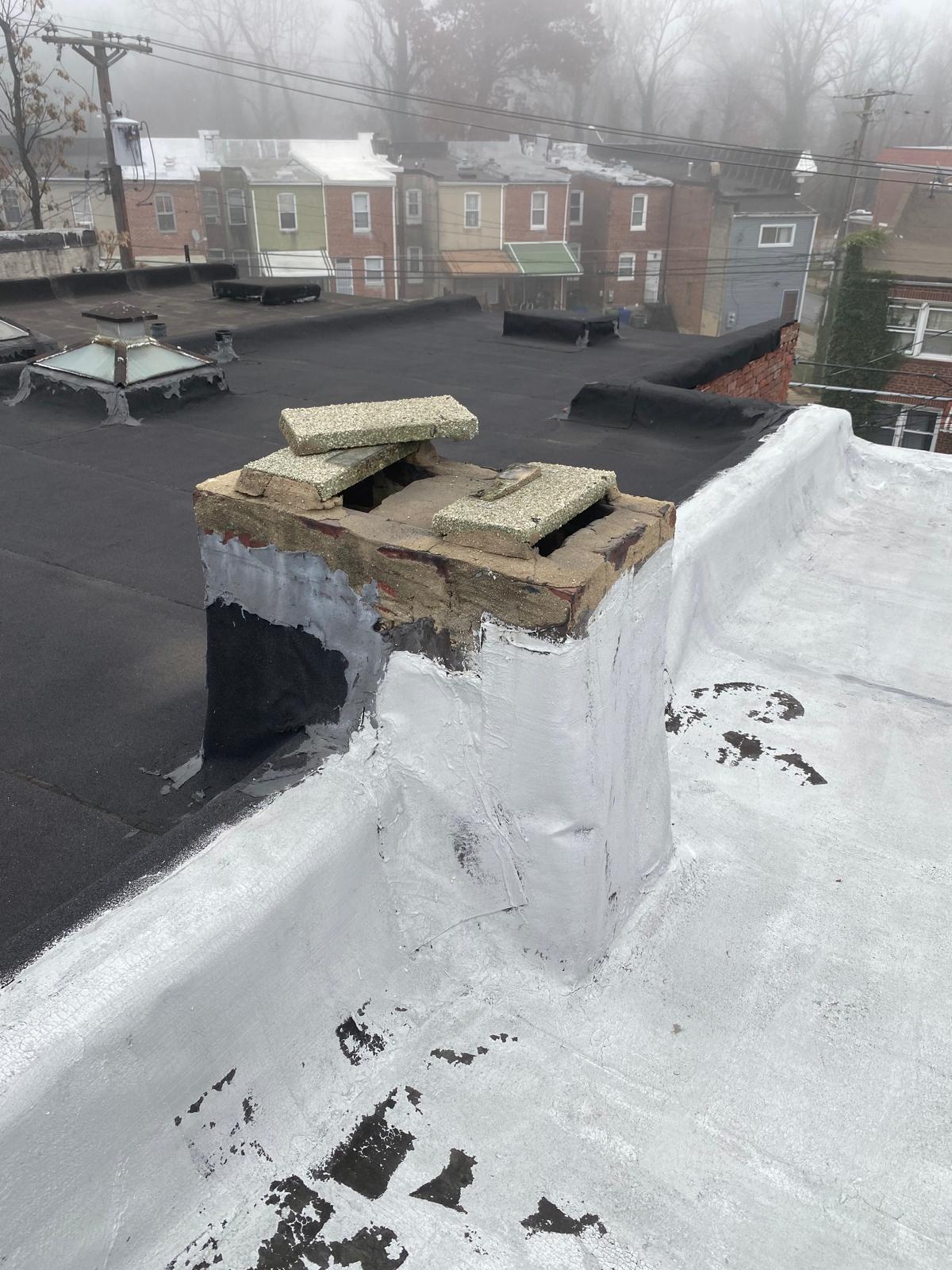
A thorough assessment by an expert will confirm that your chimney can handle the conversion, ensuring proper draft and mitigating carbon monoxide risks. Understanding your existing chimney’s condition and ensuring it’s properly prepared for its new role is a critical initial step for any safe and efficient conversion.
Your Role in Maintaining a Converted Fireplace
Even after conversion, your gas fireplace benefits from routine attention. Visually inspect the flame – it should be blue with yellow tips. Any excessive yellow or orange, or a flickering flame, could indicate an issue with gas flow or ventilation. Listen for unusual noises. Most importantly, schedule annual inspections and periodic cleanings with a trusted chimney service like DD Chimney Cleaning. Our preventative approach ensures your system remains safe, efficient, and extends the lifespan of your investment. Homeowners in Los Angeles County have also found great results with click here.
FAQ: Gas Fireplace Conversions and Your Chimney
Q1: Do gas fireplaces produce creosote?
A1: No. Creosote is a byproduct of incomplete wood combustion. Gas fireplaces burn much cleaner and do not produce creosote. However, they can still accumulate soot and corrosive moisture.
Q2: How often should a gas chimney be cleaned/inspected?
A2: Even with a gas fireplace, annual professional inspections are highly recommended. Cleaning may not be necessary every year, but an inspection can identify blockages, liner deterioration, or other safety concerns. Regular routine chimney maintenance ensures optimal safety.
Q3: What are signs my gas chimney needs service?
A3: Look for unusual smells (like gas or burning odors), discolored flames (excessive yellow/orange), excessive condensation, slow ignition, or a visible blockage in the flue. Carbon monoxide detectors are crucial for safety.
Q4: Is a special liner needed for a gas fireplace?
A4: Yes, often. The cooler, moisture-rich exhaust from gas combustion can corrode traditional masonry flues. A properly sized and insulated stainless steel liner is usually installed to prevent condensation damage and ensure safe venting.
Q5: Can I convert my fireplace back to wood-burning after going gas?
A5: Reversing a conversion is possible but involves removing the gas insert/logs, addressing the gas line, and ensuring the original chimney structure and flue liner are once again suitable and safe for wood burning, which would likely require professional inspection and potentially remediation.
Q6: What’s the biggest risk with a poorly maintained gas chimney?
A6: The biggest risk is carbon monoxide poisoning due to improper venting. Blockages or a compromised flue can prevent this odorless, colorless gas from safely exiting your home. Regular inspection mitigates this serious threat.
Converting your wood-burning fireplace to gas is an excellent way to enhance convenience and efficiency in your Los Angeles home. However, it’s a decision that impacts your entire chimney system and requires careful consideration of venting, liners, and ongoing maintenance. For expert guidance on your chimney’s health after a conversion, or to schedule a comprehensive chimney inspection or cleaning, trust the professionals at DD Chimney Cleaning. Call us today at (833) 339-6803 – your safety is our priority!