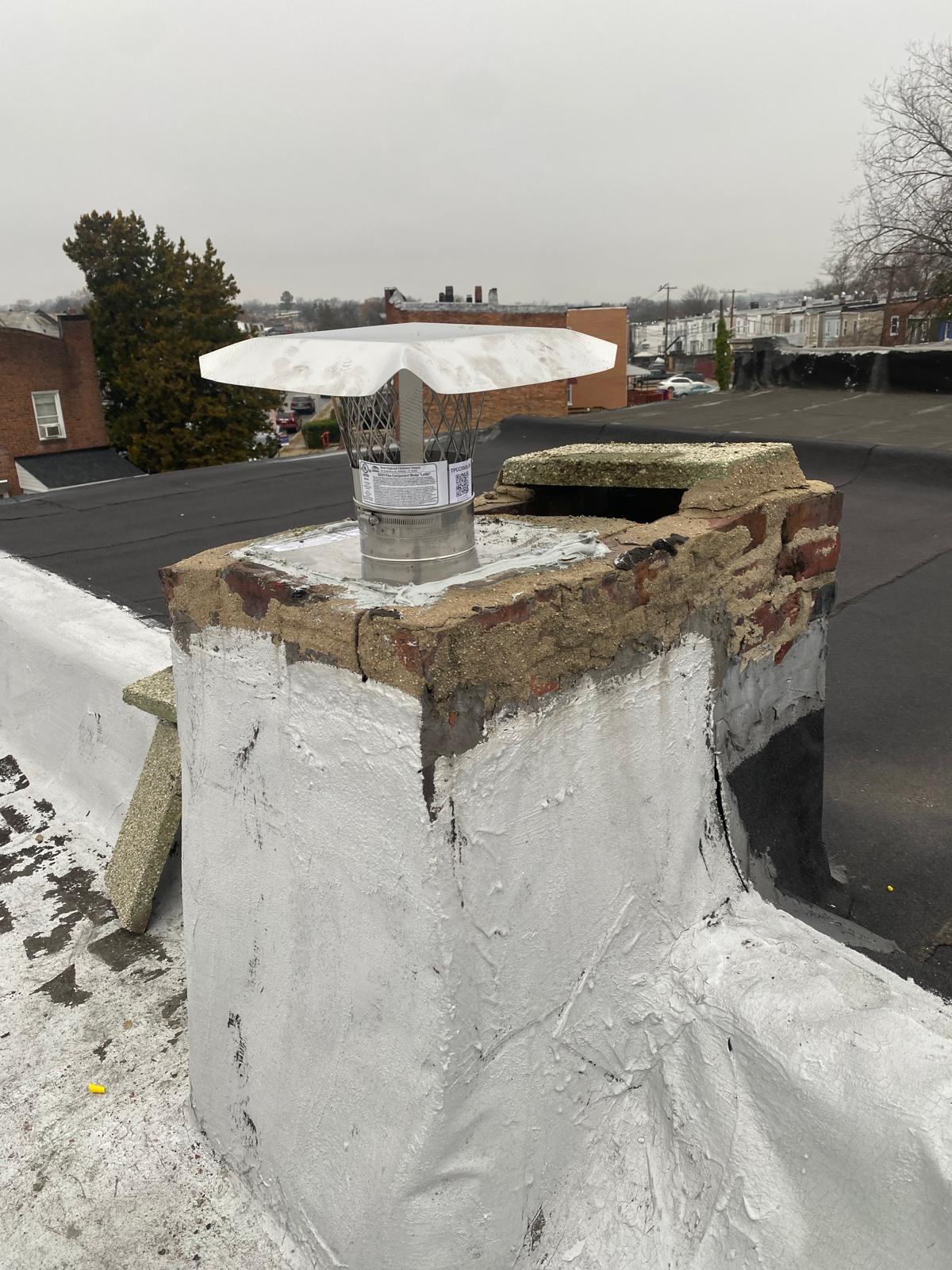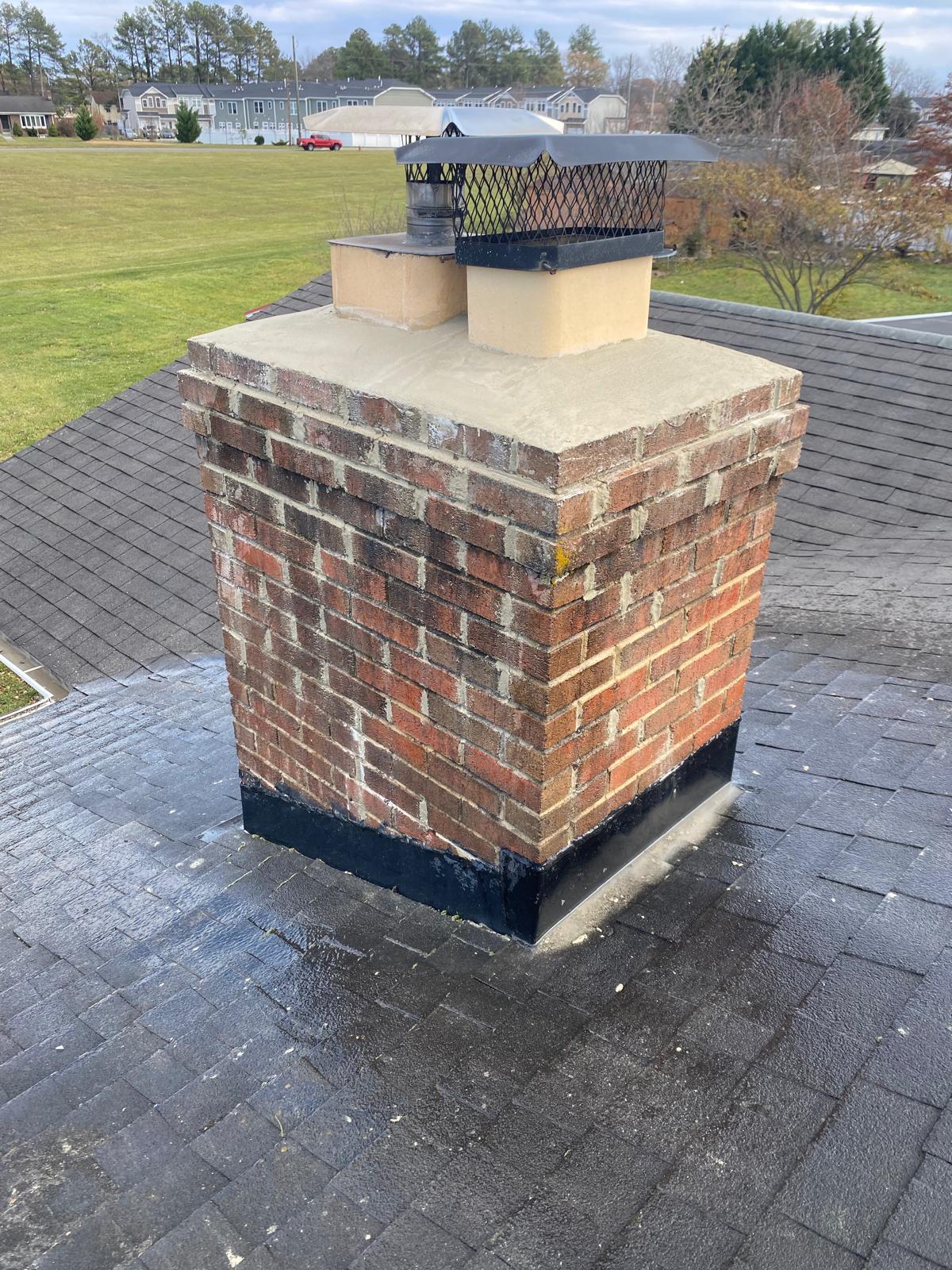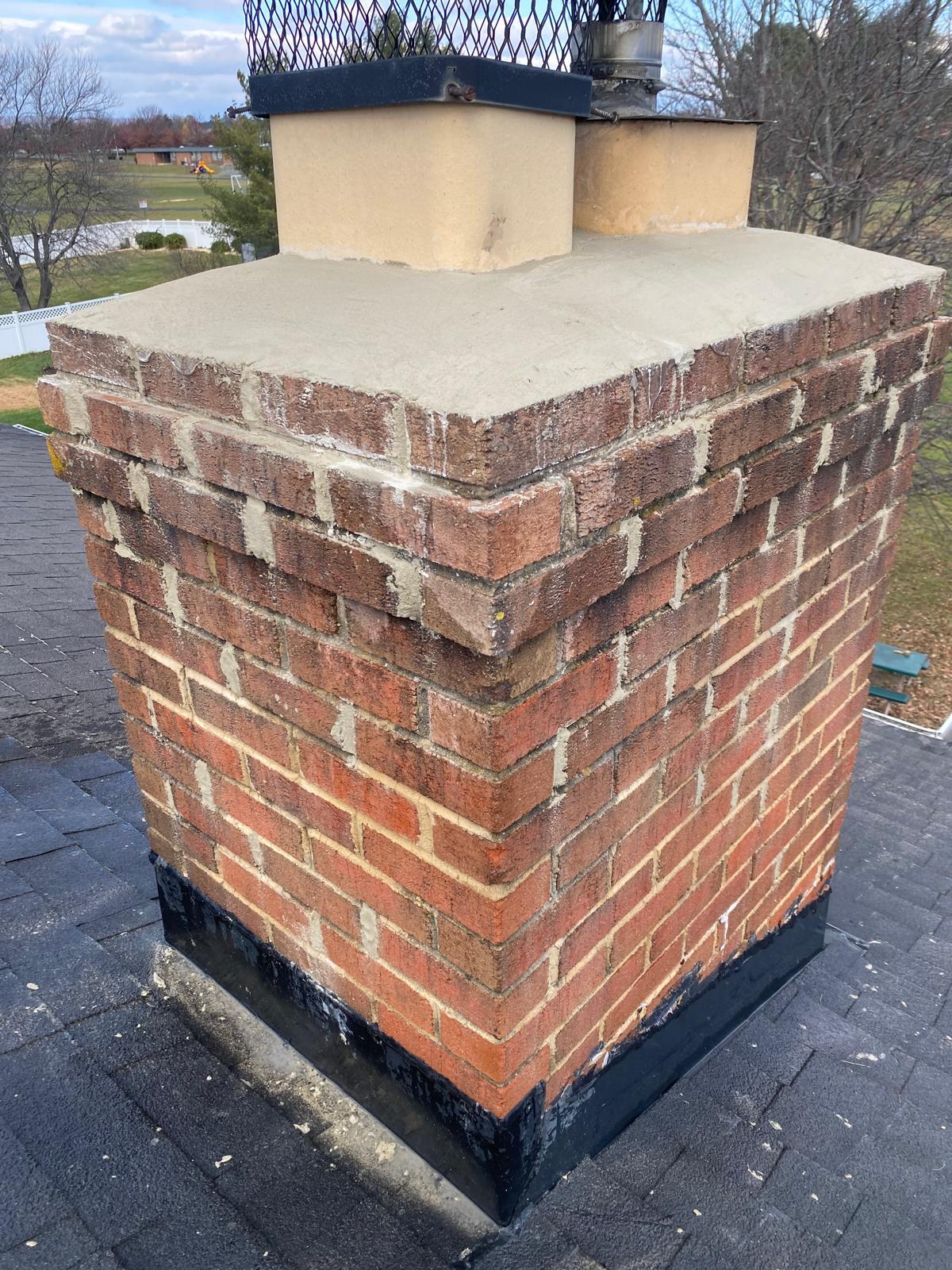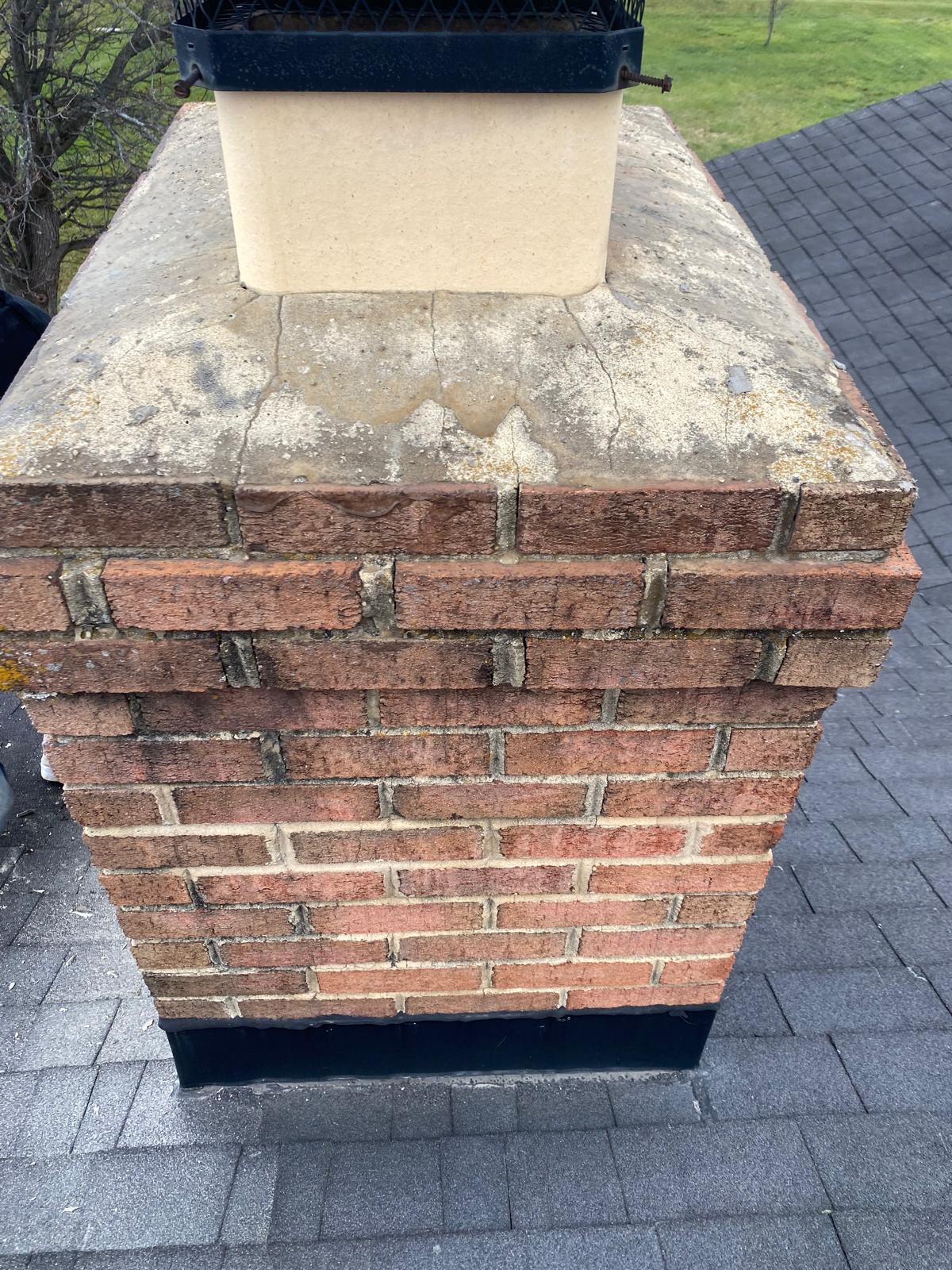
Picture this: It’s a crisp evening in Silver Lake, the kind where you finally get to light up that cozy fireplace you’ve been dreaming about all year. You settle down with a good book and a warm drink, but then… a faint, acrid smell starts to waft into the room. Or maybe you notice the smoke isn’t drawing up as efficiently as it used to, or worse, there’s a strange, black residue clinging to the inside of your firebox. Sound familiar?
That’s the scenario many Los Angeles homeowners face, often without realizing the silent danger lurking within their chimneys: creosote buildup. To demystify this critical home safety issue, we sat down with Alex Chen, a seasoned expert from DD Chimney Cleaning, dedicated to keeping Angelenos safe and warm. Let’s hear what he has to say about creosote and why professional chimney cleaning isn’t just a good idea, but an absolute necessity.
What Exactly is Creosote and Why is it So Dangerous?
Interviewer: Alex, let’s start with the basics. Many people hear “creosote” but might not fully understand what it is. Can you break it down for us?
Alex Chen (DD Chimney Cleaning): Absolutely. Creosote is a byproduct of burning wood, and it’s actually a mix of unburned wood particles, tar, water vapor, and various chemicals. When smoke and gases travel up your chimney, they cool and condense, depositing this sticky, highly flammable substance on the inside of your flue lining. Think of it like plaque building up in an artery, but far more explosive.
There are typically three stages of creosote. The first stage is a sooty, powdery residue, easy to remove. The second stage is a harder, flaky deposit. The third, and most dangerous, is a glaze or tar-like substance that’s incredibly difficult to remove and highly flammable, sometimes even glowing when hot embers are present. This glazed creosote is essentially a slow-burning fuel waiting for a spark.
Nationwide, chimney fires caused by creosote are a significant concern. The National Fire Protection Association (NFPA) reports that these fires often lead to extensive property damage and pose a serious risk to life. That’s why DD Chimney Cleaning in Los Angeles focuses so heavily on thorough creosote removal – it’s literally a matter of fire prevention.
The Unique Challenges for Los Angeles Homeowners
Interviewer: Living in Los Angeles, we don’t have harsh winters like some parts of the country. Does that change how LA homeowners should approach chimney cleaning?
Alex Chen (DD Chimney Cleaning): It’s a great question, and actually, the specific climate and lifestyle here in LA can create unique challenges. While we don’t use our fireplaces every single day for months on end, when we do use them, it’s often during specific, concentrated periods. For example, during a chilly evening in the Hollywood Hills, or a cooler weekend in Santa Monica. This intermittent use, especially if people are burning softwoods or unseasoned wood, can paradoxically contribute to more rapid creosote buildup.
Many homes across LA, from older residences in Hancock Park to more modern builds in Malibu, have fireplaces that might be used less frequently but improperly, leading to dangerous accumulations. Homeowners might think less use means less risk, but incomplete combustion from a smoldering fire or damp wood can actually create more creosote in a single burn than a hot, efficient fire.
Beyond the Flames: Other Hidden Dangers of Creosote
Interviewer: So, beyond the obvious risk of a chimney fire, are there other dangers associated with creosote buildup that homeowners should be aware of?
Alex Chen (DD Chimney Cleaning): Absolutely, and these are often overlooked. First, a thick layer of creosote can restrict the airflow in your chimney. This reduced draft can cause smoke and harmful combustion gases, including carbon monoxide, to back up into your home. Carbon monoxide is odorless, colorless, and deadly. A functioning chimney is crucial for safely expelling these gases.
Second, creosote is highly corrosive. Over time, the acidic nature of creosote can degrade the mortar and bricks of your chimney lining, leading to structural damage. If your flue liner cracks, it loses its ability to contain the heat and gases, allowing them to escape into combustible areas of your home, like wall spaces. This further increases fire risk and structural integrity issues. A professional cleaning from DD Chimney Cleaning addresses both the immediate fire hazard and these long-term structural threats.
The Professional Difference: Why DIY Isn’t Enough
Interviewer: Some homeowners might consider tackling chimney cleaning themselves. What’s the professional difference? Why call in our professional chimney cleaning services?
Alex Chen (DD Chimney Cleaning): That’s a critical point. While a homeowner can brush out some loose soot, removing glazed or hardened creosote requires specialized tools and expertise. We use powerful rotary systems, specialized brushes, and industrial vacuums that simply aren’t available to the average person. More importantly, our technicians are trained to identify specific types of creosote and assess the overall condition of your chimney, including potential cracks, blockages from animal nests, or damper issues.
A DIY job often leaves behind the most dangerous, glazed creosote, giving a false sense of security. A professional cleaning from DD Chimney Cleaning, however, includes a thorough inspection that goes far beyond just sweeping. We ensure your chimney is not just clean, but safe and operating efficiently. We serve many areas beyond Los Angeles as well, understanding the specific needs of homeowners, whether they’re in Philadelphia or Detroit, our standard of safety is unwavering. You can reach us for service right here in LA at (833) 339-6803.
Frequently Asked Questions About Chimney Cleaning
Q: How often should I have my chimney cleaned?
A: The National Fire Protection Association (NFPA) recommends an annual inspection, and cleaning as needed. For most LA homeowners who use their fireplace occasionally, once a year is usually sufficient. Heavy users, or those experiencing buildup faster, might need more frequent cleaning.
Q: How long does a professional chimney cleaning take?
A: A standard cleaning and inspection typically takes between 60 to 90 minutes, depending on the size and condition of the chimney.
Q: Is chimney cleaning messy?
A: When done by professionals like DD Chimney Cleaning, it shouldn’t be messy at all. We use specialized vacuums and tarps to contain all soot and debris, ensuring your home stays clean.
Q: Can I burn any type of wood in my fireplace?
A: No, only burn dry, seasoned hardwood. Avoid green wood, treated wood, or household trash, as these create more creosote and harmful emissions.
Q: What are the signs I need my chimney cleaned?
A: Look for smoky odors entering your home, excessive smoke coming back into the room, a black tar-like residue visible in the flue or firebox, or a sudden decrease in burning efficiency.
Q: Do I need a professional if I only use my fireplace for aesthetics and burn firelogs?
A: Even manufactured firelogs produce creosote. While they might produce less than wood, an annual inspection is still recommended to ensure safe operation and check for any blockages or issues.
Don’t Take Chances With Your Home’s Safety
Creosote buildup is a silent threat that puts your Los Angeles home and family at risk. Investing in professional chimney cleaning isn’t just about maintaining your fireplace; it’s about protecting your loved ones from potential fires and carbon monoxide poisoning. Don’t wait for a tell-tale sign of trouble. Be proactive. For peace of mind and the highest quality service, reach out to DD Chimney Cleaning today. Keep your home safe and warm the right way. Call us at (833) 339-6803 or visit contact DD Chimney Cleaning today to schedule your professional cleaning.