You’re probably ignoring the single most destructive force against your chimney until it’s too late – and it’s not fire. It’s water. Most homeowners focus on creosote buildup, and rightfully so, but the insidious threat of water damage, often starting at faulty chimney flashing, is a silent killer, especially for homes constantly battling the elements. In a city like Seattle, where the phrase “liquid sunshine” isn’t a joke, overlooking your chimney’s first line of defense against perpetual dampness isn’t just a risk; it’s a guaranteed disaster waiting to unfold, threatening not just your chimney but your entire home’s structural integrity.
Q: Why is Chimney Flashing Repair a Time-Sensitive Emergency for Seattle Homes?
A: The constant dampness and heavy rainfall characteristic of Seattle’s climate (averaging over 37 inches annually) make chimney flashing a critical vulnerability. Unlike dry climates where a small leak might slowly develop, here in Seattle, a compromised flashing system acts like an open invitation for relentless water intrusion. From the historic homes in Queen Anne and Capitol Hill to modern residences in Ballard, every chimney faces this challenge. Water doesn’t just damage the aesthetics; it penetrates masonry, saturates the chimney chase, and can rot attic rafters, ceiling joists, and even interior walls. This isn’t a “fix it when you get around to it” problem; it’s an “act now or face escalating repairs” crisis. The longer you wait, the more extensive, complex, and costly the damage becomes.
Q: What Exactly is Chimney Flashing and Why Does it Fail?
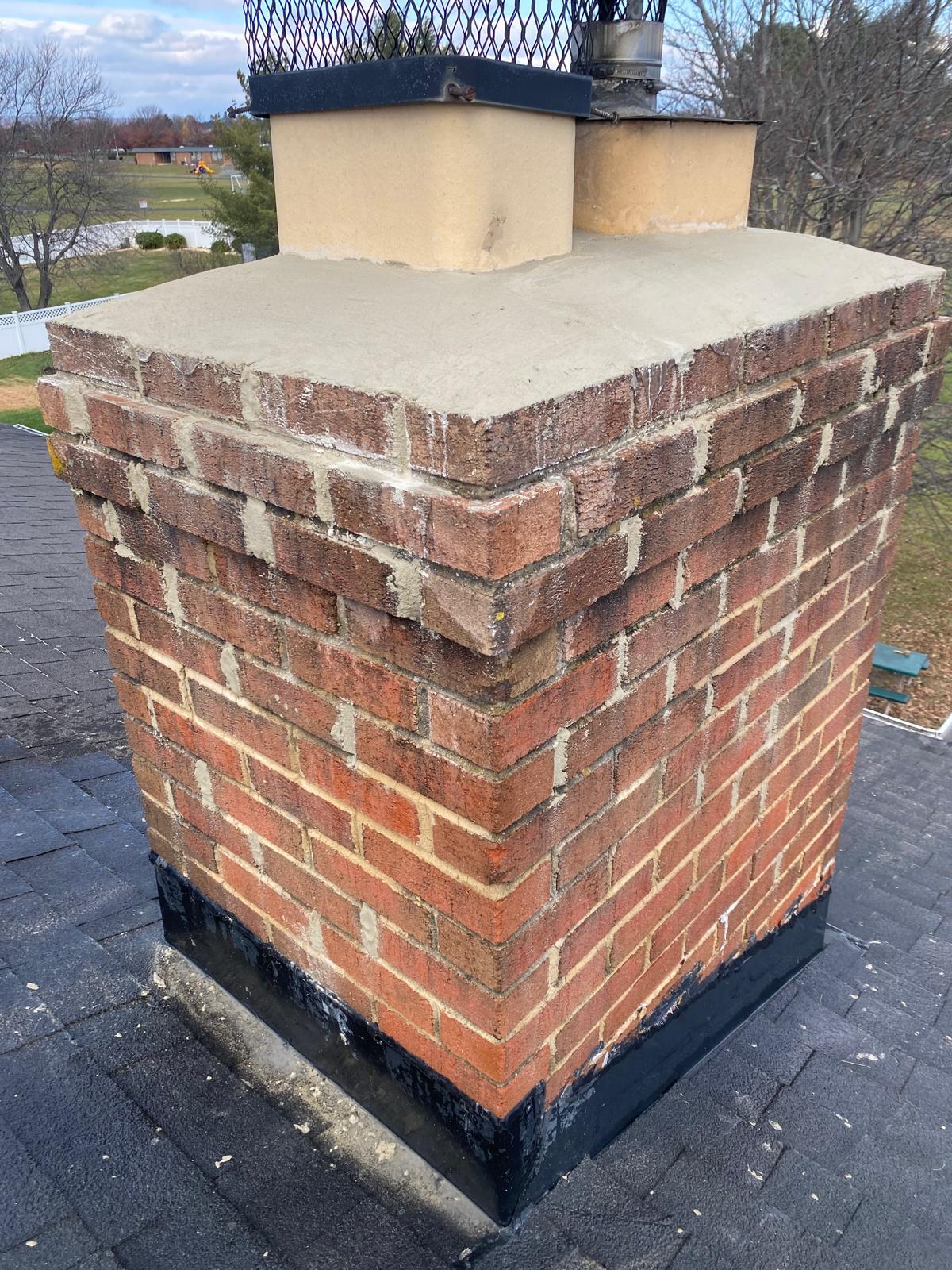
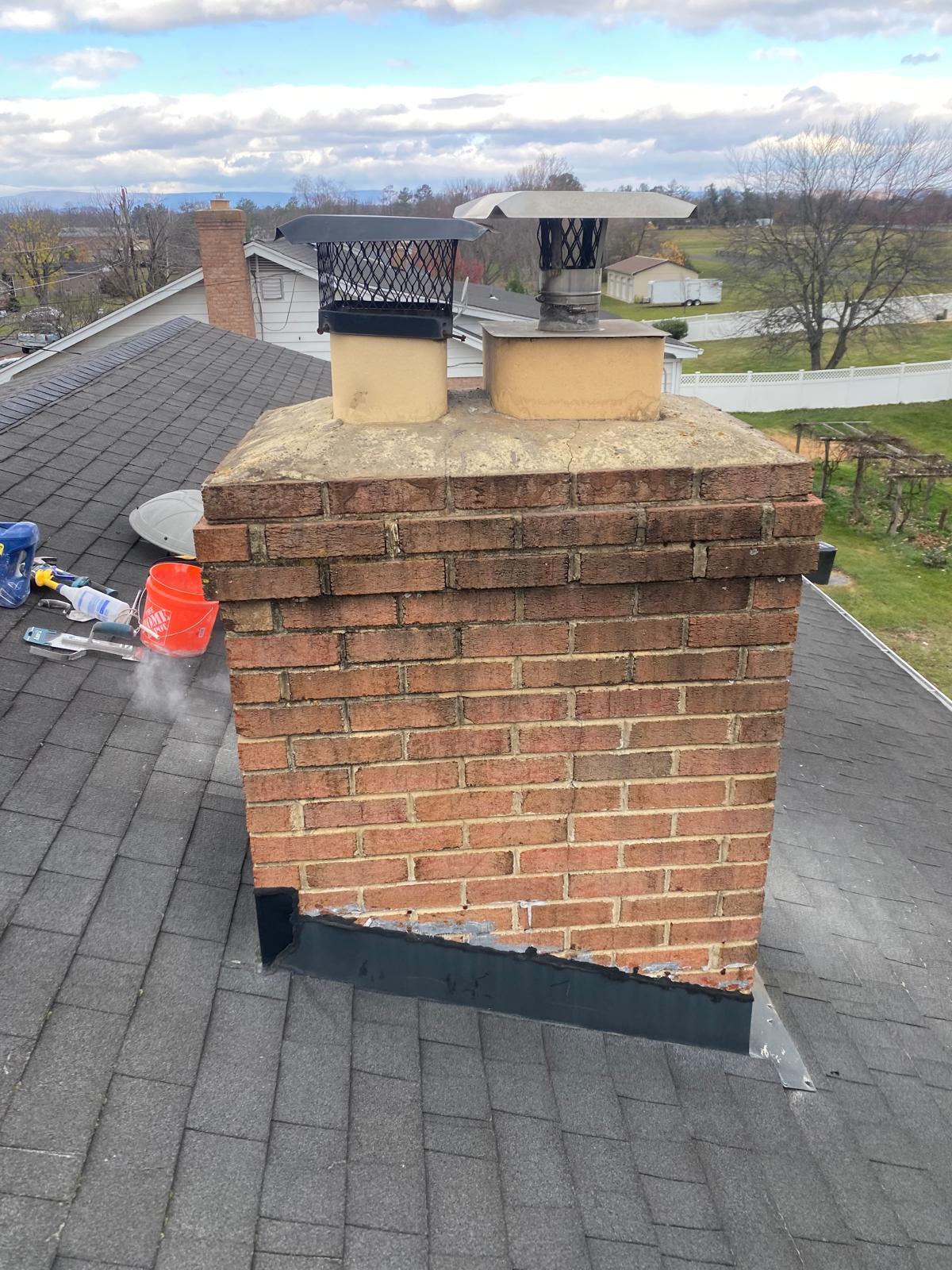
A: Chimney flashing is the crucial barrier system of metal (typically aluminum, copper, or galvanized steel) that creates a watertight seal where your chimney stack meets your roof. It’s designed to divert rainwater away from this vulnerable intersection, preventing it from seeping into your home. Think of it as your chimney’s waterproof collar. Flashing typically consists of several layers: step flashing (interwoven with shingles on the sides), head flashing (above the chimney), and apron flashing (below the chimney). These pieces are then sealed with a counter-flashing that’s cut into the chimney’s mortar joints.
Failure is alarmingly common, especially in environments like Seattle. Reasons include:
- Age and Exposure: Over time, exposure to relentless rain, wind, and temperature fluctuations causes the metal to expand, contract, and corrode. Sealants degrade, creating gaps.
- Improper Installation: Many flashing issues stem from shoddy initial installation. If the metal wasn’t cut and bent precisely, or if insufficient sealant was used, it’s destined to fail prematurely.
- Storm Damage: High winds common during Seattle’s rainy season can lift or bend flashing, breaking the seal. Hail, though less frequent, can also cause dents and cracks.
- Settling: Both the house and chimney naturally settle over decades, which can stress and tear flashing components.
DD Chimney Cleaning, while focused on chimney cleaning in Los Angeles, recognizes that identifying water intrusion signs, often originating from flashing, is paramount to chimney health everywhere. A compromised flue from water damage can be just as dangerous as creosote buildup.
Q: What are the Immediate Dangers of Failing Chimney Flashing?
A: The consequences of faulty flashing are far-reaching and terrifyingly rapid, particularly in a perpetually wet climate like Seattle’s. Ignoring even a minor leak can escalate into a major home emergency:
- Structural Degradation: Water saturating brick and mortar leads to spalling (the brick surface flaking off) and erosion of mortar joints. This weakens the entire chimney structure, potentially leading to collapse over time.
- Interior Damage: Leaks migrate. You’ll see water stains on ceilings, walls, and potentially bubbling paint. This isn’t just cosmetic; it can ruin drywall, plaster, and insulation, creating an expensive renovation project.
- Mold and Mildew: Damp, dark attics and wall cavities are prime breeding grounds for mold. Mold spores pose significant health risks, especially for those with respiratory issues, and can spread quickly throughout your home, leading to thousands in remediation costs.
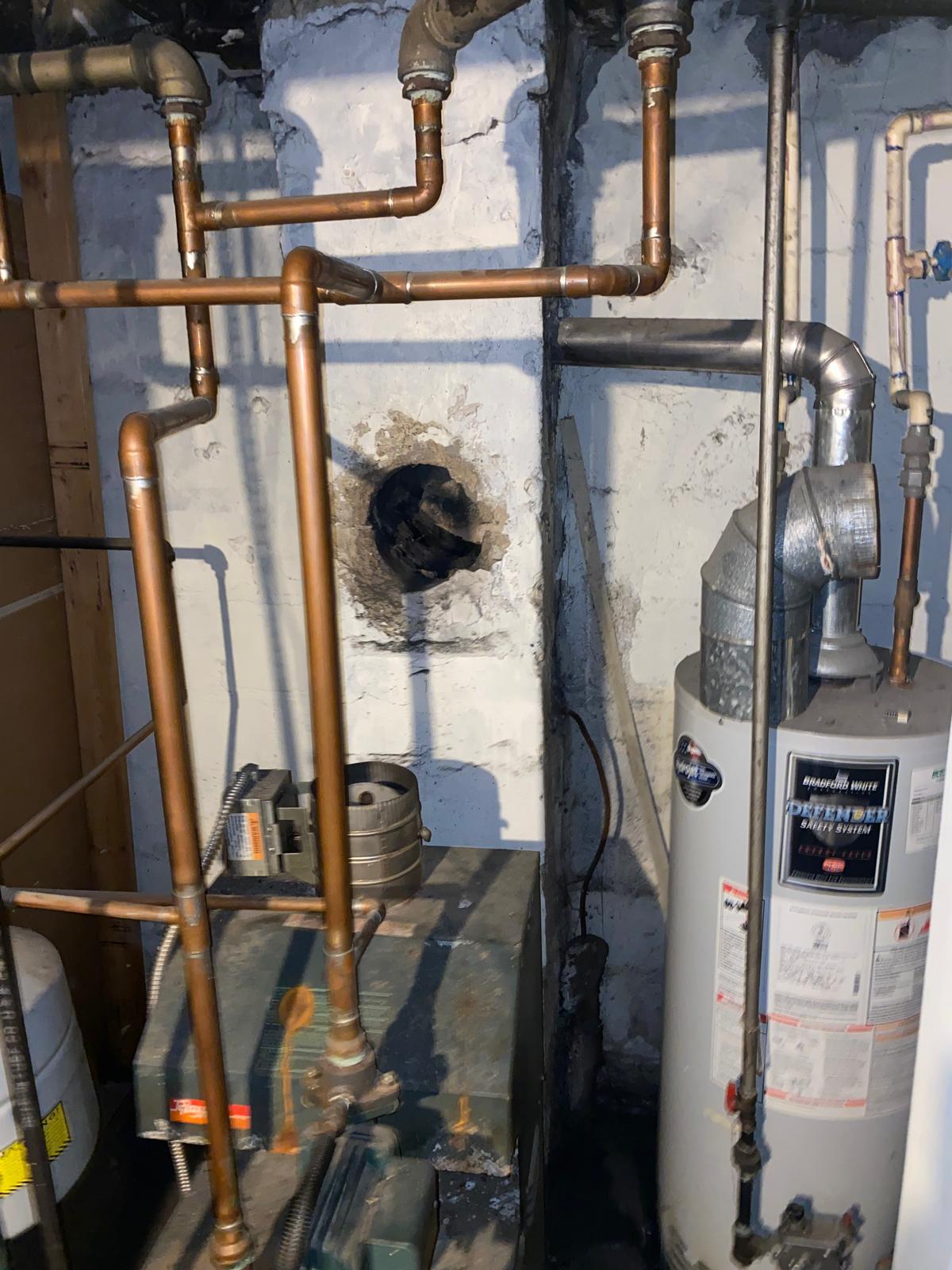
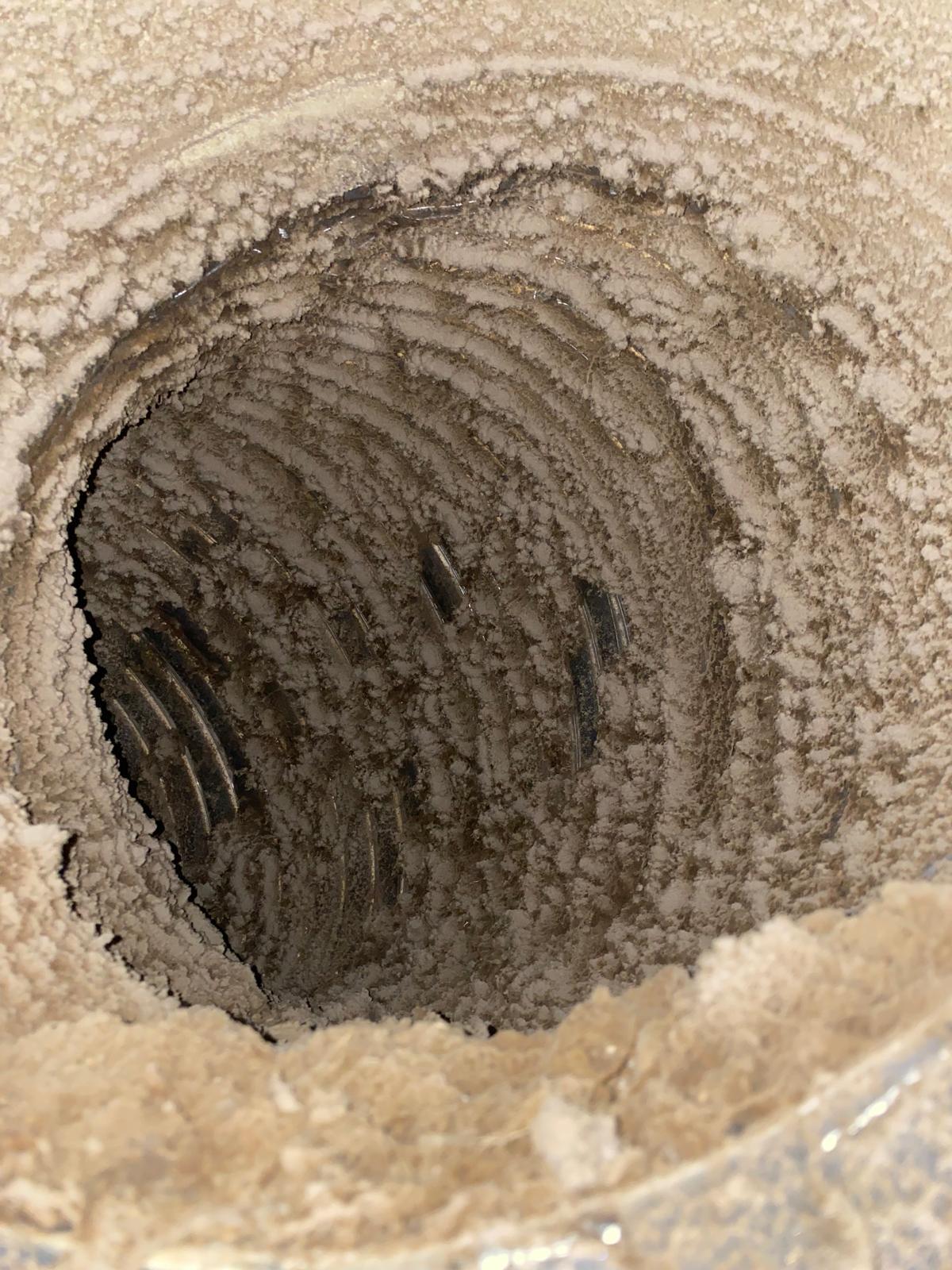
- Compromised Flue Liner: Water can seep behind the flue liner, especially in older chimneys, causing it to crack or deteriorate. A damaged flue liner can prevent proper drafting, making your fireplace unsafe, leading to carbon monoxide hazards, and increasing the risk of creosote fires.
- Wood Rot: Where the chimney meets the roof, wooden components like roof sheathing, rafters, and attic trusses are vulnerable. Rot can compromise the structural integrity of your roof, leading to costly repairs and even partial roof collapse.
Statistics show that chimney-related water damage is one of the top causes of homeowner insurance claims related to structural issues, with repair costs often reaching into the tens of thousands. This isn’t merely an inconvenience; it’s a ticking financial bomb for any homeowner in Seattle who neglects this critical area.
Q: How Can I Identify Flashing Problems Before They Cause Catastrophe?
A: Vigilance is your best defense. Don’t wait for a ceiling drip; by then, significant damage has likely already occurred. Here’s what Seattle homeowners should look for:
- Interior Water Stains: Any discoloration on the ceiling or walls near the fireplace or chimney is a glaring red flag. Yellow, brown, or black stains indicate active or past water intrusion.
- Dampness in the Attic: Head into your attic during a heavy rainstorm. Check for any wetness around the chimney chase, roof sheathing, or insulation. A musty smell is also a strong indicator of hidden moisture or mold.
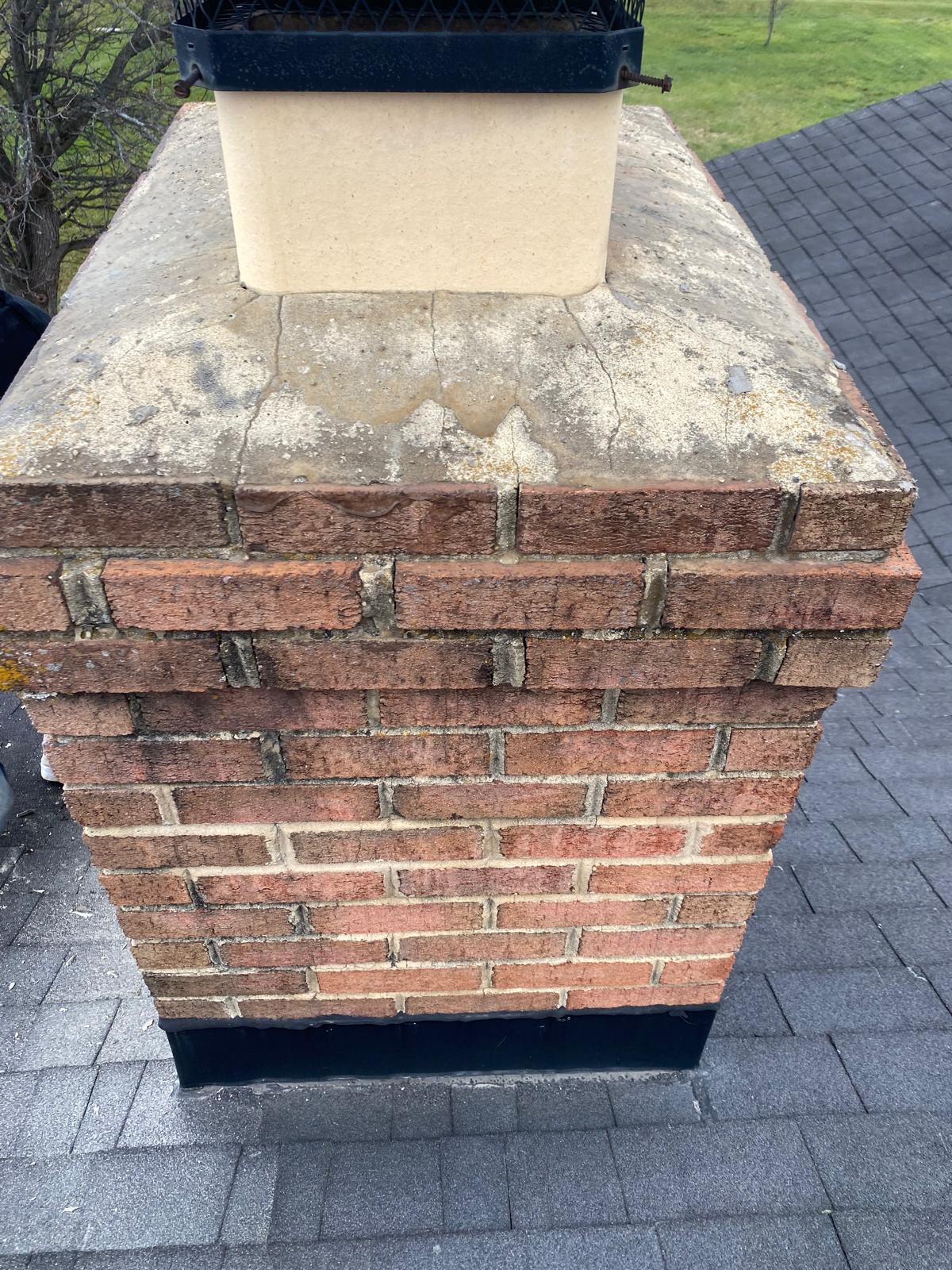
- Exterior Chimney Damage: From the ground or a safe vantage point, look for efflorescence (white powdery residue) on the chimney bricks, which signals water saturation. Also, note any cracked, spalling, or crumbling mortar joints.
- Visible Flashing Issues: If you can safely inspect your roof, look for rusted, bent, torn, or separated flashing sections. Any missing caulk or sealant around the flashing is also a cause for concern.
Even if you don’t use your fireplace often, the chimney structure itself remains a vulnerability. Regular inspections by professionals, like those offered by DD Chimney Cleaning, are crucial. Our chimney cleaning and inspection services in areas like DD Chimney Cleaning in Cleveland or our home base, proactively identify issues that could lead to water damage, ensuring your entire chimney system is safe and functional. We recommend annual chimney inspections, especially in a rainy climate. For immediate concerns, don’t hesitate. Call us at (833) 339-6803 to discuss the tell-tale signs of chimney distress.