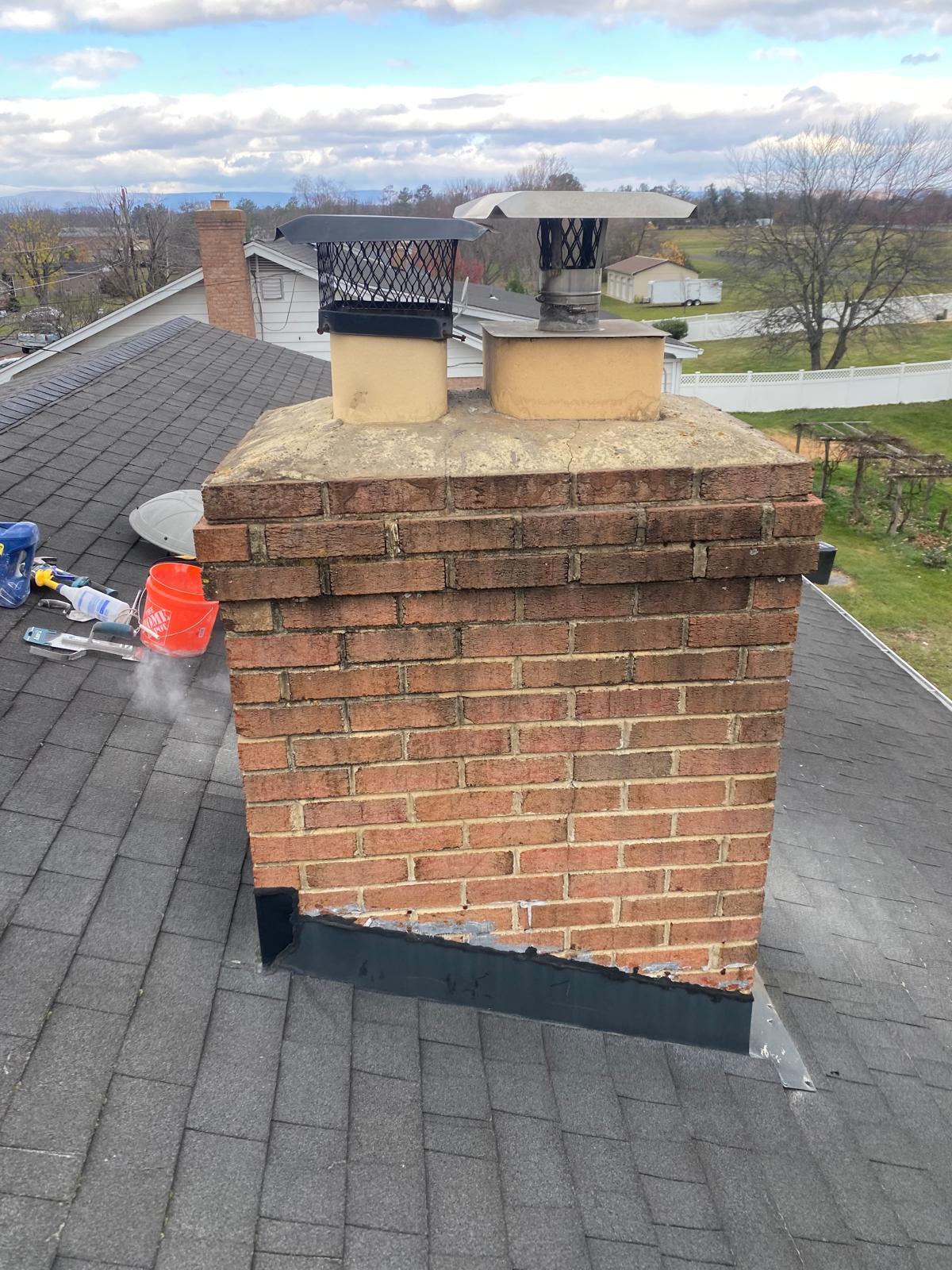
As the cooler evenings start to drift across the Hollywood Hills and the coastal breezes become a bit crisper, many Los Angeles homeowners turn to their cozy pellet stoves for warmth. There’s nothing quite like the gentle hum and radiant heat of a well-functioning pellet stove to make your home feel inviting, whether you’re in Santa Monica, Pasadena, or deep in the Valley. But to truly enjoy that warmth safely and efficiently, ensuring proper draft and venting isn’t just a good idea – it’s absolutely essential. Think of it as the lungs of your stove, crucial for its health and yours.
Here at DD Chimney Cleaning, we understand the unique nuances of maintaining heating appliances in our specific climate, and that includes expert care for pellet stove venting. Unlike traditional wood-burning fireplaces, pellet stoves rely on mechanical draft and precise airflow. Let’s break down what you need to know to keep your pellet stove performing optimally.
Why Proper Draft and Venting Matter for Your Pellet Stove
Pellet stoves are marvels of modern heating technology, designed for efficiency and ease of use. However, their sophisticated design means their venting systems are highly sensitive to blockages and improper airflow. A properly maintained venting system ensures:
- Efficient Combustion: Your pellets burn completely, producing maximum heat with minimal waste.
- Safety: Prevents dangerous carbon monoxide (CO) from entering your home and reduces the risk of creosote fires.
- Clean Air: Minimizes particulate emissions, which is particularly important in a city like Los Angeles where air quality is a constant consideration.
- Longevity of Your Stove: Reduces wear and tear on components, saving you money on repairs in the long run.
A poorly drafted pellet stove can lead to significant issues, from smoke spilling back into your living space to the inefficient consumption of pellets, costing you more in fuel. Ensuring proper chimney maintenance for your pellet stove is critical.
Your Pellet Stove Venting Checklist: Keeping Things Flowing
Maintaining proper draft and venting for your pellet stove requires a combination of regular homeowner checks and professional services. Here’s a comprehensive guide:
Regular Visual Inspections
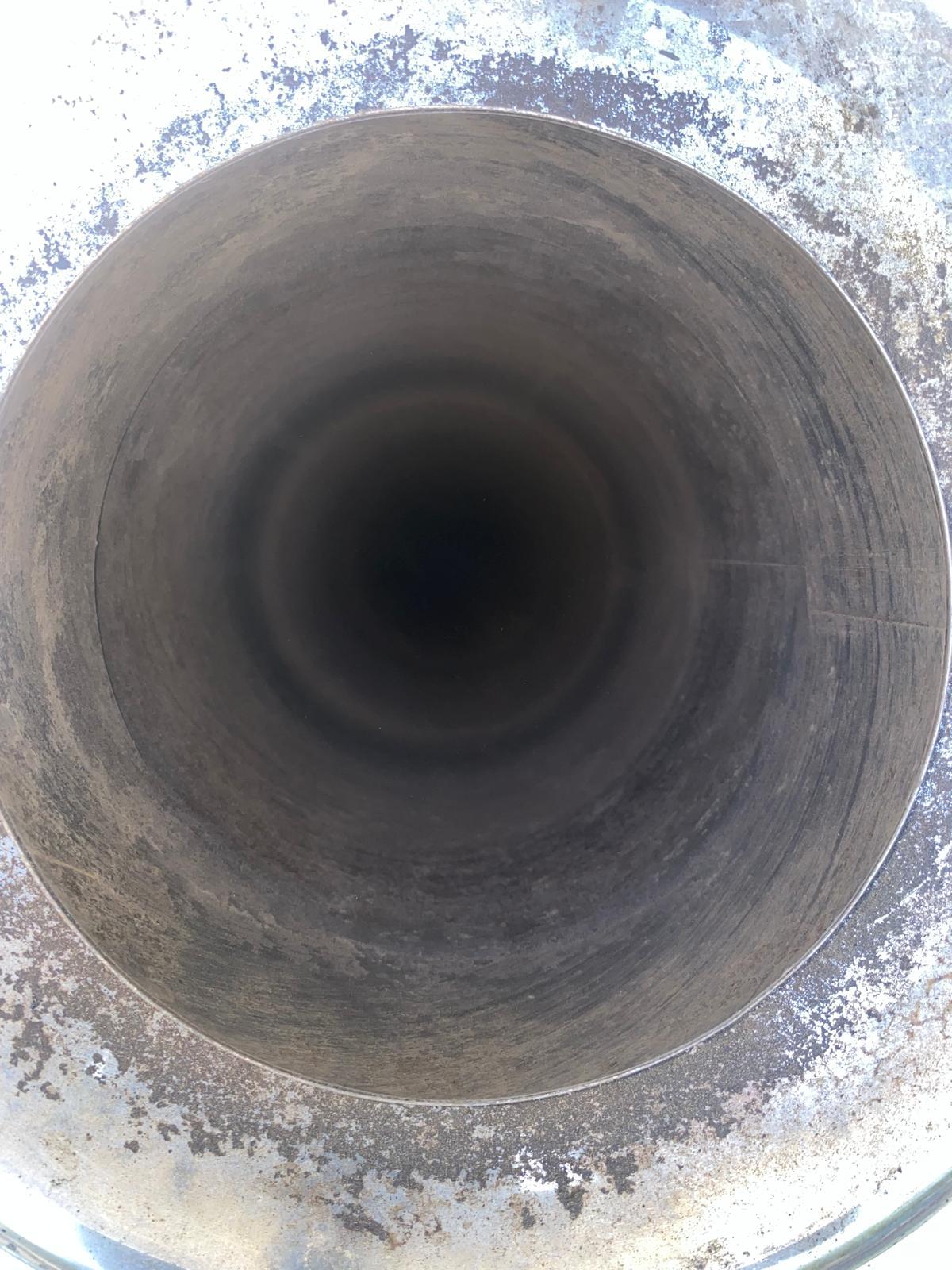
- Check the Vent Pipe: Periodically inspect the visible sections of your vent pipe for any signs of damage, corrosion, or blockages. Look for discolored areas, which can indicate excessive heat or leaks.
- Observe Smoke Patterns: When your stove is running, step outside and observe the smoke coming from your chimney cap. It should be a thin, wispy white or almost invisible. Thick, dark smoke often signals incomplete combustion or a drafting issue.
- Look for Backdrafting: When opening the stove door to add pellets, pay attention for any smoke or combustion byproducts wafting back into the room. This is a clear sign of poor draft.
Clean Your Venting System Regularly
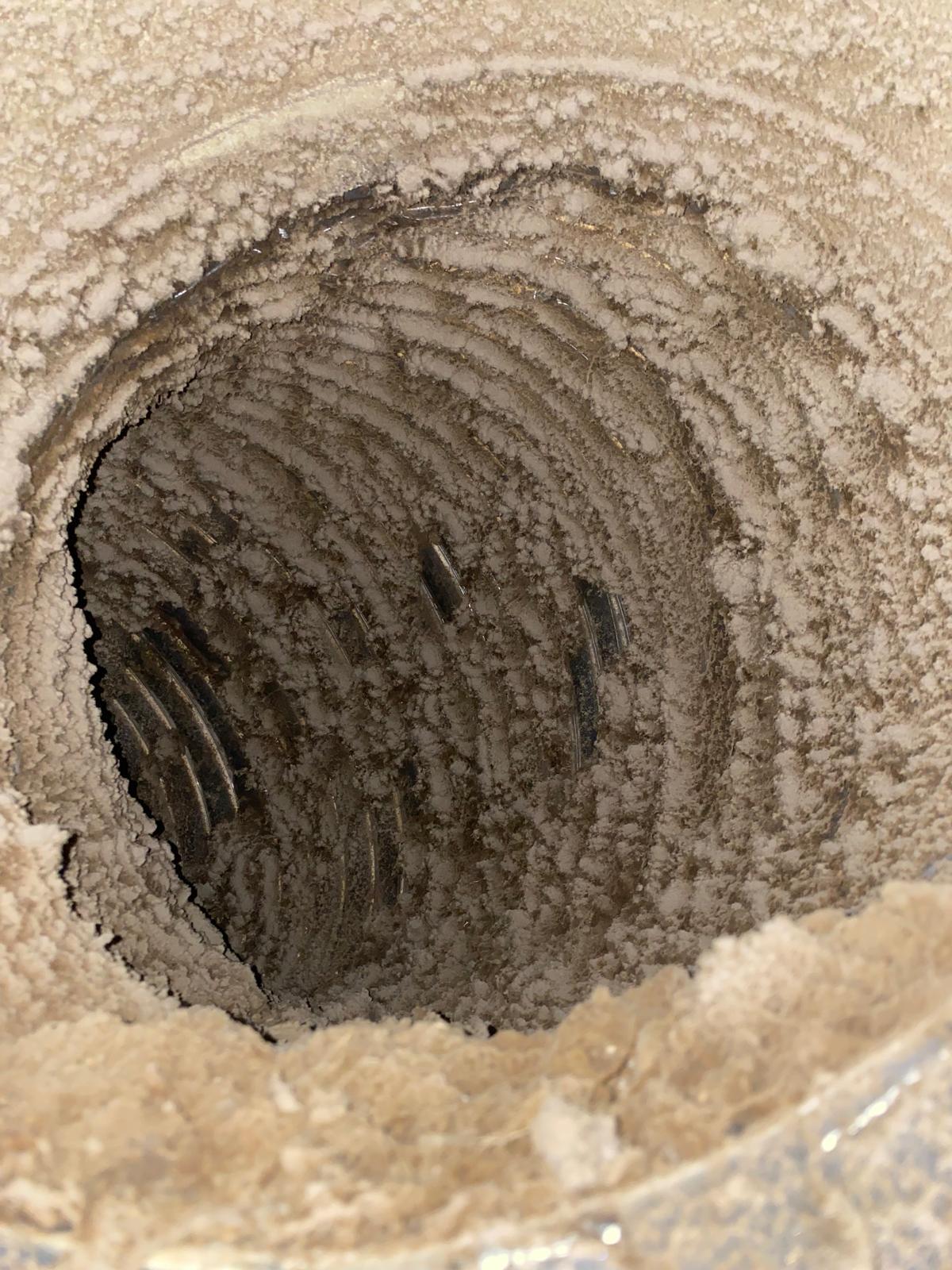
- Ash and Soot Buildup: Pellet stoves burn very efficiently, but they still produce ash and fine soot, which can accumulate in the vent pipe, exhaust fan, and chimney cap. This buildup restricts airflow and reduces efficiency.
- Frequency Matters: While some manufacturers suggest annual cleaning, heavy users in colder parts of LA might need cleaning more frequently. We typically recommend professional chimney cleaning for pellet stove vents at least once a year. This is where DD Chimney Cleaning in Los Angeles steps in to ensure your system is clear and safe.
- Clear the Exhaust Fan: The exhaust fan is unique to pellet stoves and is crucial for creating the necessary draft. Ash can build up on its blades, reducing its effectiveness. This area needs specific attention during cleaning.
Ensure Proper Sizing and Installation
- Correct Vent Diameter: The vent pipe diameter must match your stove’s specifications. An incorrectly sized pipe can lead to persistent draft problems.
- Minimal Elbows: Every elbow in the venting system creates resistance and reduces draft. Professional installation aims to minimize these and ensure smooth transitions.
- Adequate Height: The chimney termination must be high enough above the roofline and any nearby obstructions to prevent downdrafts. This is especially important in windy areas or those with varying roof heights, like many neighborhoods in Los Feliz or Echo Park.
Monitor for Blockages and Obstructions
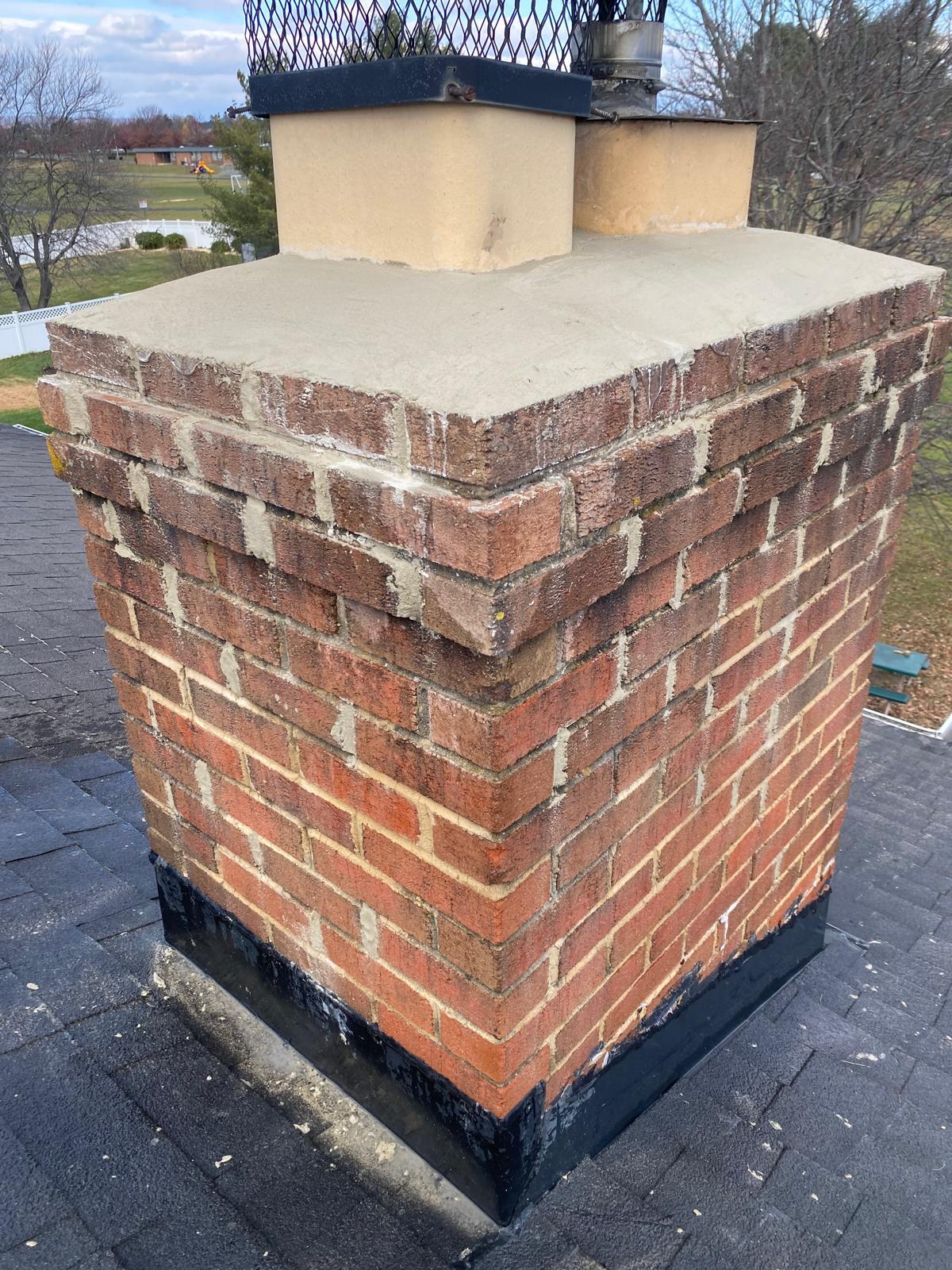
- Chimney Cap: Your chimney cap prevents rain and animal entry. Inspect it for blockages from nests, leaves, or other debris. Even here in Los Angeles, birds love to build nests in unexpected places.
- Vent Pipe Obstructions: Less common, but still possible: check for debris inside the vent pipe, especially after strong winds like our occasional Santa Ana gusts.
Understand and Maintain the Exhaust Fan
- Critical Component: The exhaust fan actively pulls combustion gases out of the stove and through the vent. If it’s dirty, malfunctioning, or simply wearing out, your draft will suffer immediately.
- Listen for Unusual Noises: A grinding, squealing, or excessively loud fan can indicate an issue.
- Professional Cleaning: During a professional cleaning, DD Chimney Cleaning ensures this vital component is thoroughly cleaned and inspected, addressing buildup that can impede its operation.
The Role of Professional Chimney Cleaning for Pellet Stoves
While DIY checks are helpful, nothing replaces the expertise of a professional. Pellet stove venting systems are complex. At DD Chimney Cleaning, our technicians are trained to understand the specific requirements of these systems, which are quite different from traditional masonry chimneys. We go beyond basic sweeping:
- We conduct a thorough inspection of the entire venting system, from the stove collar to the chimney cap.
- We remove creosote, ash, and soot buildup from all sections of the pipe, including horizontal runs and elbows that are difficult for homeowners to access.
- We meticulously clean the exhaust fan, a crucial component for proper pellet stove operation, ensuring optimal draft and efficiency.
- We check for potential issues like loose connections, corrosion, or damage that could lead to leaks or blockages.
Just as we uphold high chimney cleaning standards, similar to those we uphold in New York, and robust chimney cleaning and flue care, like the services offered in Chicago, DD Chimney Cleaning brings that same level of dedication to every home in Los Angeles. Don’t risk improper cleaning or oversight; call us at (833) 339-6803 for comprehensive service.
Common Pellet Stove Draft Issues & Troubleshooting (When to Call Us!)
If you notice any of these symptoms, it’s a strong indicator that your pellet stove’s draft or venting needs attention from experts like DD Chimney Cleaning:
- Smoke/Odor in the Room: The most obvious sign of a backdraft or blocked vent.
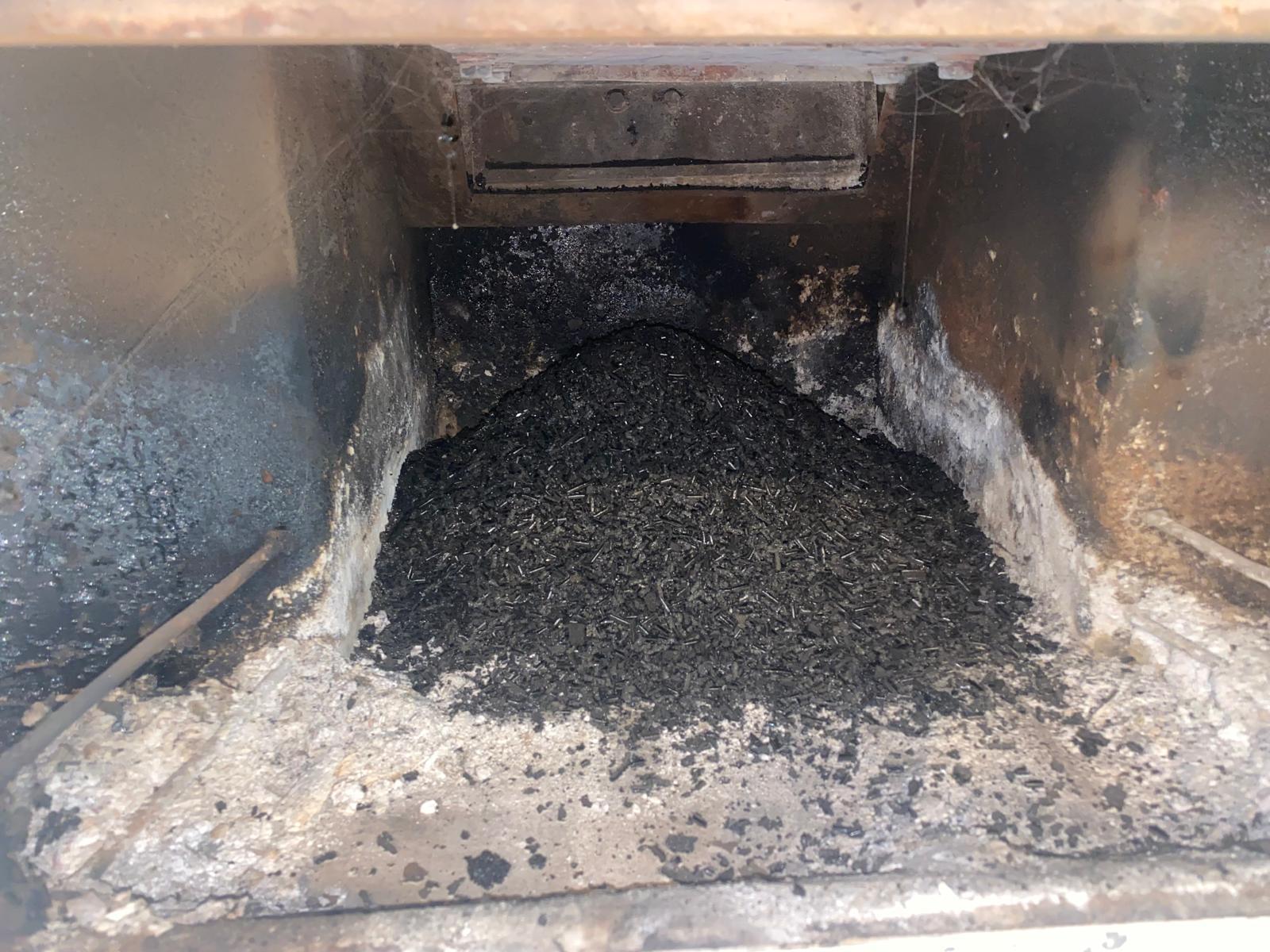
- Excessive Ash Production: If your stove is producing more ash than usual, it often points to incomplete combustion due to poor airflow.
- Low Heat Output: Despite burning pellets, your home isn’t getting as warm as it should.
- Frequent Stove Shut-offs or Error Codes: Many modern pellet stoves have sensors that detect improper draft and will shut down for safety, often displaying an error code.
- Pellets Not Burning Completely: You might see unburnt pellets or a significant amount of charcoal-like residue in the burn pot.
- Glass Door Darkens Rapidly: Soot buildup on the glass is a quick indicator of incomplete combustion and poor draft.
FAQ: Your Pellet Stove Venting Questions Answered
Q1: How often should my pellet stove vent be cleaned?
A: For most homeowners in Los Angeles, we recommend professional cleaning at least once a year. If you use your stove frequently or burn lower-quality pellets, more frequent cleaning might be necessary.
Q2: Can I clean my pellet stove vent myself?
A: While you can perform basic tasks like emptying the ash pan and light cleaning of accessible areas, a thorough cleaning of the entire venting system and exhaust fan requires specialized tools and expertise. It’s always best to call DD Chimney Cleaning for comprehensive chimney cleaning in Los Angeles to ensure it’s done correctly and safely.
Q3: What are the main signs of poor draft in a pellet stove?
A: Key signs include smoke or odors entering your room, excessive ash or soot buildup, low heat output despite burning pellets, and frequent error codes related to venting or combustion.
Q4: Is creosote a concern with pellet stoves?
A: Yes