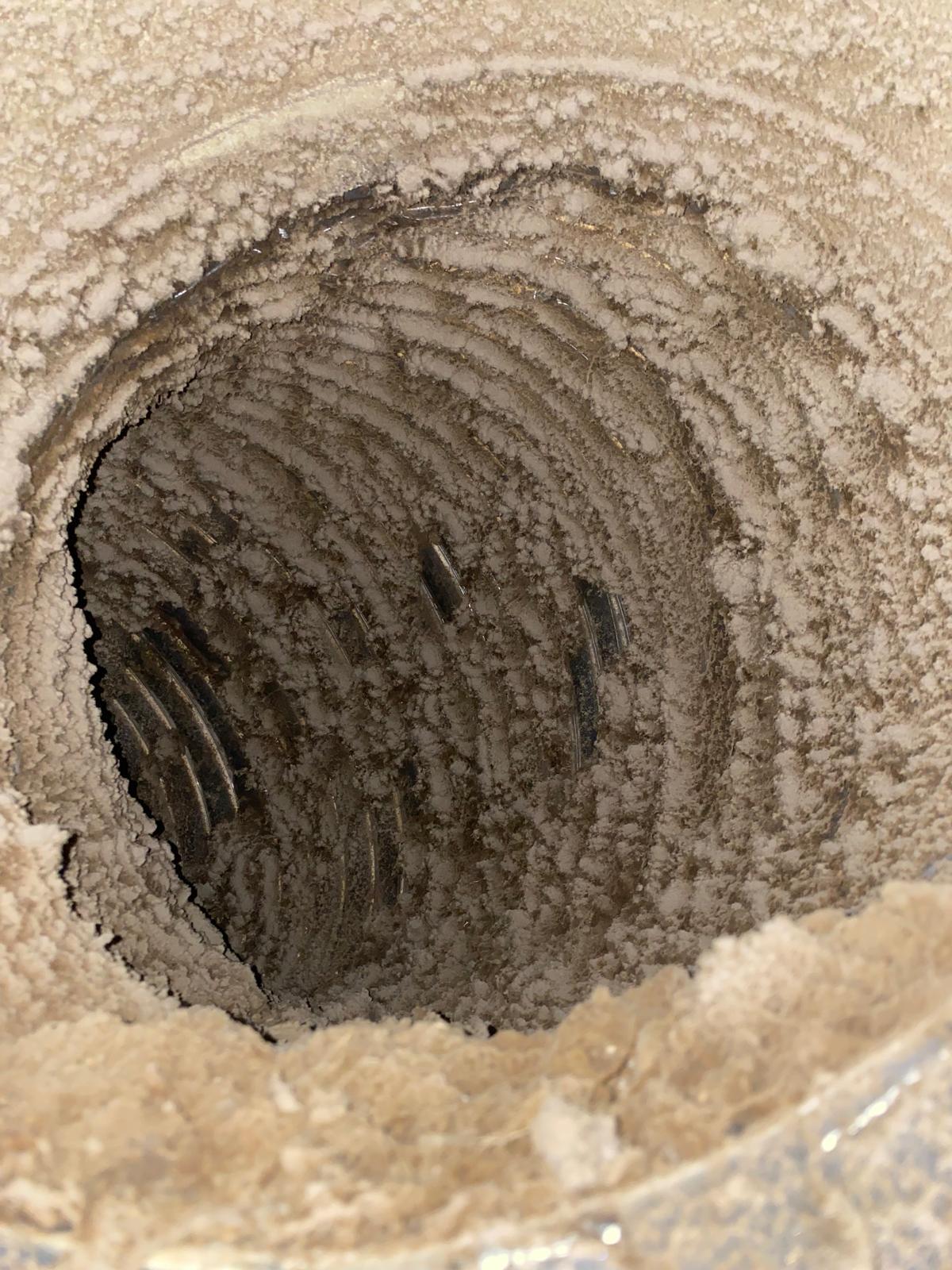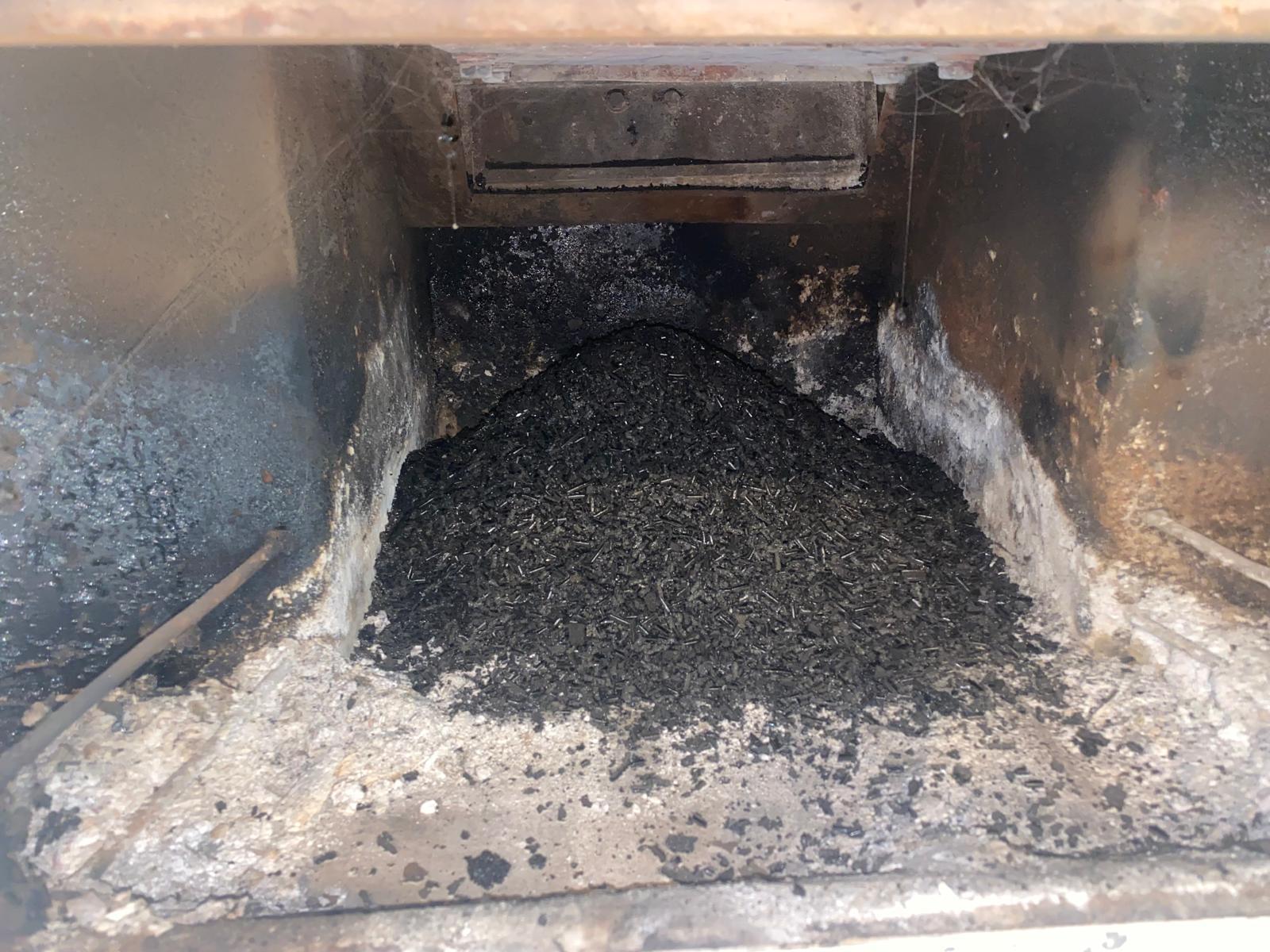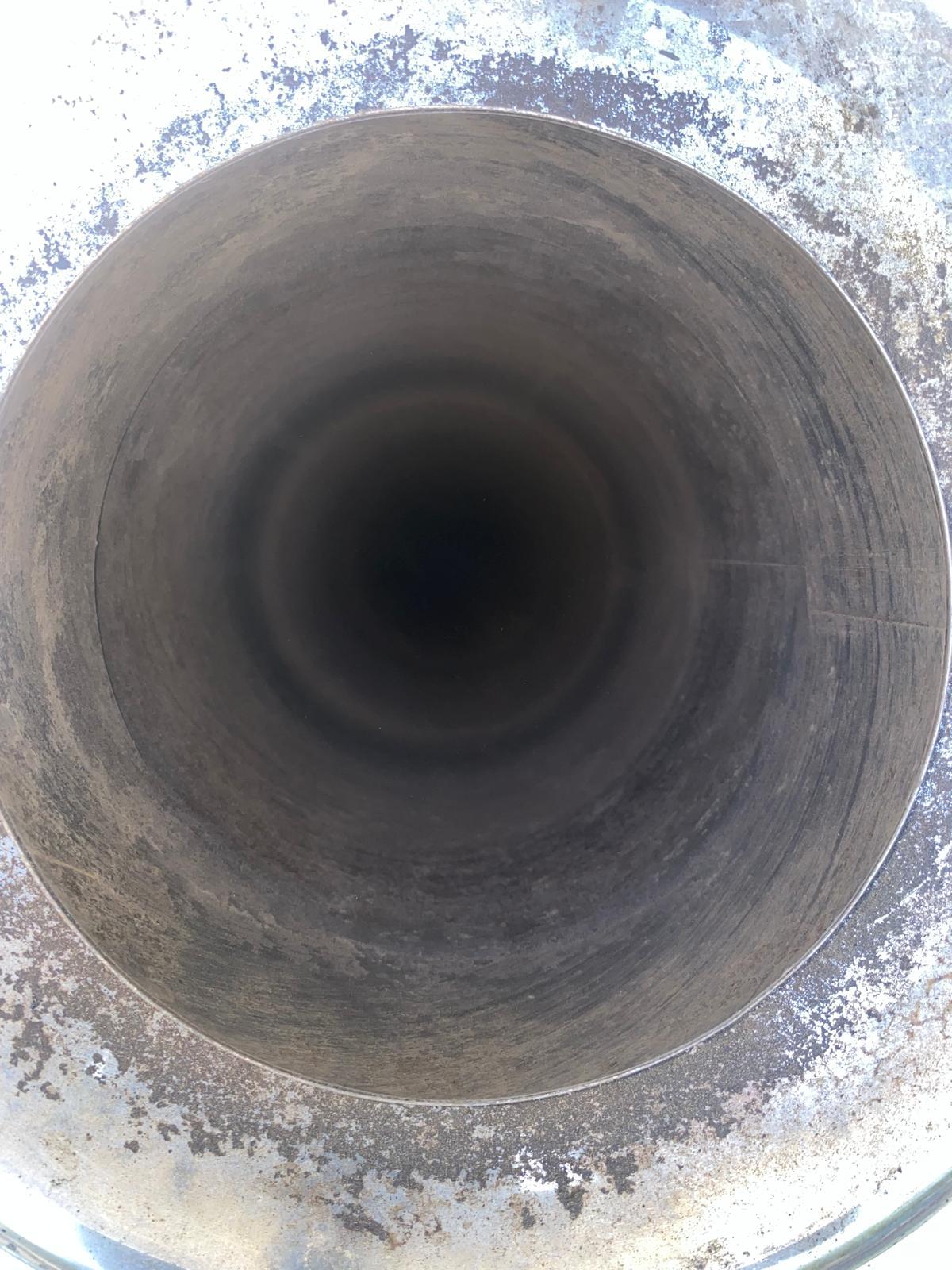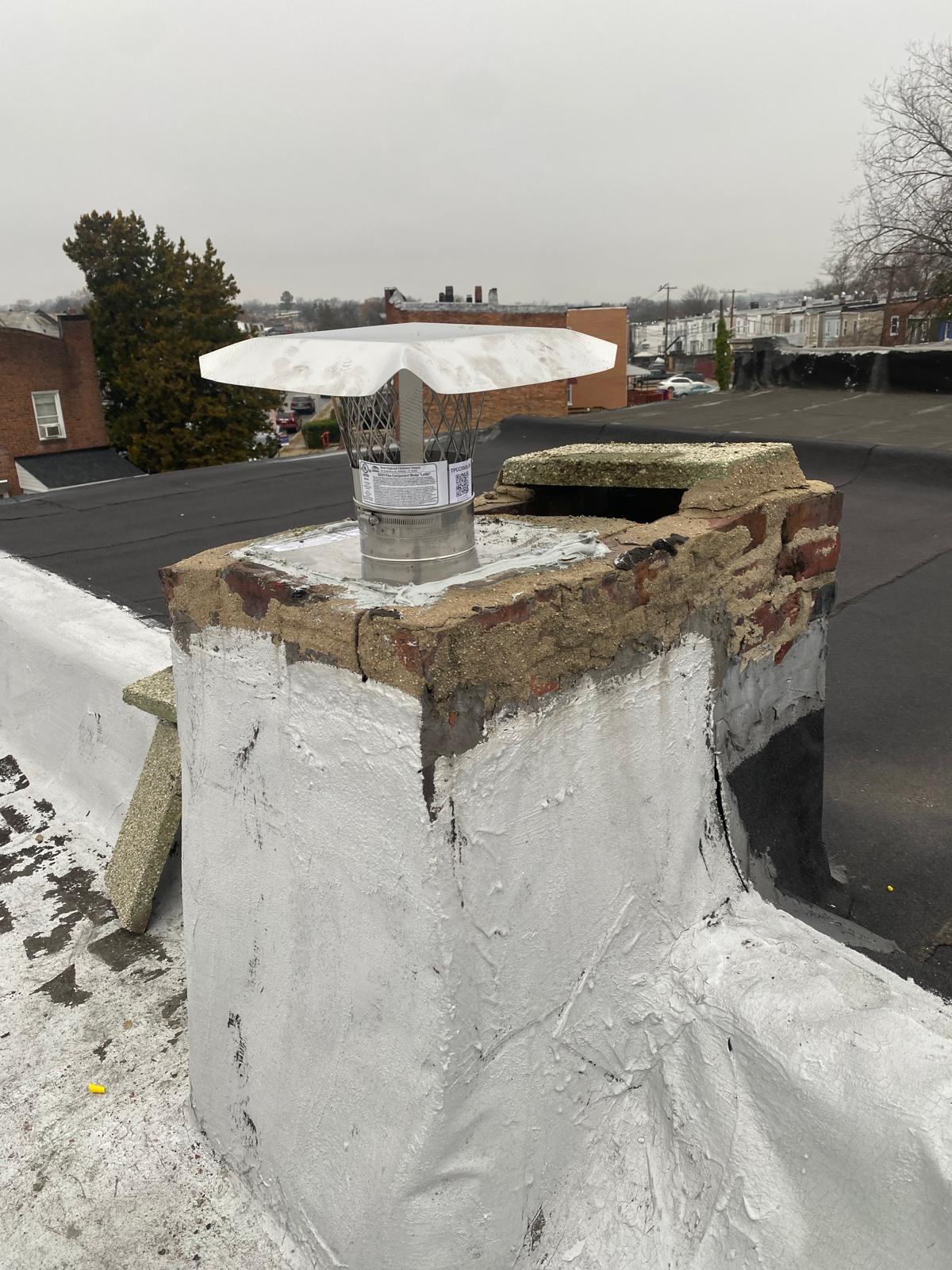
Your cozy Atlanta fireplace isn’t just a source of warmth; it’s a ticking time bomb waiting to ignite tragedy. While that might sound dramatic, it’s a stark truth backed by chilling statistics: an average of 25,000 residential fires annually originate in chimneys, leading to an estimated 30 deaths and $125 million in property damage. The culprit? Often, preventable issues identified through timely chimney safety inspections and creosote removal expertise. Don’t let your beautiful Atlanta home, whether in Buckhead or Grant Park, become another statistic.
The Hidden Costs of Neglect: Why Atlanta Can’t Afford to Wait
Every decision you make about your fireplace comes with a cost – either an upfront investment in safety or a potentially catastrophic deferred payment. In Atlanta’s humid climate, moisture can exacerbate flue liner deterioration and creosote buildup, making timely inspections even more critical. Ignoring your chimney is a gamble with the highest stakes.
The Monetary Price of Procrastination
- Creosote Buildup & Chimney Fires: Neglecting annual cleanings allows highly flammable creosote to accumulate. A chimney fire can instantly cause tens of thousands of dollars in damage, often far exceeding insurance deductibles. This doesn’t even account for the immense disruption and potential temporary displacement from your home.
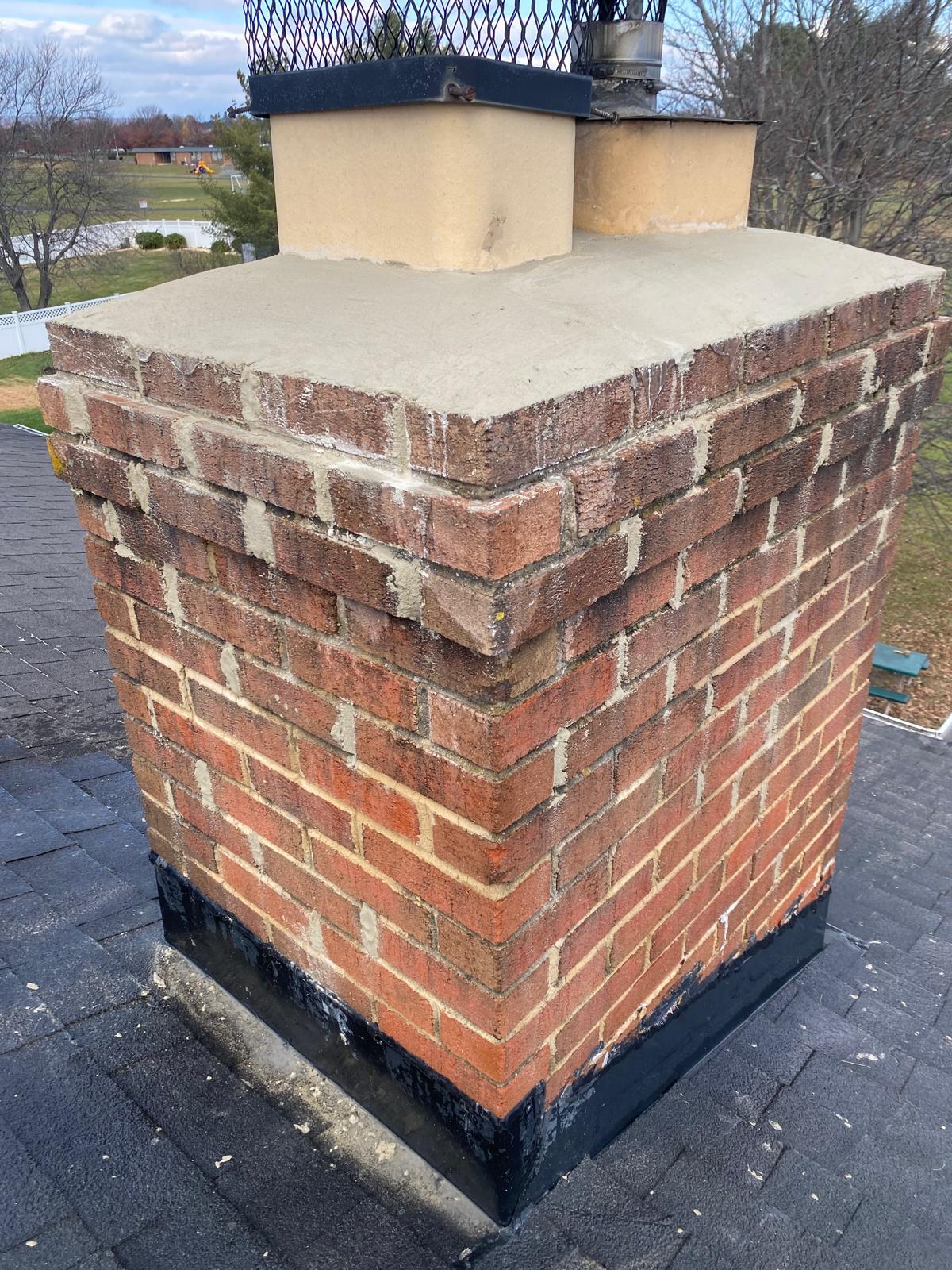
- Structural Damage: Cracks in the flue lining, deteriorating mortar, or compromised chimney caps can lead to water intrusion, carbon monoxide leaks, and structural instability. Repairs for these issues can easily run into the thousands, escalating exponentially if left unaddressed. Early detection via an inspection minimizes these expenses.
- Reduced Efficiency: A clogged, inefficient chimney not only wastes fuel but also potentially forces your HVAC system to work harder, indirectly increasing utility bills throughout Atlanta’s variable seasons. The “cost” here is a subtle, continuous drain on your finances.
The Unfathomable Cost of Human Life
This is where the true gravity lies. Chimney fires can spread rapidly to your home’s structure, trapping occupants. Even more insidious are silent threats like carbon monoxide poisoning due to blocked flues. According to the CDC, hundreds die annually from accidental CO poisoning, and chimneys are a primary vector. No dollar figure can ever quantify the loss of a loved one or the trauma of injury. This is why DD Chimney Cleaning, an expert in the importance of annual chimney inspections, emphasizes prevention above all else. Your vigilance today is the ultimate life insurance.
Investing in Prevention: Your Chimney Safety Inspection Breakdown
The “cost” of a professional chimney inspection pales in comparison to the risks of foregoing one. The Chimney Safety Institute of America (CSIA) mandates different levels of inspections:
Level 1 Inspection: The Annual Baseline
This is your basic, annual check-up, costing typically a few hundred dollars. A DD Chimney Cleaning professional visually assesses readily accessible portions of the chimney, fireplace, and flue, looking for obvious obstructions or damage. This is essential for homes in Roswell or Alpharetta used regularly during the cooler months, detecting routine creosote buildup before it becomes dangerous.
Level 2 Inspection: When Changes Occur
Required when you modify your heating system, sell your home, or experience an external event like a minor chimney fire or weather damage (e.g., from an Atlanta thunderstorm). This involves everything in Level 1, plus a more in-depth internal video scan of the flue and accessible attics or crawl spaces. This critical check can uncover hidden cracks or blockages that might escape a visual inspection, safeguarding against fireplace carbon monoxide dangers.
Level 3 Inspection: The Deep Dive
The most comprehensive (and thus potentially costly) inspection, performed when a Level 1 or 2 identifies a severe hazard requiring access to concealed areas. This may involve removing parts of the chimney structure to diagnose and repair issues. Think of it as necessary surgical intervention when lesser diagnostics aren’t enough.
Atlanta’s Unique Chimney Challenges
While DD Chimney Cleaning is based in Los Angeles, our expertise applies nationally. For homeowners around Stone Mountain or in Midtown, Atlanta’s climate poses specific challenges. The consistent humidity can accelerate mortar degradation and rust on metal components. Seasonal pollen can exacerbate debris accumulation. Furthermore, the rapid temperature shifts can cause expansion and contraction, stressing flue liners. That’s why residents seeking reliable chimney cleaning Atlanta GA, understand that diligent maintenance is paramount.
What a Professional Chimney Cleaning Entails (Beyond Just Soot)
An inspection often precedes or accompanies a chimney cleaning. During a cleaning, our skilled technicians use specialized tools to remove creosote, soot, and blockages like bird nests. This isn’t just about appearance; it’s about restoring safe, efficient operation. While you might be focused on Boston’s specific chimney safety needs or Philadelphia chimney maintenance, the core principles of safety are universal: regular professional cleaning and inspection are non-negotiable.
Your Burning Questions Answered: Chimney Safety FAQ
Here are some frequently asked questions about ensuring chimney safety:
Q1: How often should I have my chimney inspected and cleaned?
A: The CSIA recommends annual inspections, and cleaning as needed. If you use your fireplace frequently, you might need cleaning more often than someone who rarely lights a fire.
Q2: Can I inspect my chimney myself?
A: While a superficial visual check can be done, only a certified professional can perform a thorough inspection, identify hidden dangers, and properly assess the state of your chimney flues.
Q3: What are the warning signs of a dangerous chimney?
A: Strong smoke odor, smoke backing into the room, strange sounds or odors from the chimney, visible cracks in the masonry, or excessive creosote buildup are all red flags.
Q4: Is an inspection necessary even if I haven’t used my fireplace in years?
A: Absolutely. Animals can nest, moisture can cause deterioration, and debris can accumulate, even in unused chimneys. It’s crucial to inspect it before first use or if it has been dormant.
Q5: What’s the difference between a chimney inspection and a chimney cleaning?
A: An inspection assesses the condition and safety of your chimney, identifying potential hazards. Cleaning is the removal of creosote and debris. They are distinct services that often go hand-in-hand.
Q6: Does my fireplace use wood pellets or gas logs mean I don’t need inspections?
A: No. Even gas fireplaces require annual inspections to ensure vents are clear, connections are secure, and no blockages exist that could lead to carbon monoxide issues.
Q7: How long does a typical chimney inspection take?
A: A standard Level 1 inspection can take 30-60 minutes, while Level 2 and Level 3 inspections will take considerably longer, depending on the chimney’s complexity and issues found.