The scent of woodsmoke filled Mrs. Rodriguez’s cozy Silver Lake bungalow. Outside, a rare chill hung in the Los Angeles air, making the crackling fire in her fireplace feel especially inviting. She was preparing for a quiet evening, unaware that mere inches away, an invisible battle against heat transfer was unfolding within her chimney. For years, she’d enjoyed the ambiance without a second thought to the intricate engineering and critical safety role her chimney played. But like many homeowners across Hollywood Hills, Pasadena, and the wider L.A. area, Mrs. Rodriguez hadn’t considered the “hidden dangers” that lurk when a chimney’s structural integrity is compromised – and how this silent degradation can transform a comforting warmth into a terrifying fire hazard.
The Chimney’s Silent Mission: Your Home’s Unseen Guardian
Imagine your chimney not just as a smoke conduit, but as an advanced heat management system. Its primary role, beyond expelling exhaust gases, is to safely contain immense heat, preventing it from transferring to the combustible materials that make up your home’s walls and attic. This is a critical distinction, comparing a structurally sound chimney to one that has succumbed to wear, weather, or neglect.
- A Healthy Chimney: A Thermal Fortress. An intact chimney acts as a robust barrier. Its specialized construction – flue liners, mortar joints, and masonry – is designed to isolate temperatures that can exceed 1000°F (538°C) during a fire, or even up to 2000°F (1093°C) during a creosote ignition. It directs heat upwards, safely away from your structure.
- A Compromised Chimney: A Vulnerable Path. Conversely, a chimney with failing structural integrity becomes a thermal bridge, actively allowing heat to penetrate its defenses. Cracks, eroded mortar, or a damaged liner transform it from a fortress into a pathway for intense heat, posing a direct threat to your home.
The Flue Liner: Your Inner Shield Against the Blaze
At the heart of your chimney’s fire prevention system is the flue liner. This vital component directly confronts the heat, gases, and corrosive byproducts of combustion.
- The Unblemished Liner: Perfect Protection. In a properly maintained chimney, the flue liner – whether ceramic, stainless steel, or clay tile – creates a smooth, continuous passageway. This smooth surface not only enhances draft efficiency but, more importantly, keeps superheated gases safely contained. It provides a crucial barrier, preventing heat from radiating through the masonry to adjacent wood framing, insulation, or other combustibles.
- The Damaged Liner: An Open Invitation to Disaster. Now, consider a flue liner with cracks, spalling, or missing sections. This is a common issue in older Los Angeles homes, especially after years of temperature fluctuations or a minor chimney fire. These imperfections are direct breaches. They allow superheated gases and even flames to escape into the masonry chimney wall itself. From there, the heat can readily transfer through mortar joints and bricks, eventually reaching nearby combustible materials through a process known as “thermal bridging.” According to the National Fire Protection Association (NFPA), compromised chimney structures are a leading factor in residential heating-related fires. DD Chimney Cleaning emphasizes our professional chimney cleaning services in Los Angeles because a thorough inspection often uncovers these hidden dangers.
Masonry & Mortar: The Outer Walls of Defense
Beyond the flue liner, the brickwork and mortar of your chimney play an equally crucial, albeit secondary, role in heat containment.
- Robust Masonry: A Shielding Mass. Strong, well-pointed masonry, particularly within the ‘smoke chamber’ and throughout the flue, provides substantial thermal mass. This mass absorbs and slowly dissipates heat, ensuring that the external temperature of the chimney remains safe for surrounding construction. It also provides structural rigidity, protecting the inner liner from external stresses. Our expert team at DD Chimney Cleaning knows that a properly built chimney should have specific clearances to combustibles – typically 2 inches for most code requirements – which the masonry helps to maintain. This standard is consistent for DD Chimney Cleaning in Philadelphia to DD Chimney Cleaning in Detroit.
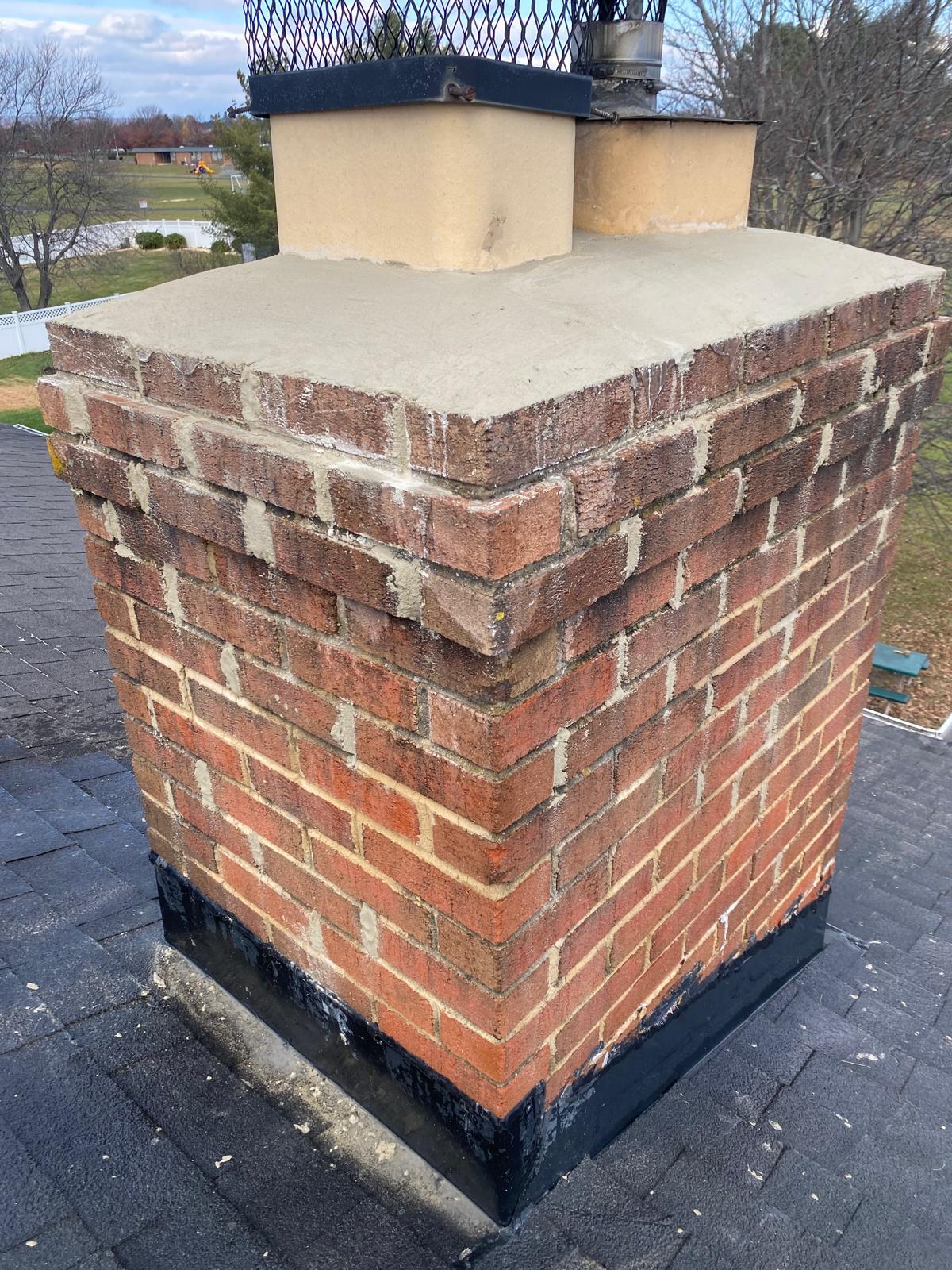
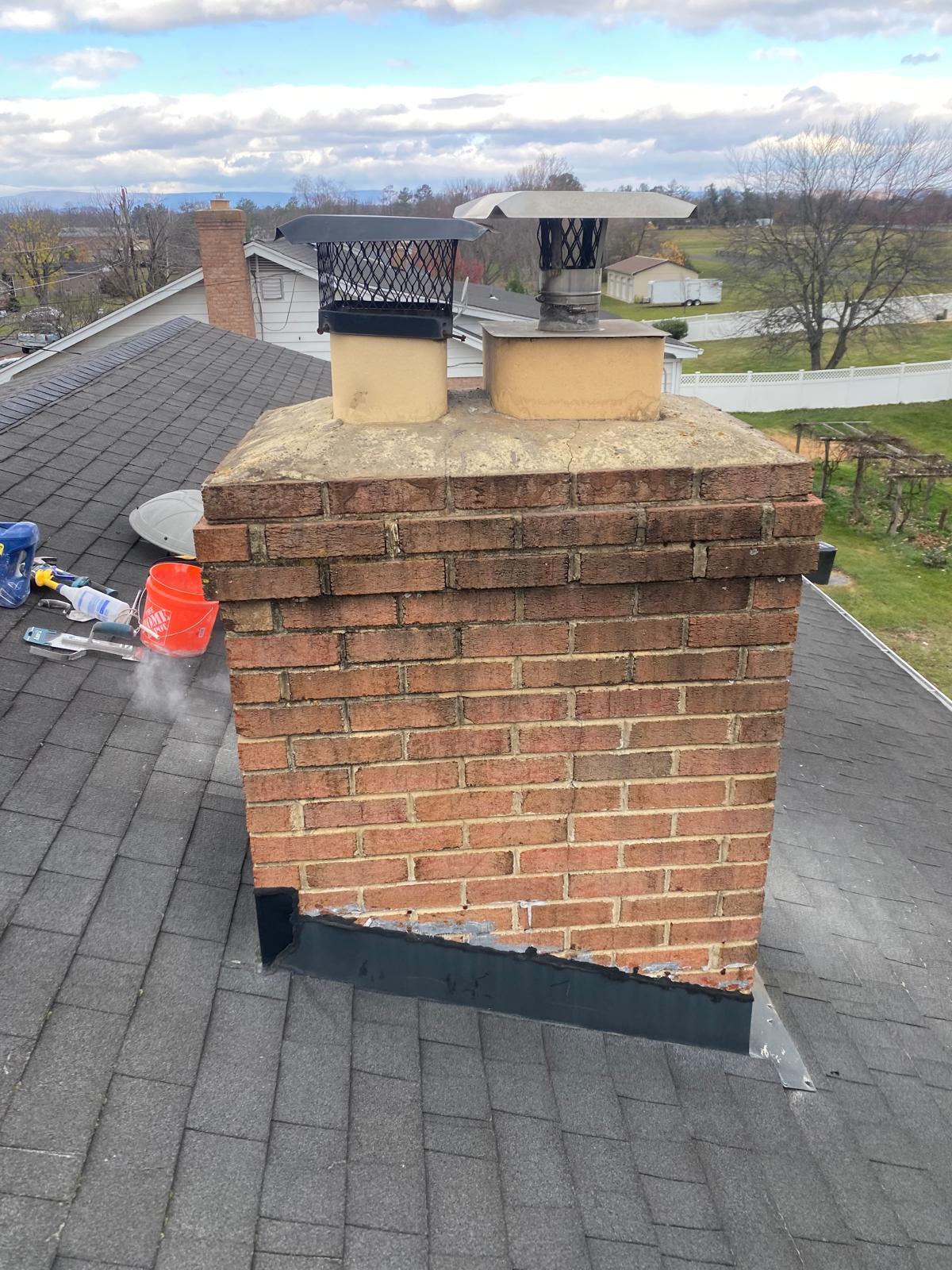
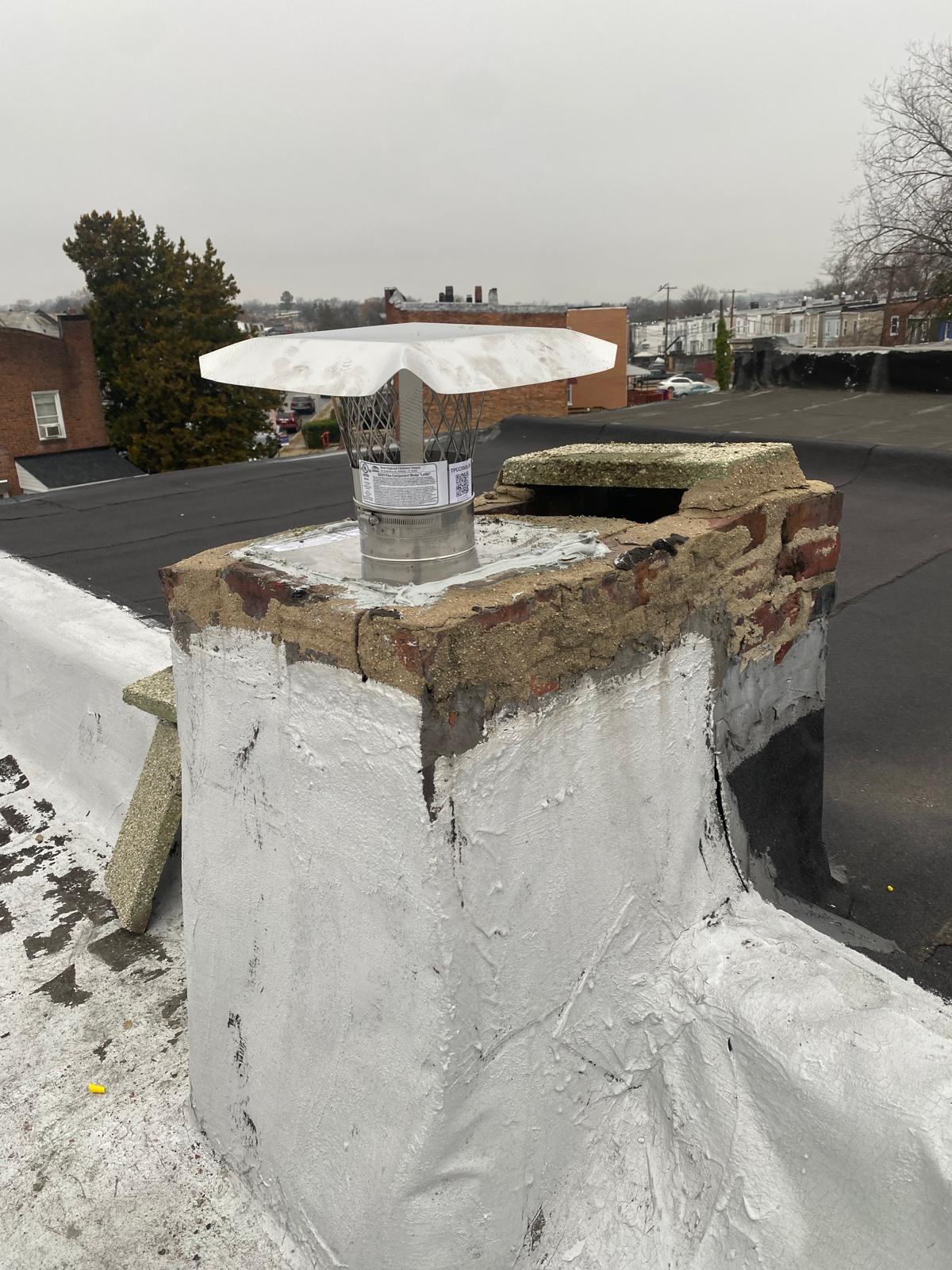
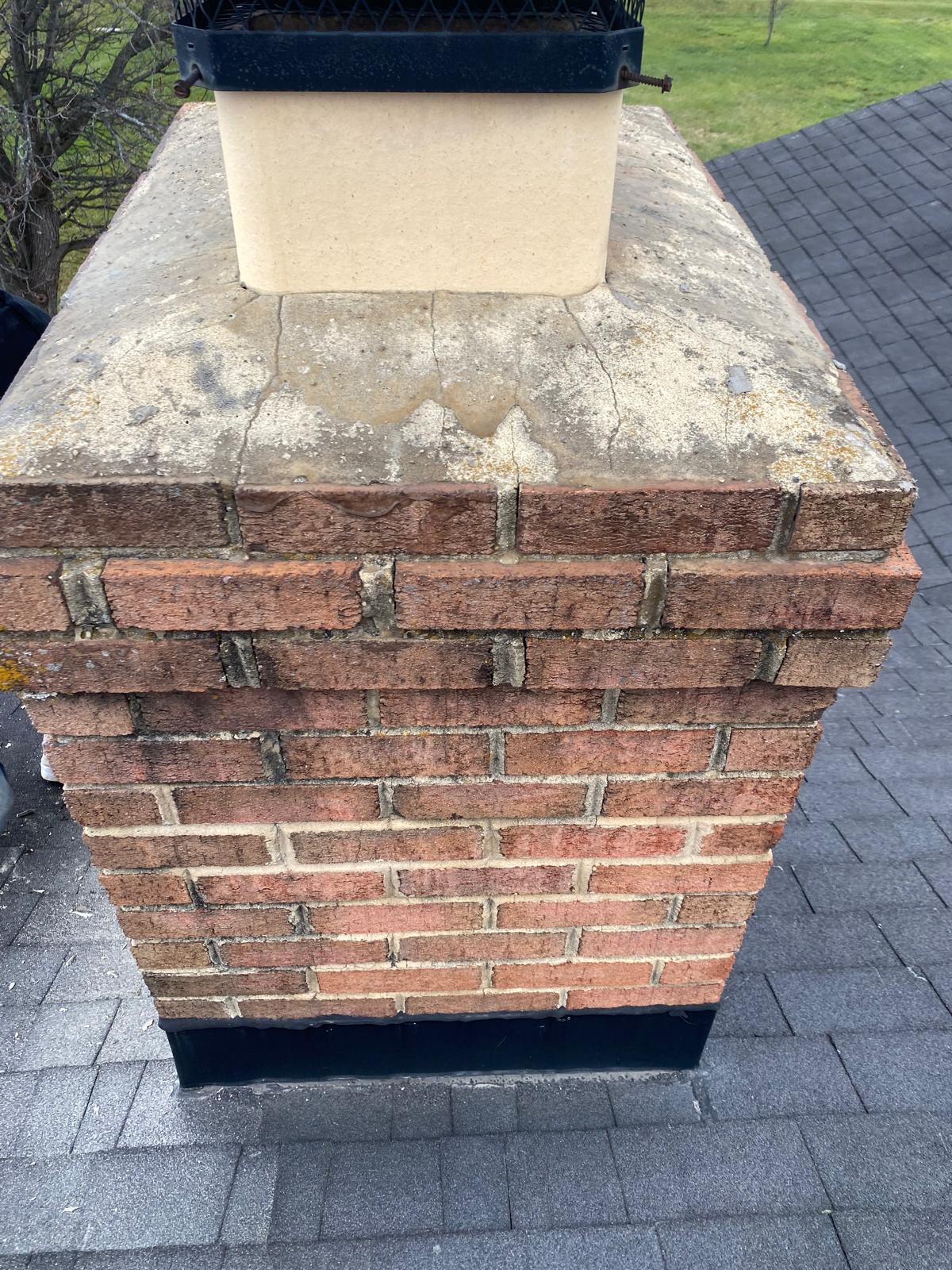
- Deteriorating Masonry: A Structural Weakness. Over time, exposure to the elements – especially the varied weather of Southern California, from dry heat to occasional intense rain – can cause mortar joints to erode and bricks to spall. This doesn’t just look bad; it creates structural vulnerabilities. Heat transfer can accelerate through degraded mortar, and gaps can allow dangerous gases to leak into your living space, or worse, superheated gases to reach concealed wooden framing. This process can even lead to the dangers of creosote buildup to interact with flammable elements outside the flue.
Pyrolysis: The Silent Incubation of Fire
Perhaps the most insidious danger from prolonged heat transfer is pyrolysis. This isn’t an instant blaze, but a chemical transformation.
- Protected Wood: Resilient to Heat. When combustible materials (like wall studs or attic joists) are adequately protected by the chimney’s sound structure and proper clearances, they remain at safe ambient temperatures, retaining their normal ignition point.
- Exposed Wood: A Lowering Threshold. However, if heat consistently transfers through a compromised chimney, adjacent wood materials undergo pyrolysis. This is a process where the wood’s chemical composition changes, converting it into char and making it more susceptible to ignition. It dramatically lowers the temperature at which the wood will ignite, sometimes by hundreds of degrees. A house fire initiated by pyrolysis often has no obvious cause because the wood simply ignites spontaneously at a much lower temperature than normal. This silent danger makes professional inspections vital, especially for older homes in areas like Hancock Park or Santa Monica.
Don’t Wait for the Smoke: Proactive Protection with DD Chimney Cleaning
The comparison between a structurally sound chimney and a compromised one is stark: it’s the difference between safety and severe fire risk. Understanding this relationship is the first step towards prevention. DD Chimney Cleaning provides essential the peace of mind that comes with certified chimney sweeping, ensuring your Los Angeles home remains safe. We don’t just clean; we inspect for these hidden dangers. Our thorough process identifies deterioration, creosote accumulation, and structural flaws that can lead to hazardous heat transfer. Similar dedication to safety is also the hallmark of