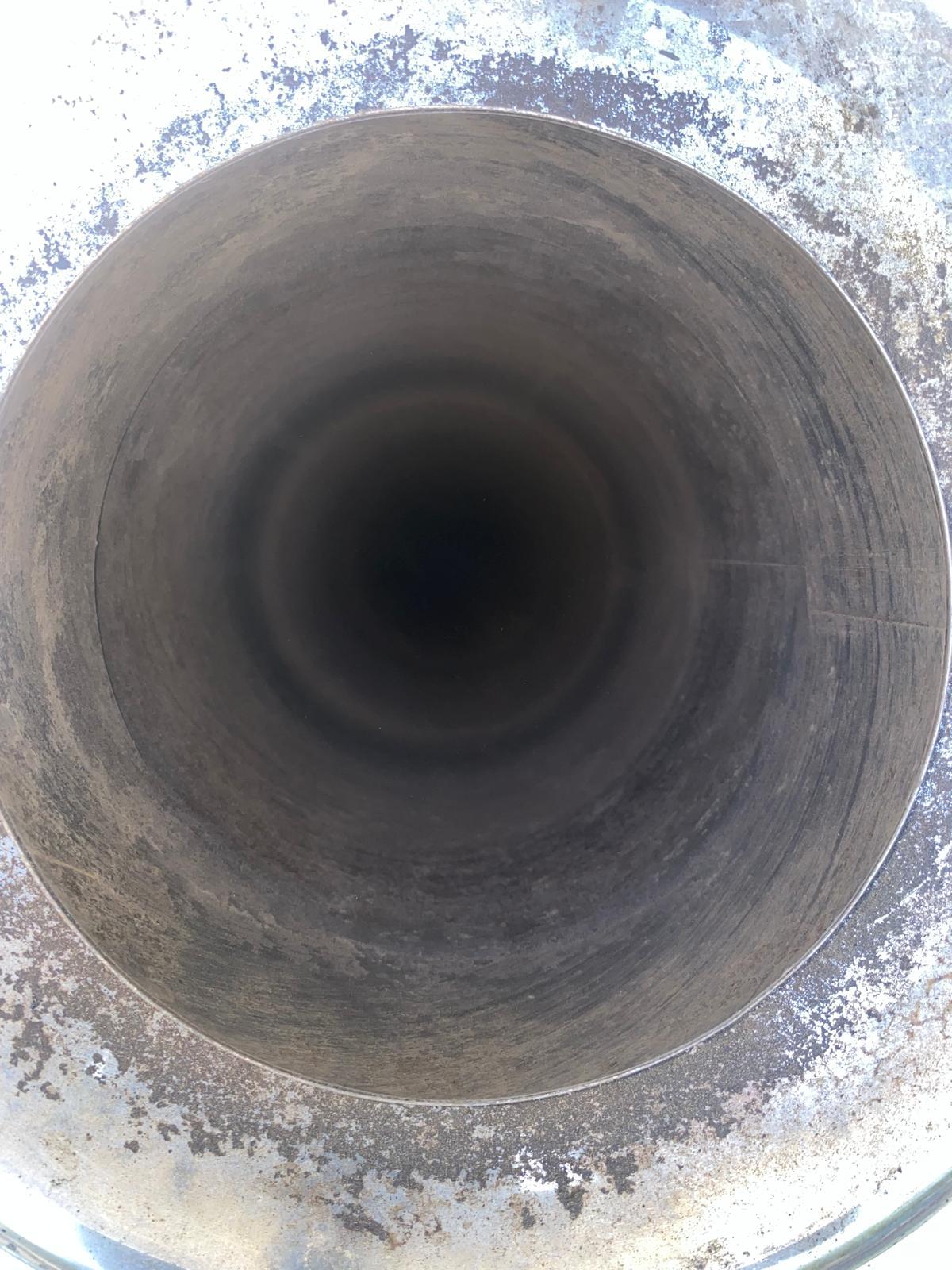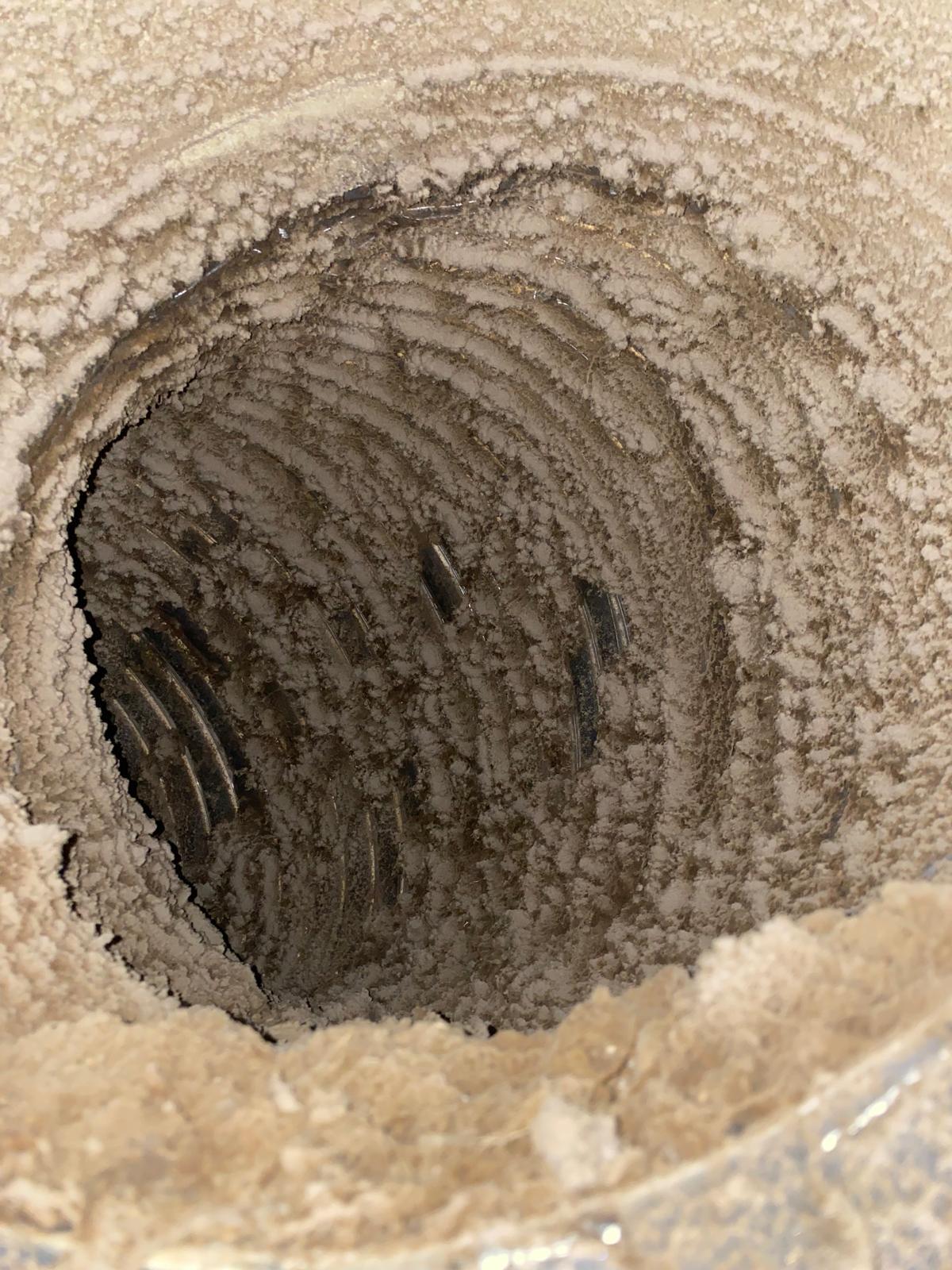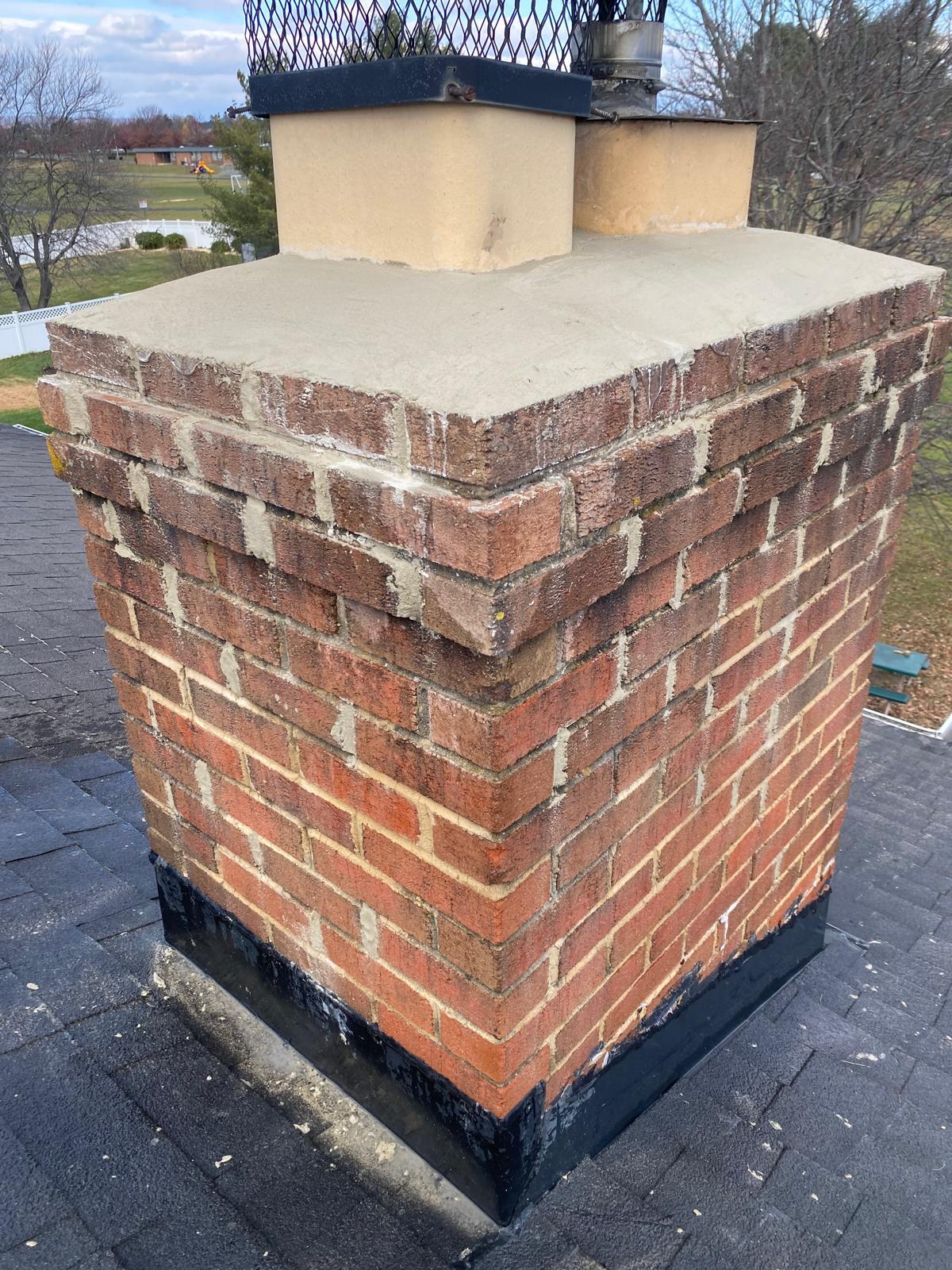
Did you know that many of Boston’s historic homes, from the brownstones of Beacon Hill to the classic Victorians in Jamaica Plain, often boast chimneys that are as old as the homes themselves? These stately structures aren’t just architectural statements; they’re vital components of your home’s integrity. Just like an antique clock needs regular winding, your historic Boston chimney needs attentive exterior care to stand the test of time. While our expertise at DD Chimney Cleaning typically focuses on the vital internal cleaning of flues, understanding your chimney’s exterior health is paramount to ensuring its longevity and the efficiency of its internal system. A well-maintained exterior directly impacts how effectively and safely your chimney functions, making routine DD Chimney Cleaning in Boston more impactful in the long run.
Why Your Boston Chimney’s Exterior Matters for Its Interior Health
Living in Boston, we experience all four seasons, sometimes all in one week! From harsh winter freezes and thaws to humid summers and the salty air near the coast, these elements relentlessly assault your chimney’s exterior. This constant exposure can lead to subtle damage that, if ignored, severely compromises the entire chimney structure, including the flue liner – the part we clean. A robust exterior acts as the first line of defense, preventing moisture intrusion that can damage masonry and accelerate creosote buildup inside.
Your Historic Boston Chimney Exterior Care Checklist
Maintaining the timeless beauty of your Boston home’s chimney exterior isn’t just about curb appeal; it’s a critical preventative measure for the entire fireplace system, keeping your flue ready for efficient chimney cleaning. Here’s a checklist to help you keep an eye on things:
-
Inspect the Chimney Crown Annually
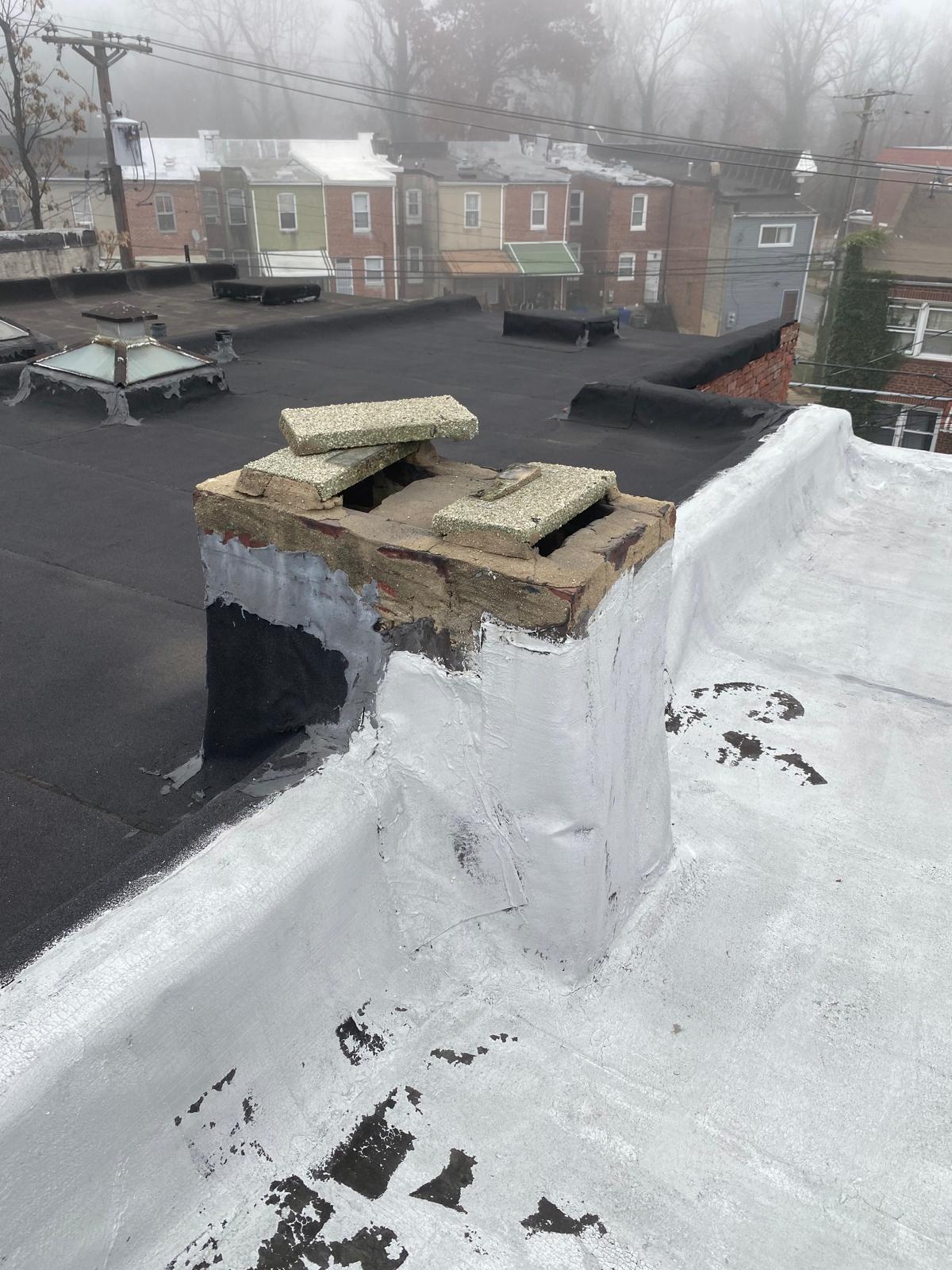
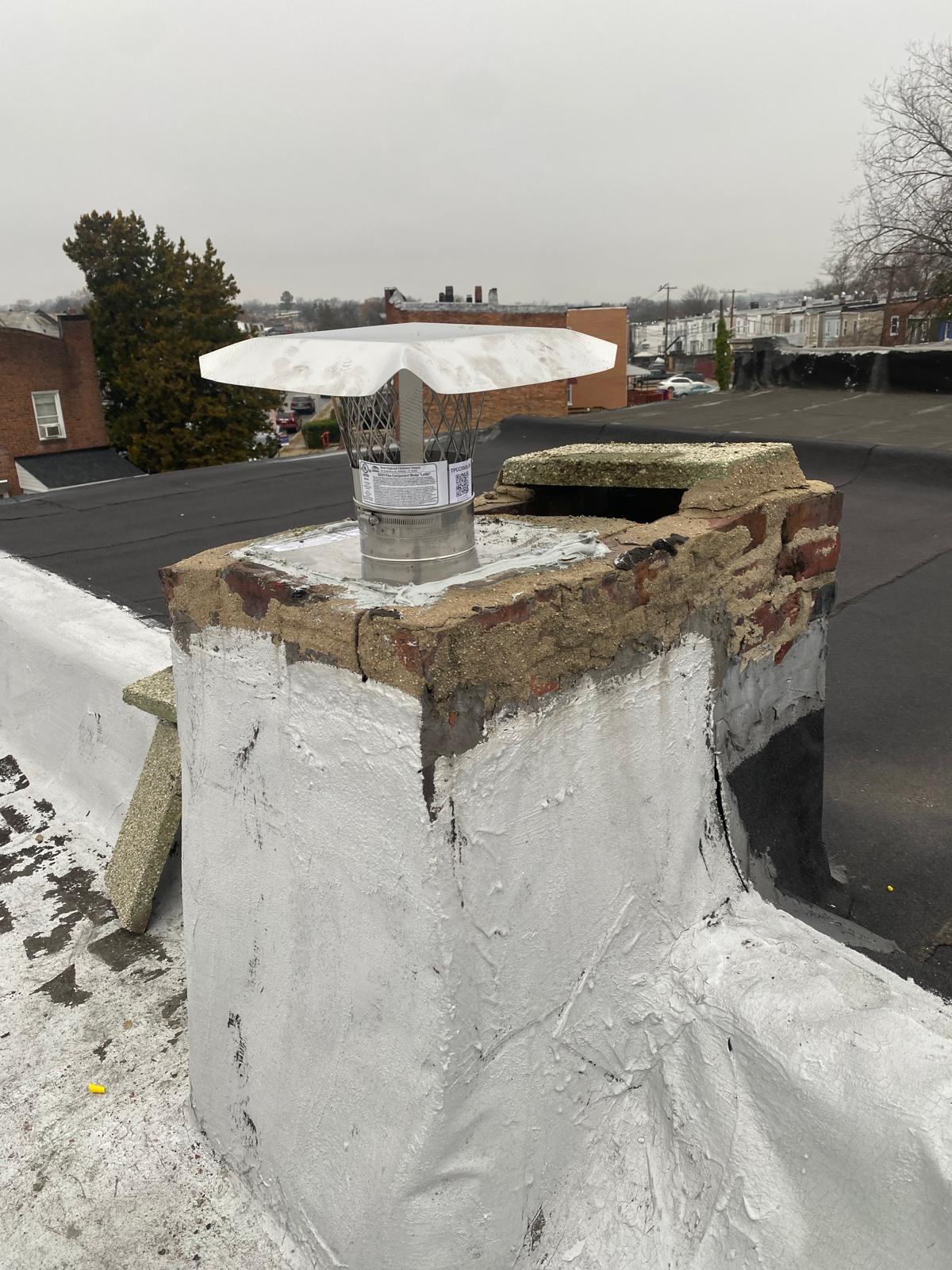
The chimney crown, the slab at the very top, is your chimney’s umbrella. In historic Boston homes, cracks here are common due to age and freeze-thaw cycles. Even hairline cracks can allow water to seep into the chimney structure, saturating the masonry and potentially reaching the flue liner. This moisture can combine with creosote inside, creating a corrosive sludge that accelerates deterioration and makes future chimney cleaning more challenging and less effective.
-
Examine Mortar Joints for Deterioration
Boston’s climate can be tough on mortar. Look for crumbling, missing, or spalling (flaking) mortar between bricks. Old, lime-based mortar on historic homes requires careful attention. Deteriorated mortar is an open invitation for water to penetrate the chimney stack. Wet masonry not only loses its structural integrity but can also contribute to cooler flue temperatures, leading to increased condensation and heavier creosote deposits that will demand thorough professional chimney cleaning.
-
Check Flashing Around the Roofline
Flashing is the metal work that seals the chimney’s base where it meets your roof. Often made of copper or galvanized steel, especially on older homes in neighborhoods like the South End, it can corrode, buckle, or lift over time. Failed flashing is a direct pathway for water into your attic, walls, and down the chimney chase, affecting the flue. Water damage here can degrade flue liners and chimney components, leading to issues like efflorescence on the interior of the firebox and a host of damp-related problems that complicate regular chimney maintenance.
-
Look for Spalling or Cracked Bricks
The porous nature of bricks means they absorb water. During freezing temperatures, this water expands, causing the brick face to pop off or “spall.” This damage isn’t just cosmetic; it exposes the softer inner brick to more moisture, further weakening the structure. Beyond structural concerns, spalling often indicates prolonged moisture exposure, which affects the internal flue and its cleanliness, sometimes even creating blockages of debris that necessitate a more involved chimney cleaning process.
-
Ensure Your Chimney Cap is Intact and Screened
Often overlooked, the chimney cap protects your flue from rain, snow, and animal intrusion. A damaged or missing cap means direct exposure to Boston’s elements, leading to water pooling in the flue and damp conditions that foster rapid creosote accumulation. Furthermore, critters like squirrels and birds, common sights even in urban parks like the Boston Common, can nest inside without a cap, creating blockages that are dangerous and require professional removal as part of a chimney cleaning service.
Impact of Exterior Neglect on Your Interior Flue & Cleaning Needs
It’s a direct chain reaction: what happens outside impacts what happens inside. When exterior elements fail, moisture invariably finds its way into the chimney. This damp environment inside the flue isn’t just uncomfortable; it’s detrimental. It encourages a specific type of creosote, often referred to as “third-degree creosote,” which is sticky, glazed, and highly combustible. This type of buildup is incredibly difficult for even a professional chimney sweep to remove, significantly increasing the risk of a chimney fire. Neglecting your exterior effectively sets the stage for more frequent, and more challenging, professional chimney cleaning.
Understanding these exterior vulnerabilities is key to maintaining a safe and efficient fireplace system. DD Chimney Cleaning emphasizes preventative awareness because a structurally sound and dry chimney exterior allows us to perform the most effective and thorough internal cleaning possible. We pride ourselves on offering comprehensive solutions that truly matter to your home’s safety and well-being. For a routine check-up or if you suspect any issues, don’t hesitate to reach out to us at (833) 339-6803. Even for our Los Angeles clientele, we believe in sharing this vital knowledge about chimney care universally, especially for historic structures. This detailed care helps ensure that when you search for professional chimney cleaning, you’re investing in a well-maintained system.
FAQ: Exterior Chimney Maintenance & Chimney Cleaning
Q1: How often should I visually inspect my historic Boston chimney’s exterior?
A: We recommend a visual inspection at least twice a year – ideally in the spring after winter’s harshness, and again in the fall before heavy usage begins. After any significant weather event, like a severe nor’easter, it’s also wise to take a quick look from the ground. Homeowners in Los Angeles have also found great results with best air duct cleaning in Los Angeles.
Q2: Can exterior chimney issues directly lead to a chimney fire?
A: While exterior issues don’t directly cause fires, they can contribute significantly to conditions that lead to them. For example, water intrusion from a faulty crown or flashing can make the flue damp, promoting the accumulation of highly flammable, glazed creosote. This creosote, once ignited, is extremely dangerous, making professional chimney cleaning absolutely essential.
Q3: What’s the biggest threat to my historic chimney’s exterior in Boston?
A: The freeze-thaw cycle combined with constant moisture is arguably the biggest threat. Water seeps into mortar and bricks, freezes, expands, and slowly deteriorates the masonry. This process, over many decades, is particularly damaging to older structures like those in the historic North End.
Q4: My chimney exterior looks fine, but my fireplace smells damp. Are these related?
A: Absolutely. A damp smell, especially if it worsens with humidity or rain, often indicates moisture intrusion. Even if exterior