As the vibrant golden hues of summer begin to gently fade from the Hollywood Hills and the scent of crisp, cooler air hints at a seasonal shift, Los Angeles residents know what’s coming next: rain. While our city is famed for its sunshine, the occasional (and sometimes intense) rainy season brings unique challenges, especially for your home’s often-overlooked chimney. Beyond just preventing leaks, truly preparing your chimney for the wet months requires a nuanced understanding of its inner workings. This guide will walk you through the essential steps, distinguishing between DIY actions and when it’s crucial to call in the professionals at DD Chimney Cleaning.
The Unique Rain Challenge for Los Angeles Chimneys
Unlike regions with consistent rainfall, Los Angeles experiences a distinctive weather pattern: long dry spells often followed by concentrated, heavy downpours, sometimes in the form of powerful atmospheric rivers. This cycle can be particularly harsh on chimney structures. The prolonged dryness can cause mortar to crack and degrade, making it more susceptible to water intrusion when the rains finally hit. Furthermore, chimneys, particularly in areas near natural brush such as the Santa Monica Mountains or Topanga Canyon, can accumulate significant amounts of debris from winds, not to mention increased creosote build-up from post-wildfire season usage. This debris and creosote can trap moisture, accelerating deterioration and potentially leading to water damage beyond just a simple leak.
DIY Steps for Rainy Season Chimney Prep: Basic Prevention
While extensive chimney work is best left to certified experts, there are several preliminary steps you, as a homeowner, can safely undertake to begin preparing your chimney for Los Angeles’s rainy season. These actions focus on visual assessments and clearing easily accessible blockages.
Exterior Visual Inspection: What to Look For
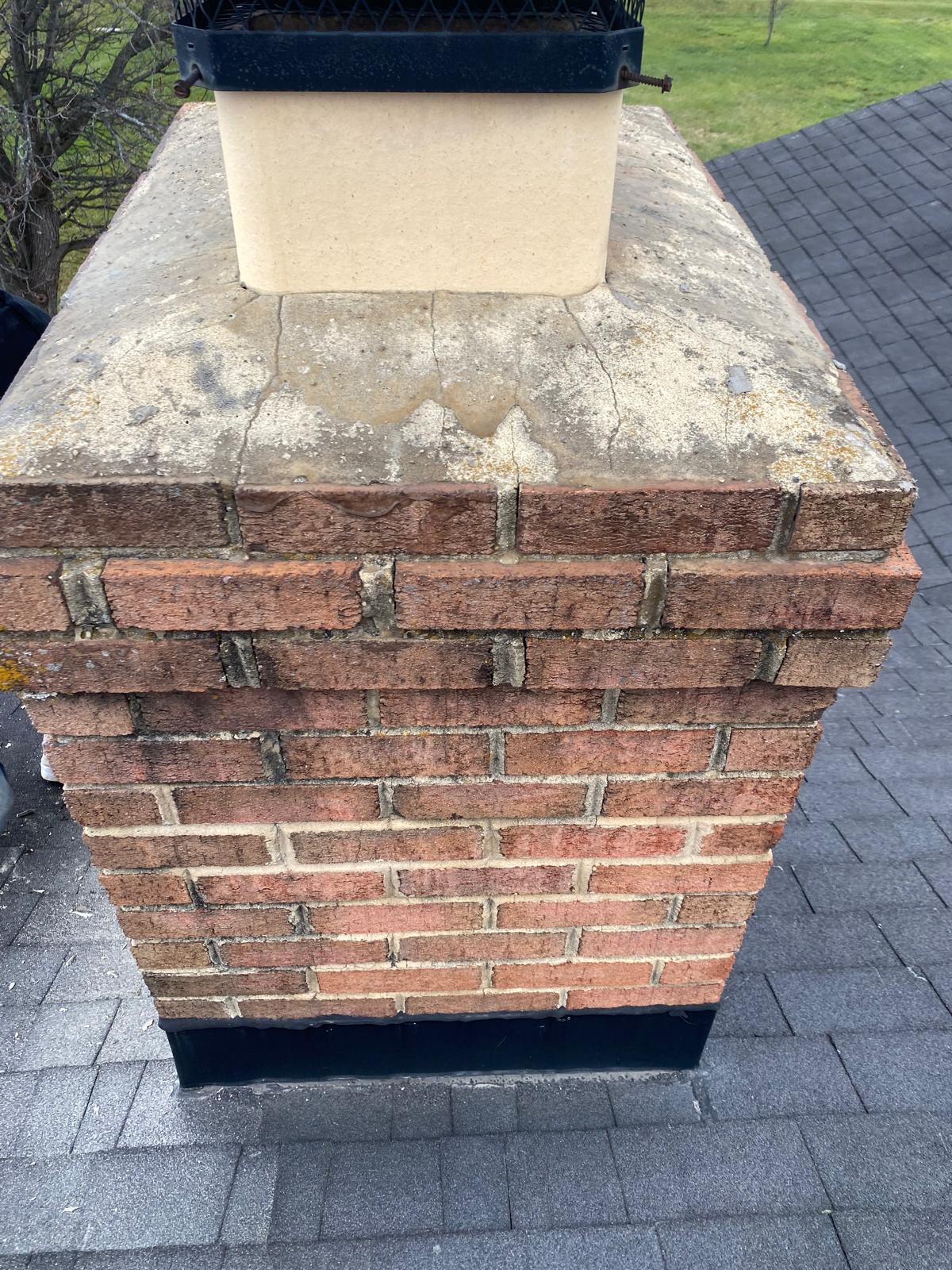
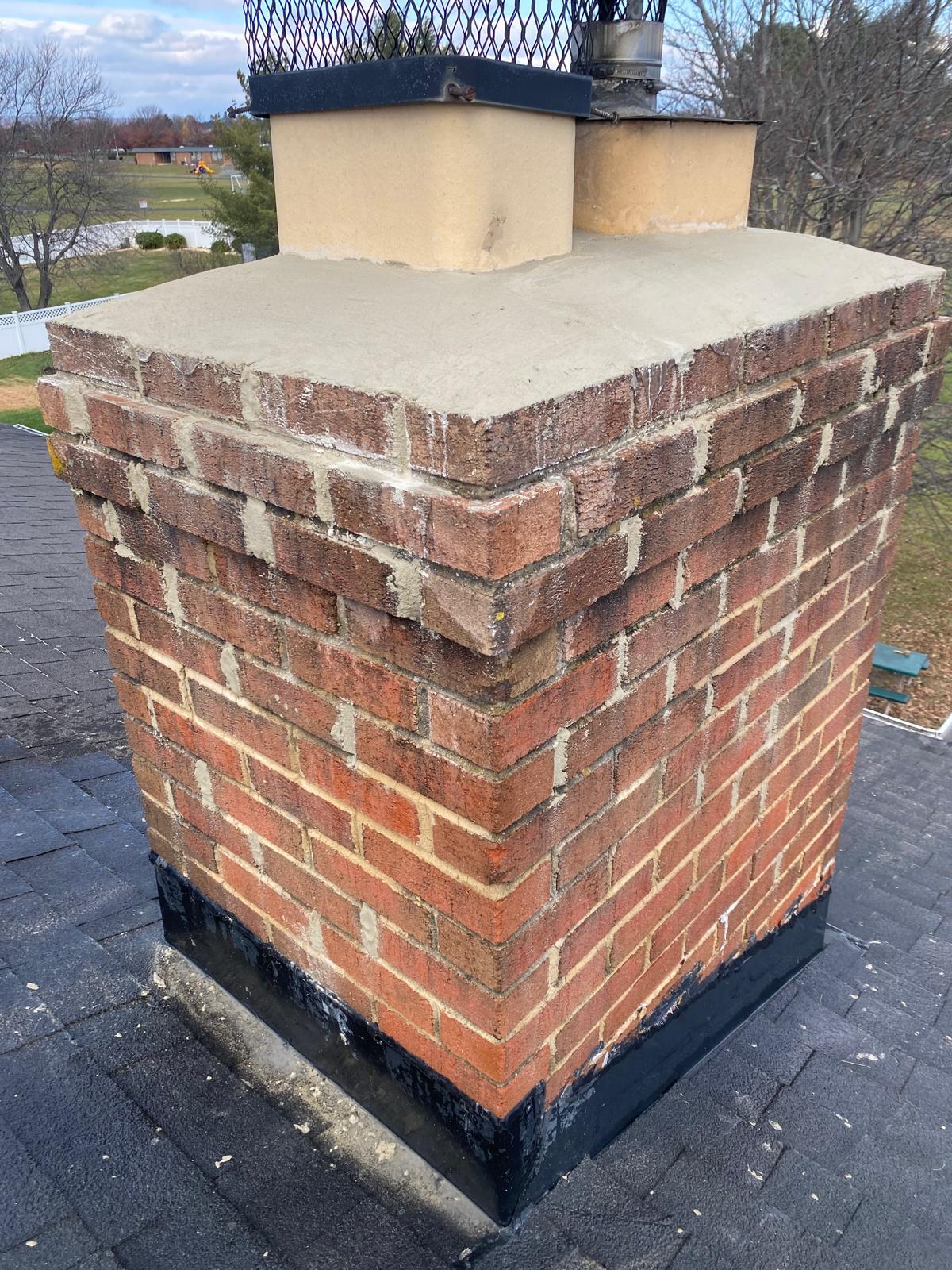
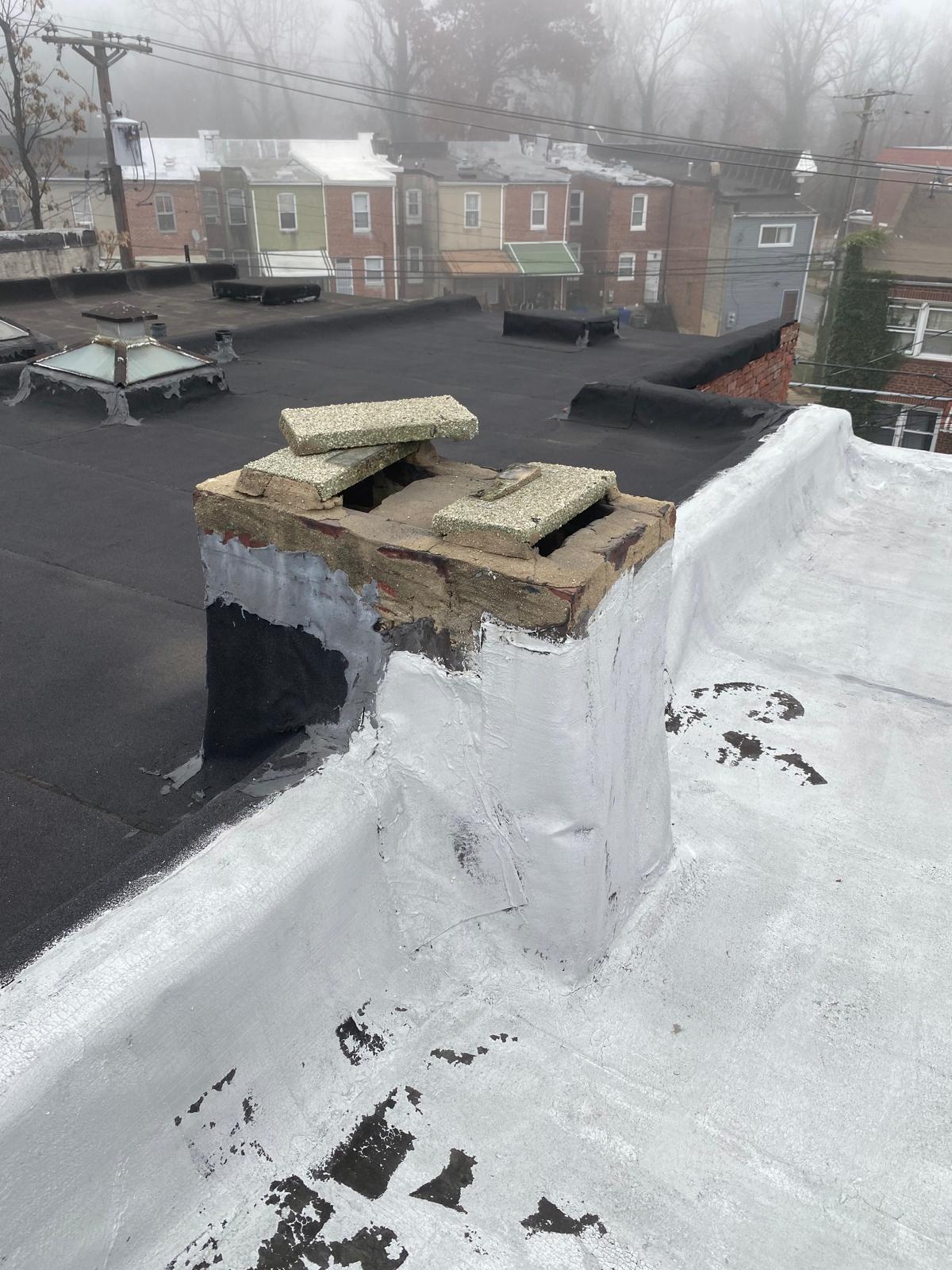
- Cap and Crown Integrity: From the ground, visually inspect your chimney cap for any signs of damage, rust, or missing components. The crown, the concrete slab at the top, should be free of significant cracks. A compromised cap or crown is often the primary entry point for rainwater.
- Visible Masonry Damage: Look for cracked, spalling (flaking), or deteriorating bricks and mortar joints along the exterior of the chimney stack. Pay particular attention to the sides most exposed to prevailing winds and rain.
- Flashing Examination: The flashing, which is the metal seal where the chimney meets the roof, should lie flat and securely. Any buckling, gaps, or rust spots here are red flags for potential leaks into your attic or living space.
Clearing Basic Debris and Understanding Potential Obstructions
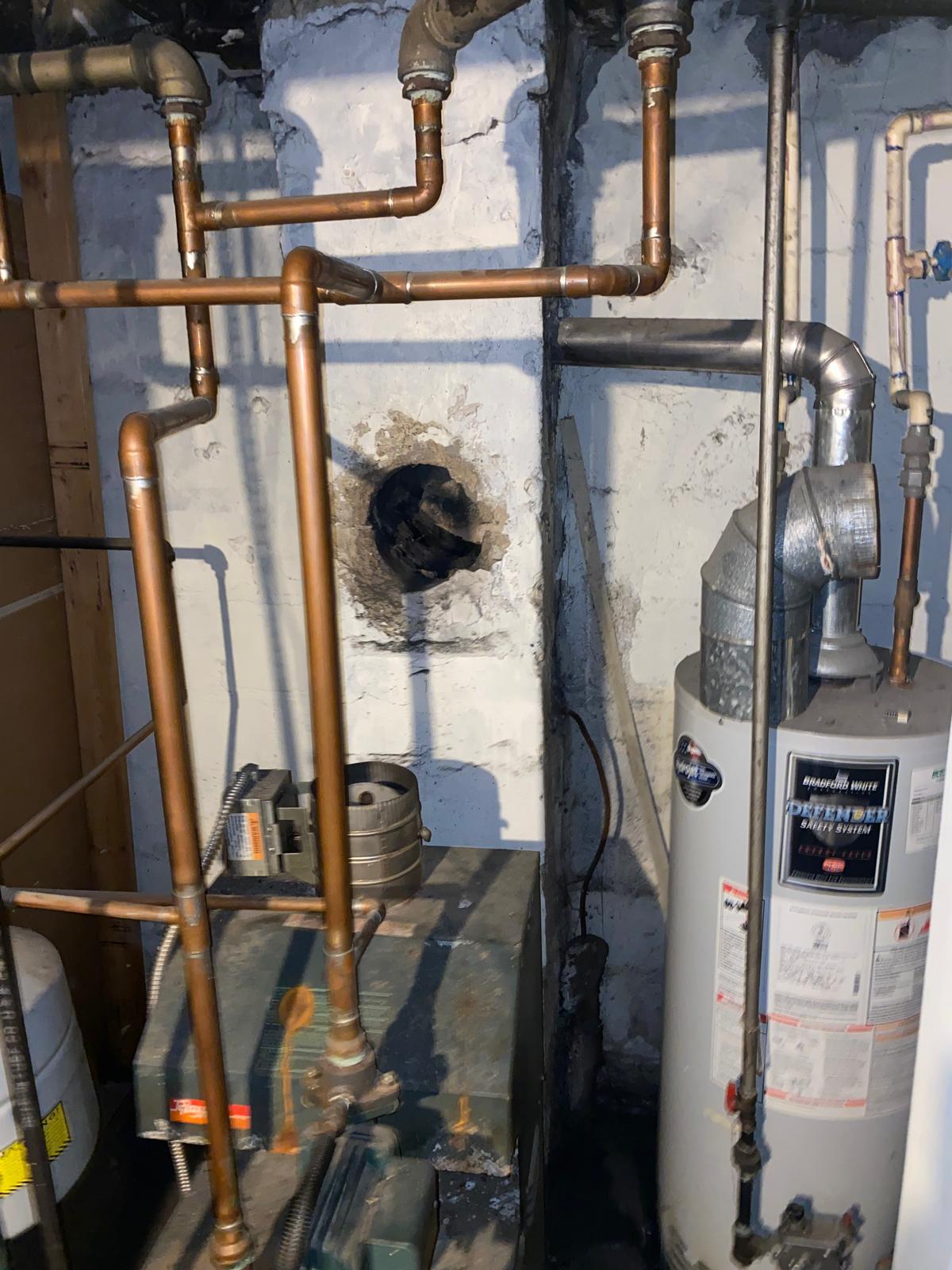
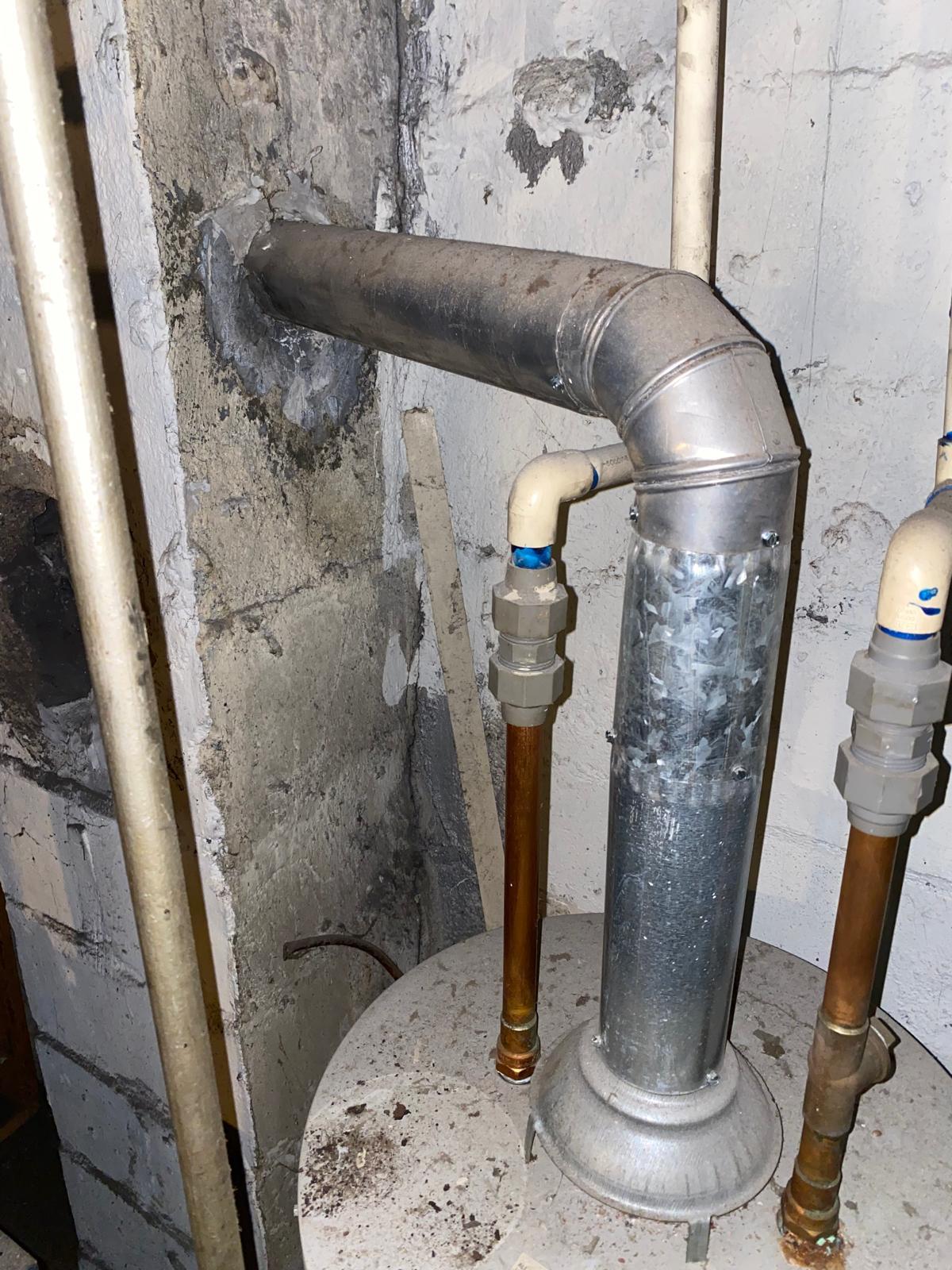
You can often remove small accumulations of leaves, twigs, or other light debris from the very top of your chimney, being careful and using a sturdy ladder. However, this is a superficial cleaning. The true challenge lies within the flue. Blockages from bird nests (especially common in taller structures across the city, from Downtown LA to Pasadena), fallen branches, or even solidified creosote can impede proper airflow and trap moisture, leading to significant problems. Such internal obstructions often require professional tools and expertise to address safely and effectively.
When Professional Chimney Cleaning Becomes Essential: Advanced Protection
For comprehensive rainy season readiness, the DIY approach only scratches the surface. This is where professional expertise from DD Chimney Cleaning truly shines, ensuring your chimney is not just leak-free but also safe and fully functional.
Deep Cleaning for Creosote and Blockage Removal
Professional professional chimney sweeping goes far beyond surface-level cleaning. Certified technicians use specialized brushes and vacuums to thoroughly remove creosote – the highly flammable residue left by burning wood. Creosote accumulation not only poses a fire hazard (responsible for an estimated 25,000 chimney fires annually in the U.S.) but can also absorb moisture, leading to unpleasant odors and structural damage over time. Moreover, professionals can identify and remove animal nests, insect infestations, and other hard-to-reach debris that could otherwise create significant blockages, preventing proper ventilation and contributing to moisture issues within the flue. Addressing significant creosote accumulation is critical for safety and longevity.
Comprehensive Flue and Structural Inspection
Beyond cleaning, a professional inspection involves examining the interior flue liner for cracks, gaps, or deterioration that could compromise its integrity. Such flaws can allow smoke and gases to leak into your home, and more importantly for rainy season, allow water to penetrate the masonry, leading to freeze-thaw damage in colder climates or accelerated decay here in LA. DD Chimney Cleaning’s technicians are trained to spot these subtle signs of wear and tear, ensuring that hidden vulnerabilities are identified and addressed. For a thorough and reliable assessment of your chimney’s readiness, consider contacting us at (833) 339-6803.
DD Chimney Cleaning: Your Partner Against LA’s Wet Weather
For Los Angeles homeowners, investing in professional chimney care before the rains hit is a proactive measure that saves time, money, and potential headaches down the line. Our expertise at DD Chimney Cleaning in Los Angeles ensures that your chimney system is thoroughly cleaned and inspected, mitigating risks from water intrusion and ensuring safe operation. While cities like DD Chimney Cleaning in New York or DD Chimney Cleaning in Chicago face more severe winter conditions, LA’s unique climate still demands diligent attention to chimney health, especially concerning moisture management. We use state-of-the-art equipment and employ experienced, certified technicians who understand the specific challenges faced by chimneys in our local environment.
Frequently Asked Questions About Rainy Season Chimney Care
- Q1: Why is professional chimney cleaning so important before the rainy season in Los Angeles?
- A1: Los Angeles’s intense, intermittent rains can expose hidden vulnerabilities. Professional cleaning removes creosote and debris that can trap moisture, preventing structural damage, unpleasant odors, and potential blockages that exacerbate water-related issues within the flue.
- Q2: How often should my chimney be professionally cleaned?
- A2: The National Fire Protection Association (NFPA) recommends annual inspections and cleaning as needed. For regular users, especially during wildfire season with increased debris, an annual professional cleaning by experts like DD Chimney Cleaning is highly recommended.
- Q3: Can a dirty chimney really contribute to water leaks?
- A3: Absolutely. Heavy creosote buildup or internal blockages (like nests) can restrict airflow, causing condensation that leads to moisture saturation of the flue tiles or brickwork. This can accelerate deterioration and make your chimney more prone to water penetration.
- Q4: What signs indicate my chimney needs cleaning beyond just visual exterior damage?
- A4: Besides visible cracks or missing components, signs include a persistent smoky smell when not in use (often indicating creosote issues), difficulty drafting, unusual sounds (like animal activity), or a noticeable amount of soot falling into your fireplace.
- Q5: What’s the difference between a chimney sweep and an inspection?
- A5: A chimney sweep focuses on cleaning out creosote, soot, and blockages. A comprehensive chimney inspection, often performed concurrently, is a detailed assessment of the chimney’s structural integrity, flue liner, cap, crown, and flashing to ensure it meets safety standards and is free from defects.
Ensure Your Chimney’s Readiness with DD Chimney Cleaning
Don’t wait for the first downpour to discover your chimney’s