A common mistake Los Angeles homeowners make regarding their beautiful Spanish Colonial style chimneys is assuming their less frequent use compared to colder climates means they require less attention. This oversight is dangerous. While Southern California’s mild winters might reduce daily fireplace use, the unique architectural features and environmental factors of our region demand specific, consistent chimney cleaning and maintenance. Neglecting these iconic structures can lead to significant fire hazards and costly structural damage, not to mention compromising the historical integrity of your home.
DD Chimney Cleaning understands the distinct challenges faced by homeowners in areas like Beverly Hills, Pasadena, and Santa Monica. Our focus is on providing straightforward, expert-level chimney cleaning to ensure your home remains safe and sound.
Understanding Your Spanish Colonial Chimney’s Unique Needs
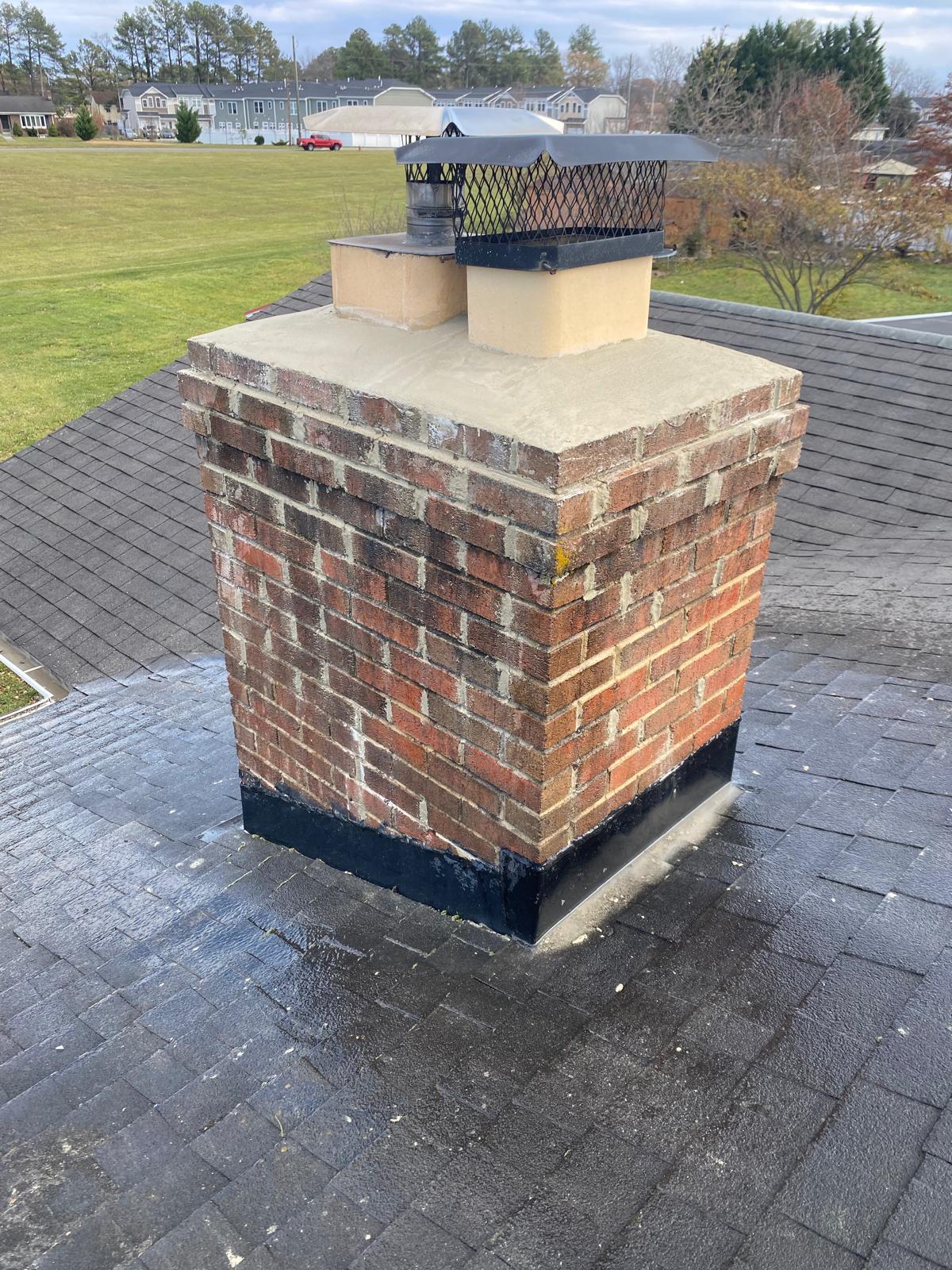
Spanish Colonial architecture, celebrated across Los Angeles, features distinct chimney designs. These often include intricate brickwork, decorative stucco finishes, terra cotta chimney pots, and robust masonry. While aesthetically pleasing, these elements can complicate maintenance. Stucco can hide masonry issues, and decorative caps, if not properly maintained, can accumulate debris or allow moisture intrusion. Furthermore, the terra cotta flue liners, while durable, are still susceptible to creosote accumulation like any other flue material.
The Los Angeles climate also plays a role. Periods of disuse, followed by occasional burns during cooler evenings, can accelerate creosote buildup. The Santa Ana winds, prevalent in our region, can deposit significant amounts of dust, leaves, and other organic debris into an uncapped or improperly capped flue, creating blockages even if the fireplace isn’t frequently used.
The Hidden Dangers of Neglect
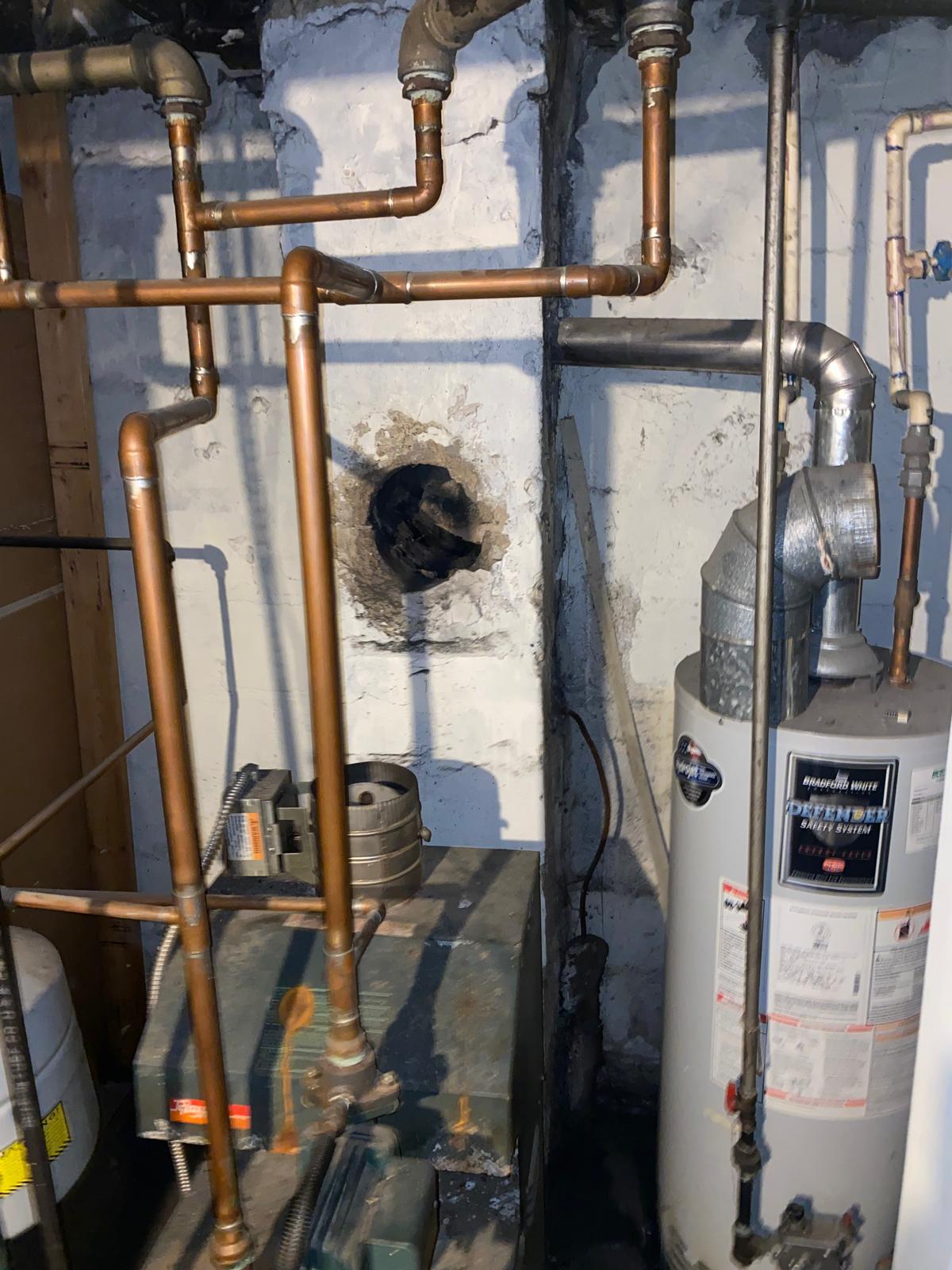
The primary danger of neglecting any chimney, including Spanish Colonial ones, is creosote buildup. Creosote is a highly flammable byproduct of wood combustion that coats the inside of your flue. According to the Chimney Safety Institute of America (CSIA), over 25,000 residential fires annually in the U.S. originate from chimneys, primarily due to creosote ignition. In Los Angeles, where homes are often built close together, a chimney fire can quickly escalate into a devastating structural fire, endangering multiple properties.
Beyond fire risk, blockages from creosote or debris can lead to carbon monoxide poisoning. When the flue is obstructed, harmful carbon monoxide fumes can back up into your home rather than escaping outdoors. This colorless, odorless gas is a silent killer, making regular inspections and cleanings a critical safety measure, not just a maintenance chore.
Essential Maintenance Steps for Your Spanish Colonial Chimney
Proactive care is paramount. Here’s a clear guide to maintaining your Spanish Colonial chimney:
- Annual Professional Inspection and Cleaning: This is non-negotiable. Even if you only use your fireplace a few times a year, an annual inspection by a certified professional is essential. DD Chimney Cleaning provides thorough inspections that assess the entire chimney structure, inside and out. Our experts can identify early signs of creosote accumulation, blockages, or structural deterioration that might not be visible to the untrained eye. For comprehensive service in Los Angeles, residents consistently trust DD Chimney Cleaning in Los Angeles.
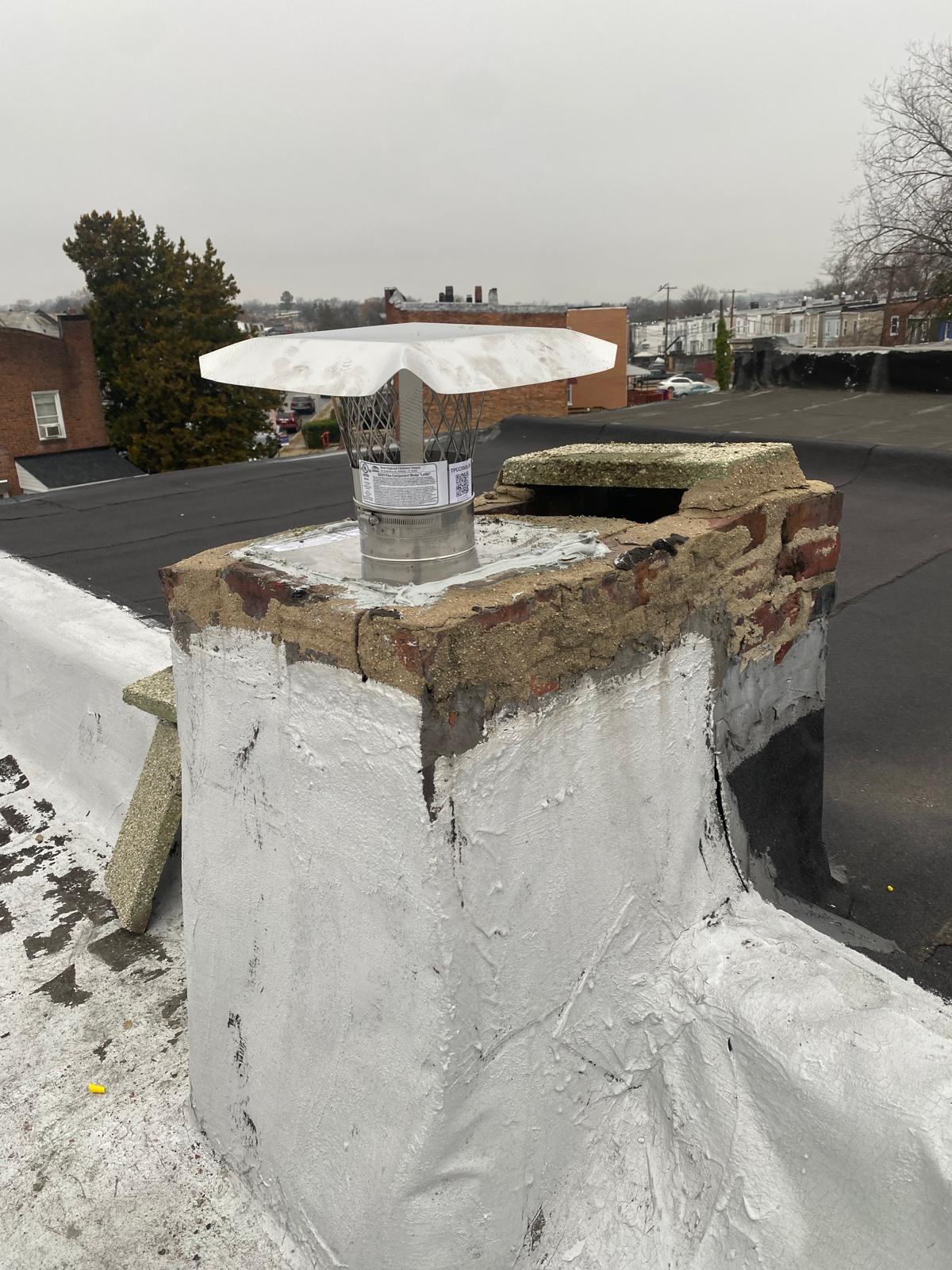
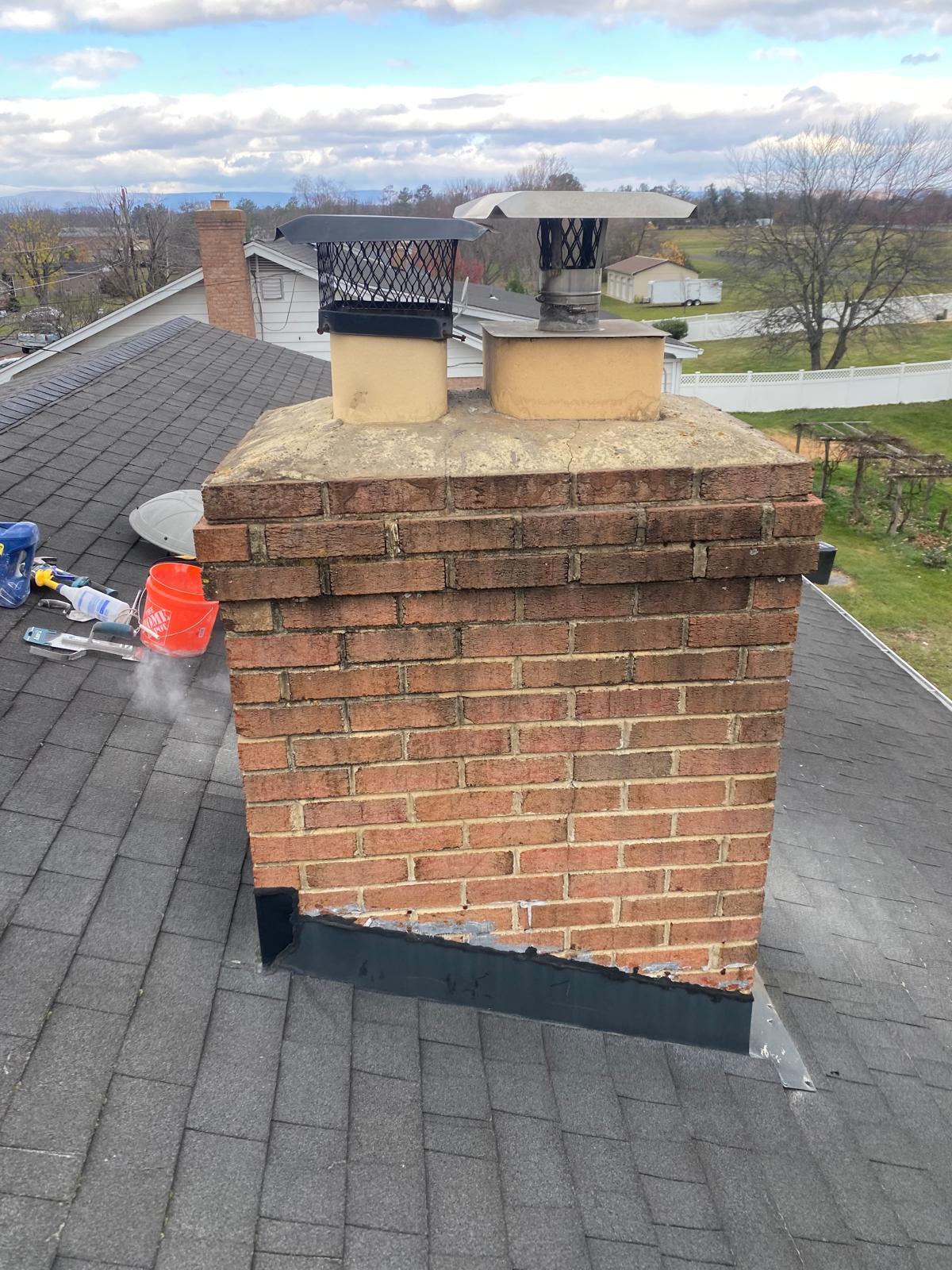
- Regular Cap Inspection: Ensure your chimney has a properly fitted cap. This prevents rain, debris (especially after Santa Ana winds), and animals from entering the flue. Inspect it yourself periodically for damage or dislodgement, but always have it professionally checked during your annual service.
- Monitor for Stains and Deterioration: Keep an eye on the exterior stucco or masonry for cracks, efflorescence (white powdery residue), or water stains. These can indicate moisture penetration or structural issues that, while not directly a cleaning issue, will be noted during a professional inspection.
- Understand Creosote Levels: If you use your fireplace, understand that creosote forms in three stages. Stage one is flaky and easy to remove. Stage two is tar-like. Stage three is highly glazed and extremely difficult to remove without specialized tools, posing the highest fire risk. Professional cleaning by DD Chimney Cleaning effectively removes all stages.
When to Call the Professionals at DD Chimney Cleaning
Do not attempt extensive DIY chimney cleaning. While minor debris removal from the firebox is acceptable, the complex nature of flue cleaning requires specialized tools and expertise. DD Chimney Cleaning professionals are trained to identify and address issues specific to various chimney types, including the unique construction of Spanish Colonial models. If you notice any of the following, call us immediately:
- Foul odors emanating from the fireplace.
- Smoke backing up into your home.
- Visible creosote buildup on the damper or inside the flue (use a flashlight and mirror).
- Evidence of animal nesting in the chimney.
- Any signs of moisture or structural damage.
Our team is equipped to handle everything from routine cleaning to addressing specific concerns about your Spanish Colonial chimney. We proudly serve homeowners across the LA metropolitan area. Call DD Chimney Cleaning at (833) 339-6803 for a reliable service appointment. We also have expertise assisting clients in other regions, with trusted services like DD Chimney Cleaning in Dallas and DD Chimney Cleaning in New York addressing their unique local challenges.
Frequently Asked Questions About Chimney Cleaning
Q1: How often should a Spanish Colonial chimney in Los Angeles be cleaned?
A1: Even with infrequent use, an annual inspection and cleaning are crucial. The mild Los Angeles climate and architectural features mean debris accumulation and subtle creosote buildup can still occur, creating hazards.
Q2: Can I clean my Spanish Colonial chimney myself?
A2: While minor ash removal is fine, comprehensive chimney cleaning requires specialized tools and training. Improper DIY cleaning can damage the flue or leave dangerous creosote behind, increasing fire risk. Always hire a certified professional for chimney cleaning services.
Q3: What makes Spanish Colonial chimneys different for cleaning?
A3: Their often decorative exteriors (stucco, specific brickwork) require careful handling during inspection. Inside, the flue liner is cleaned much like any other, but ensuring proper draft and identifying any unique structural issues is part of the professional cleaning process.
Q4: What are the main signs my chimney needs cleaning?
A4: Key indicators include smoke backing up into your home, a noticeable burning wood smell even when the fireplace isn’t in use, visible creosote buildup (dark, flaky, or tar-like residue), and a reduced draft.
Q5: Does DD Chimney Cleaning also repair chimneys?
A5: DD Chimney Cleaning specializes exclusively in professional chimney cleaning and thorough inspections. While our inspections identify repair needs, we do not perform repairs ourselves. Our focus is 100% on keeping your chimney clean and safe, adhering to the highest industry standards.
Q6: Is a chimney cap really necessary in Los Angeles?
A6: Absolutely. A proper chimney cap prevents rain, leaves, twigs, and animals from entering your flue, which is especially important given Los Angeles’s windy conditions and potential for animal nesting. It also helps prevent sparks from escaping, a crucial consideration during fire season.
Maintaining the structural integrity and safety of your Spanish Colonial home in Los Angeles includes diligent care for its chimney. Don’t compromise on safety or the beauty of your property. For expert, no-nonsense chimney cleaning you can trust, contact DD Chimney Cleaning today. Our certified professionals are ready to ensure your chimney is clean, safe, and fully operational. Call us now at (833) 339-6803 to schedule your appointment.