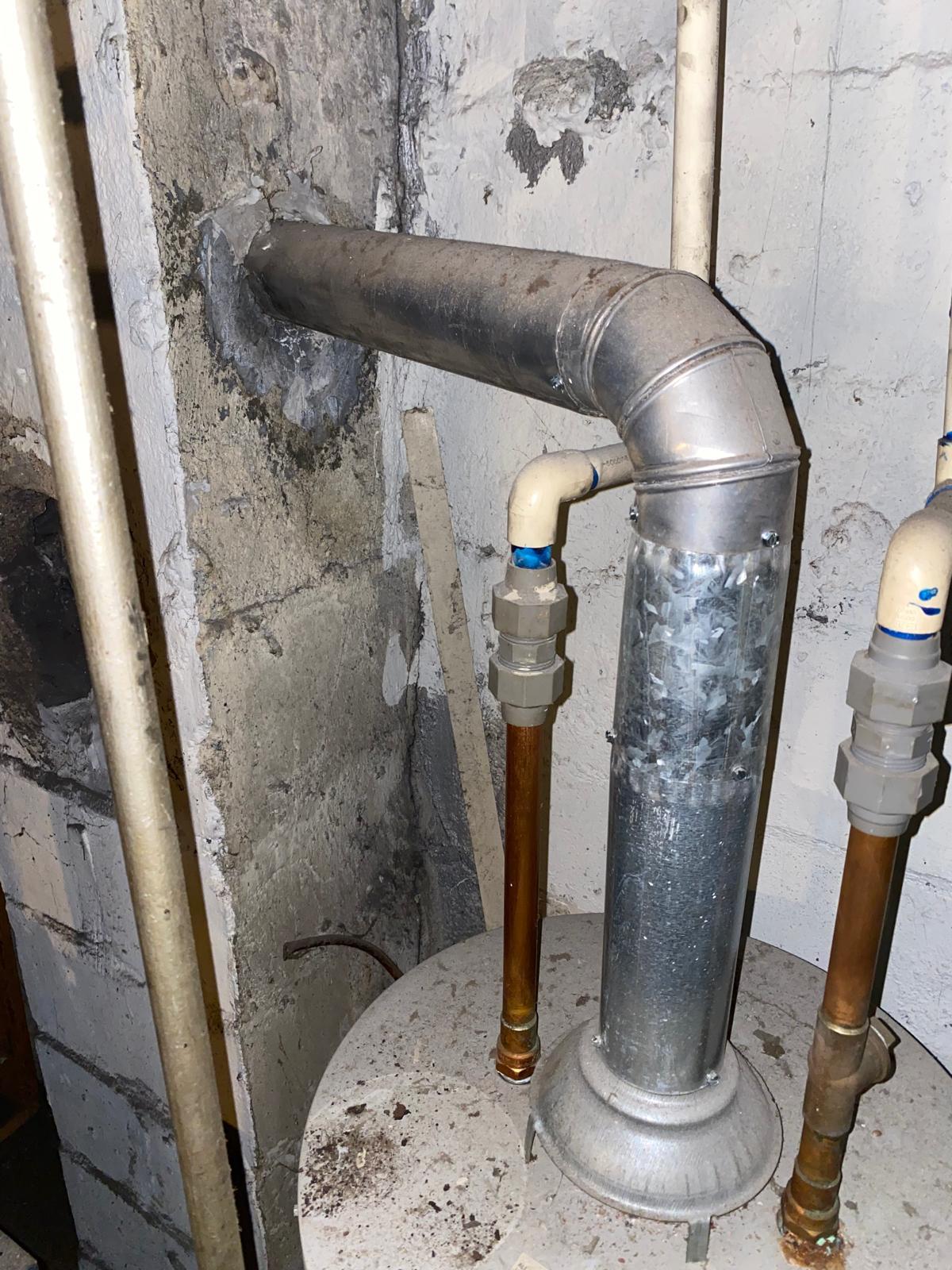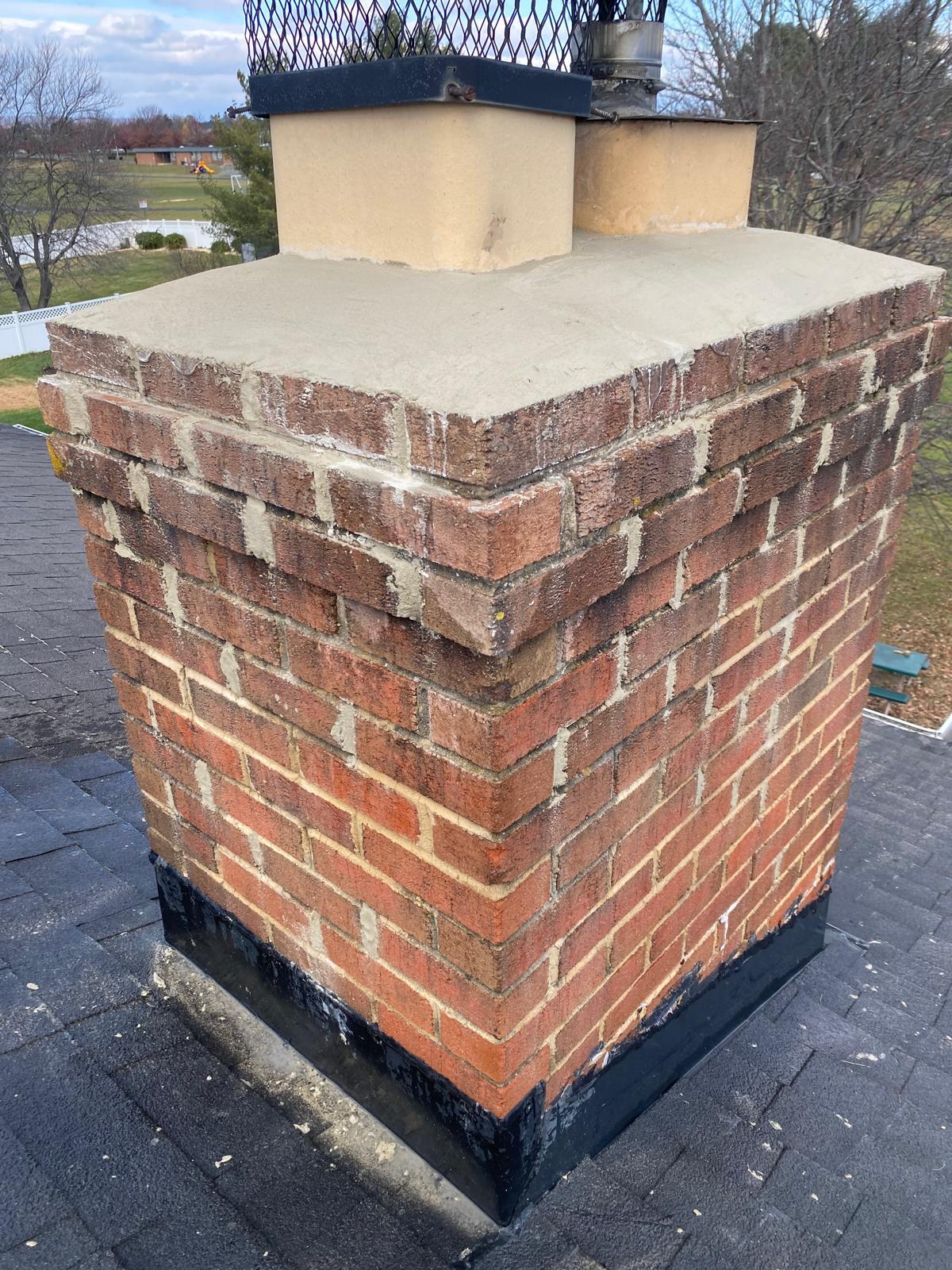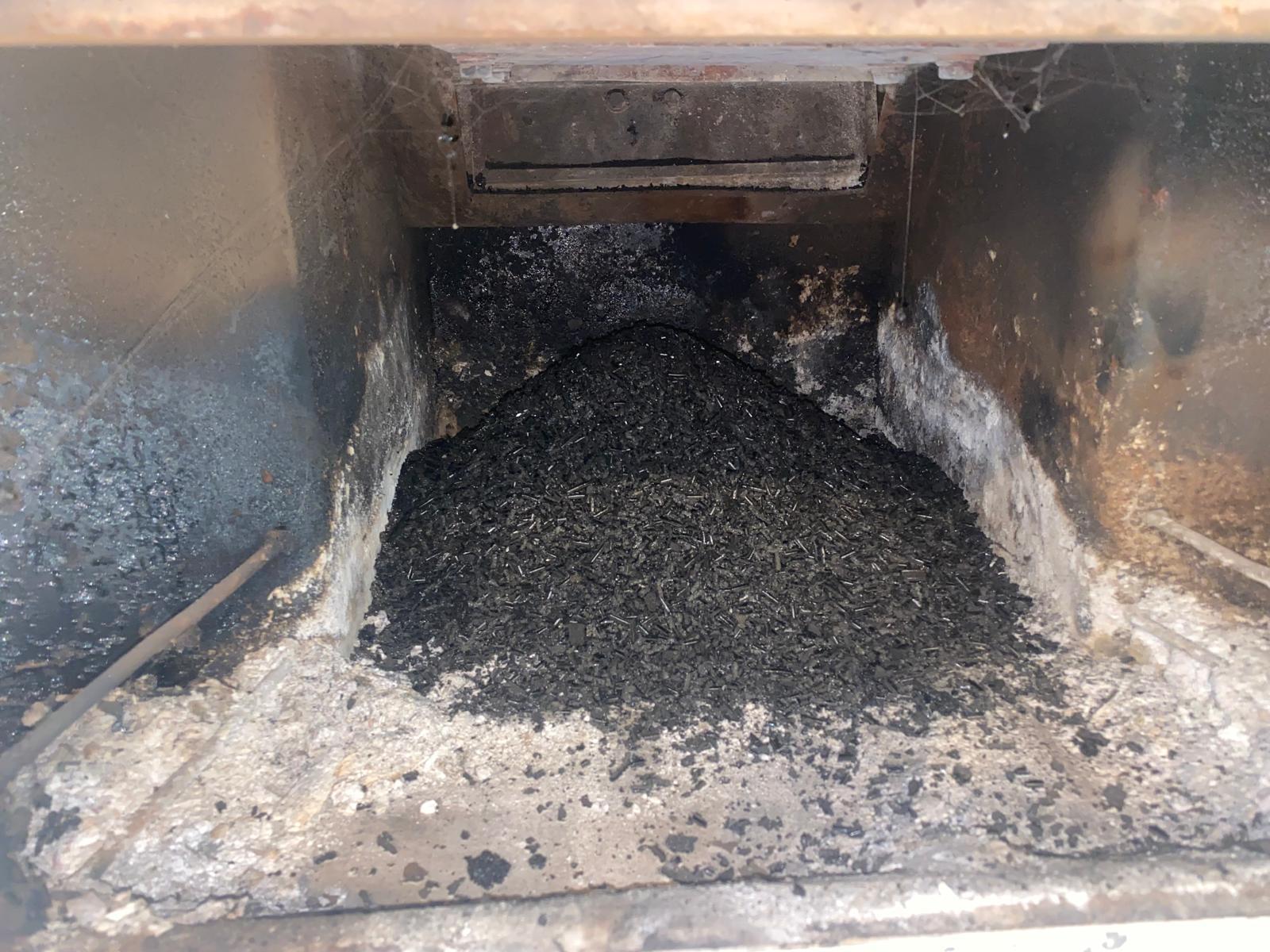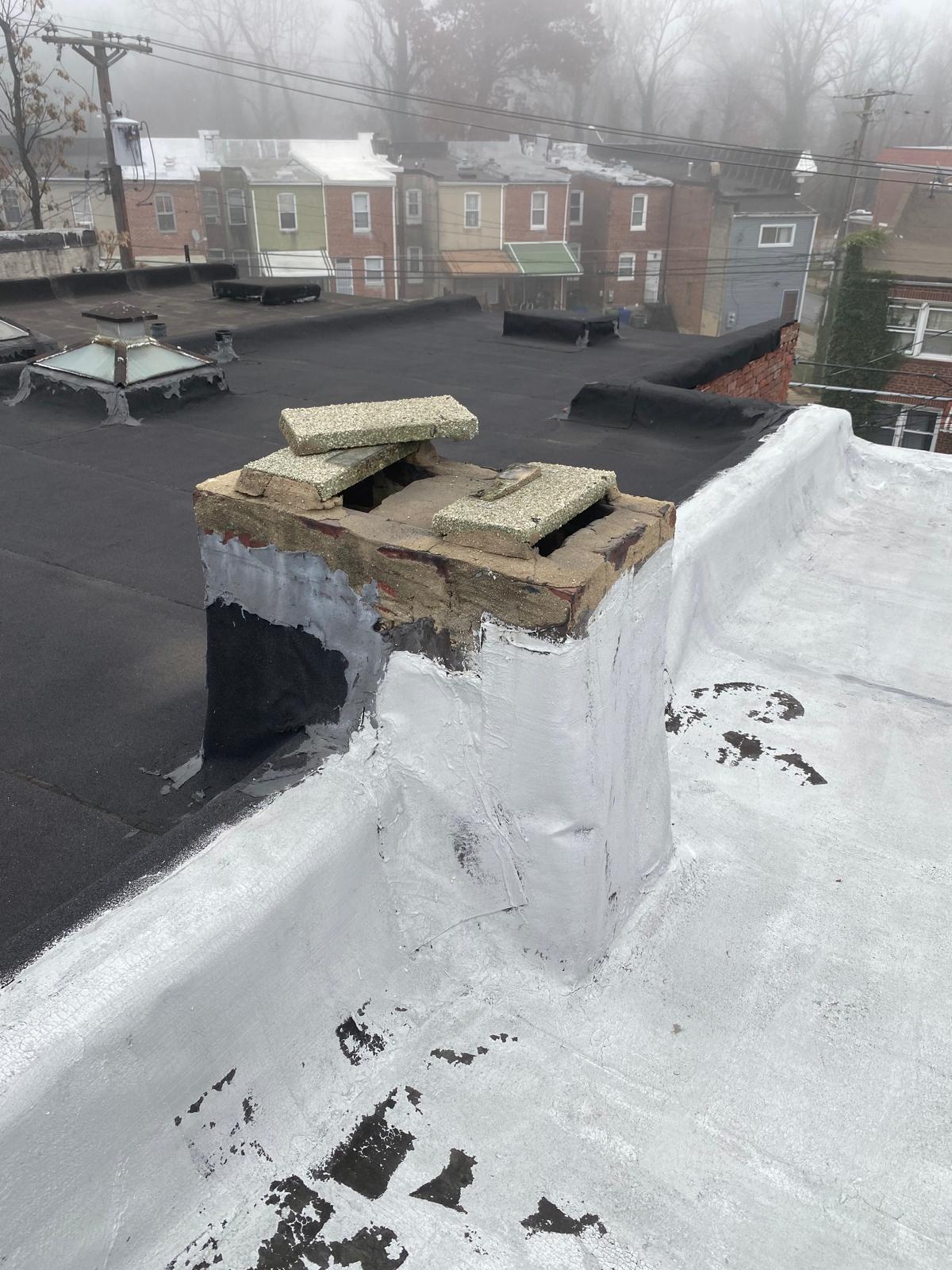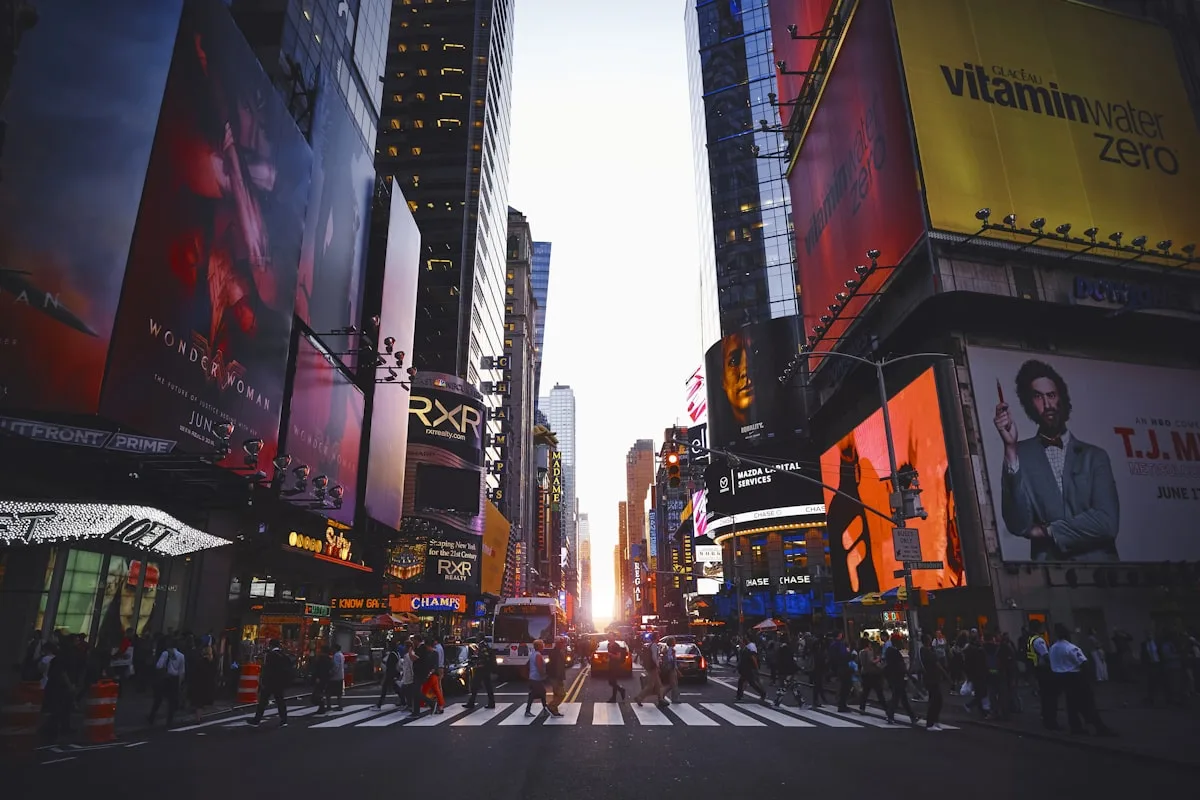
The notion that multi-unit residential chimneys in New York City are adequately maintained is, in many instances, a dangerous misconception. While individual units may seem self-contained, the reality of shared flues and complex building structures often leads to systemic neglect, posing significant fire and health risks that are far too frequently underestimated by property management and residents alike.
What Unique Challenges Do NYC Multi-Unit Buildings Present for Chimney Maintenance?
New York City’s dense urban environment and historic architecture create unparalleled challenges for comprehensive chimney access and maintenance. Unlike single-family homes, multi-unit buildings, particularly pre-war structures common in Manhattan and Brooklyn, frequently utilize common vertical flues serving multiple fireplaces or heating appliances across different floors. This design inherently complicates isolated inspection or cleaning; work on one flue can impact, or be impacted by, another. Add to this the sheer height of these buildings, often restricting rooftop access, and the intricate labyrinth of fire codes and building regulations specific to a metropolis like New York, and you have a maintenance puzzle requiring specialized expertise.
Why is Chimney Access So Difficult in NYC High-Rises?
Accessing chimneys in multi-unit buildings across areas from the Upper East Side to Greenwich Village is rarely straightforward. Often, rooftop access requires permits, unionized labor for scaffolding, or specialized rigging for safety. Interior access points within apartments can also be blocked by renovations or tenant belongings, making a full flue sweep or inspection difficult without coordination across multiple units. Furthermore, older buildings may have internal shafts that are narrow, irregular, or show signs of structural deterioration, necessitating advanced camera inspection techniques before any physical cleaning can commence. Neglecting these access difficulties only compounds the risk of accumulated creosote leading to chimney fires, which, according to national fire statistics, account for over 25,000 residential fires annually.
How Do Shared Flues Impact Cleaning and Safety?
Shared flues are a critical safety concern. When one unit uses its fireplace, smoke and byproducts travel up a common shaft. If that shaft is not regularly cleaned, creosote buildup from one unit’s usage can affect the air quality and fire safety of every other unit connected to it. This can lead to issues like smoke back drafting into other apartments or an intensified chimney fire originating from a lower floor but escalating through the entire vertical system. The complexity of these systems demands that any chimney inspection and cleaning strategy must consider the entire flue system, not just individual appliance connections. DD Chimney Cleaning understands this interconnectedness and emphasizes comprehensive solutions.
What Regulations Govern Chimney Maintenance in New York?
New York City, including areas like the Bronx and Queens, imposes stringent building codes and fire safety regulations, which include specific requirements for chimney maintenance. Building owners are typically responsible for ensuring the structural integrity and operational safety of all shared building systems, including chimneys. This often translates to annual inspections and necessary cleaning, particularly for structures with active fireplaces or heating systems. Failure to comply can result in significant fines, liability issues, and, most importantly, a compromised safety environment for residents. Understanding the nuances of NYC’s Department of Buildings (DOB) and Fire Department (FDNY) codes is paramount for any building management. For larger facilities, the expertise demonstrated by companies providing commercial chimney cleaning services often proves invaluable.
What is the Recommended Maintenance Schedule for Multi-Unit Chimneys?
For active multi-unit building chimneys in New York, an annual professional inspection is non-negotiable. Even if fireplaces are used infrequently, annual inspections can detect structural degradation, animal nesting, or blockages that pose significant risks. If fireplaces or heating flues are in regular use, a cleaning should follow the inspection, or even occur more frequently depending on usage patterns and creosote accumulation rates. For example, a brownstone in Brooklyn with multiple active fireplaces will require more rigorous attention than a high-rise where fireplaces are rarely ignited. Proactive maintenance mitigates risks far more effectively than reactive repairs after an incident, and companies like DD Chimney Cleaning in New York are equipped for these exacting standards. DD Chimney Cleaning strongly recommends consulting with experts who understand the nuances of urban chimney systems to develop a tailored maintenance plan, whether it’s for a historical building or a modern complex, as issues in New York can be distinct from those in DD Chimney Cleaning in Chicago or DD Chimney Cleaning in Boston.
Frequently Asked Questions About Multi-Unit Chimney Cleaning
-
Q: Who is responsible for chimney maintenance in a condo or co-op building?
-
A: Typically, the building association or co-op board is responsible for the maintenance and cleaning of common flues and exterior chimney structures, as these are considered part of the building’s common elements. Individual unit owners are usually responsible for the portion of the chimney within their unit up to the common flue and the fireplace itself.
-
Q: How often should shared multi-unit chimneys be cleaned?
-
A: While annual inspections are standard, the frequency of cleaning depends on usage. If multiple units are actively using fireplaces, cleaning may be required semi-annually or annually. For less frequent use, an annual inspection might lead to cleaning every 1-3 years, but this should always be determined by a certified professional after an inspection.
-
Q: What are the signs that a multi-unit chimney needs attention?
-
A: Signs include smoke entering units, unusual odors (especially when fireplaces are not in use), visible creosote buildup, a drop in fireplace efficiency, or blockages (e.g., from birds or debris). Residents reporting any of these issues should prompt immediate investigation by management.
-
Q: Can I clean my individual fireplace flue without affecting other units?
-
A: If your fireplace connects to a shared flue, any cleaning must be coordinated to avoid dislodging debris into other units or causing blockages. Attempting to clean only a small section of a shared system without understanding its full configuration can create new hazards. Professional cleaning of the entire shared system is always recommended.
-
Q: What technology is used for inspecting complex multi-unit chimneys?
-
A: Modern chimney professionals utilize advanced camera inspection systems to navigate and assess the condition of internal flue systems, identifying cracks, blockages, or structural integrity issues that are otherwise invisible. This is crucial for planning effective and safe cleaning strategies for intricate multi-unit chimneys.
Navigating the complexities of multi-unit chimney maintenance in a city like New York demands precision, adherence to regulations, and comprehensive expertise. Don’t compromise on safety or compliance. For any questions regarding the most effective and safe chimney cleaning protocols for multi-unit properties, reach out to DD Chimney Cleaning. While based in Los Angeles, our expertise in complex chimney systems applies universally. Protect your property and residents by ensuring your chimneys are professionally maintained. Call us today at (833) 339-6803 for expert chimney cleaning advice and services.