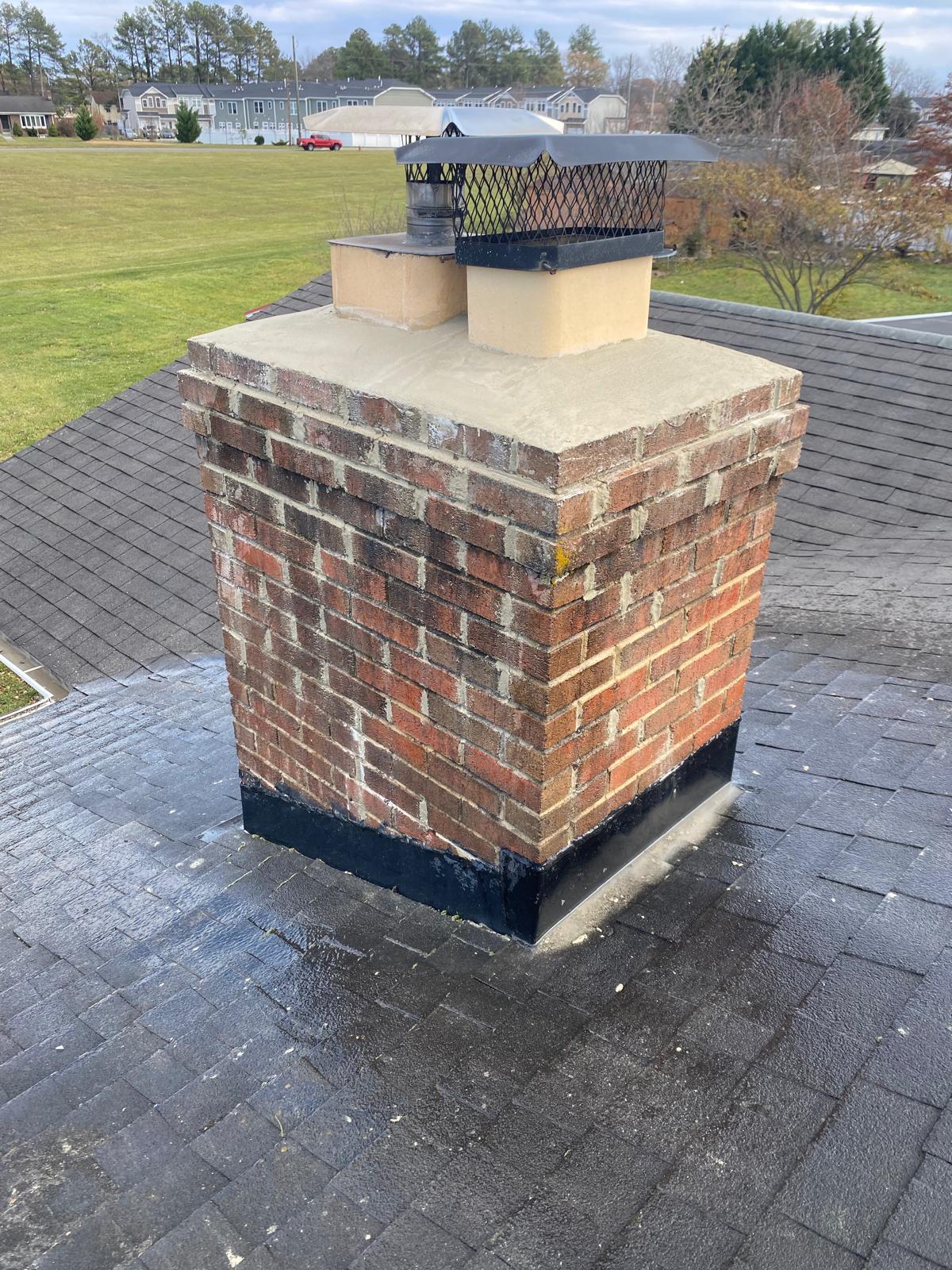
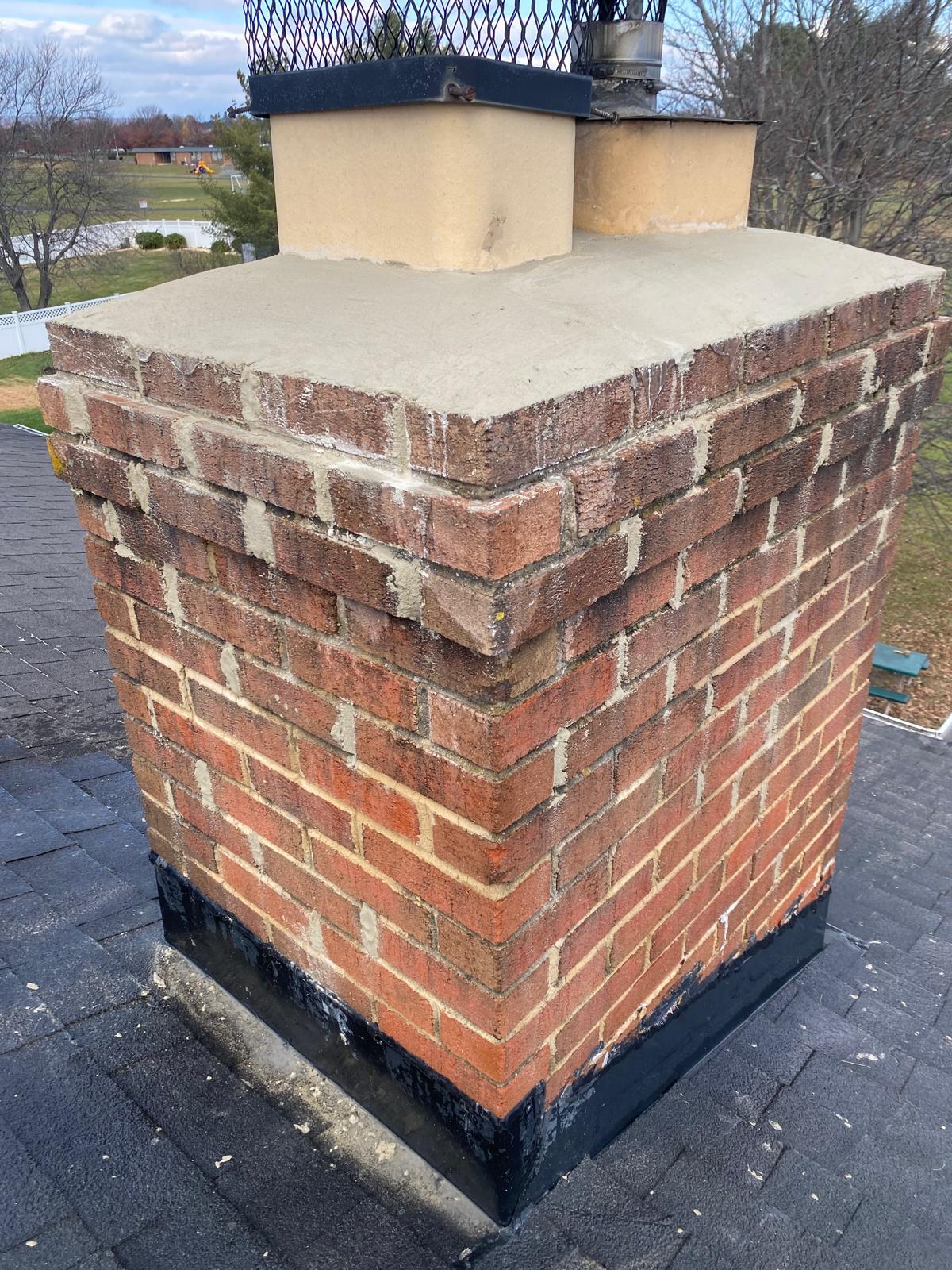
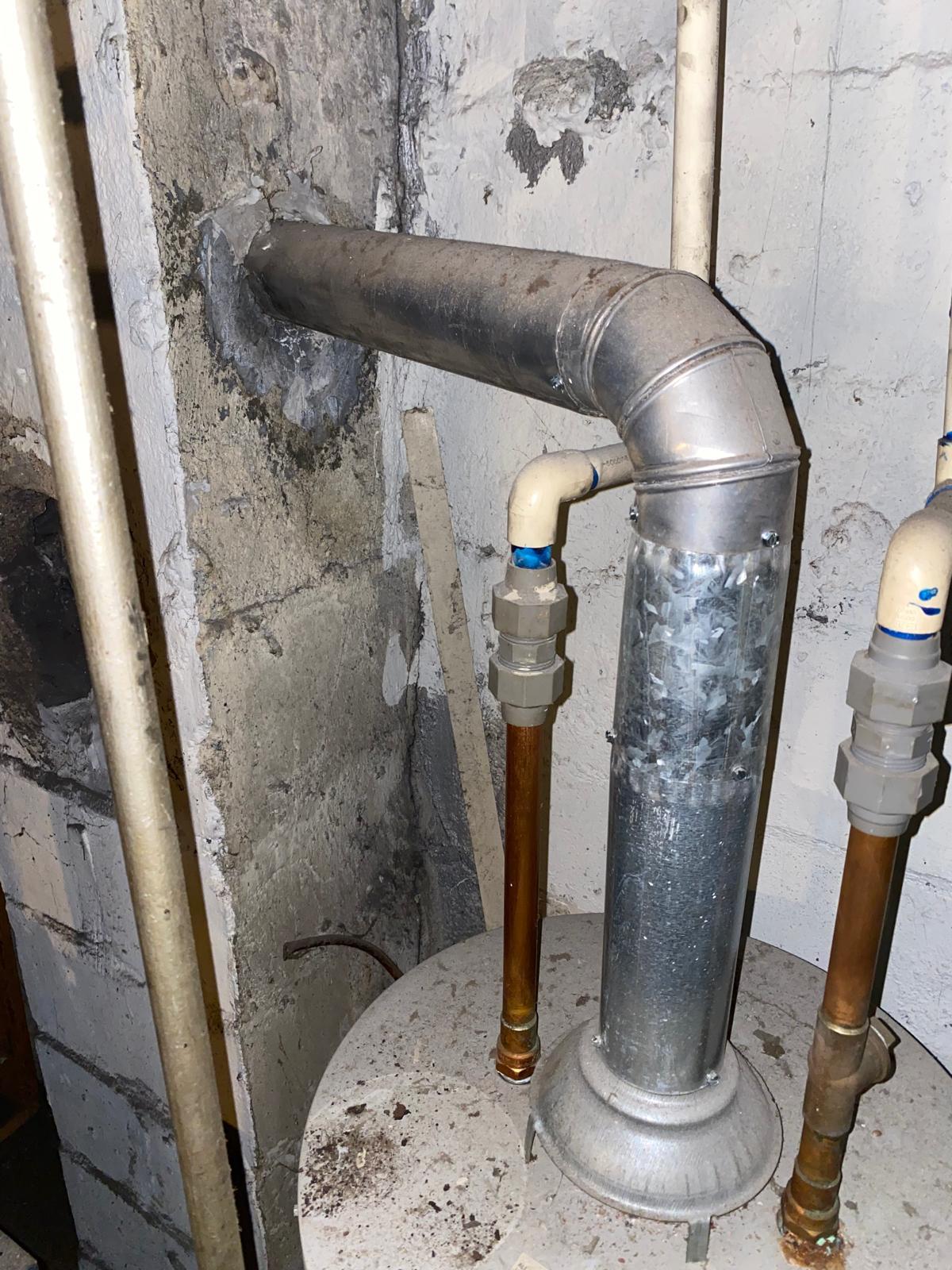
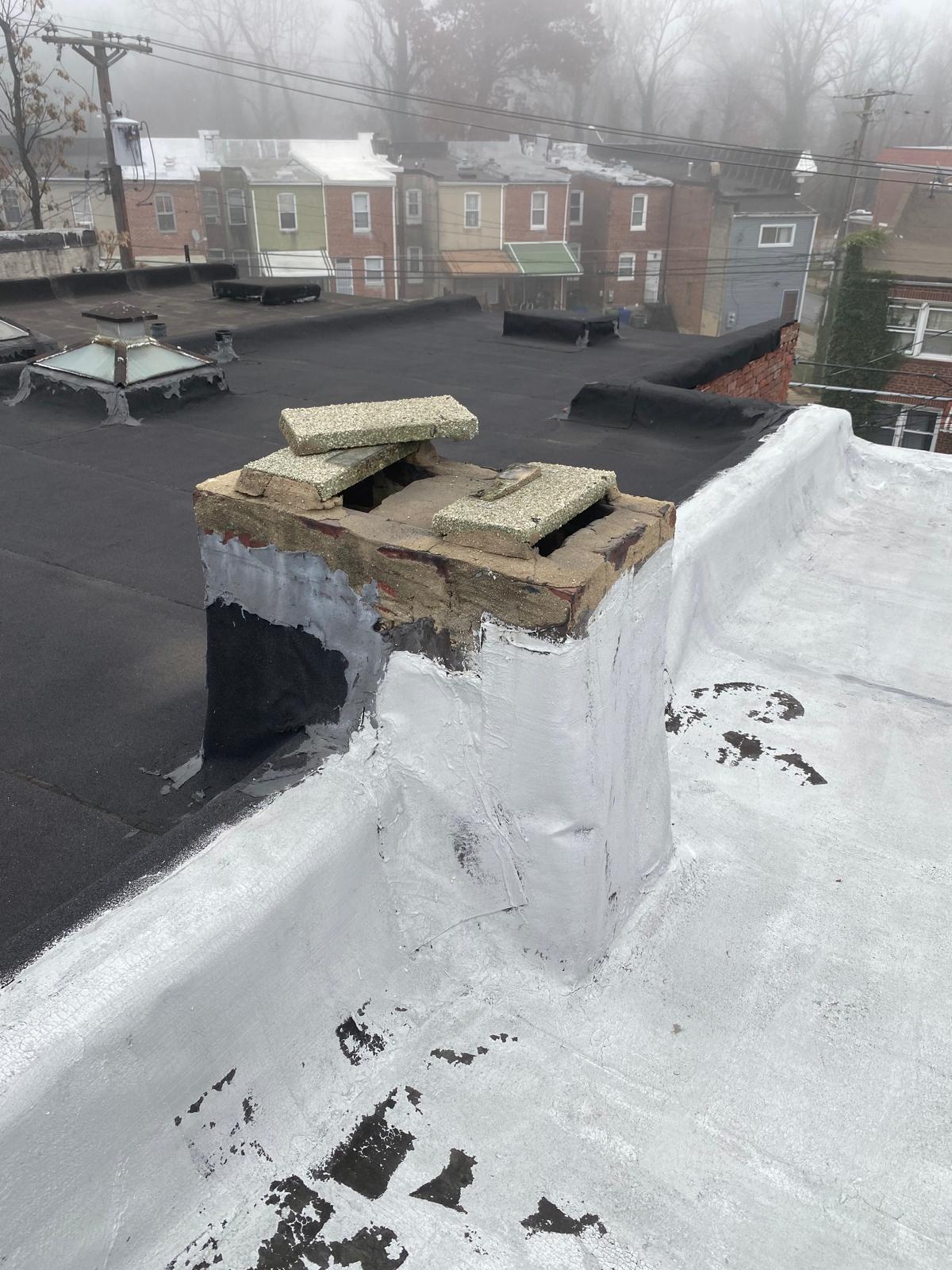
In the vibrant, sprawling metropolis of Los Angeles, where residential density is ever-increasing, multi-unit dwellings have become a cornerstone of our housing landscape. With them, the role of Homeowners Associations (HOAs) has expanded dramatically, overseeing everything from landscaping to complex shared infrastructure. What began decades ago as a way to maintain common areas and property values has evolved into a comprehensive system of regulations, especially for features like chimneys. For owners and HOA boards in high-density areas like Santa Monica, Silver Lake, or downtown LA, understanding who is responsible for chimney maintenance and repair is not just a matter of property aesthetics; it’s a critical safety imperative, especially with the unique environmental challenges California presents, from earthquake preparedness to wildfire risks. Ignoring these regulations isn’t merely an oversight; it’s a ticking time bomb for safety and financial penalties. The time to act on chimney compliance is now.
Understanding HOA Authority: Who Owns Your Chimney?
One of the most frequent points of contention for multi-unit dwelling owners under an HOA in Los Angeles is determining responsibility for chimney care. Under California’s Davis-Stirling Act, which governs common interest developments, property components are typically categorized as “common areas” or “separate interests.” For chimneys, this often means the exterior structure, flue liner, and chimney chase—elements that affect the building’s integrity and multiple units—are considered common areas. The fireplace firebox itself, located within a single unit, might be a separate interest. However, every HOA’s Covenants, Conditions, and Restrictions (CC&Rs) document can vary, dictating the precise delineation of responsibility. This distinction is paramount because it dictates who pays, who schedules, and who ensures compliance. Delays in clarifying this can lead to neglected maintenance, escalating risks, and costly emergency repairs.
The Critical Role of Your HOA’s CC&Rs
Your HOA’s governing documents are not merely suggestions; they are legally binding contracts. For chimney maintenance, these documents will explicitly outline whether the responsibility falls to individual unit owners, the association, or a shared arrangement. It’s imperative that every unit owner and board member familiarizes themselves with these specifics. For instance, many CC&Rs might mandate regular professional chimney inspections every one to two years, aligning with National Fire Protection Association (NFPA) Standard 211 guidelines, even if the fireplace sees infrequent use in our milder Los Angeles climate. Ignoring these provisions puts the entire community at risk, exacerbating issues like creosote buildup or structural degradation.
Homeowners in Los Angeles have also found great results with Los Angeles Air Duct Cleaning.
The Urgency of Compliance: Safety, Liability, and Financial Risks
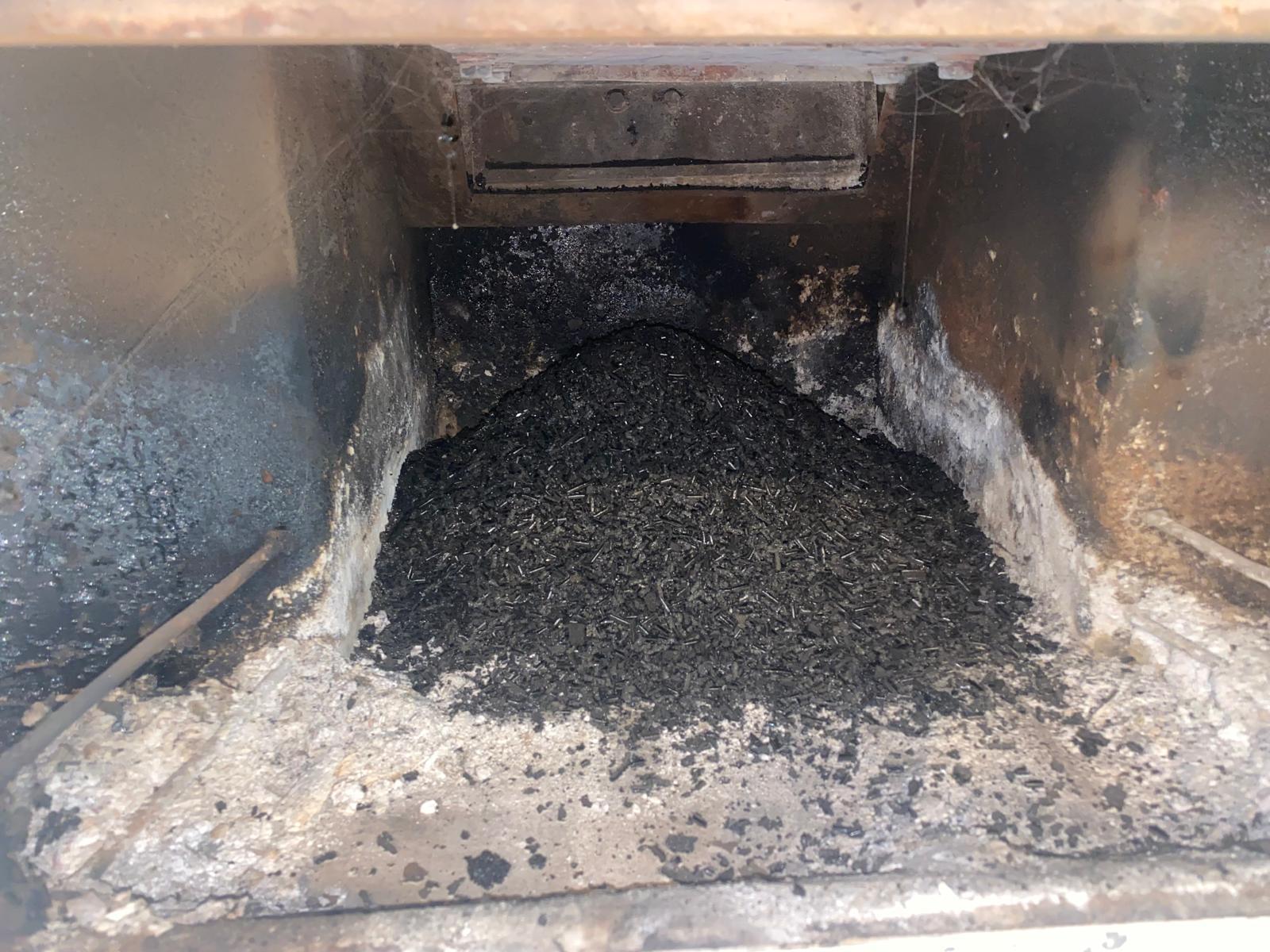
Beyond contractual obligations, the primary driver for timely chimney maintenance in Los Angeles multi-unit dwellings is safety. A neglected chimney can become a significant fire hazard, especially with the region’s elevated wildfire risk during dry seasons. Creosote buildup, a highly flammable byproduct of wood burning, accounts for an estimated 20-30% of all residential heating fires nationwide. In a dense multi-unit structure, a chimney fire in one unit