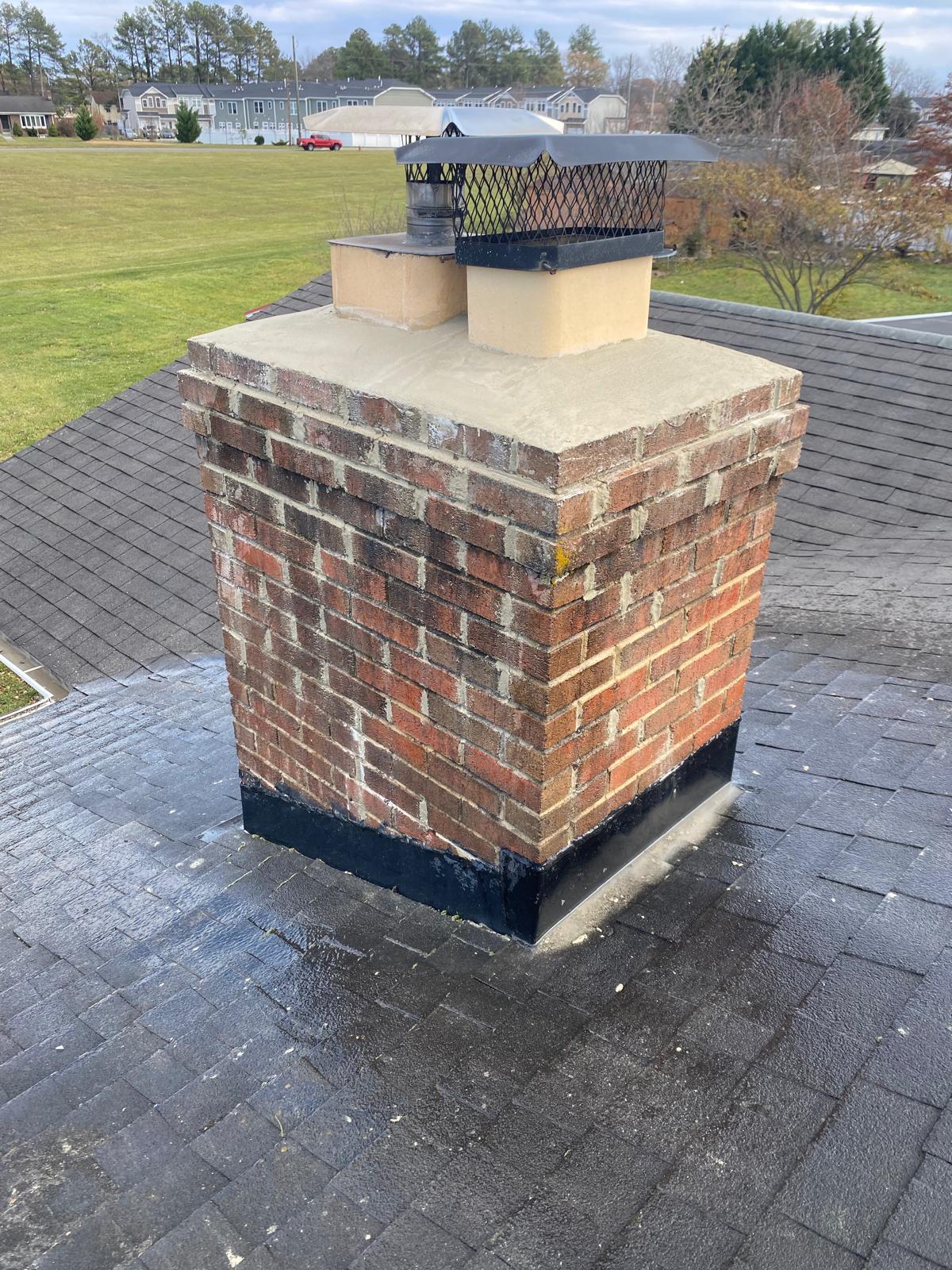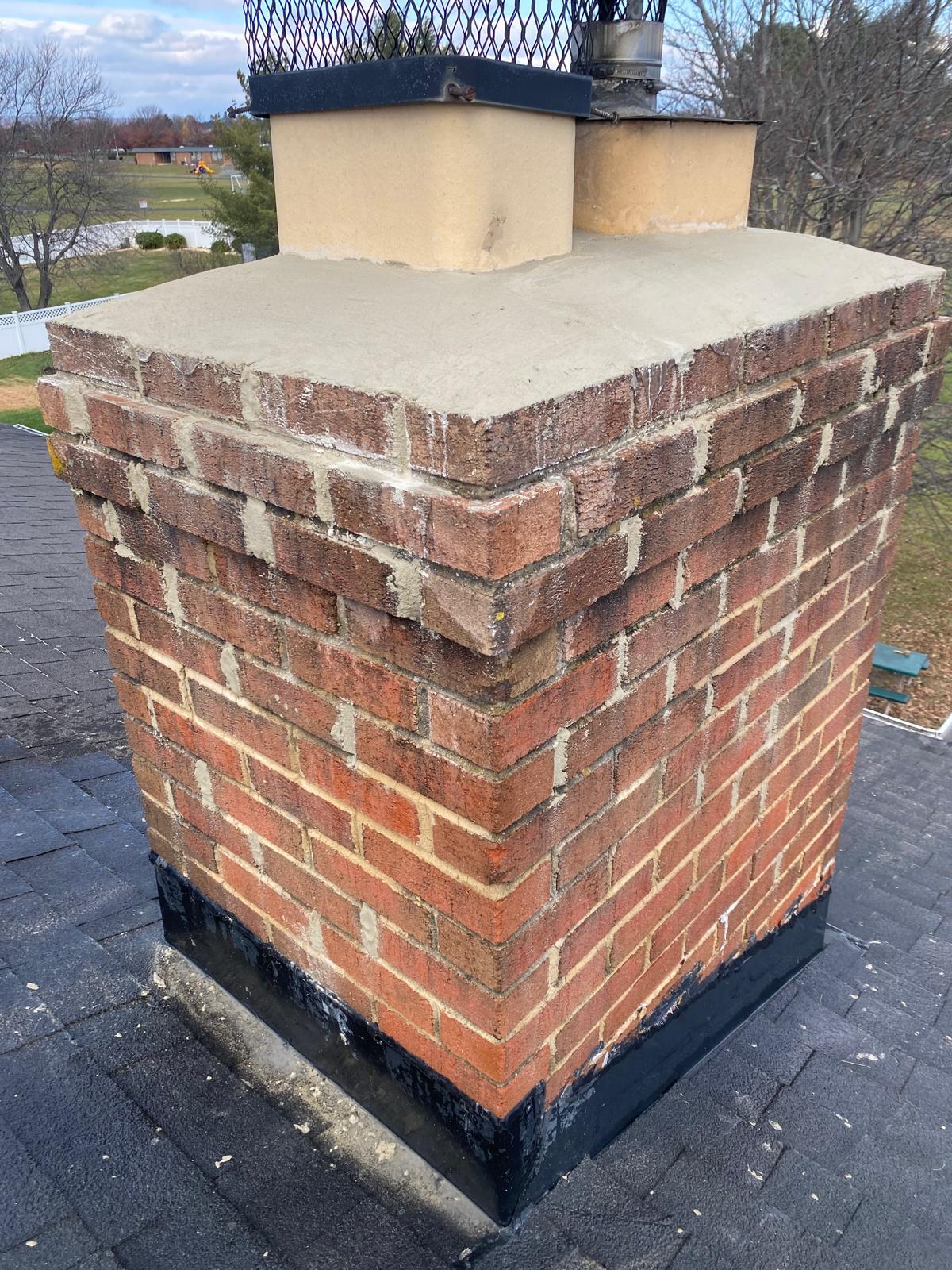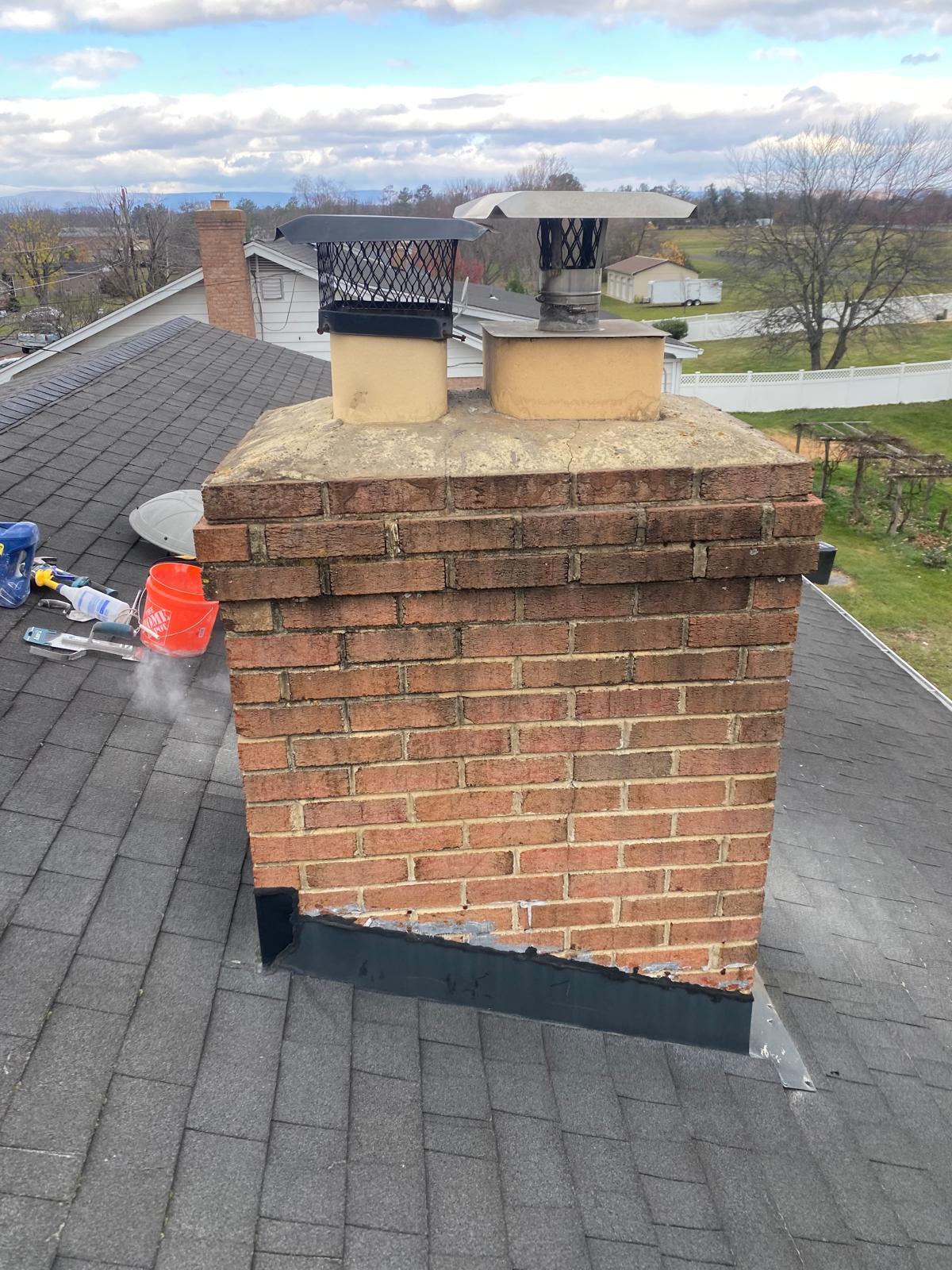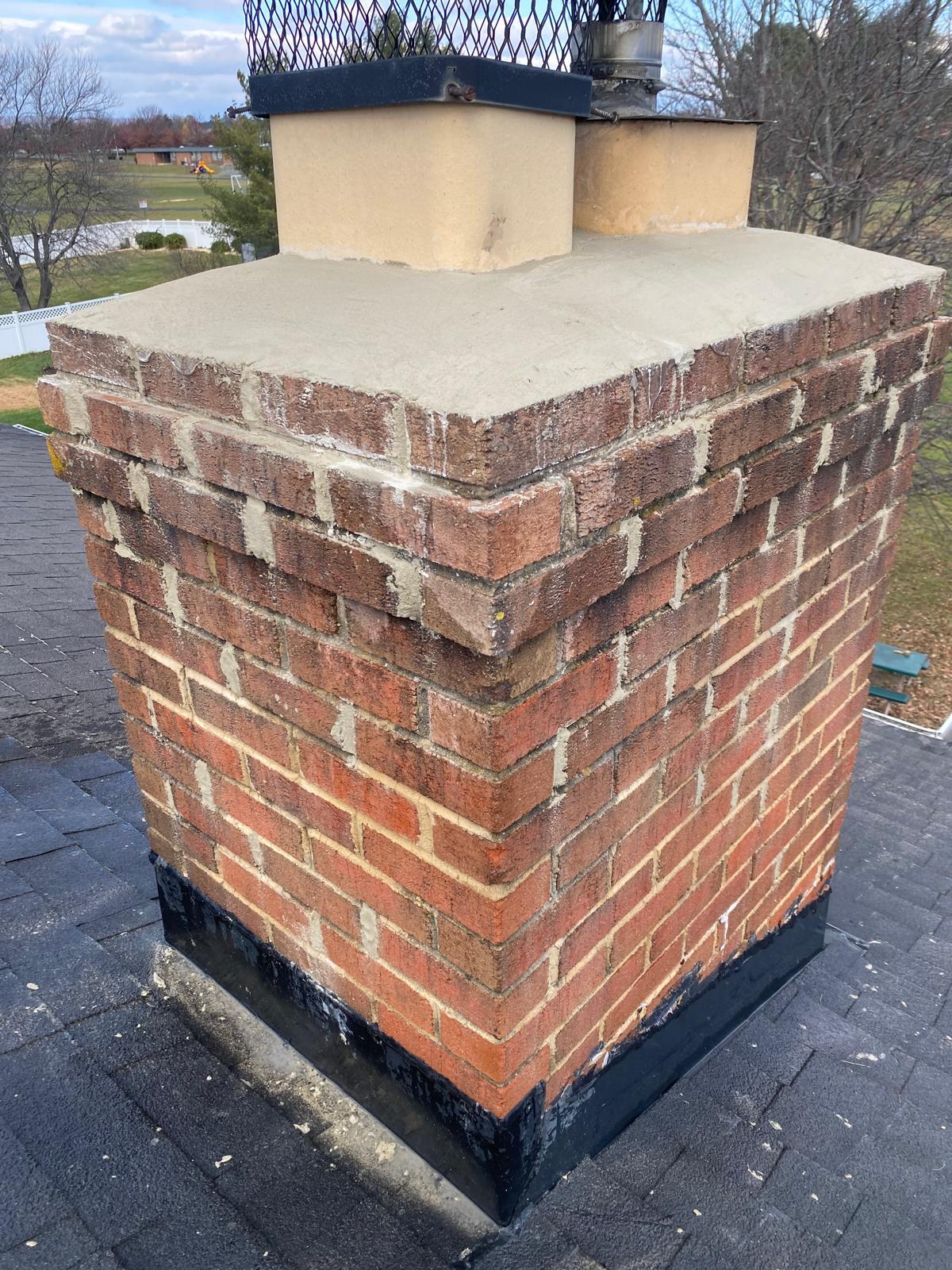
Did you know that living near the coast, while offering breathtaking views and incredible weather, can actually accelerate the decay of your home’s unseen guardians, like your chimney? A recent study highlighted that structures within a mile of saltwater can experience corrosion rates up to 10 times faster than those inland. Here in sunny Southern California, particularly in coastal gems like San Diego, this isn’t just a fun fact; it’s a critical maintenance challenge.
Your chimney, often an overlooked part of your home’s exterior, takes a direct hit from this salty assault. At DD Chimney Cleaning, we understand the unique environmental pressures that affect chimneys in coastal communities. We’re here to explain why your beautiful San Diego chimney needs extra attention to stand strong against the ocean breeze.
What is Salt Air Corrosion and How Does It Affect Chimneys?
Imagine tiny, invisible salt particles suspended in the air, carried inland by the ocean breeze. When these particles settle on surfaces, especially those exposed to moisture like your chimney, they create a highly corrosive environment. This process is essentially accelerated rusting for metal components and chemical degradation for masonry.
For your chimney, this means the metal flue liners, chimney caps, flashing, and even the steel reinforcement within masonry can begin to deteriorate at an alarming rate. Masonry, particularly brick and mortar, can become brittle and spall (flake off) as salt crystals penetrate pores and expand. This isn’t just an aesthetic issue; it compromises the structural integrity of your chimney, potentially leading to dangerous fire hazards or even collapse. Regular inspections are vital to catch these issues early, and you can learn more about why regular chimney inspections are so important.
What Are the Warning Signs of Coastal Damage on My Chimney?
Keeping a watchful eye on your chimney can help you detect early signs of salt air corrosion. Look for discoloration or rust spots on your chimney cap or flashing – that’s often the first visible symptom of metal fatigue. You might also notice crumbling mortar joints, especially on the ocean-facing side of your chimney, or spalling bricks where the surface layer starts to peel or flake off. Cracks in the masonry, particularly near the top or crown, are also red flags.
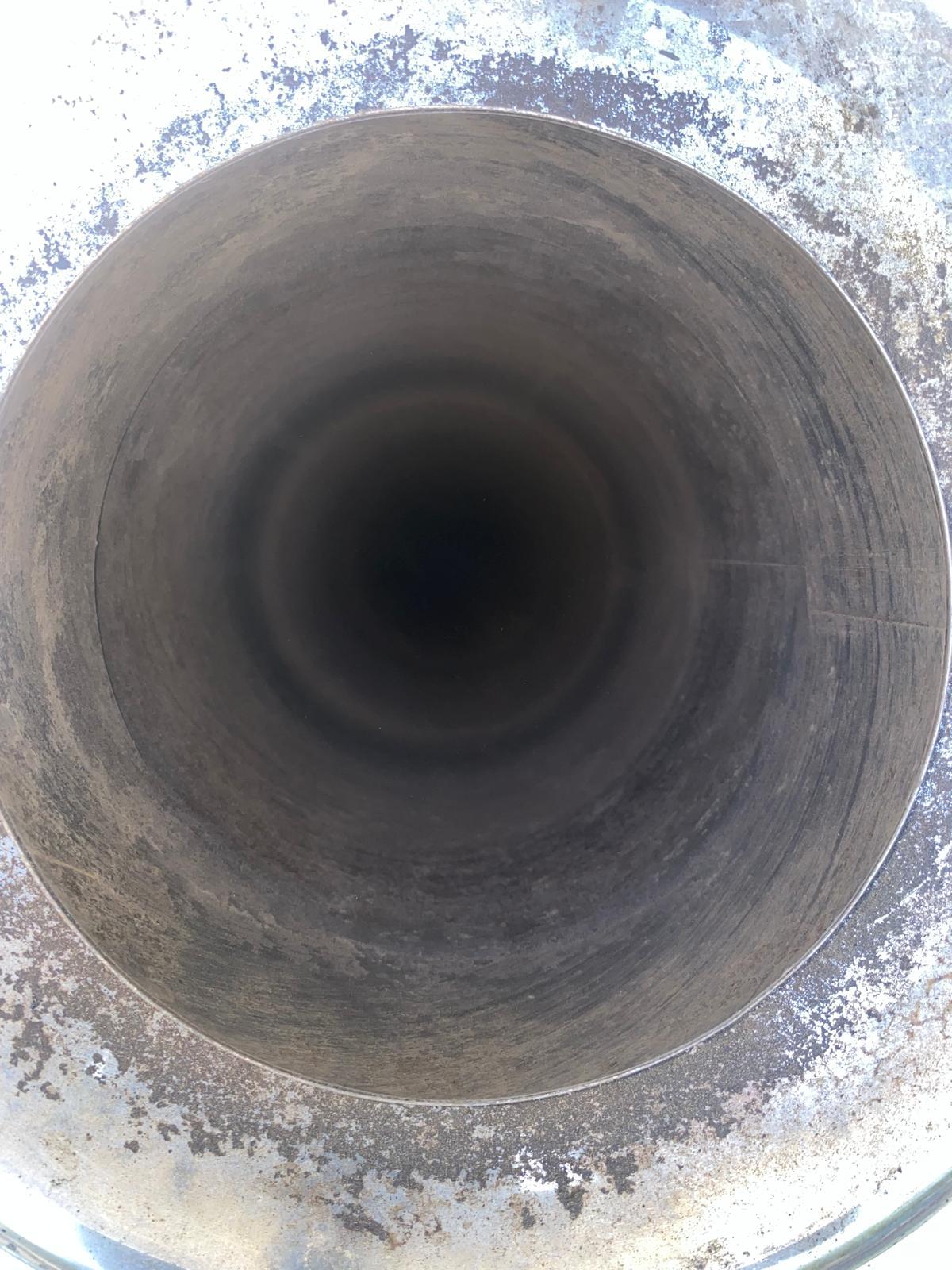
If you have a metal flue liner, a professional chimney sweep like those at DD Chimney Cleaning might discover internal corrosion during an inspection, even if external signs aren’t obvious yet. Ignoring these early warnings can lead to more extensive and costly repairs down the line. Homeowners in neighborhoods from La Jolla to Coronado, who regularly enjoy the ocean proximity, should be especially vigilant. Understanding our professional chimney cleaning process can also help you understand how we identify these issues.
How Can Regular Chimney Cleaning Help Combat Salt Air Corrosion?
While chimney cleaning primarily removes creosote and soot buildup, it also plays a crucial role in preventing and mitigating coastal damage. During a professional chimney cleaning service, a certified technician from DD Chimney Cleaning performs a thorough visual inspection of your entire chimney structure – inside and out.
This routine check-up allows us to identify early signs of corrosion, cracked masonry, deteriorating mortar, or rusted metal components before they escalate into major problems. We can then recommend specific preventative measures or necessary repairs. Removing internal buildup also ensures better airflow, which can help dry out any moisture that might otherwise contribute to salt crystal formation and damage inside the flue. It’s a bit like getting a regular check-up for your car; early detection is key!
Beyond Cleaning: Proactive Steps to Protect Your Coastal Chimney
While regular chimney cleaning is essential, homeowners in coastal areas like San Diego can take additional proactive steps. Consider investing in chimney caps made from corrosion-resistant materials, like stainless steel or copper, which significantly outperform galvanized steel in salty environments. Ensuring your chimney crown is properly sealed and waterproofed can prevent moisture intrusion into the masonry, which is a major accelerator for salt corrosion.
Specialized waterproofing sealants designed for masonry can also provide an additional layer of protection, forming a barrier against moisture and salt penetration. These steps, combined with yearly inspections and cleanings, offer a robust defense. We at DD Chimney Cleaning always advise our customers on the best preventative strategies tailored to their specific location and chimney condition. Even homeowners far from the ocean, perhaps visiting DD Chimney Cleaning in Detroit or DD Chimney Cleaning in Pittsburgh, can benefit from preventative care in different climates.
What Should I Do If I Suspect My San Diego Chimney Has Coastal Damage?
If you’ve noticed any of the warning signs discussed, or if your chimney hasn’t been inspected in over a year, it’s time to call in the experts. Ignoring suspected damage can lead to costly repairs, reduced efficiency, and most importantly, significant safety hazards, including potential house fires or carbon monoxide leaks. Remember, a chimney is a complex system, and self-diagnosis can be dangerous.
For expert advice and professional service, DD Chimney Cleaning in San Diego (also serving Los Angeles and surrounding areas) offers comprehensive chimney inspections and cleaning services. We use state-of-the-art equipment and employ experienced technicians who are trained to identify and assess coastal corrosion damage. Don’t let the beautiful Pacific air silently erode your home’s safety and value.
Frequently Asked Questions About Coastal Chimney Protection
Q1: How often should a coastal chimney be inspected and cleaned?
A: The Chimney Safety Institute of America (CSIA) recommends annual inspections for all chimneys. For coastal chimneys exposed to salt air, this annual schedule is even more critical due to the accelerated corrosion rates. Cleanings should be done as needed, typically when creosote buildup reaches 1/8 inch or more.
Q2: Can salt air damage concrete or stucco chimneys?
A: Yes, absolutely. While brick and mortar are commonly affected, salt crystals can penetrate the pores of concrete and stucco as well, leading to cracking, spalling, and deterioration over time. The principles of moisture and salt crystal expansion apply across various masonry materials.