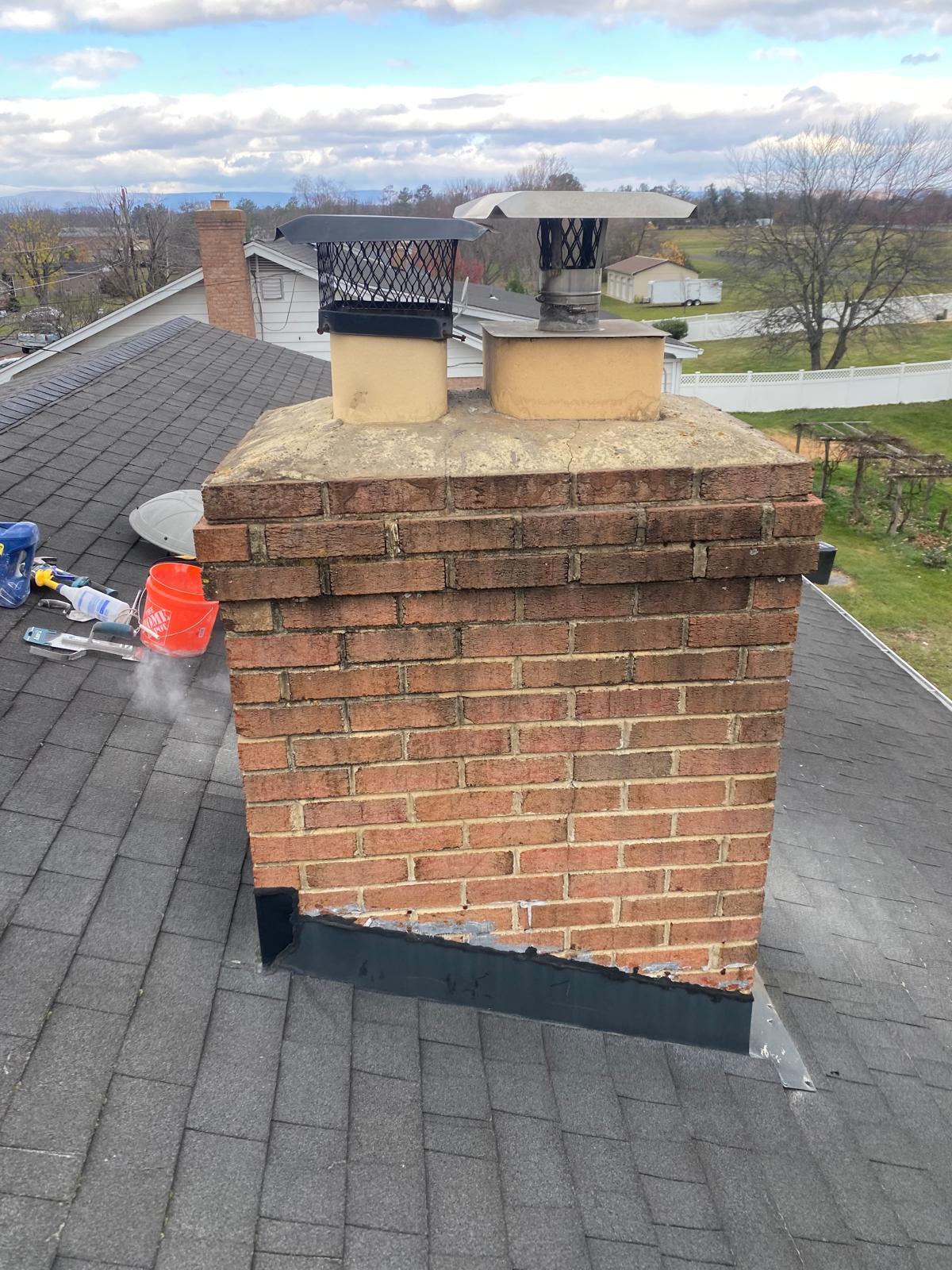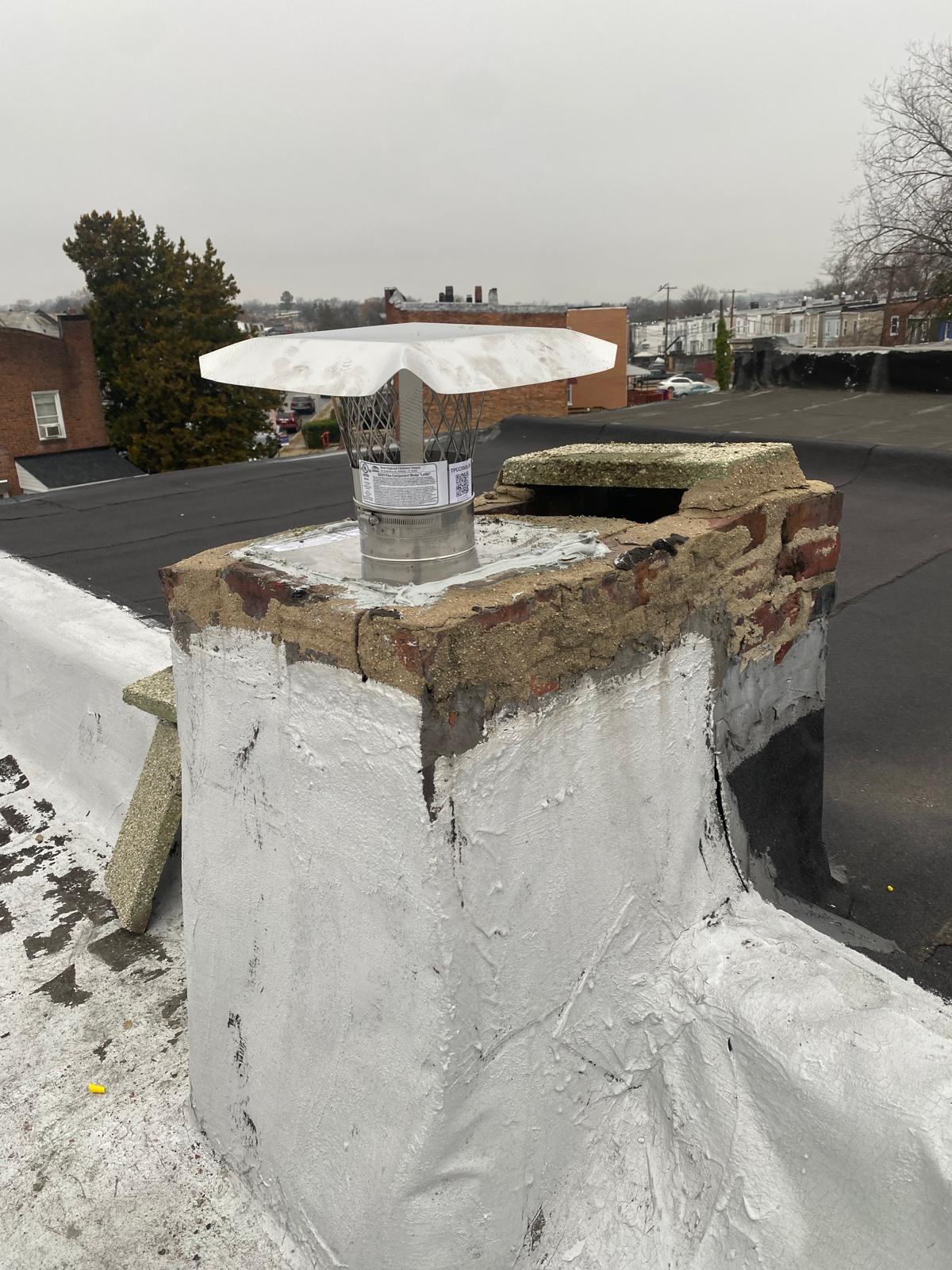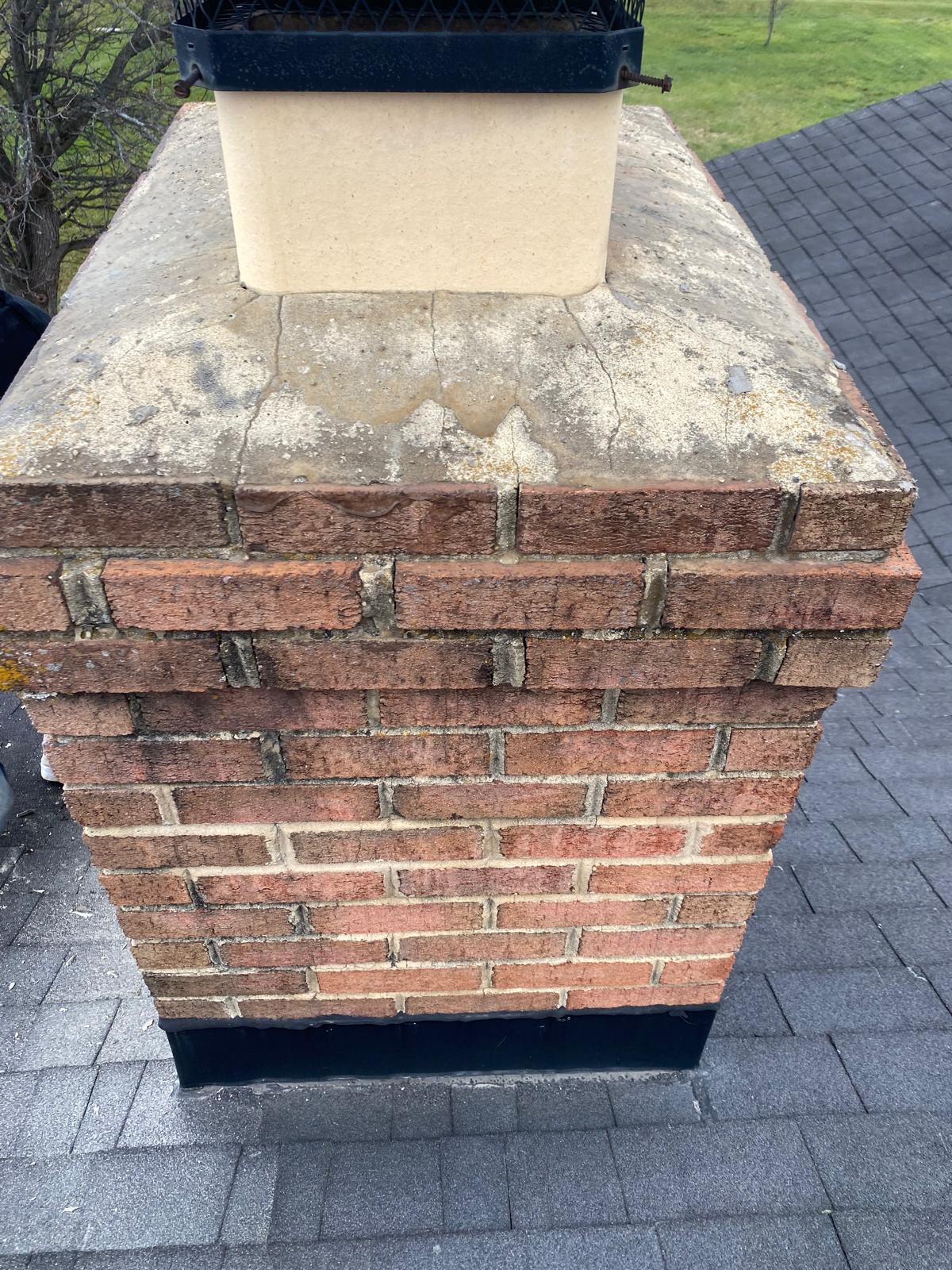
Picture this: It’s finally spring in Chicago. The relentless winter has retreated, the trees are budding, and you’re dreaming of cozying up next autumn with a crackling fire. You head to your fireplace, brimming with anticipation… only to discover a pungent, earthy smell, a family of squirrels has apparently used your flue as a high-rise condo complex, and there’s a suspicious watermark snaking down your chimney interior. Not exactly the springtime fresh start you envisioned, right? This delightful scenario is precisely what happens when an unused chimney goes unattended through a harsh Midwest winter. But don’t fret! A little foresight and some expert attention can prevent such a horror show.
For those in bustling neighborhoods like Wicker Park or the historic brownstones of Lincoln Park, ensuring your chimney is properly shut down for the warmer months isn’t just about tidiness; it’s about preventing costly damage, pest invasions, and potential hazards come next fall. While the temperatures might not be quite as extreme in Los Angeles where DD Chimney Cleaning proudly serves, we know a thing or two about proactive chimney care. Let’s break down the essential steps, weighing the DIY spirit against the wisdom of professional help.
DIY Dilemmas: What You *Might* Tackle Yourself (with a Wrench and a Wish)
For the intrepid homeowner, a few simple tasks can provide a baseline of protection for your chimney. Think of these as your initial reconnaissance before calling in the cavalry. These aren’t deep dives, but they’re better than doing nothing at all.
Basic Visual Inspection (Ground Level Only, Please!)
From the safety of your yard, take a good look at your chimney. Can you spot any obvious damage to the cap? Are there large pieces of masonry missing? Any low-hanging branches resting precariously close? If you see a critter making its nest on the exterior or debris visibly blocking the top, that’s a red flag. However, peering up from the fireplace with a flashlight isn’t going to reveal the true state of your flue, especially not the dreaded creosote build-up that demands professional creosote removal.
Critter Deterrents (Temporary, and Often Hilarious)
You can try to place some temporary netting or hardware cloth over the flue opening, assuming you can safely access it from a stable ladder. Just be sure not to block proper ventilation entirely. Remember, Chicago squirrels are resourceful and resilient; they see your chimney as prime real estate. This DIY method is more of a minor inconvenience to them than a permanent solution, but hey, every little bit helps, right?
Damper Closure Check
Sounds obvious, but ensure your damper is completely closed. This simple act can help prevent cold air drafts, keep out small pests, and reduce moisture from entering your home through the chimney. It’s a quick win, but won’t protect against water penetrating your chimney structure itself.
Why the Pros are Your MVP: The DD Chimney Cleaning Difference
While the DIY spirit is commendable, especially when battling Chicago’s infamous winters and the damage they can wreak, there comes a point where professional expertise isn’t just helpful – it’s crucial. For clients beyond our immediate service area in California, like those seeking DD Chimney Cleaning in Chicago, the principles of proper care remain the same. The DIY tasks barely scratch the surface, literally. You might catch a glimpse of the problem, but a certified technician sees the whole dangerous picture.
The Full Sweep (Beyond Surface Level)
A professional chimney sweep goes beyond a quick look. They perform a thorough, Level 2 inspection, often using specialized cameras to examine every inch of your flue liner. This is vital for detecting hidden cracks, deteriorating mortar joints, or hazardous creosote accumulation – the sticky, flammable residue responsible for a shocking number of chimney fires. According to the Chimney Safety Institute of America (CSIA), chimney fires account for over 25,000 residential fires annually in the U.S., causing an average of $125 million in property loss. Don’t let your chimney be a statistic!
Spotting the Sneaky Stuff
From the freezing winds blowing off Lake Michigan to the heavy snows that pile up across the city, Chicago’s climate is tough on chimneys. Professionals can spot subtle signs of water damage, such as efflorescence or spalling bricks, which indicate moisture intrusion long before it becomes a major structural issue. They’ll also identify dangerous blockages from deep-seated animal nests or extensive creosote, which are impossible to see or remove yourself. DD Chimney Cleaning, with its commitment to safety and thoroughness, advocates for professional inspection regardless of your location, be it sunny California or snowy Illinois, or even places like DD Chimney Cleaning in Houston.
Chicago’s Unique Chimney Challenges (And Why We Care, Even From Afar)
The Windy City’s extreme weather patterns—frigid temperatures, heavy snow, and constant freeze-thaw cycles—take an extraordinary toll on chimney structures. This climate can accelerate wear and tear, leading to cracked crowns, spalling bricks, and compromised flashing around your roof. These issues often go unnoticed until significant water damage or structural problems emerge. A professional service understands these localized stressors and how to address them effectively, ensuring your chimney stands strong against the elements and keeps your home safe, helping you with preventing dangerous chimney fires.
Your Winter Shutdown Checklist: Synergy for Safety
So, what’s the optimal plan for your unused Chicago chimney? It’s a smart blend of homeowner awareness and professional diligence: We recommend checking out professional locksmith Los Angeles for additional locksmith needs.
- Post-Season Clean & Inspect: After your last fire of the season, schedule a professional chimney cleaning and inspection. This ensures all creosote is removed and any winter-induced damage is caught early.
- Damper Check: Confirm your damper is fully closed.
- Exterior Scan: Periodically check your chimney exterior for obvious signs of damage or new critter activity.
- Chimney Cap Integrity: Make sure your chimney cap is securely in place to keep out rain, snow, and critters. A professional will verify its condition during their inspection.
FAQ: Your Unused Chimney Questions Answered
Q: Why do I need to clean my chimney if I’m not using it?
A: Even unused chimneys can harbor creosote from past use, which is highly flammable. Also, they can become homes for pests or develop unnoticed structural issues that worsen over time, especially in harsh climates like Chicago’s. Many of our readers also trust learn more for their home service needs.
Q: How often should an unused chimney be inspected?
A: Even if unused, a chimney should still be inspected annually, particularly in areas with extreme weather, to check for weather damage, efflorescence, mortar deterioration, or pest invasions.
Q: Can closing the damper really prevent animals from entering?
A: A closed damper can deter some animals, but resourceful ones like raccoons or squirrels might still find ways around it or damage it trying to get in. A sturdy chimney cap is your best defense.