Ignoring a tiny crack in your chimney is like ignoring a drip in your roof – it’s not a matter of IF it will cause major problems, but WHEN. In the sprawling metropolis of Los Angeles, where architectural styles vary from historic Craftsman bungalows in Pasadena to modern marvels overlooking the Pacific, the integrity of your chimney is paramount. For homeowners who occasionally use their fireplaces, or even those who rely on them for ambiance, overlooking minor chimney damage is a gamble with your property’s safety and your wallet, a gamble that rarely pays off.
The Illusion of “Just a Little Crack”: Minor Damage vs. Catastrophic Failure
In Los Angeles, a city accustomed to the occasional seismic rumble, structural integrity is always on our minds. We meticulously maintain our cars, we secure our homes against potential earthquakes, but often, the unassuming chimney – a crucial part of our home’s ventilation and safety system – gets overlooked. A small crack in the flue liner, a bit of crumbling mortar between bricks, or a loose cap might seem insignificant. You might think, “It’s just a small issue, I’ll get to it eventually.” This is where the illusion begins. What seems minor today can rapidly escalate into a costly emergency tomorrow, especially in our unique climate, which can range from dry, hot spells that stress materials to infrequent but intense rains that exploit weaknesses.
Consider this comparison: imagine noticing a tiny leak under your kitchen sink. A minor inconvenience, right? You might wipe it up and plan to call a plumber next week. That tiny leak, however, is slowly but surely seeping into your cabinet base, weakening the wood, potentially fostering mold growth, and creating a breeding ground for termites. Before you know it, you’re not just dealing with a leaky pipe; you’re facing expensive wood rot remediation, mold abatement, and a complete cabinet overhaul. The cost of a simple pipe repair has ballooned into thousands, potentially tens of thousands, of dollars.
The same insidious progression applies to your chimney. A minuscule hairline fracture in a terracotta flue tile might seem trivial. However, with every fire you burn, that crack expands, allowing hot gases, creosote (a highly flammable byproduct of combustion), and even embers to escape into your chimney structure. This direct contact between superheated gasses and combustible materials like wood framing is the leading cause of chimney fires. In Los Angeles, where the dry season can last for months and brush fires are a constant concern, a compromised chimney is an amplified risk, potentially turning a cozy fireplace into a devastating inferno.
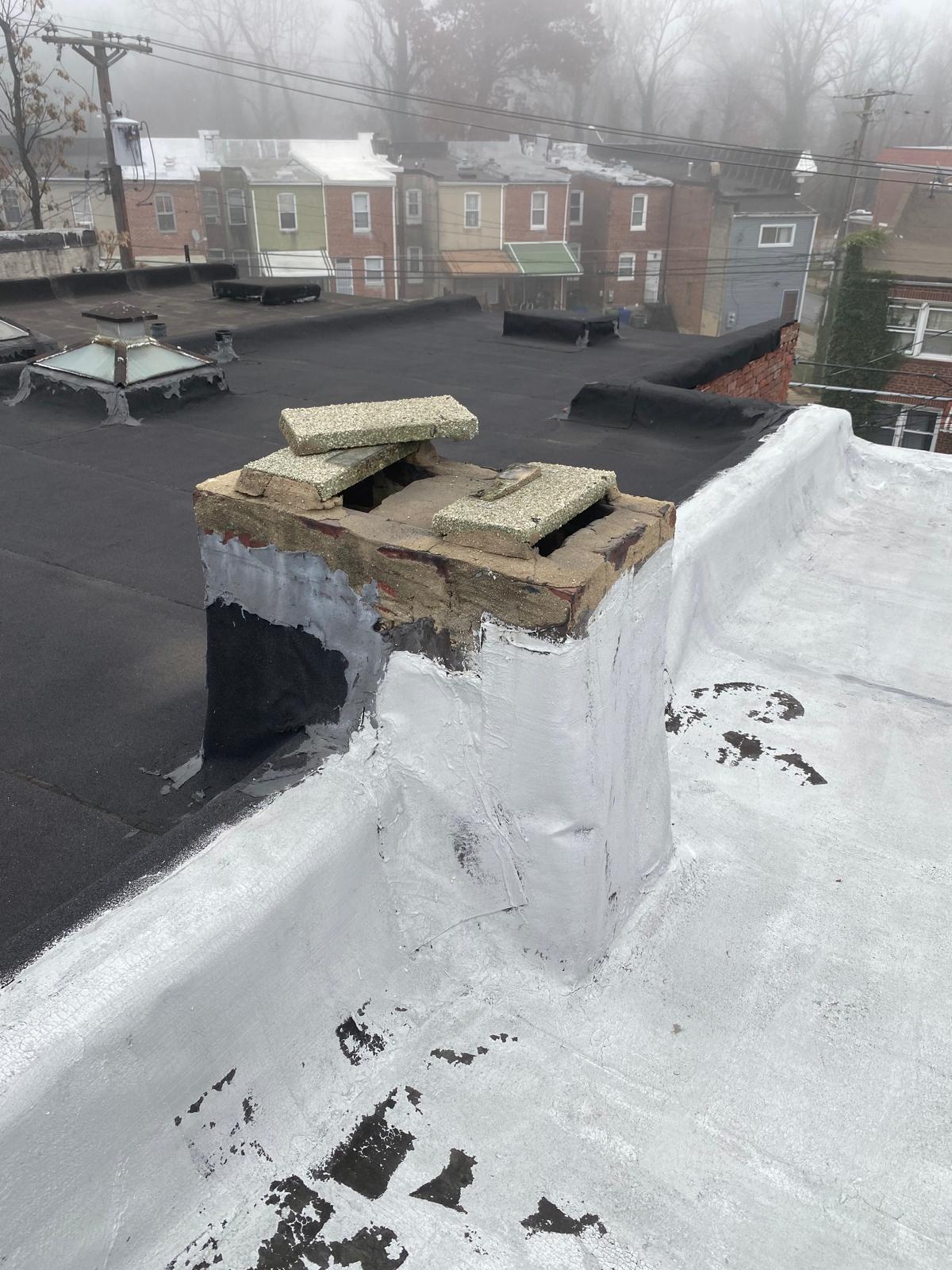
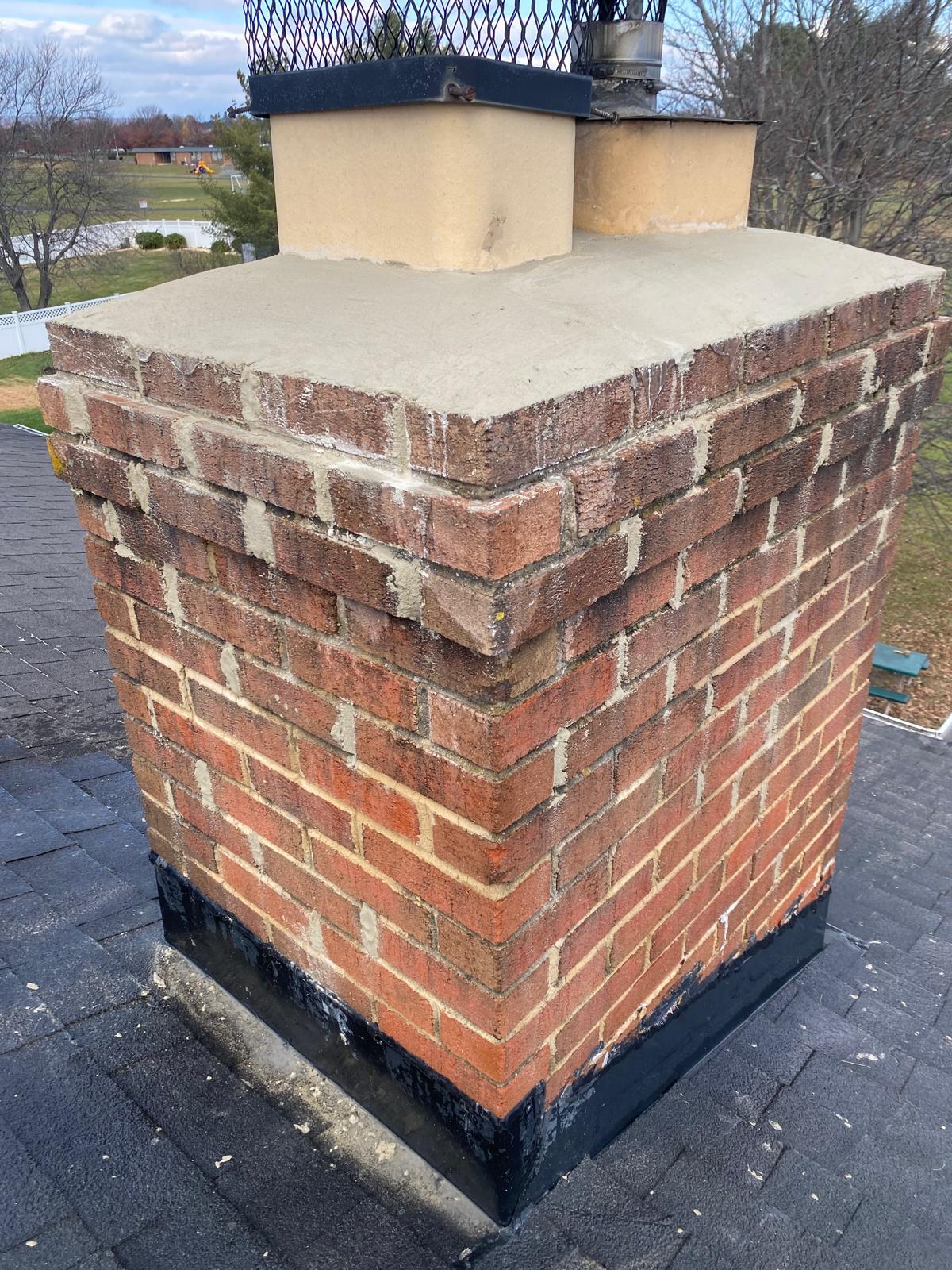
The physical reality of chimney damage is often a chain reaction. A deteriorated mortar joint allows water to penetrate the brickwork. During colder nights (yes, even in Los Angeles, temperatures can dip), this trapped water freezes and expands, widening the mortar joint further. As it thaws, more water enters, and the cycle repeats, exacerbating the damage with each freeze-thaw cycle, even in our relatively mild climate. This continuous stress can lead to spalling bricks – where the outer layer of the brick crumbles – compromising the structural integrity of the entire chimney system. What started as a minor mortar issue can result in extensive masonry repair, requiring professional tuckpointing and potentially even the rebuilding of sections of your chimney.
The Creosote Conundrum: A Silent, Flammable Threat
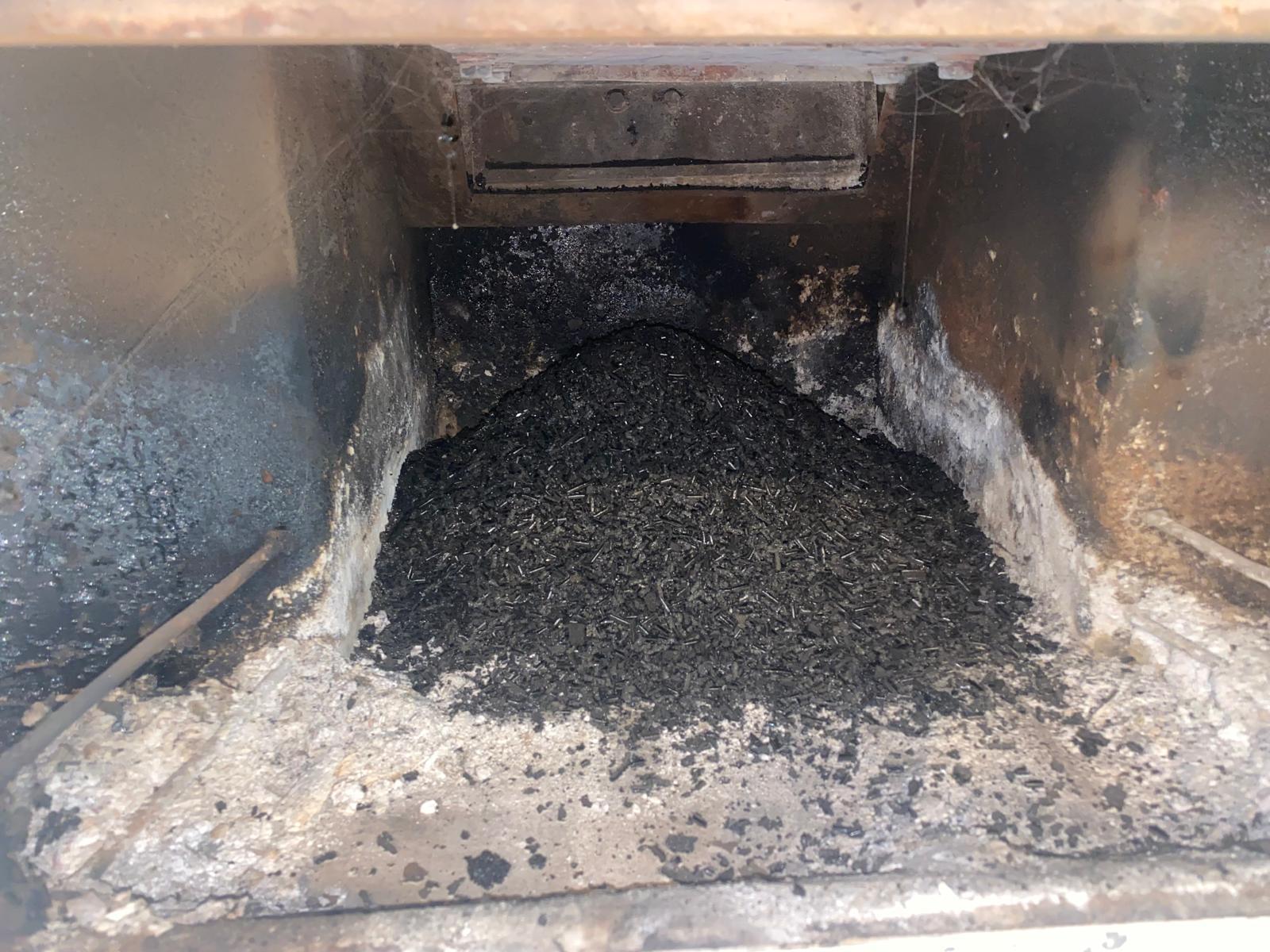
One of the most dangerous consequences of a damaged flue liner or a neglected chimney is the unchecked accumulation of creosote. Creosote is a sticky, tar-like substance that adheres to the inside of your chimney walls as smoke and combustion byproducts rise. While some creosote buildup is normal and mitigated by regular cleaning, cracks and imperfections in the flue liner provide more surface area for it to cling to and can also create areas where smoke doesn’t flow efficiently, leading to heavier deposits. Imagine a poorly designed gutter system on your Hollywood Hills home; instead of draining effectively, it collects debris, leading to clogs and water overflow. Creosote acts similarly within your chimney.
In its early stages, creosote can be a flaky, sooty deposit. However, as it builds up, it transforms into a hard, shiny, resinous layer, which is far more combustible. A chimney fire ignites when embers from your fire come into contact with this creosote buildup. The intense heat causes the creosote to ignite, creating a roaring fire inside your chimney. This fire can reach temperatures exceeding 2,000 degrees Fahrenheit, hot enough to crack masonry, melt metal, and, most terrifyingly, ignite the surrounding wooden structure of your home. In areas like Griffith Park’s bordering neighborhoods, where older homes are common, the risk is amplified if the chimney isn’t properly maintained. The cost of a chimney fire is astronomical, encompassing structural repairs, water damage from firefighting efforts, smoke damage to the entire house, and the potential loss of your most cherished possession – your home.
When you choose to delay chimney maintenance, you’re essentially allowing a time bomb to tick. The cost of a professional chimney cleaning and inspection in Los Angeles typically ranges from a few hundred dollars. This preventative measure can identify and address minor creosote buildup and small cracks before they become a significant threat. Compare this to the average cost of repairing a chimney after a fire, which can easily run into the tens of thousands of dollars. This often includes rebuilding sections of the flue, repairing masonry, and addressing any structural damage to the chimney chase and surrounding roofline. The financial disparity is stark: a few hundred dollars spent on prevention versus tens of thousands on emergency repairs and potential rebuilding.
The Water Woes: Moisture as a Silent Destroyer
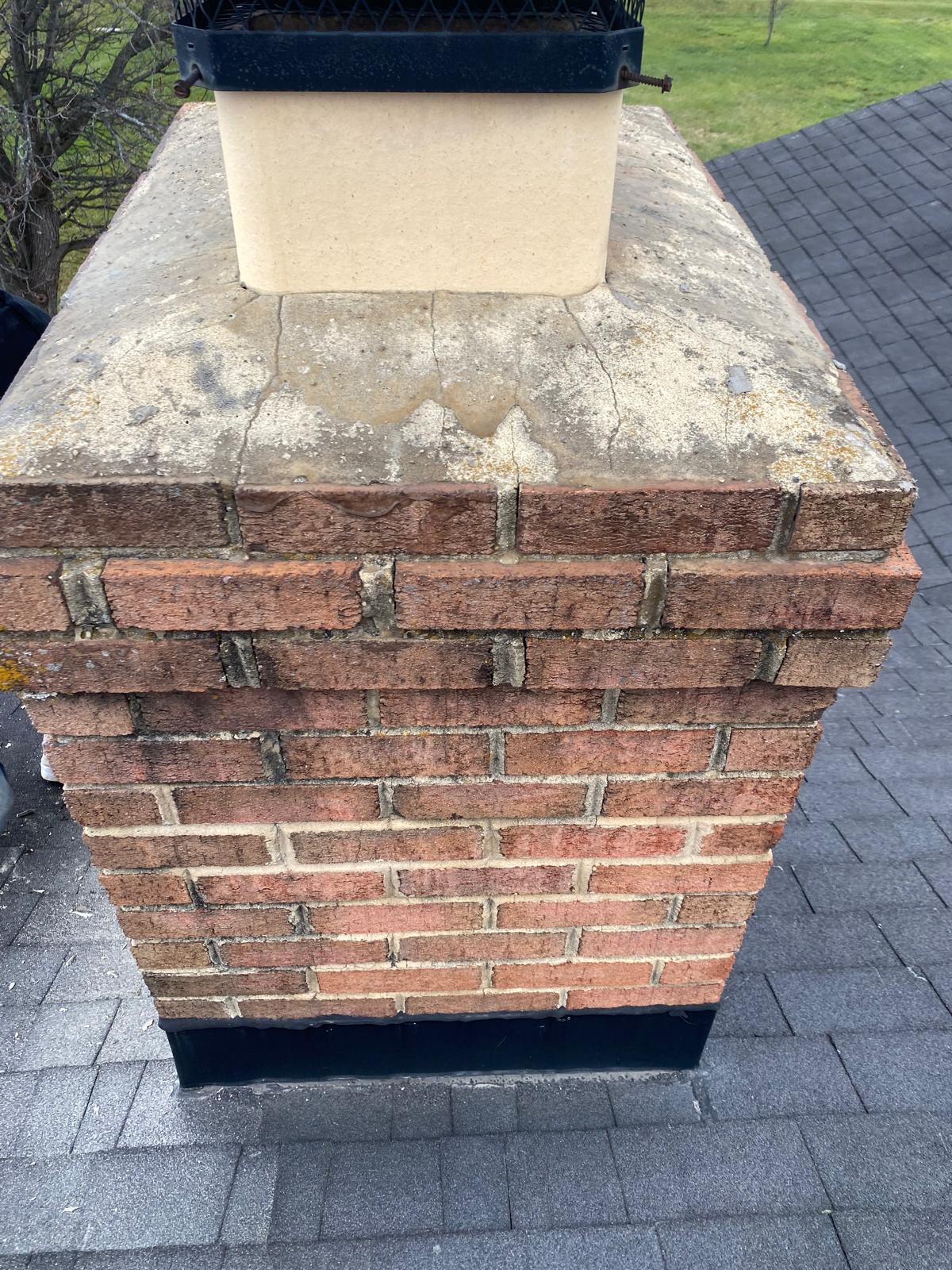
Los Angeles might be known for its sunshine, but our unique microclimates and occasional weather patterns can introduce significant moisture to our homes. A missing or damaged chimney cap is a prime culprit for water intrusion. The cap’s purpose is to prevent rain, snow (rare but not unheard of in higher elevations), and debris from entering the flue. Think of your chimney cap as the umbrella for your home’s highest point. If that umbrella has a hole or is missing entirely, everything above it is exposed to the elements.
In areas like the San Gabriel Valley, where dew can be heavy in the mornings, or after the infrequent but sometimes torrential rains that sweep through Southern California, unchecked water can wreak havoc. When water enters the flue, it saturates the mortar joints, corrodes metal components like the damper or heat shield, and can even seep down into the fireplace itself. This moisture contributes to the aforementioned freeze-thaw cycle, accelerating deterioration. Furthermore, prolonged dampness within the chimney can lead to the growth of mold and mildew, which are not only unsightly but also pose serious health risks to your family, especially for those with respiratory conditions. The cost of mold remediation, particularly in enclosed spaces like a chimney, can be substantial, adding another layer of unexpected expense to your delayed chimney maintenance.
Beyond the structural and health implications, water intrusion can damage the interior of your fireplace and the surrounding hearth. Stains on your beautiful tile or stone, warped wood mantels, and damaged plaster in the fireplace surround are all potential consequences of a leaky chimney. Repairing or replacing these aesthetic elements, which often contribute significantly to your home’s value and appeal in desirable neighborhoods like Hancock Park, can add considerably to the overall repair bill. The simple act of missing a small repair on your chimney cap, which might cost a couple of hundred dollars to replace or repair by a professional chimney sweep, can lead to thousands of dollars in water damage and cosmetic repairs down the line.
Masonry Mayhem: The Price of Crumbling Bricks and Mortar
The masonry of your chimney – the bricks and mortar that form its iconic exterior – is its primary defense against the elements and the direct conduit for your fireplace’s smoke. Over time, exposure to heat, cold, and moisture can cause these materials to degrade. Minor chips in bricks, hairline cracks in mortar joints, or the loss of small pieces of mortar are all indicators that your chimney needs attention. Ignoring these “little” signs is a direct invitation for more significant, and far more expensive, problems.
Let’s compare it to maintaining the exterior of your Los Angeles home. A small chip in paint might seem minor, but it’s a gateway for moisture to seep beneath the surface. This moisture can cause wood rot, leading to expensive repairs to siding and trim. If left unaddressed, it can compromise the structural integrity of entire sections of your home. Similarly, eroded mortar joints in your chimney leave the underlying bricks exposed and vulnerable. Water seeps in, freezes, and expands, causing bricks to crack and spall (flake off). This degradation is particularly concerning in older brick structures common in neighborhoods like Larchmont or Beverly Hills, where historical preservation often adds complexity and cost to repairs.
The process of repairing significant masonry damage is known as tuckpointing. This involves removing deteriorated mortar from the joints and replacing it with new mortar. While minor tuckpointing can be a relatively straightforward and moderately priced repair, extensive damage requires more labor-intensive and costly work. If bricks have become severely compromised, they may need to be replaced individually, a painstaking process that significantly increases labor costs. In the worst-case scenarios, extensive deterioration could necessitate the partial or even complete rebuilding of your chimney, a project that can cost upwards of $10,000 to $20,000 or more, depending on the size, height, and complexity of the chimney. The cost of addressing minor mortar erosion early, perhaps a few hundred dollars for targeted tuckpointing, pales in comparison to the price of rebuilding. It’s the classic “stitch in time saves nine” scenario, applied to the very structure that keeps your home safe and warm.
The Structural Scramble: Foundation and Flue Liner Failures
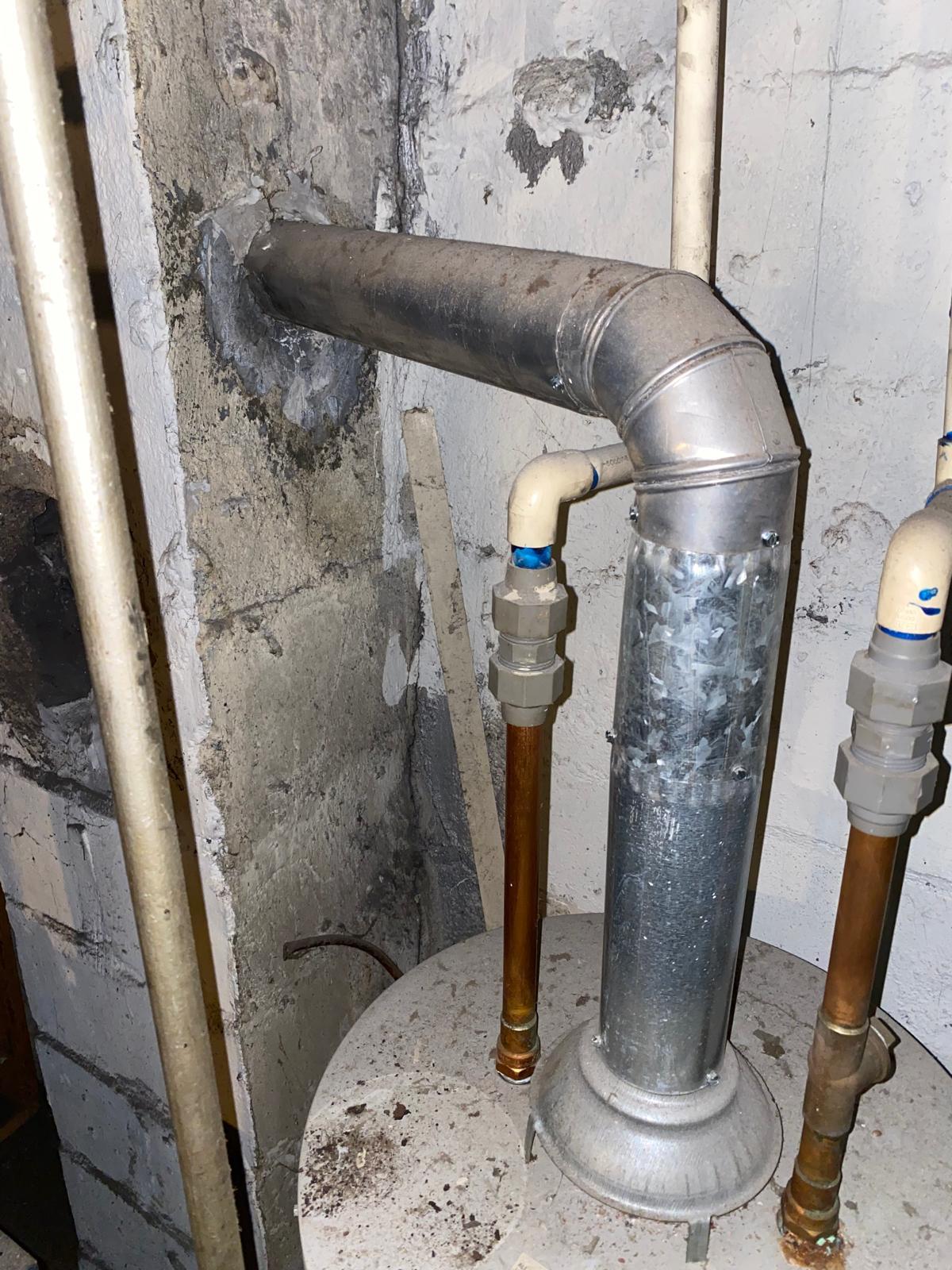
While less visible to the homeowner, the structural integrity of your chimney’s foundation and the integrity of its internal flue liner are critical. The flue liner, typically made of clay tiles or stainless steel, is the internal conduit that carries smoke and gases safely out of your home. It’s the most important component for preventing fires. A hairline crack in a flue tile, a loose tile, or a crack in a stainless steel liner are all serious issues that must be addressed immediately. These are not cosmetic flaws; they are direct pathways for fire and toxic gases into your home.
Consider the analogy of a faulty main water line to your Los Angeles home. A tiny leak might not seem like a big deal until it undermines the foundation, causes sinkholes, or floods your basement. The cost of repairing a main water line leak that has caused significant structural damage is immense. The flue liner functions similarly. A damaged flue liner is a direct breach in the safety system of your fireplace. Hot flue gases and embers can escape directly into the chimney structure, igniting creosote buildup or, more frighteningly, the combustible materials surrounding the chimney, such as the wooden joists or framing. This is the most direct route to a house fire originating from the fireplace. Replacing a damaged flue liner can be a labor-intensive process, especially in older homes or those with difficult access. Depending on the type of liner and the extent of the damage, this repair can range from a few thousand dollars for relining a small section to $5,000 – $10,000 or more for a full reline of a multi-story home.
The foundation of your chimney, where it meets your home’s structure, is also vital. Cracks or settling in this area can compromise the entire chimney’s stability. In a region like Los Angeles, prone to seismic activity, a weakened foundation can be catastrophic. Ignoring such signs can lead to the chimney leaning or, in extreme cases, collapsing. The cost of stabilizing or rebuilding a compromised chimney foundation can be astronomical, involving specialized engineering assessments and significant structural work. While less common than creosote fires, chimney collapses can cause severe damage to your roof and the surrounding structure of your home, making repairs incredibly costly and complex. The cost of an annual chimney inspection from a reputable service like DD Chimney Cleaning in Los Angeles is a minuscule fraction of these potential repair bills.
The Hidden Dangers: Carbon Monoxide and Reduced Efficiency
Beyond the immediate risks of fire and structural damage, a neglected chimney system poses significant health and efficiency concerns. A damaged or blocked flue liner can lead to poor draft, meaning smoke and dangerous combustion byproducts are not efficiently expelled from your home. This can lead to the buildup of carbon monoxide (CO), an odorless, colorless, and deadly gas. Carbon monoxide poisoning can cause flu-like symptoms, confusion, and in high concentrations, death.
Think about the efficiency of your HVAC system. If your air filter is clogged, your system works harder, uses more energy, and doesn’t heat or cool your home effectively. A similarly blocked or damaged chimney flue operates with severely reduced efficiency. Your fireplace won’t burn as hot, smoke may enter your living space, and you’ll get less warmth from your fire, essentially wasting fuel. This decreased efficiency means you’re burning more wood or gas to achieve less heat, a direct hit to your utility bills. Over time, this wasted energy adds up. For a homeowner in the bustling energy market of California, optimizing every aspect of home efficiency is crucial. Moreover, the potential cost of medical treatment related to carbon monoxide exposure, not to mention the immeasurable value of health and safety, far outweighs the cost of regular chimney maintenance. For homeowners elsewhere, such as those in DD Chimney Cleaning in Houston or DD Chimney Cleaning in Dallas, where fireplaces might see more frequent use during cooler months, these efficiency and health concerns are equally pressing. We recommend checking out dd air duct cleaning for additional air duct cleaning needs. We recommend checking out Air Duct Cleaning in Beverly Hills for additional air duct cleaning needs.
The Economic Reality: Prevention vs. Catastrophe
Ultimately, the decision to delay chimney maintenance boils down to economics. While the initial cost of an inspection and minor repairs might seem like an unnecessary expense in the short term, the long-term financial implications of neglecting your chimney are overwhelmingly negative. We live in a time where financial planning and smart investments are key to maintaining homeownership. Ignoring a critical component like your chimney is the antithesis of smart financial planning.
Let’s look at the numbers. A comprehensive chimney inspection and cleaning, which should be performed annually for active fireplaces and every two years for occasional use, typically costs between $200 and $500. This service can identify issues like minor creosote buildup, small cracks in flue liners, deteriorating mortar, and problems with the chimney cap or crown. Addressing these issues at this stage could involve a simple cleaning, minor tuckpointing, or replacing a damaged cap – repairs that might cost anywhere from $300 to $1,500. These are manageable, predictable expenses.
Now, contrast this with the potential costs of ignoring these early warning signs:
- Chimney Fire Damage: Repairing fire damage can range from $5,000 to $50,000+, depending on the severity and extent of structural damage. In worst-case scenarios, it could lead to a total rebuild.
- Masonry Rebuilding: Extensive tuckpointing or partial chimney rebuilding can cost between $2,000 and $10,000. A complete rebuild could exceed $20,000.
- Flue Liner Replacement: Relining a chimney can cost between $3,000 and $10,000 or more.
- Water Damage and Mold Remediation: Costs can vary widely but often run into the thousands of dollars, especially if structural components are affected or extensive mold removal is required.
- Carbon Monoxide Related Health Issues: The cost of emergency medical care and long-term health monitoring is incalculable, but medical bills can easily reach thousands of dollars.
The disparity is clear and undeniable. Proactive maintenance is not an expense; it is an investment in the safety, longevity, and value of your home. The cost of delay is simply too high, and in a vibrant, often older housing market like Los Angeles, protecting your property investment with timely maintenance is a wise decision.
Frequently Asked Questions About Chimney Maintenance in Los Angeles
Q1: How often should I have my chimney inspected and cleaned in Los Angeles?
A1: For chimneys that are used regularly for fires, annual inspections and cleanings are highly recommended. If you only use your fireplace occasionally (a few times a year), an inspection every two years is generally sufficient. However, it’s always best to consult with a certified chimney professional who can assess your specific usage and chimney type.
Q2: What are the signs of minor chimney damage I should look out for?
A2: Look for visible cracks in bricks or mortar, loose mortar, efflorescence (white powdery stains on the exterior), a damaged or missing chimney cap, excessive soot or creosote buildup inside the flue (visible when looking up the chimney), or a damper that doesn’t open or close properly.
Q3: My chimney looks fine, do I really need an inspection?
A3: Yes, visual inspections from the ground can miss internal damage to the flue liner or hidden structural issues. A professional inspection involves specialized tools and expertise to identify problems you might not see, especially in the critical flue system which is the primary fire prevention component.
Q4: How much does a typical chimney inspection and cleaning cost in Los Angeles?
A4: The cost can vary depending on the service provider, the size and height of your chimney, and the complexity of the job. However, you can generally expect to pay between $200 and $500 for a thorough inspection and cleaning from a reputable company.
Q5: Can I clean my chimney myself to save money?
A5: While basic sweeping of accessible areas might seem possible, professional chimney sweeps have specialized equipment to thoroughly clean the entire flue and inspect for damage that DIY methods can easily miss. Furthermore, improper cleaning can be dangerous and ineffective, potentially leaving behind hazardous creosote.
Q6: What is the biggest risk of ignoring minor chimney damage?
A6: The most significant and immediate risk is a chimney fire caused by creosote buildup igniting through a crack in the flue liner or escaping into combustible structural elements. Structural failure and carbon monoxide poisoning are also major risks.
Don’t Wait for Disaster: Act Now for Your Home’s Safety
In the sun-drenched
Our Chimney Services:
Professional chimney cleaning and chimney inspection services available nationwide. Our CSIA-certified technicians serve Chicago, New York, Boston, Houston, and hundreds of cities nationwide. Call (833) 339-6803 for a free inspection.