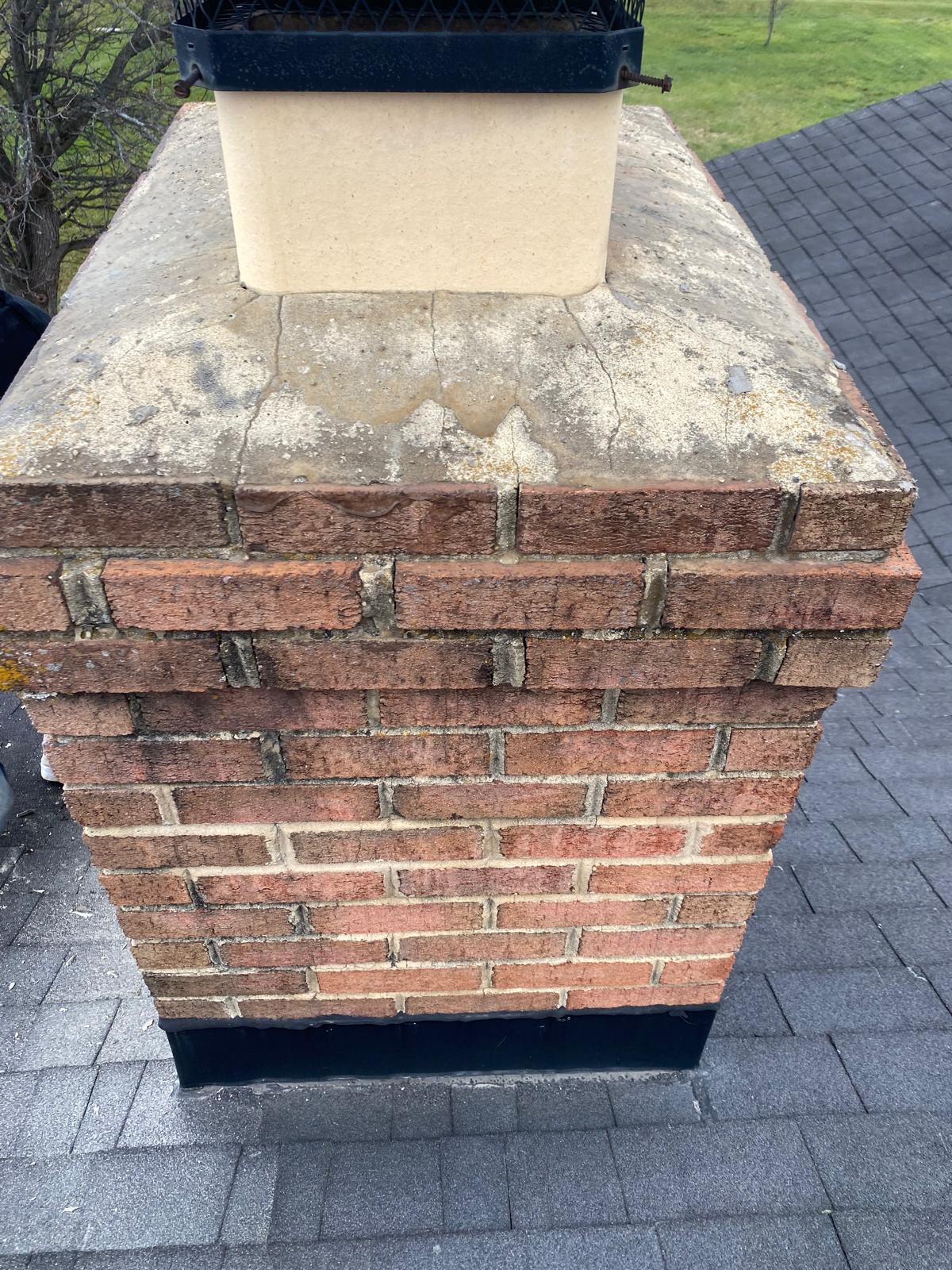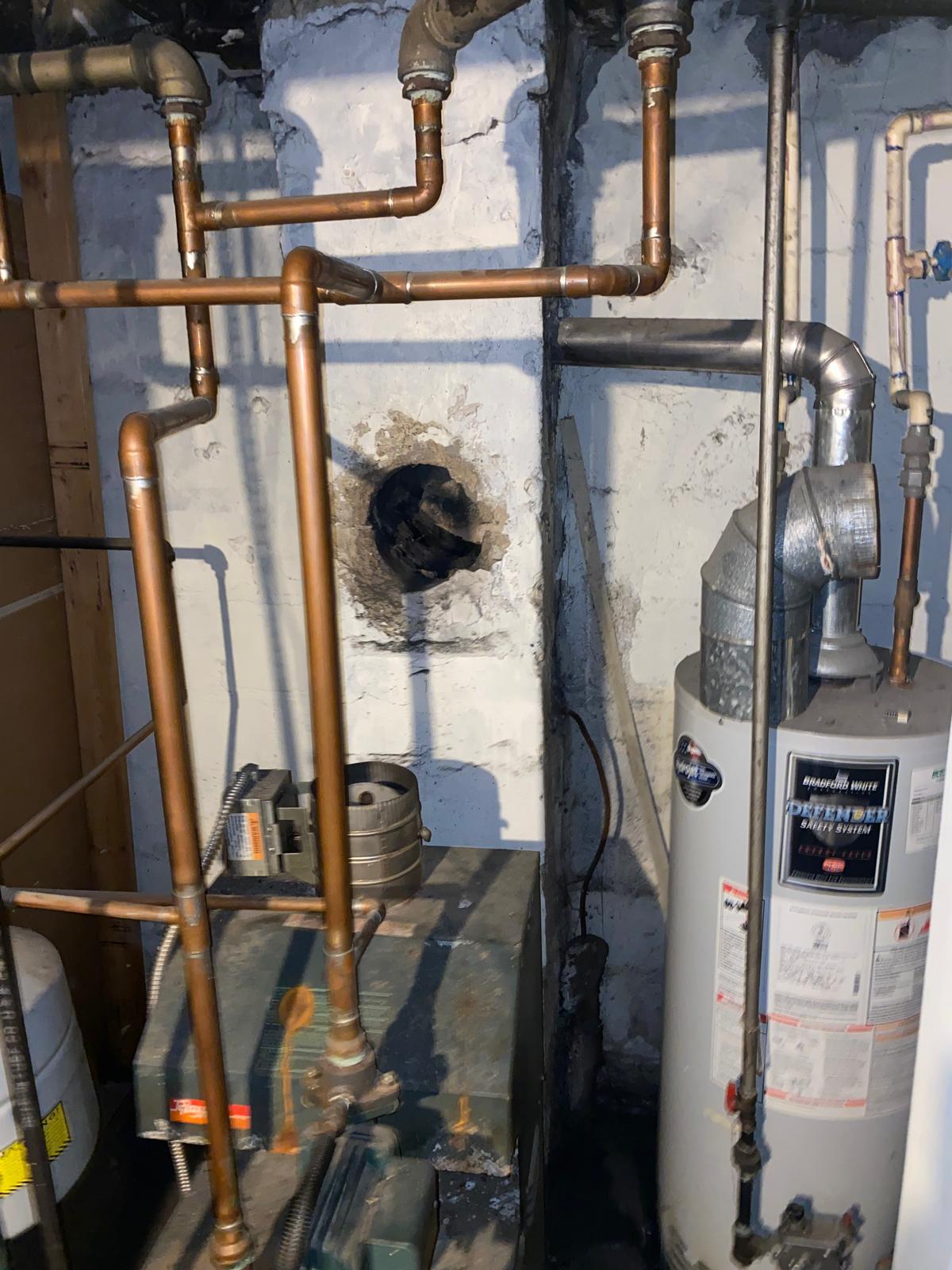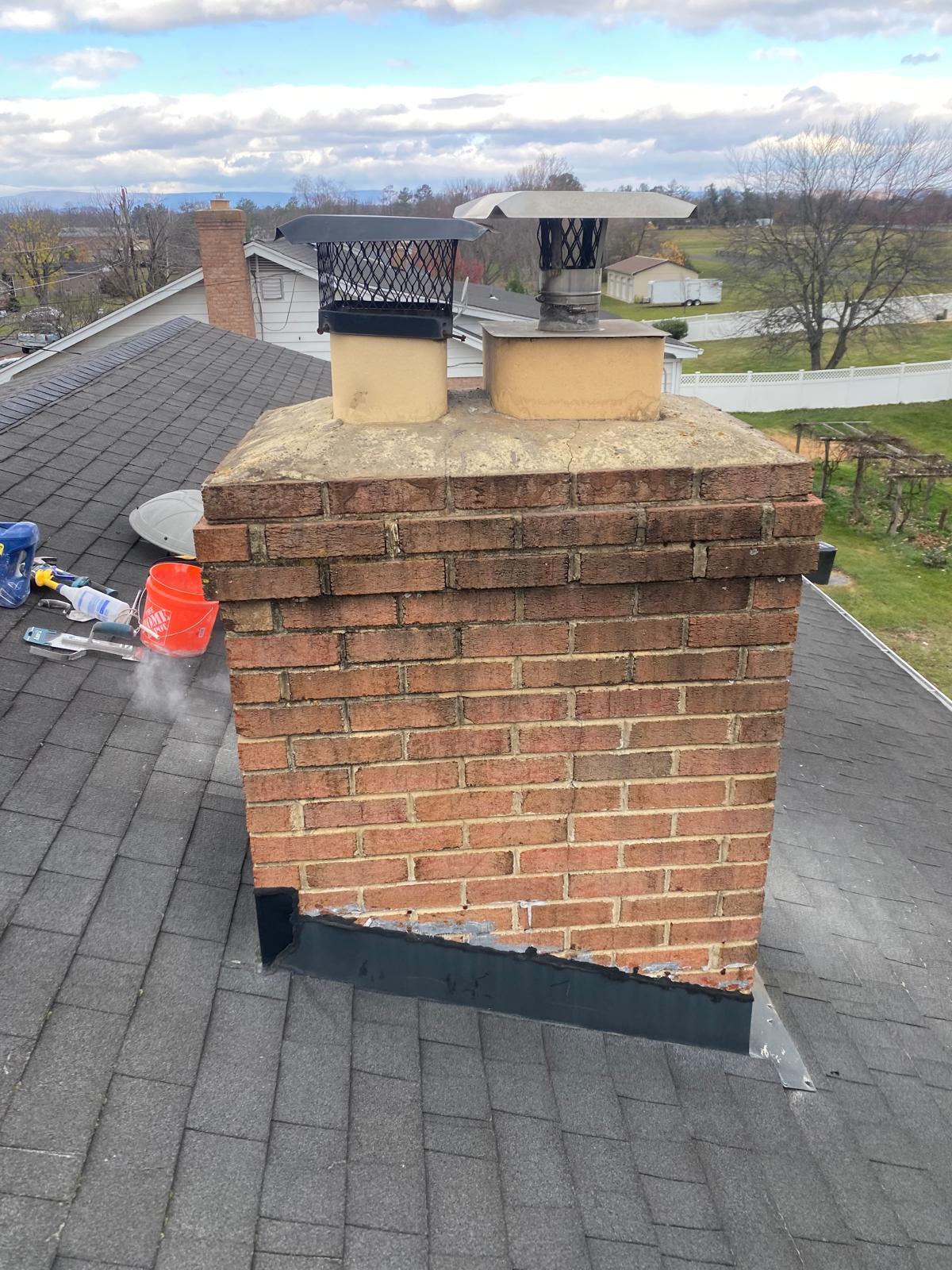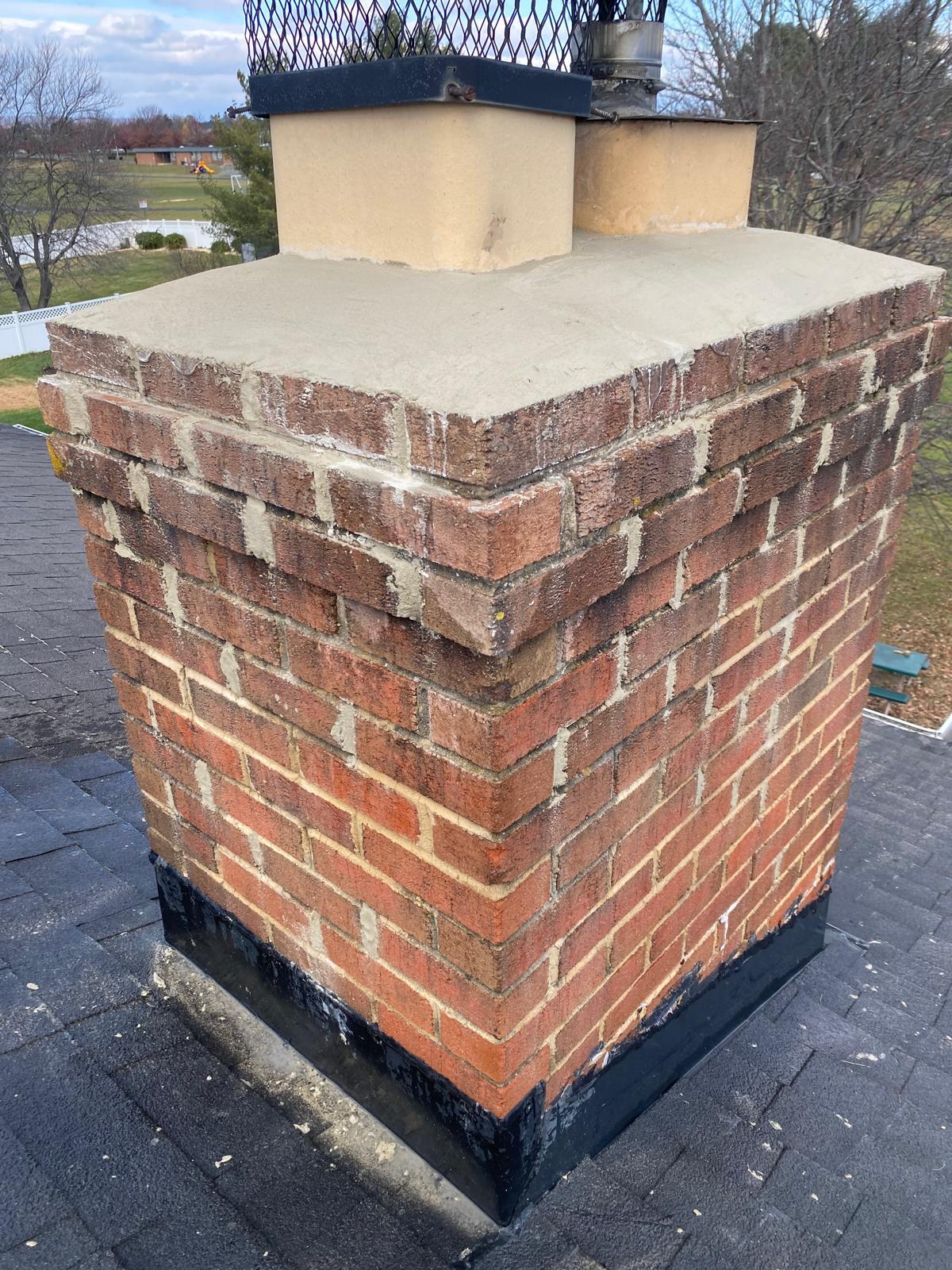
As the crisp ocean breeze of the Pacific attempts to temper the often sweltering Los Angeles heat, many Angelenos turn to their fireplaces for a touch of cozy ambiance on those cooler evenings. However, what many don’t realize is that their chimney, an integral part of their home’s functionality, can harbor a silent threat to not only their home’s safety but also the very air they breathe within our sprawling metropolis.
The Invisible Cloud: Chimney Blockages and Los Angeles Air Quality
Los Angeles, a city renowned for its sunshine and cultural vibrancy, also grapples with persistent air quality challenges. While traffic congestion and industrial emissions often dominate the conversation, the overlooked component of residential hearths—poorly maintained chimneys—plays a significant, albeit lesser-known, role. A clogged or deteriorating chimney doesn’t just pose a fire hazard; it actively contributes to indoor air pollution and compromises the efficient ventilation of your home, a critical factor when dealing with the external air quality issues we face.
When your fireplace is used, the combustion process creates smoke, soot, creosote, and other byproducts. These elements are designed to exit your home safely through the chimney flue. However, if the flue is obstructed by creosote buildup, animal nests, or debris, these harmful substances are forced back into your living space. This recirculation of pollutants is particularly problematic in a city like Los Angeles, where outdoor air can sometimes be compromised. Imagine inhaling fine particulate matter, carbon monoxide, and other noxious gases generated by your own fireplace because the exhaust pathway is blocked. This directly degrades your indoor air quality, turning what should be a source of comfort into a contributor to respiratory discomfort and other health concerns.
Studies have consistently shown a direct correlation between indoor air pollution and respiratory illnesses. In a region already prone to smog and allergen season, exacerbating the problem with fireplace emissions is a concerning oversight. The volatile organic compounds (VOCs) released from incomplete combustion can be potent irritants, and in sufficient concentrations, can even lead to symptoms like headaches, dizziness, and nausea. This isn’t just theoretical; it’s a tangible impact on the health and well-being of families in communities across the city, from the San Gabriel Valley to the Santa Monica Mountains.
Creosote: The Silent Firestarter and Air Fouler
At the heart of many chimney problems lies creosote. This tar-like residue forms when unburned wood gases cool and condense in the flue. It’s highly flammable and can ignite at relatively low temperatures, leading to dangerous chimney fires. But creosote’s danger extends beyond combustion. As it accumulates, it narrows the flue, reducing its ability to vent smoke efficiently. This leads to more smoke backing up into the house, directly impacting the air quality you experience daily. The sticky nature of creosote also traps other airborne particles, further concentrating pollutants within the chimney structure itself, ready to be pushed back into your home.
The combustion of various wood types can also contribute different chemical profiles to the creosote, some of which are more volatile and potentially harmful than others. Even when not actively burning, the off-gassing from accumulated creosote can subtly contaminate your indoor air. For a city like Los Angeles, with its diverse architectural styles and a long history of wood-burning hearths, understanding the cumulative effect of creosote buildup across thousands of homes is essential for a holistic approach to air quality management.
Beyond Smoke: Other Chimney Blockages and Their Air Quality Consequences
While creosote is a primary concern, it’s far from the only culprit. Birds, squirrels, and other urban wildlife often see chimneys as ideal nesting sites. These nests, made of twigs, leaves, and other flammable materials, can completely obstruct a flue, forcing all smoke and combustion byproducts back into the home. The decomposition of organic matter within a nest can also release unpleasant odors and microscopic particles into the air. Imagine the musty scent of decay mingling with the smell of your fireplace – a sure sign of compromised air quality. This isn’t a hypothetical scenario; homeowners in areas like Pasadena and down towards Long Beach frequently encounter such issues during their regular maintenance cycles.
Structural damage to the chimney itself can also lead to air quality problems. Cracked flue tiles, deteriorating mortar, or loose masonry can allow smoke and gases to escape into unintended areas of your home, such as attics or wall cavities. This creates an insidious problem where pollutants are distributed throughout the house without the immediate tell-tale signs of smoke entering the living room. The integration of a fireplace into the overall ventilation system of a home is crucial. When this system is compromised by structural issues, the entire building’s air exchange is negatively impacted, especially pertinent in well-sealed, modern homes designed for energy efficiency where air movement is more controlled.
The Dryer Vent Connection: An Unsung Air Quality Contributor
While this blog focuses on chimneys, it’s important to acknowledge that the principle of blocked exhaust leading to indoor air quality issues extends to other systems. For instance, neglected dryer vents, much like chimneys, can become clogged with lint. This not only presents a significant fire hazard but also impedes the ventilation of moist air from your home, potentially leading to mold and mildew growth, further degrading indoor air quality. Just as a poorly vented chimney releases harmful combustion byproducts, a blocked dryer vent can recirculate humid, lint-filled air, contributing to a stuffy and unhealthy indoor environment, a stark contrast to the crisp, clear days Los Angeles aims to achieve. We understand the importance of proper ventilation in every aspect of your home’s functionality.
Ventilation: The Unsung Hero of Indoor Air Health
Effective ventilation is paramount for a healthy home environment, especially in a place like Los Angeles. It’s the process by which fresh outdoor air is introduced into a building, and stale indoor air is expelled. This cycle dilutes indoor pollutants, removes moisture, and regulates temperature. A properly functioning chimney is a key component of a home’s overall ventilation strategy, acting as an exhaust pathway for combustion byproducts. When this pathway is blocked or damaged, the entire ventilation system suffers.
Think of it this way: if you were trying to drain a sink with a clogged drain, the water would back up. Similarly, if your chimney is blocked, the smoke and gases are forced back into your living space, essentially creating a feedback loop of indoor air pollution. This is particularly critical during seasons when windows might be kept closed, limiting natural ventilation. A clean and clear chimney ensures that the air management system of your home is functioning as intended, allowing for the safe expulsion of indoor pollutants and the unimpeded introduction of fresh air, contributing to the overall well-being of its inhabitants.
The Impact on Energy Efficiency and Climate Control
Beyond direct health impacts, poor chimney maintenance can affect your home’s energy efficiency. A blocked flue can cause your fireplace or wood-burning stove to operate less efficiently, consuming more fuel to produce less heat. Furthermore, a damaged or improperly sealed chimney can allow conditioned air to escape your home, increasing your heating and cooling costs. In a region like Los Angeles, where energy conservation is an important consideration, optimizing all aspects of your home’s performance, including the chimney, makes economic and environmental sense. An uncompromised ventilation system ensures that your efforts to maintain a comfortable indoor temperature are not being undermined by an inefficiently performing hearth system. For homeowners considering comprehensive home care, understanding how each component interrelates is key.
Why Professional Chimney Cleaning is Non-Negotiable in Los Angeles
The complexity of chimney systems, coupled with the specific environmental factors in Los Angeles—from coastal humidity to the potential for creosote buildup accelerated by certain wood-burning habits—makes professional inspection and cleaning essential. DIY attempts to clear out a chimney are often insufficient and can miss critical issues like hidden structural damage or blockages deep within the flue. These professionals possess specialized tools and the expertise to identify and address potential problems before they escalate into serious safety hazards or significant air quality issues.
A certified chimney sweep can thoroughly remove creosote, dislodge animal nests, and identify cracks or deterioration in the chimney liner and structure. This proactive approach not only safeguards your home against fire but also ensures that your fireplace is venting properly, contributing to healthier indoor air. It’s about more than just aesthetics; it’s about preventative maintenance for safety and air quality. Choosing a reputable service like DD Chimney Cleaning in Los Angeles ensures you’re getting the highest standard of care for this critical home component. Many homeowners in the region, from the Hollywood Hills to the South Bay, trust our expertise to keep their homes safe and their air clean.
The frequency of professional chimney cleaning typically depends on usage. However, even with moderate use, an annual inspection is highly recommended. This allows for early detection of any accumulating issues. Ignoring your chimney’s needs is a gamble with your home’s safety and your family’s health. If you’re considering chimney cleaning in Los Angeles, remember that investing in a professional service is investing in peace of mind and a healthier living environment. We are dedicated to providing thorough and reliable chimney cleaning services to protect your home. Our commitment to service extends throughout the greater Los Angeles area.
It’s crucial to understand that a clean chimney is an integral part of a well-ventilated home. While we focus on the vital work of chimney cleaning, the principles of airflow and pollutant removal are universal. This dedication to ensuring proper exhaust systems is a principle that extends across the country, whether it’s keeping homes safe in bustling cities like DD Chimney Cleaning in Detroit or ensuring efficient function in areas with different weather patterns like DD Chimney Cleaning in Pittsburgh. Every home benefits from a properly functioning chimney.
Common Misconceptions about Chimney Maintenance
One common misconception is that if a chimney isn’t used often, it doesn’t need attention. This is false. Even occasional use can create creosote, and animal nests can form at any time. Another belief is that you can easily tell if your chimney is blocked by looking up it. While some obvious obstructions might be visible, subtle blockages or liner damage are impossible to diagnose without professional tools and expertise. Trusting the process to trained professionals is key to avoiding costly and dangerous oversights. Many of our readers also trust bh air duct cleaning for their home service needs.
Frequently Asked Questions about Chimney Maintenance and Air Quality
Q1: How often should my chimney be professionally cleaned in Los Angeles?
For typical residential use, an annual inspection and cleaning are recommended. If you use your fireplace very frequently, more frequent cleanings may be necessary. Consulting with a certified chimney sweep can help determine the best schedule for your specific usage.
Q2: What are the signs of a chimney that needs cleaning?
Look for visible soot or creosote buildup on the damper or inner walls of the firebox. If you notice smoke entering your room instead of going up the chimney, or if you detect unusual odors when the fireplace isn’t in use, it’s a strong indicator that cleaning is required. Odd noises like rustling or scratching from within the chimney could also signal animal intrusions.
Q3: Can a poorly maintained chimney really affect my health?
Absolutely. A blocked chimney can release carbon monoxide, soot, and other combustion byproducts into your home, leading to respiratory irritation, headaches, and other health issues. This is particularly concerning for individuals with pre-existing conditions like asthma.
Q4: What is creosote, and why is it dangerous?
Creosote is a highly flammable tar-like substance that forms from burning wood. It accumulates in the chimney flue and is the primary cause of chimney fires. Beyond the fire risk, its buildup also impedes proper ventilation, forcing smoke back into the home and degrading air quality. We recommend checking out best locksmith in Los Angeles for additional locksmith needs.
Q5: Is chimney cleaning a messy job that will disrupt my home?
Professional chimney cleaning services, like those offered by DD Chimney Cleaning, employ methods to minimize mess. They use drop cloths, specialized vacuum systems with HEPA filters, and other protective measures to keep your home clean during and after the service. Our technicians are trained to be efficient and tidy.
Q6: I’ve heard that chimney liners are important for safety and air quality. Can you explain?
Yes, chimney liners are critical. They protect the chimney structure from the corrosive effects of flue gases and heat, preventing damage. A damaged or missing liner can allow heat and gases to escape into the surrounding building materials, posing a fire hazard. A sound liner is also essential for proper draft and efficient venting, ensuring that smoke and byproducts are channeled safely out of your home, thus maintaining good indoor air quality.
Don’t let an unseen threat compromise your home’s safety and the air you breathe. Regular professional chimney cleaning is not a luxury; it’s a necessity for the well-being of your household and the efficiency of your home, especially in a city as dynamic as Los Angeles. Ensure your fireplace is a source of warmth and ambiance, not a hidden danger.
If you suspect your chimney needs attention, or if it’s been a while since its last professional cleaning, don’t wait for a problem to arise. Prioritize your family’s health and safety. Contact DD Chimney Cleaning today at (833) 339-6803 for a thorough inspection and expert cleaning service. Let us help you maintain a safe, clean, and well-ventilated home.