Did you know that water intrusion is the leading cause of chimney damage, costing homeowners thousands annually in repairs? In fact, reports suggest that compromised chimney structures are often attributed to overlooked components like the chimney chase cover. While we enjoy mostly sunny skies in Los Angeles, even our moderate rainfall and ocean moisture can relentlessly degrade this vital, yet frequently ignored, part of your home’s chimney system.
At DD Chimney Cleaning, we often encounter homeowners surprised by the extent of water damage originating from a faulty chase cover. This “unsung hero” tirelessly defends your chimney from the elements, debris, and unwelcome guests. Understanding its role and ensuring its integrity through annual inspection is paramount for every homeowner in Los Angeles with a pre-fabricated or metal chimney.
What Exactly is a Chimney Chase Cover?
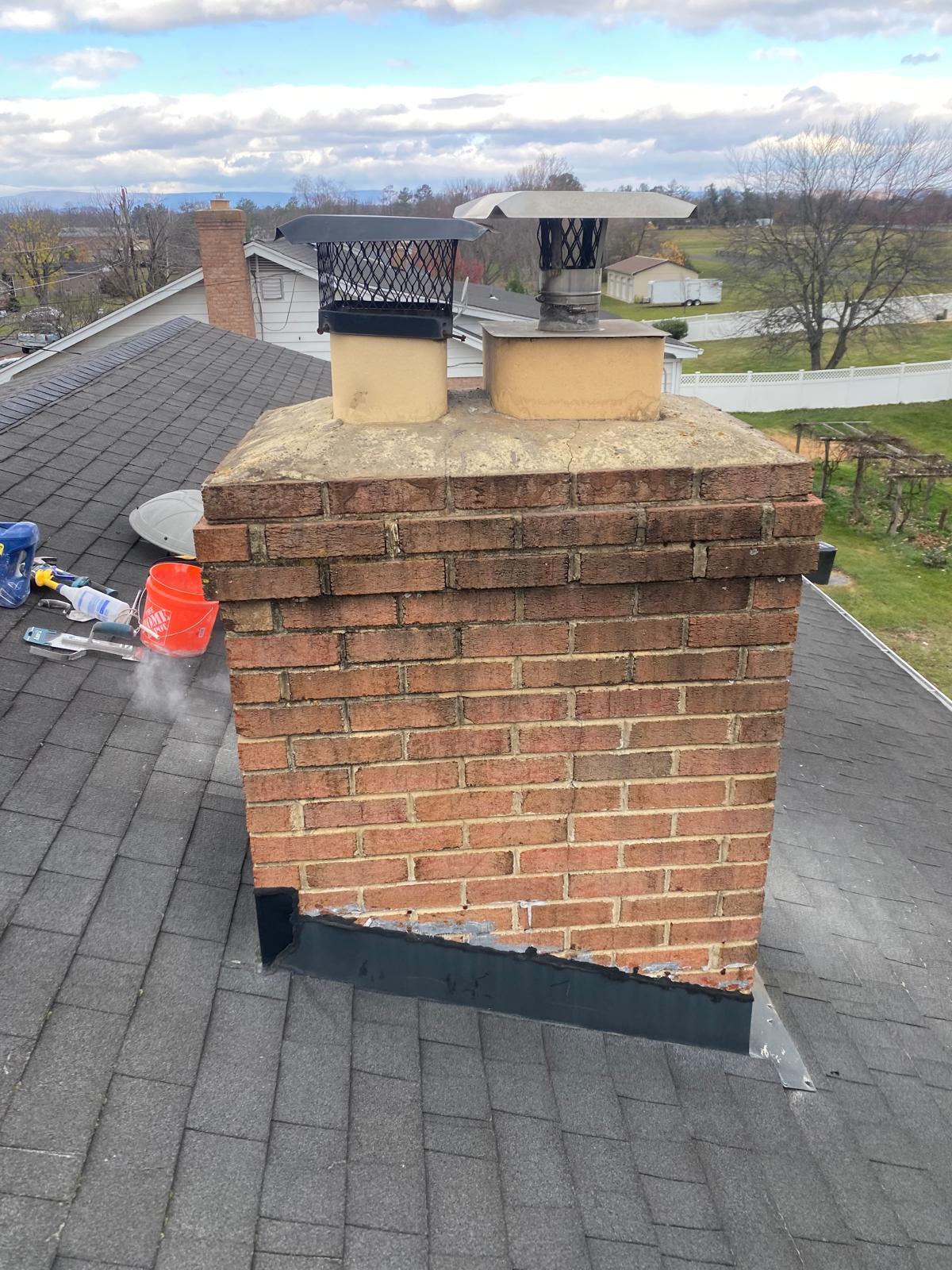
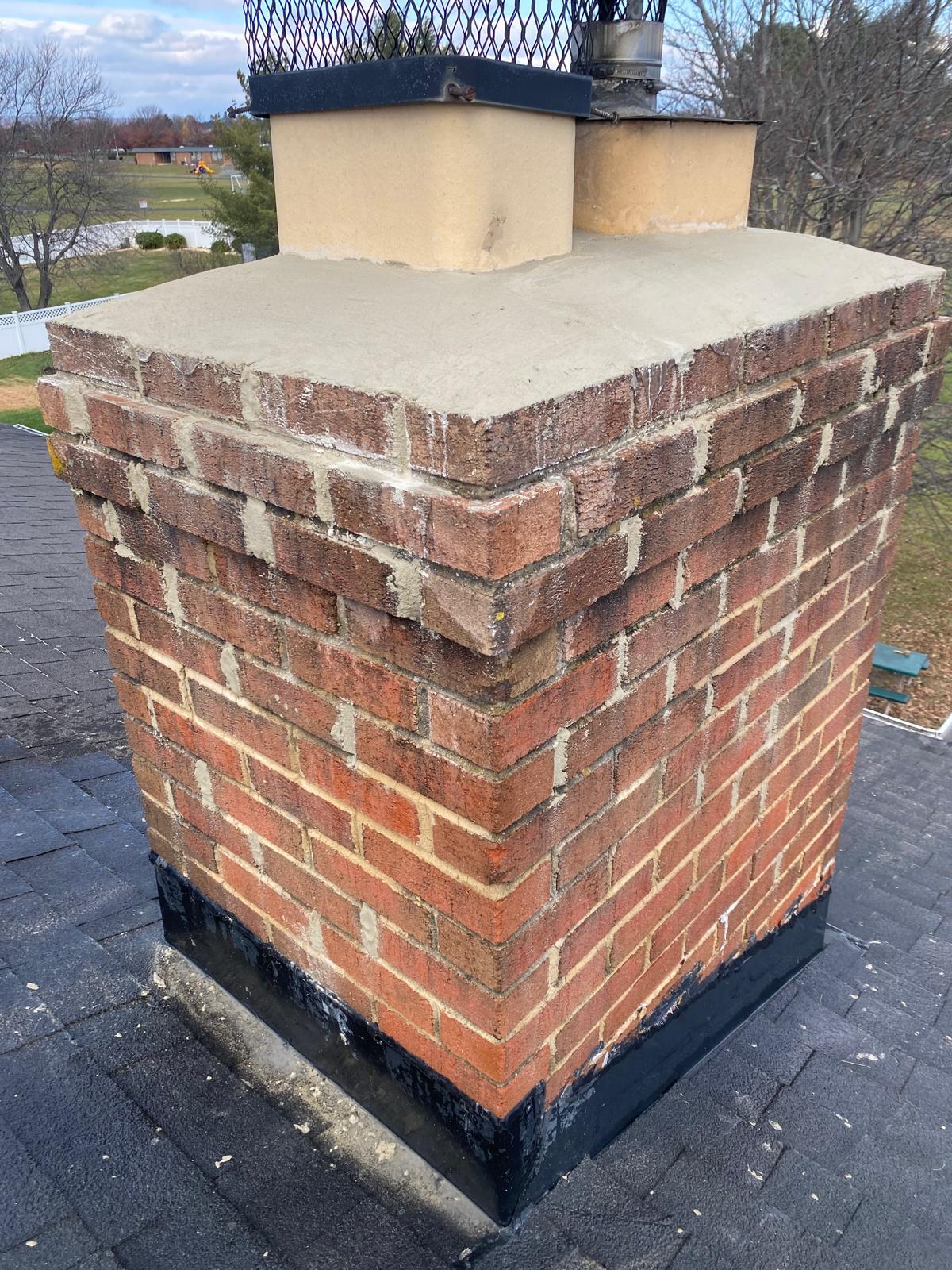
Think of your chimney as a structure, often box-like, extending above your roofline. This structure, known as a chase, typically houses a metal chimney flue or sometimes even multiple flues. At the very top of this chase sits the chase cover – a flat, often metallic cap that extends slightly over the edges, much like the lid on a shoebox. Its primary purpose is simple yet critical: to prevent rain, snow, and moisture from entering the chase structure itself.
Often confused with a chimney cap (which is typically cone-shaped and sits directly on the flue opening to prevent debris and animals from entering the flue pipe), the chase cover protects the entire exterior structure of the chimney. While they work in tandem, their functions are distinct. A failing chase cover can lead to significant structural damage long before a visible problem with the flue or fireplace is apparent indoors.
The Hidden Threats: Why Your Los Angeles Chimney Chase Cover Deserves Attention
Living in Southern California, we might not experience the blizzards of the East Coast, but our climate presents its own unique challenges for chimney chase covers. Constant sun exposure, coastal humidity, and occasional intense rain events combined with strong Santa Ana winds can inflict significant wear and tear.
Protection Against the Elements
The chase cover is your chimney’s first line of defense against the elements. It directs rainwater away from the vulnerable top edges of the chimney chase. Even seemingly minor water seepage over time can lead to saturated internal materials, weakening the entire structure. Our climate in neighborhoods from Pacific Palisades to Pasadena, with its mix of sunshine and occasional downpours, makes robust weather protection non-negotiable.
Preventing Structural Damage
When water penetrates a faulty chase cover, it seeps into the chimney chase, potentially damaging framing, insulation, and interior walls. This moisture can lead to wood rot, mildew growth, and efflorescence (white, powdery deposits) on the chimney’s exterior. In steel or wood-framed chases common in many Los Angeles homes, this can compromise structural integrity, leading to costly and extensive repairs.
Guarding Against Critters and Debris
A well-maintained chase cover acts as a physical barrier against rodents, birds, and other small animals that might try to nest within the warm, sheltered confines of your chimney chase. It also keeps out leaves, branches, and other organic debris that can clog the flue system and contribute to creosote accumulation or block airflow.
Ensuring Proper Ventilation and Draft
While not directly responsible for drafting, a compromised chase cover can indirectly affect chimney performance. Water damage or structural issues within the chase can sometimes impact the integrity of the flue liner itself, leading to potential drafting problems or even contributing to the degradation of components like chimney caps, which directly influence airflow.
Common Problems We See in Los Angeles
Despite their robust appearance, chase covers are susceptible to several issues specific to the LA environment:
Rust and Corrosion
Many older chase covers are made from galvanized steel, which, over time, can rust and corrode. Rust spots don’t just look unsightly; they can weaken the metal, leading to pinholes or larger openings where water can infiltrate. The coastal air in areas like Santa Monica or Venice Beach, combined with occasional rain, accelerates this process.
Improper Installation or Design
Sometimes, the original chase cover was either poorly installed or incorrectly sized. If it doesn’t have a proper drip edge or isn’t securely fastened, it becomes ineffective, directing water inwards instead of away. We occasionally find custom homes in Hollywood Hills with beautiful, but functionally flawed, chimney designs.
Damage from High Winds or Debris
Los Angeles occasionally experiences strong Santa Ana winds. These powerful gusts can dislodge components, cause tree branches to fall, or even warp weaker chase covers, creating gaps for water entry. We’ve seen significant damage after particularly strong wind events.
Wear and Tear
Continuous exposure to the intense California sun, combined with expansion and contraction from temperature fluctuations, can cause metal fatigue over decades. This natural wear and tear can lead to cracking, buckling, or loosening of the chase cover, especially in materials not designed for such prolonged exposure.
The DD Chimney Cleaning Inspection Process: What We Look For
At DD Chimney Cleaning, our annual inspection goes beyond just sweeping your flue. When our certified technicians visit your Los Angeles home, we conduct a thorough, top-to-bottom assessment of your entire chimney system, paying close attention to your chase cover. During a Level 2 inspection, required for any transfer of property or modification, we get up close and personal. We carefully check for:
- Rust and Pitting: Evidence of corrosion on galvanized steel or older covers.
- Secure Fit: Ensuring the cover is properly fastened and sits flush without gaps.
- Drip Edge Integrity: Verifying the edges properly direct water away from the chase.
- Signs of Water Entry: Staining, mold, or deteriorated materials around the top of the chase.
- Ventilation Openings: Confirming proper airflow and animal mesh integrity if present.
Our goal is to identify potential problems early, providing you with peace of mind and preventing expensive repairs down the line. We pride ourselves on offering comprehensive professional chimney cleaning services in Los Angeles that prioritize safety and longevity. For any questions, you can always reach us at (833) 339-6803.
FAQ: Your Top Questions About Chimney Chase Covers
Q1: How often should my chase cover be inspected?
A: Annually. Regular inspections, ideally coinciding with your annual chimney cleaning, allow professionals to spot potential issues early, before they escalate into costly problems. This is particularly true in areas like Los Angeles where varied weather conditions can impact structural elements.
Q2: What materials are chase covers made from?
A: Common materials include galvanized steel (prone to rust), stainless steel (more durable and rust-resistant), and copper (premium, highly durable, and develops an attractive patina over time). Stainless steel is generally recommended for its longevity and resistance to corrosion, offering better value than standard galvanized steel.
Q3: Can I inspect my chase cover myself?
A: While you can visually check for obvious damage from the ground, a thorough and safe inspection requires specialized equipment and expertise. Climbing onto your roof can be dangerous, and only a trained professional can accurately assess the cover’s integrity and underlying issues. We’ve seen homeowners in environments as diverse as Los Angeles and similar issues for homeowners in Dallas, TX who attempt DIY fixes, only to worsen the problem.
Q4: What are the signs of a failing chase cover?
A: Look for rust stains streaking down the side of your chimney chase, visible holes or cracks on the cover, a loose or displaced cover, water stains on your ceiling or walls near the chimney, or unexplained musty odors around your fireplace. These are all signs you need a professional chimney sweep to investigate.
Q5: Is a chase cover the same as a chimney cap?
A: No. A chase cover seals the top of the entire chimney chase structure. A chimney cap, on the other hand, sits directly on top of the flue opening(s) within the chase cover, providing protection against rain, animals, and debris directly entering the flue. Both are crucial but serve different functions.
Q6: What happens if I ignore a damaged chase cover?
A: Ignoring a damaged chase cover leads to water intrusion, which can cause severe and expensive damage