Have you ever wondered why some fires burn beautifully in your Los Angeles fireplace, drawing smoke cleanly up the chimney, while others seem sluggish, smoky, or even push hazardous fumes back into your home? The answer lies in the intricate interplay of forces known as chimney draft dynamics, heavily influenced by your home’s internal air pressure. Understanding these dynamics is crucial for both efficient fireplace performance and, more importantly, your family’s safety.
Positive Draft vs. Negative Pressure: The Fundamentals
At its core, chimney draft is the natural upward movement of hot combustion gases and smoke through the chimney flue, driven by buoyancy. We can compare this ideal scenario against the problematic conditions created by negative air pressure.
Positive Draft: The Ideal Scenario
In a well-designed and maintained chimney system, warm combustion gases, which are less dense than the cooler outside air, naturally rise. This creates a positive pressure difference, pulling fresh air into the firebox to fuel the flames and efficiently expelling smoke and byproducts upwards and out. Think of it as a natural vacuum effect. An optimal draft ensures a vibrant, complete burn, maximizing heat output and minimizing creosote buildup. It’s a sign that your chimney is operating as intended, a common experience in well-maintained homes across LA neighborhoods, from Pacific Palisades to Pasadena, where homeowners value clean, efficient fires.
Negative Pressure: A Recipe for Trouble
Conversely, negative air pressure occurs when the air pressure inside your home drops below the external atmospheric pressure. This imbalance can overpower the chimney’s natural draft, pulling outside air—and potentially smoke—downward into the living space. Instead of a helpful vacuum pulling smoke up, you get an unwelcome reversal, pushing fumes back. This phenomenon is a significant concern for homeowners, leading to smoky fireplaces, incomplete combustion, and a substantial increase in safety risks. According to fire safety experts, impaired draft due to negative pressure can lead to up to a 70% reduction in heat efficiency and a dramatic increase in dangerous creosote accumulation.
Indoor Air Pressure Dynamics: What’s Happening Inside Your LA Home?
Your Los Angeles home is not an isolated box; it’s a dynamic system of air currents and pressures. Modern, energy-efficient homes, often found in areas like Santa Monica or the San Fernando Valley, are built to be relatively airtight, which can paradoxically exacerbate negative pressure issues. Compared to older, draftier homes prevalent in other parts of the country like those served by DD Chimney Cleaning in Dallas, these tighter constructions allow less uncontrolled air infiltration. While great for insulation, this means that mechanical exhaust systems can have a profound impact.
Operating kitchen exhaust fans, clothes dryers, central vacuum systems, and even some powerful bathroom fans simultaneously can rapidly depressurize your home. These appliances draw air out, and if insufficient makeup air is available to enter, the simplest path for replacement air becomes the chimney flue. Instead of outdoor air, these fans pull conditioned indoor air, along with any smoke or combustion byproducts lingering in the fireplace or flue, back into your living space. This problem is particularly noticeable during cooler LA evenings when fireplaces are in use.
External Factors vs. Internal Influences: A Tale of Two Pressures
The chimney draft is a battleground of forces, where external environmental factors constantly compare with internal home conditions.
External Influences: Nature’s Hand
The weather outside your home in Los Angeles, while generally mild, can significantly impact draft. Cold temperatures increase draft strength, as the temperature differential between the hot flue gases and the outside air is greater. However, strong winds, such as the notorious Santa Ana winds or even ocean breezes in coastal areas like Malibu, can create downdrafts or turbulent air currents at the chimney top. These forces can push smoke downwards, making it difficult for your fireplace to draw properly, leading to smoky incursions into your home. Humidity, though less direct, can also subtly affect air density and thus draft.
Internal Influences: Homeowner Control
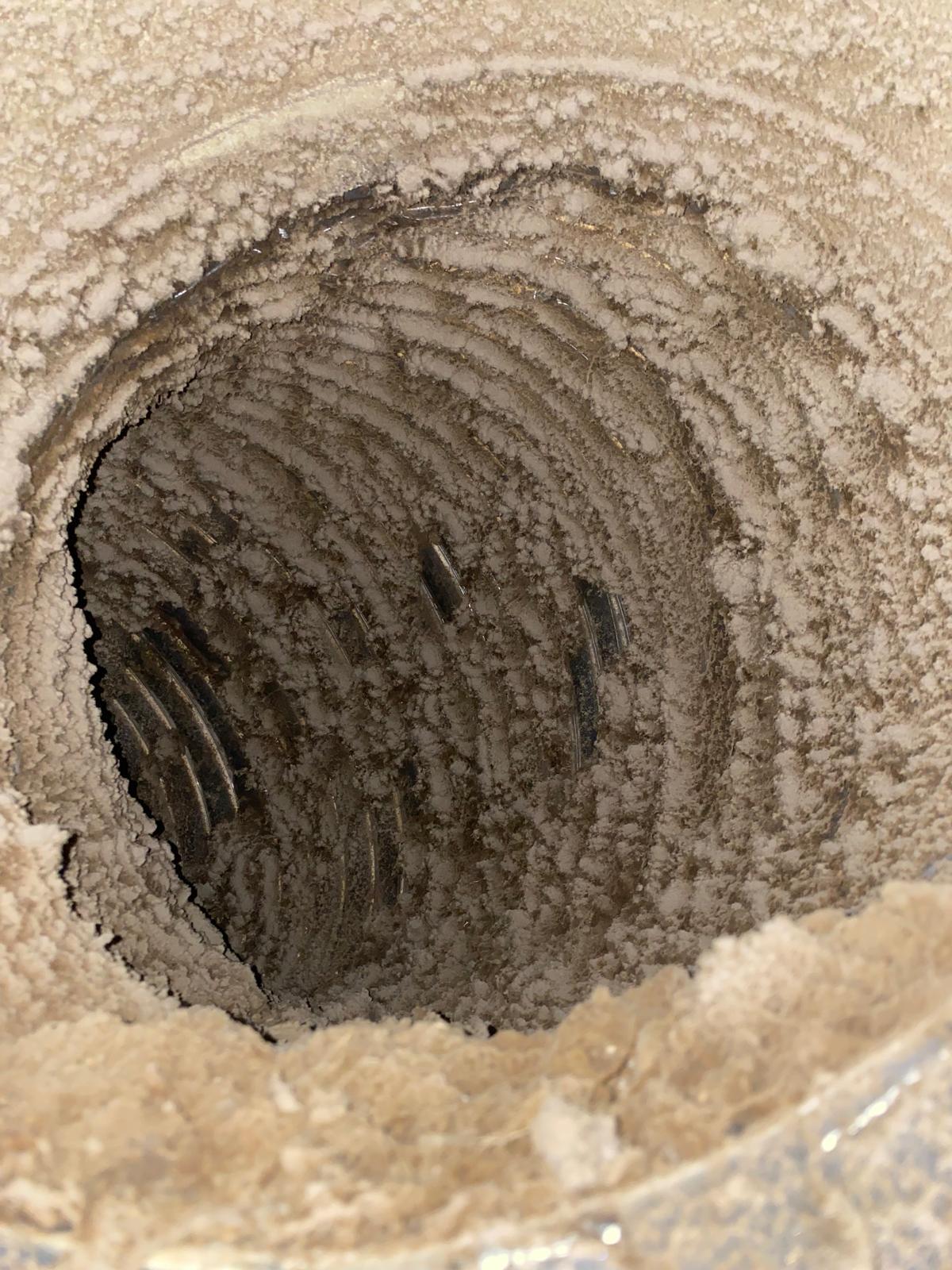
In stark contrast to nature’s unpredictable elements, internal influences are largely within the homeowner’s control. We’re talking about the operation of various appliances and the structural integrity of your chimney system. For instance, a partially open window or door can create unexpected cross-drafts that interfere with the fireplace. Blockages within the flue, such as excessive creosote buildup, bird nests, or debris, directly restrict airflow, transforming a potentially good draft into a choked, inefficient one. It’s a critical comparison: external factors often require reactive measures, while internal issues demand proactive maintenance, like the essential Los Angeles chimney cleaning services that DD Chimney Cleaning provides.
The Impact on Fireplace Performance and Safety: Comparing Outcomes
The state of your chimney’s draft directly dictates both its efficiency and safety profile. We’re comparing two vastly different fireplace experiences.
Performance Comparison: Efficient Burn vs. Sluggish Fires
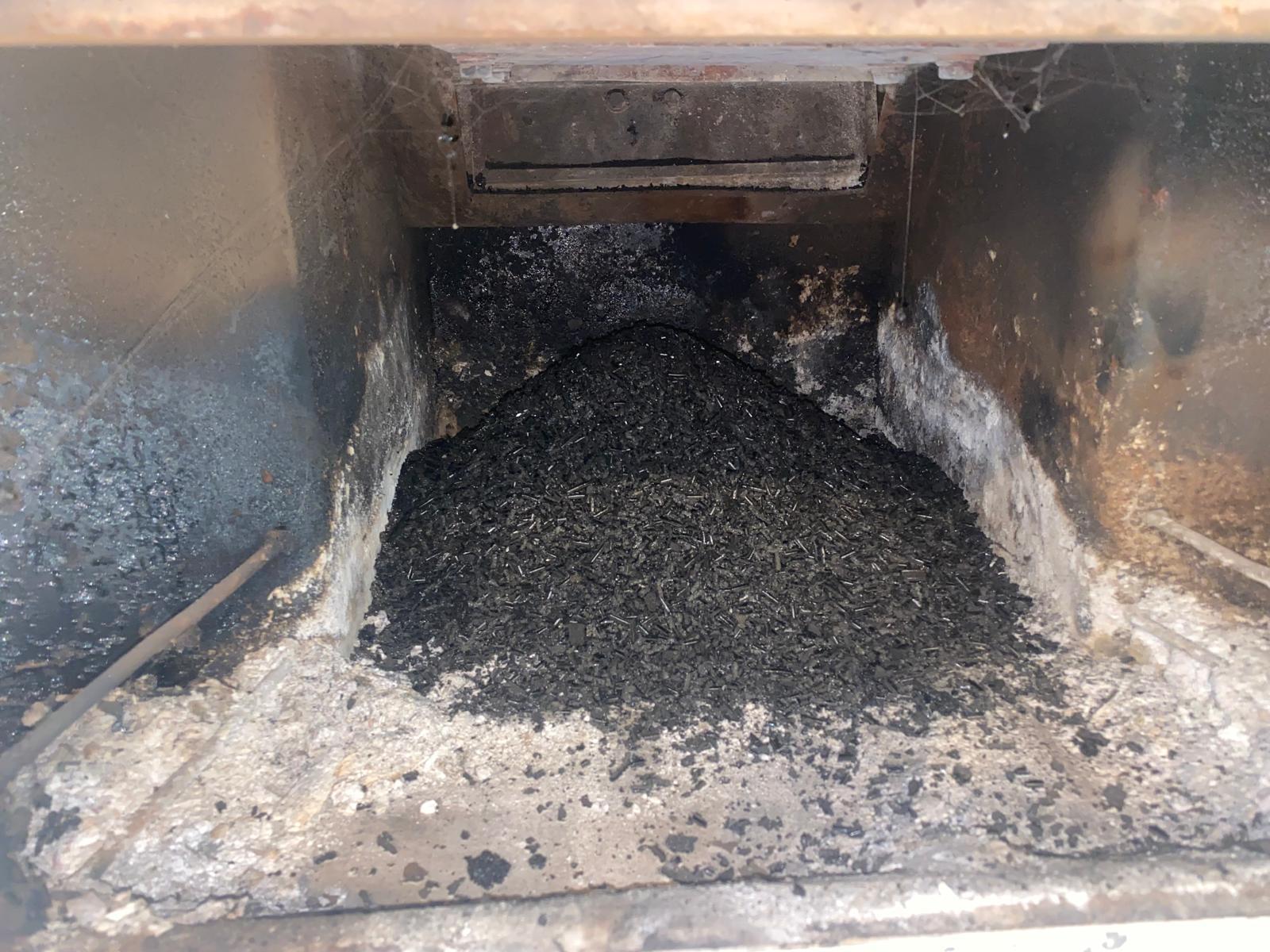
With optimal draft, your fireplace functions like a well-oiled machine. Fires ignite easily, burn cleanly with vibrant flames, and produce maximal heat for your space. The glass doors of your fireplace remain relatively clear, and the tell-tale smell of smoke is contained within the flue. In this scenario, wood combustion is complete, producing minimal creosote and maximizing your fuel’s energy. Conversely, a poor draft results in a sluggish, inefficient burn. Fires are hard to start, tend to smolder rather than blaze, and often leave behind significant unburnt fuel. This leads to substantial heat loss, less comfort, and a dramatic increase in the rate of professional creosote removal needed, due to the incomplete combustion.
Safety Comparison: Clean Exhaust vs. Carbon Monoxide Risk
The safety implications of draft dynamics are paramount. A strong, consistent draft ensures that all hazardous combustion byproducts—including carbon monoxide (CO), soot, and various toxins—are safely evacuated from your home. Carbon monoxide is particularly insidious; being colorless and odorless, it’s known as “the silent killer.” The U.S. Consumer Product Safety Commission (CPSC) reports hundreds of deaths and thousands of emergency room visits annually due to CO poisoning. In contrast, a fireplace operating under negative pressure can backdraft these lethal gases directly into your living space, posing an immediate and severe health risk. Additionally, excessive creosote buildup from poor combustion significantly increases the risk of a dangerous chimney fire, a threat that homeowners in dense urban environments like those served by DD Chimney Cleaning in New York or DD Chimney Cleaning in Chicago, as well as Los Angeles, must take seriously.
Maintaining Optimal Draft: Professional Cleaning vs. DIY Missteps
Achieving and maintaining optimal chimney draft in your Los Angeles home requires a systematic approach. Here, we compare the benefits of professional intervention against the inherent risks and limitations of a DIY mindset.
Professional Expertise: The DD Chimney Cleaning Advantage
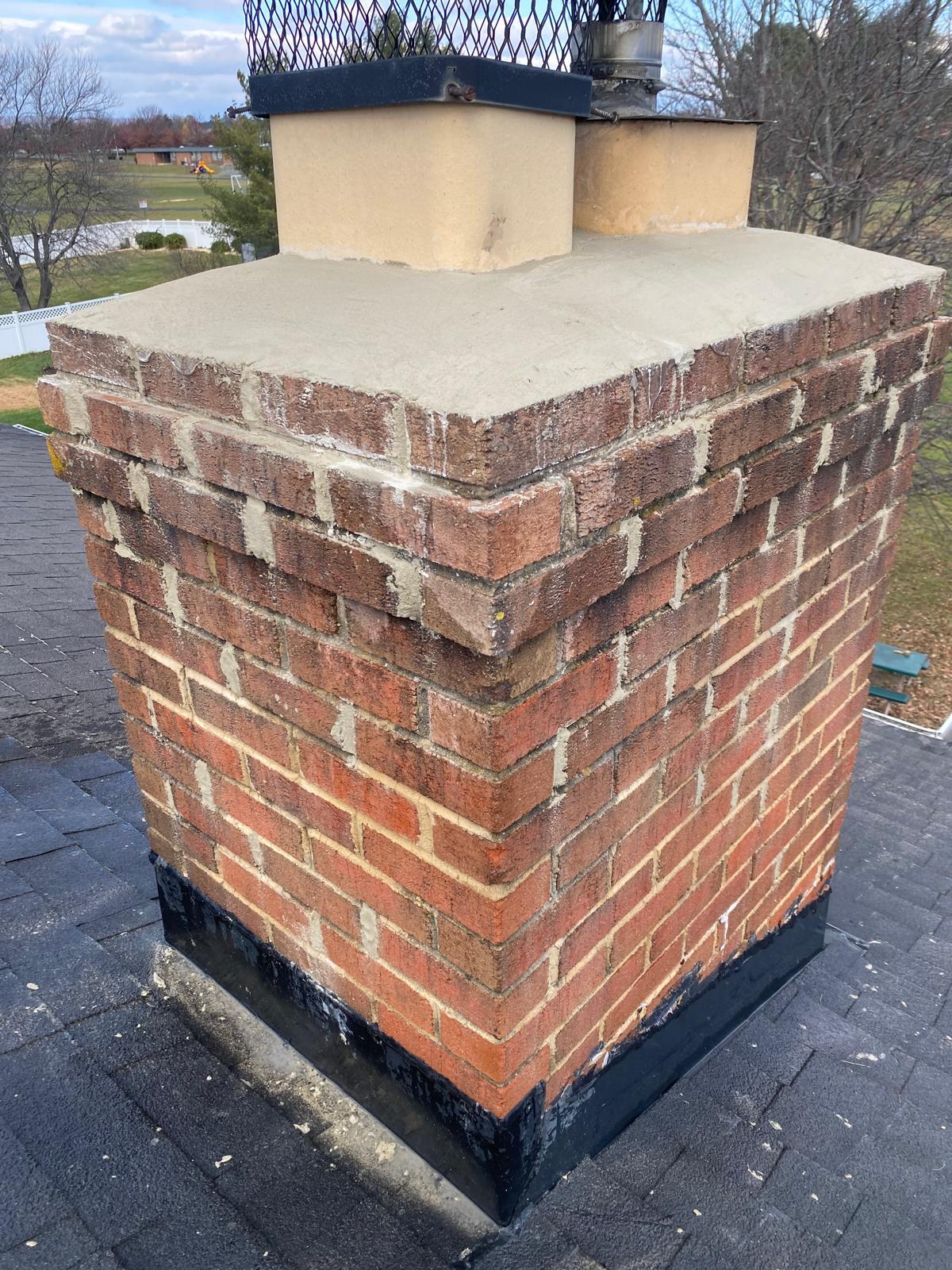
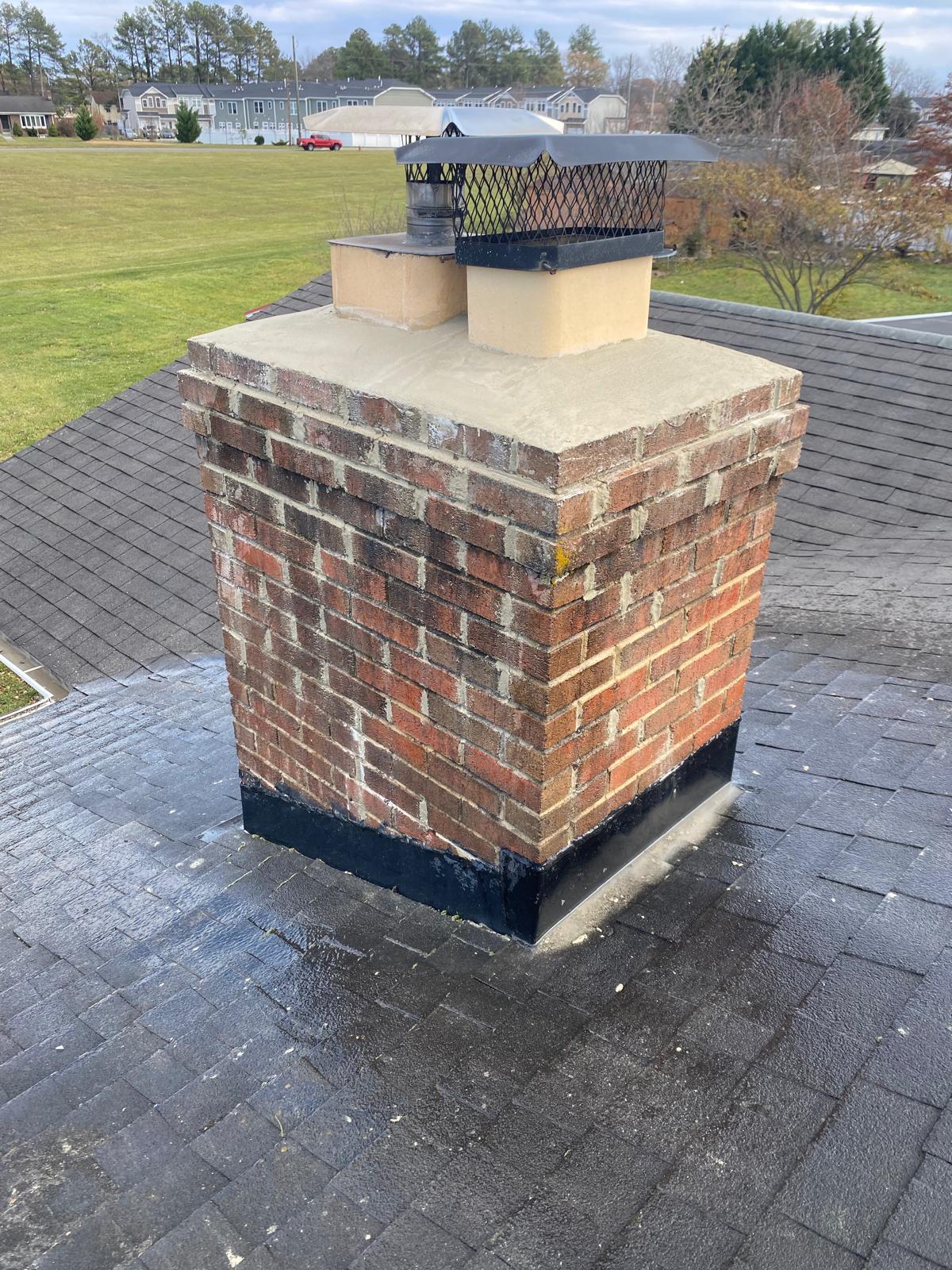
Professional chimney cleaning and comprehensive chimney inspection by DD Chimney Cleaning ensures that your flue is free from obstructions like creosote, soot, animal nests, or debris. Our certified technicians utilize specialized tools and expertise to thoroughly clean your chimney, removing the very elements that choke off proper draft. We also assess the physical integrity of your chimney, identifying any cracks, leaks, or damper issues that could contribute to poor draft or allow smoke infiltration. This proactive approach significantly enhances fireplace performance, reduces fire risk, and extends the lifespan of your chimney system. A clean, unobstructed flue