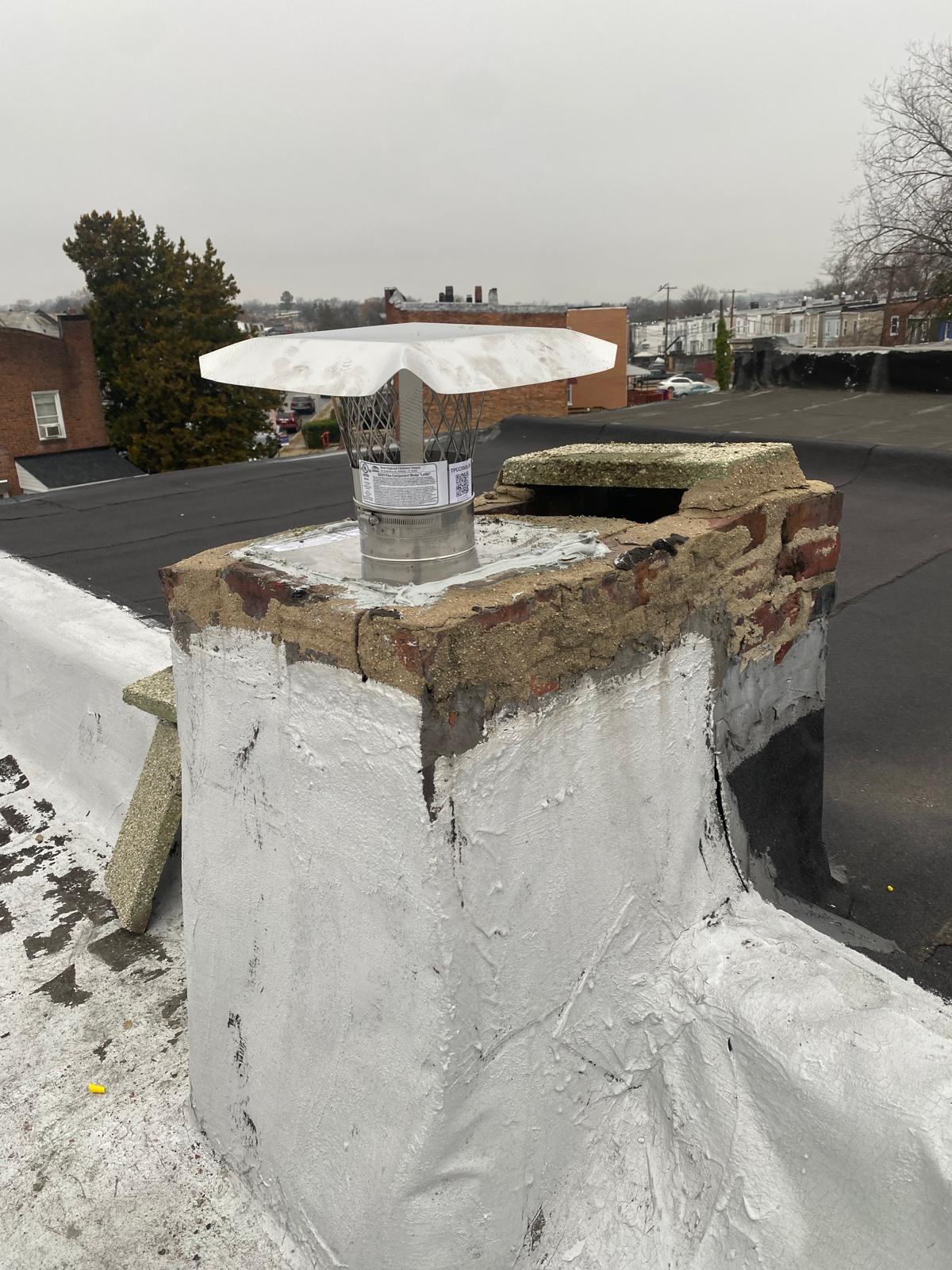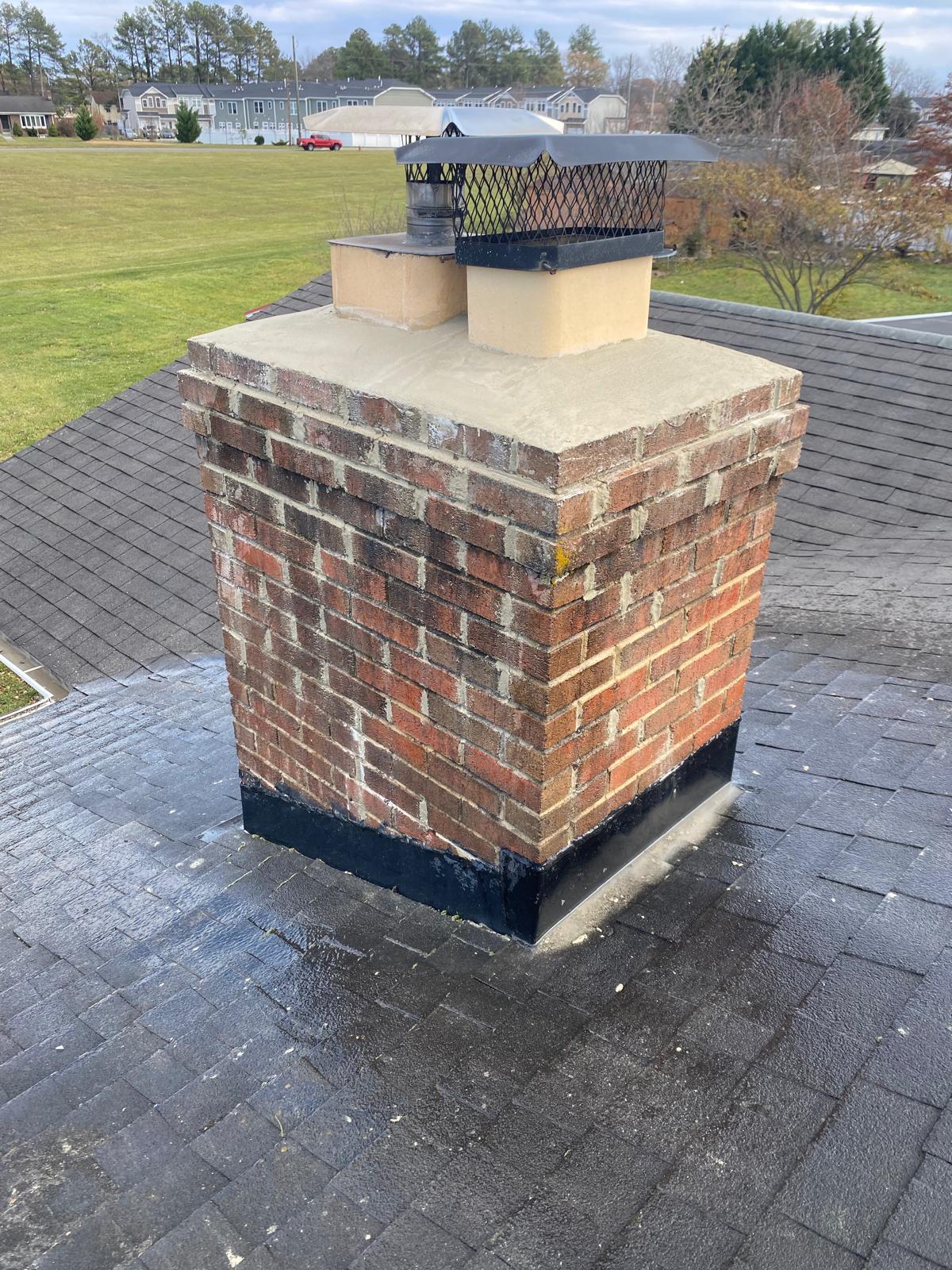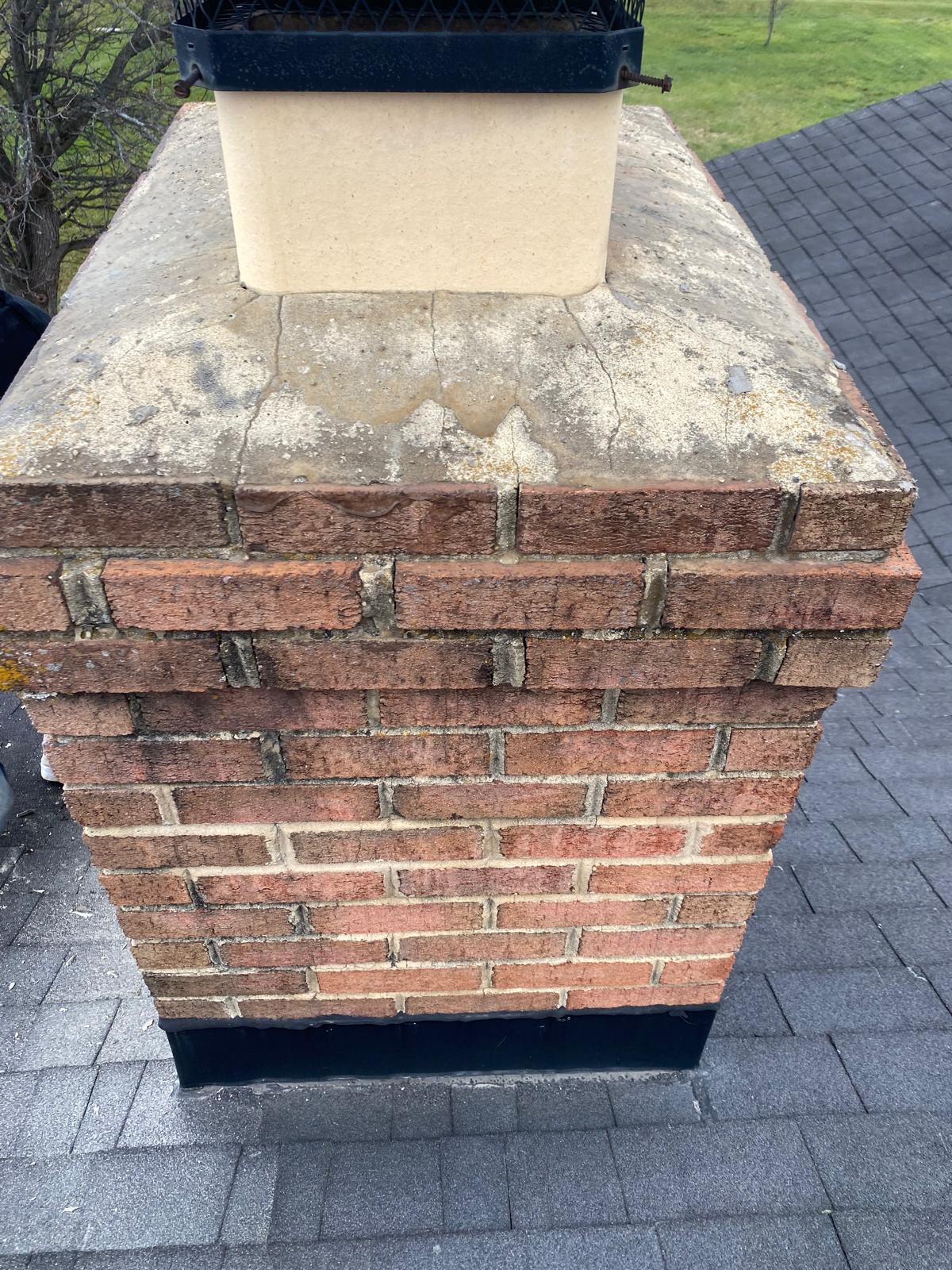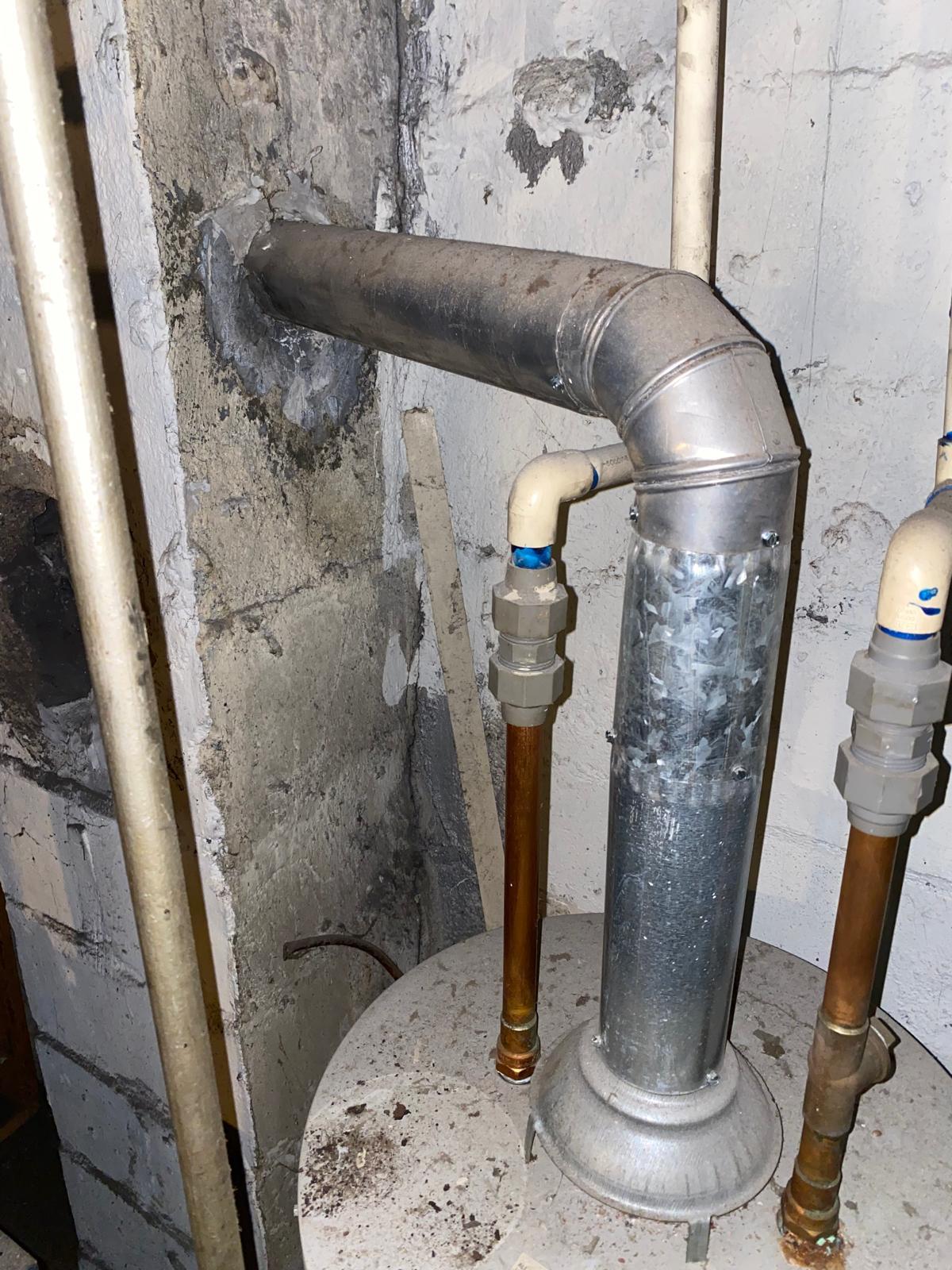
Imagine this: you’re enjoying a crisp evening in your historic Society Hill home, a comforting fire crackling in the hearth. Suddenly, you notice it—a network of unsightly white, powdery stains spreading across your chimney’s exterior brickwork. These aren’t just minor blemishes; they’re the tell-tale signs of efflorescence, an early warning signal of deep-seated moisture intrusion that, if ignored, can escalate into a catastrophic structural nightmare. What starts as a cosmetic nuisance can evolve into crumbling mortar, spalling bricks, and potentially a chimney collapse, threatening not only your home’s integrity but also its safety. The good news? Understanding and addressing efflorescence early can prevent this dire scenario, saving you thousands in preventable repairs.
The Hidden Costs of Neglecting Early Chimney Efflorescence
Efflorescence is more than just an aesthetic issue; it’s a symptom of a larger problem: excessive moisture within your chimney masonry. This crystalline deposit forms when water seeps into porous materials like brick and mortar, dissolves soluble salts present within them, and then evaporates, leaving the salts behind on the surface. For Philadelphia homeowners, particularly those in areas like Chestnut Hill or Fishtown with many century-old brick homes, this is a pervasive concern. The cost of ignoring these white stains can rapidly compound, far exceeding the investment in early detection and remediation. Studies suggest that untreated moisture damage can devalue a property by 5-10% and significantly shorten the lifespan of masonry components by decades.
Understanding Efflorescence: The Science Behind the Stains
The “why” behind efflorescence is rooted in simple chemistry and physics. Bricks and mortar inherently contain various salts. When rain, condensation, or plumbing leaks saturate the masonry, these salts dissolve. As the sun or wind dries the chimney’s surface, the salt-laden water migrates outwards. Upon evaporation, the water vanishes, but the salts crystalize, forming the white, powdery, or sometimes crusty residue. A common myth is that efflorescence itself is damaging. While harmless in its initial powdered state, its presence unequivocally indicates chronic moisture exposure—the true culprit behind long-term structural degradation. The consistent freeze-thaw cycles common in Philadelphia winters can exacerbate this by expanding ice within water-saturated bricks, leading to spalling and accelerated deterioration.
The Investment in Proactive Chimney Health: Early Detection & Assessment
The most cost-effective approach to efflorescence is vigilance. A professional chimney inspection, particularly by experts like DD Chimney Cleaning, can identify early signs of efflorescence and, more importantly, pinpoint the source of moisture intrusion. A Level 2 inspection, recommended after any event that might have caused damage or before buying/selling a home, offers an in-depth look inside the flue and structure. Expect inspection costs to range from $150 to $500, depending on the chimney’s complexity and accessibility. This upfront investment is minimal compared to the thousands needed for extensive masonry repairs later on. Prompt action can save homeowners thousands by averting major structural damage and costly rebuilding, something we emphasize for our clients, whether they’re in DD Chimney Cleaning in Philadelphia or across the country in DD Chimney Cleaning in Houston.
The Philadelphia Climate Factor: Why Our Homes Are Vulnerable
Philadelphia’s climate, characterized by humid summers, heavy rainfall, and harsh winters with frequent freeze-thaw cycles, creates an ideal environment for efflorescence to thrive. Historic homes, often built with softer bricks and lime mortars, are particularly susceptible to water absorption and damage. Many homes in neighborhoods like Queen Village or Germantown feature exposed brick chimneys, making them prime candidates for efflorescence if not properly maintained. The constant stress from weather fluctuations can compromise chimney caps, crowns, and flashing, creating pathways for water to infiltrate the masonry. Understanding these local climatic challenges is crucial for effective prevention.
Cost of Mitigation and Remediation: Addressing Efflorescence
Once identified, efflorescence needs both surface cleaning and source remediation. Surface cleaning typically involves brushing and a specialized acidic cleaner, costing $100-$300. However, this is merely cosmetic. The real cost lies in addressing the underlying moisture. This can include chimney crown repair ($300-$1,000), flashing repair or replacement ($200-$1,500), masonry repair like repointing ($5-$25 per brick or $1,000-$4,000+ for a section), or installing a chimney cap ($150-$500). If the issue stems from a leaky liner or structural cracks, the repairs can quickly escalate. For expert advice and services to prevent recurrence, reach out to DD Chimney Cleaning at (833) 339-6803.
Beyond Aesthetics: The Structural Impact and Repair Expenses
Persistent moisture intrusion, signified by efflorescence, slowly degrades mortar joints and damages bricks. As mortar weakens, the chimney’s structural integrity is compromised, leading to shifting flues, fire hazards, and potential collapse. Such severe damage can necessitate partial or full chimney rebuilding, a major renovation that can range from $5,000 to over $15,000 depending on height, brick type, and accessibility. This staggering cost underscores the immense value of early intervention and regular maintenance. Even seemingly minor cracks can allow substantial water infiltration, demonstrating why homeowners in Philadelphia, or even in areas served by DD Chimney Cleaning in Dallas, need to be proactive.
The Value of Preventative Maintenance: Long-term Savings
The smartest financial decision for any homeowner is to invest in preventative chimney maintenance. Regular chimney cleaning (typically $150-$300 annually) not only removes creosote buildup, preventing chimney fires, but also allows for routine visual inspections of the chimney’s exterior for early signs of trouble. Applying a quality waterproofing sealant every 5-10 years can also be a wise investment ($200-$600), protecting the masonry from water absorption while still allowing it to breathe. Think of it as an insurance policy for your chimney, significantly extending its lifespan and averting costly emergency repairs.
FAQ About Chimney Efflorescence
- Q: Is all white staining on my chimney efflorescence?
A: Not always. While efflorescence is a common cause, other white stains could be salt leaching from mortar (calcium carbonate deposits), mineral deposits from roof runoff, or even fungal growth. A professional inspection can accurately diagnose the issue. - Q: How quickly can efflorescence appear?
A: Efflorescence can appear relatively quickly after heavy rainfall or sustained periods of moisture, often within days or weeks. However, recurrent efflorescence points to a persistent moisture problem that needs attention. - Q: Can I remove efflorescence myself?
A: For minor, powdery efflorescence, light brushing with a stiff brush and water may work. For persistent or heavy deposits, using a specialized masonry cleaner (often an acid-based solution) is necessary. Always follow product instructions and wear protective gear. However, DIY cleaning doesn’t address the underlying moisture source. - Q: What are the most common sources of moisture causing efflorescence?
A: The usual culprits include damaged chimney crowns, cracked or missing mortar joints, faulty flashing, improper chimney caps, leaks from the roof, or even condensation within the flue itself. - Q: Does DD Chimney Cleaning handle efflorescence remediation?
A: DD Chimney Cleaning focuses on comprehensive chimney cleaning and inspections. While we excel at identifying the sources of moisture and can recommend necessary repairs, our primary service is ensuring your chimney is clean and safely operational, which is foundational to preventing many chimney issues, including those leading to efflorescence. - Q: Can efflorescence impact indoor air quality?
A: Directly, efflorescence itself doesn’t typically impact indoor air quality. However, the excessive moisture that causes it can lead to mold and mildew growth inside the chimney or within the home’s structure, which can certainly affect air quality and pose health risks.
Don’t let unsightly stains or the hidden threat of moisture damage compromise your home or safety. While this detailed guide on understanding chimney efflorescence in Philadelphia homes offers valuable insights, the most crucial step is to seek professional guidance. For top-tier chimney cleaning and expert insights into maintaining your chimney’s health, trust DD Chimney Cleaning. Safeguard your Los Angeles home against preventable damage by scheduling a comprehensive inspection today. Call us at (833) 339-6803 to protect your investment and ensure your chimney operates safely and efficiently for years to come.