The Los Angeles weather can be a beautiful paradox. We cherish our sunshine, but when those rare, heavy rain showers roll in – especially after a long, dry spell – they can truly test the integrity of our homes. For many Angelenos, the chimney, often overlooked until cooler evenings beckon, becomes a vulnerable point. Nothing is quite as unsettling as discovering water stains spreading across your ceiling or within your fireplace. If you’re experiencing this anxiety, please know you’re not alone. Understanding chimney leaks is the first step to protecting your home.
The Hidden Threat: Why Chimney Leaks Matter in Los Angeles
Unlike regions with consistent rainfall, Los Angeles’s episodic heavy downpours can expose chimney vulnerabilities quickly. Dry, porous masonry, after baking in the sun for months, can quickly absorb water, leading to rapid deterioration. What might seem like a minor drip can swiftly escalate, causing significant structural damage, fostering mold growth, and compromising indoor air quality. In the Hollywood Hills or a cozy Santa Monica bungalow, a leaking chimney isn’t just an inconvenience; it’s a threat to your property value and your family’s health. Experts estimate that water penetration is a leading cause of chimney damage, accounting for up to 80% of issues that require extensive repairs if left unaddressed.
Early Warning Signs: How to Spot a Chimney Leak
Catching a chimney leak early can save you thousands in repairs. Pay close attention to these indicators:
Visible Water Stains
- Ceiling and Walls: Look for discolored patches or streaks on your ceiling or walls near the chimney chase. These can range from light yellow to dark brown.
- Firebox: Inspect the inside of your firebox. Rust on the damper, grates, or even standing water indicates a direct water entry point.
Odors and Dampness
A persistent musty or earthy smell emanating from your fireplace or chimney area, especially after rain, signals moisture problems. You might also notice the air feeling damp even when the house is dry.
Damaged Masonry or Mortar
Outward signs of decay include crumbling mortar joints, efflorescence (white, powdery deposits on brick), or spalling (flaking/peeling brick surfaces). These suggest water is getting in and freezing/thawing, breaking down the materials. A thorough visual check, perhaps with binoculars, can reveal these external issues.
Rust in the Firebox or Damper
Any rust on metal components within your fireplace or flue is a definitive sign of regular water exposure. This can severely weaken the damper, making it difficult to open or close, and eventually leading to costly replacement.
Common Causes of Chimney Leaks
Understanding the root cause is crucial for effective prevention:
Damaged Chimney Cap or Crown
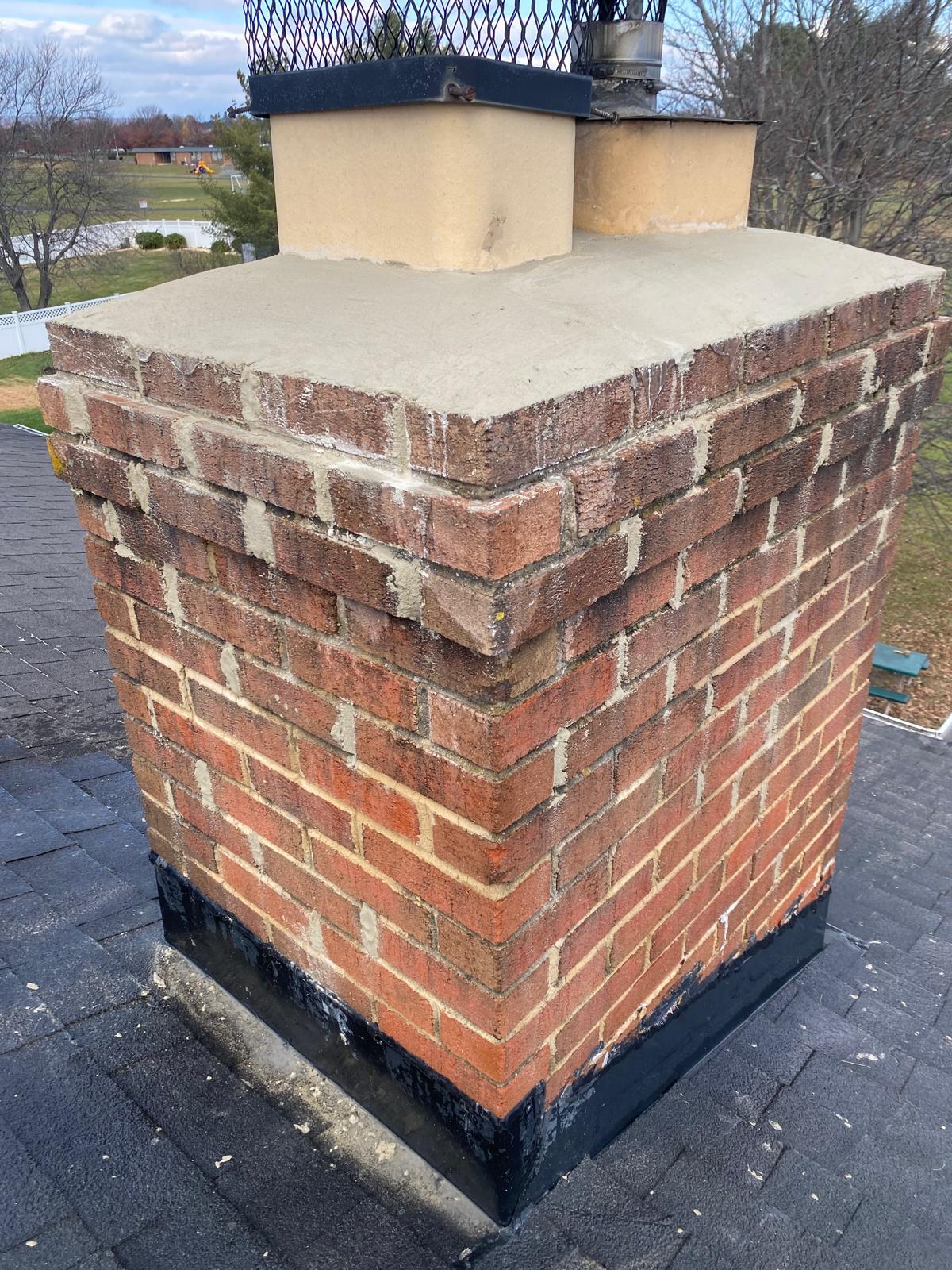
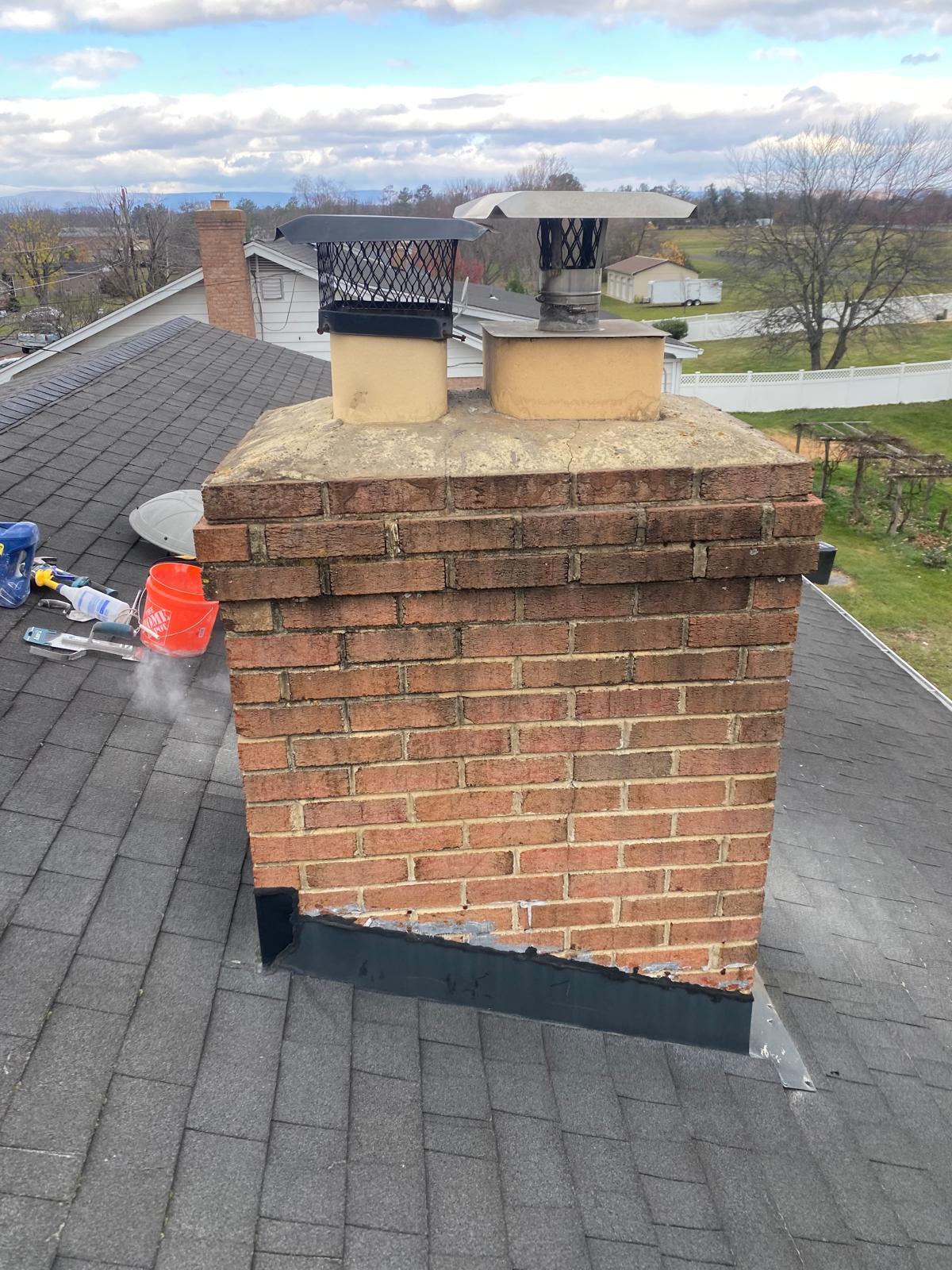
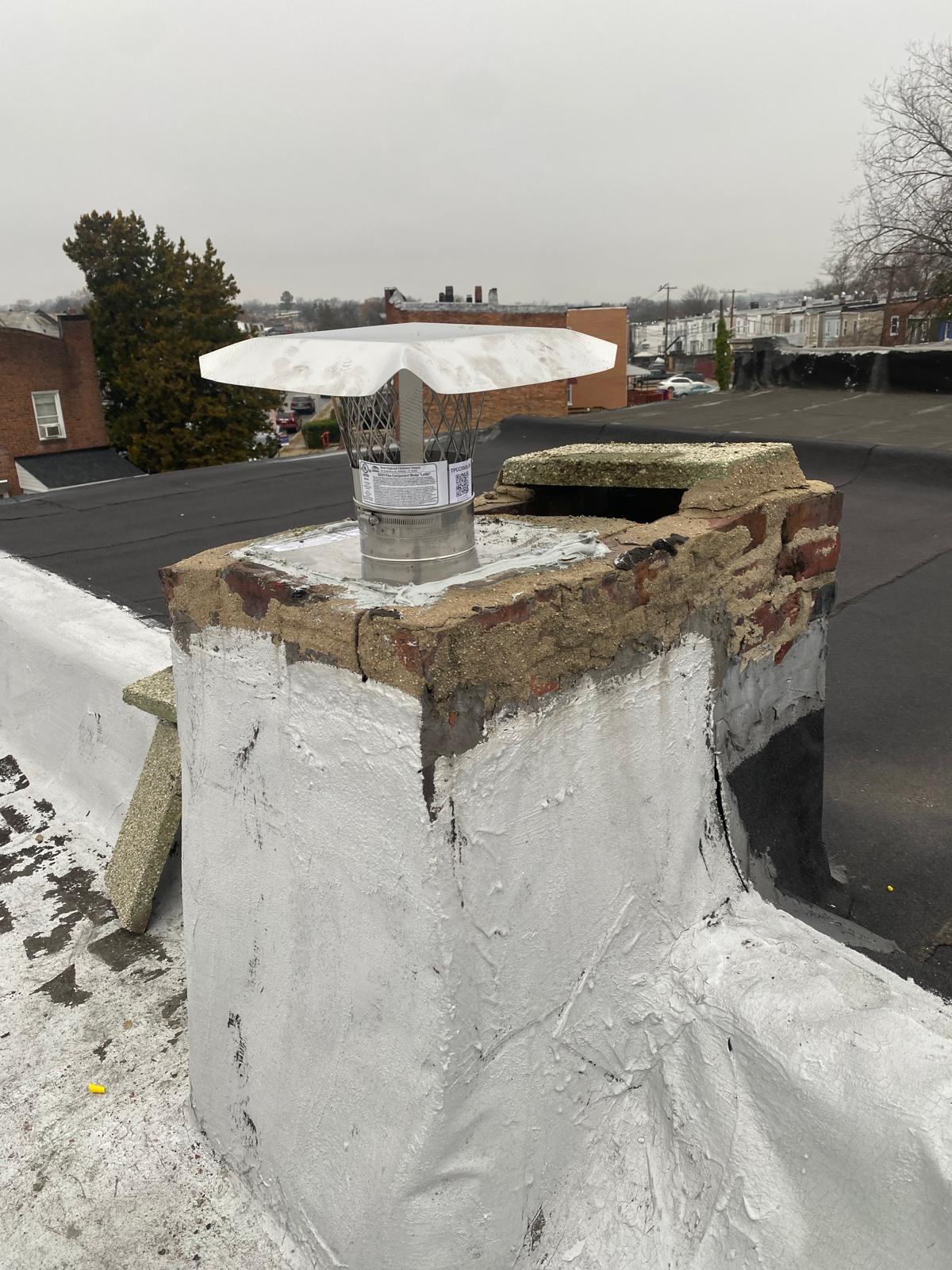
The chimney cap, a protective cover at the very top, prevents rain, debris, and animals from entering the flue. A damaged, missing, or improperly sized cap is a frequent culprit. Similarly, the chimney crown, the concrete slab on top of the chimney chase, deflects water away from the masonry. Cracks in the crown allow water to seep into the chimney structure.
Compromised Flashing
Flashing is the metal seal where your chimney meets your roof. This area is highly susceptible to wear and tear due to expansion and contraction, Los Angeles’s occasional winds, or improper installation. If the flashing is rusted, bent, or has detached from the chimney or roof, water will find its way directly into your home. A professional chimney cleaning by DD Chimney Cleaning often includes a visual inspection of this crucial juncture.
Cracked Flue Liners
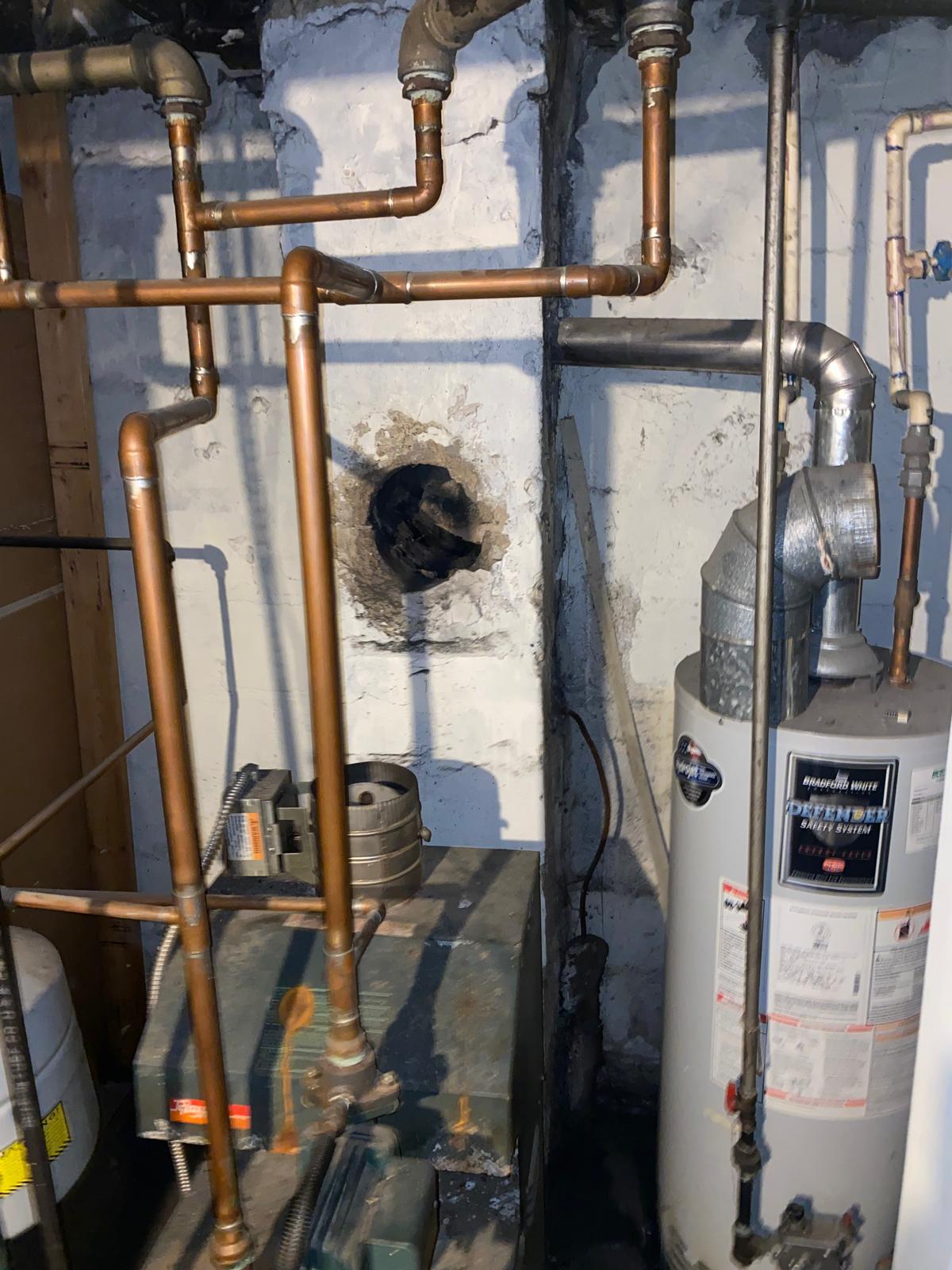
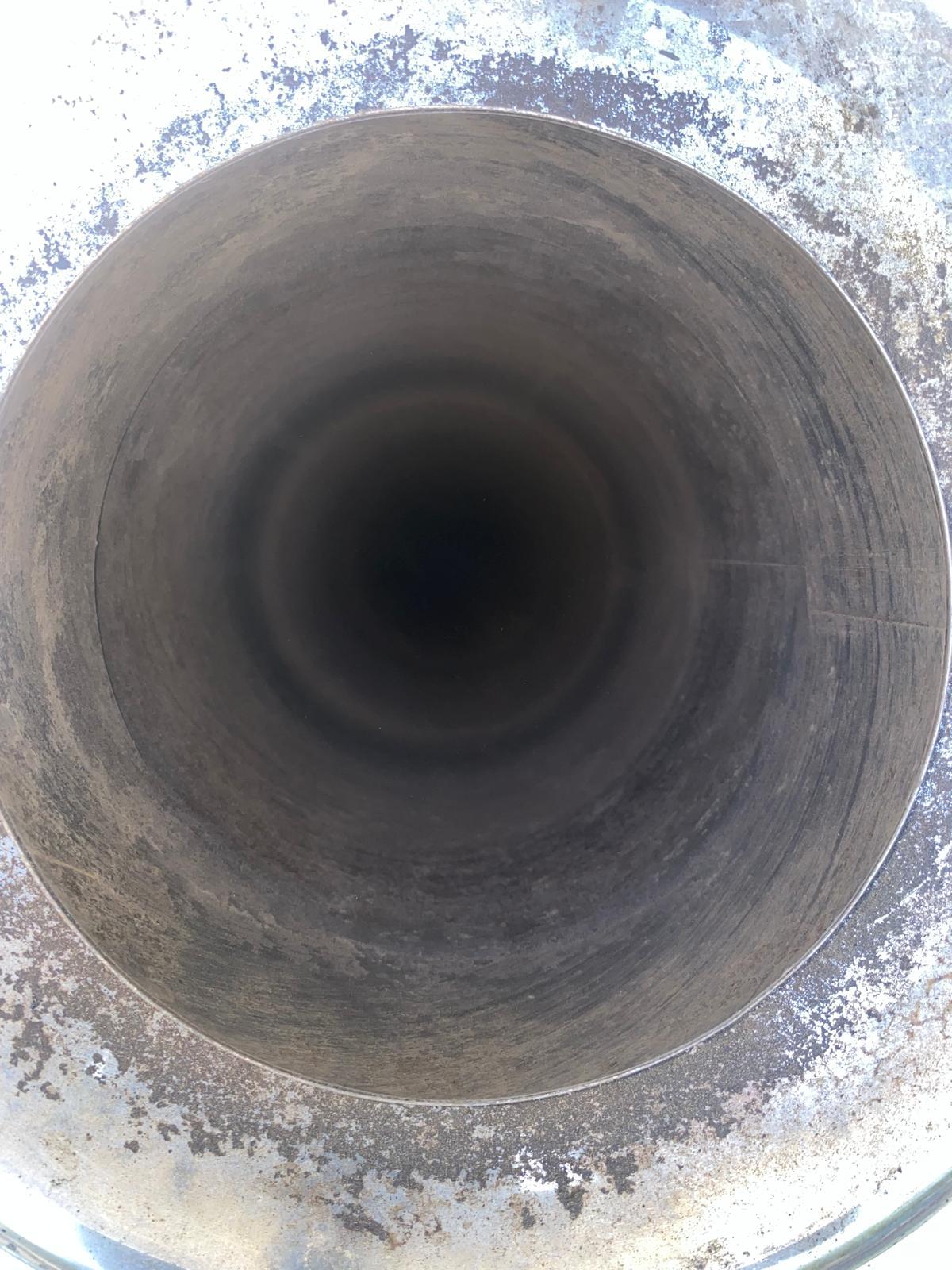
The flue liner, typically ceramic tile or metal, protects your chimney walls from heat and corrosive byproducts. Cracks can not only allow water to penetrate but also create significant fire hazards. While DD Chimney Cleaning focuses on professional flue cleaning, our inspections can often detect these issues. Similarly, homeowners in DD Chimney Cleaning in New York understand the value of a clear, dry flue.
Porous Masonry
Over time, especially with exposure to the elements, bricks and mortar can become porous, allowing water to saturate the chimney structure. This is particularly problematic in Los Angeles where materials can become very dry and then suddenly absorb large amounts of water during a storm, accelerating deterioration.
Proactive Prevention: Safeguarding Your Chimney
Prevention is always better than cure, especially when it comes to water damage. Here’s how to stay ahead of chimney leaks:
Regular Chimney Inspections
The single most effective preventive measure is an annual professional inspection. DD Chimney Cleaning recommends scheduling this before the rainy season begins. A certified technician can identify minor issues – like hairline cracks in the crown or failing flashing –