Understanding Your Chimney’s Mortar: Preventing Deterioration and Costly Repairs in Los Angeles
For centuries, the hearth has been the soul of the home, providing warmth and a focal point for families. From the earliest stone structures to the intricate brickwork chimneys seen across Los Angeles today, mortar has been the silent, steadfast binder holding it all together. This humble mixture of cement, sand, and water is often overlooked, yet it’s the crucial element that ensures your chimney’s structural integrity and, more importantly, your family’s safety. But like all things exposed to time and the elements, chimney mortar faces inevitable deterioration, a process that can escalate quickly into hazardous conditions and expensive repairs if not addressed with urgency.
The Unsung Hero: What is Chimney Mortar and Why It’s Critical
Chimney mortar isn’t just glue; it’s an engineered component designed to withstand extreme temperatures, corrosive byproducts, and the relentless forces of nature. Its integrity is non-negotiable for a functioning, safe chimney system. Without sound mortar, your chimney becomes a ticking time bomb.
- Structural Stability: Mortar joints bear the weight of your entire chimney, connecting each brick or stone to form a robust vertical structure. Weak mortar can lead to leaning, cracking, or even total collapse.
- Flue Liner Protection: It seals the gaps between the flue tiles, preventing dangerous combustion byproducts like carbon monoxide from leaking into your home.
- Moisture Barrier: Healthy mortar prevents water intrusion, which is devastating to both the chimney structure and interior home components.
- Thermal Shield: It helps contain the intense heat within the flue, protecting surrounding combustible materials in your home from fire hazards.
Why Los Angeles Chimneys Are Uniquely Vulnerable: Act Now!
While chimneys everywhere are susceptible to deterioration, those in Los Angeles face a unique combination of environmental stressors that demand immediate attention. Our climate and seismic activity accelerate the breakdown of mortar, making timely intervention not just prudent, but essential.
- Seismic Activity: Even minor tremors, common across the L.A. basin from Santa Monica to Pasadena, exert immense stress on rigid masonry, causing microscopic cracks in mortar that expand over time.
- Dry Heat & Temperature Fluctuations: Los Angeles’ prolonged dry, hot spells followed by cooler nights or rare rainy periods lead to cycles of expansion and contraction, weakening mortar joints. This is particularly noticeable in sun-exposed chimneys.
- Ocean Influence: For coastal communities like Malibu, Santa Monica, and Palos Verdes, salt-laden air can accelerate the chemical breakdown of mortar.
- Pollutants & Smog: Air pollutants can contribute to acid rain formation, subtly eroding mortar surfaces over decades, especially prevalent in densely populated areas of the San Fernando Valley.
Given these specific local challenges, neglecting your chimney’s mortar isn’t an option. DD Chimney Cleaning emphasizes that routine comprehensive chimney cleaning in Los Angeles includes a vital inspection of this critical component.
Identifying Mortar Deterioration: Urgent Warning Signs You Can’t Ignore
Recognizing the signs of failing mortar early can save you thousands in repairs and, critically, protect your home from fire or carbon monoxide leaks. Don’t wait for visible structural failure; a swift professional chimney inspection can uncover hidden dangers.
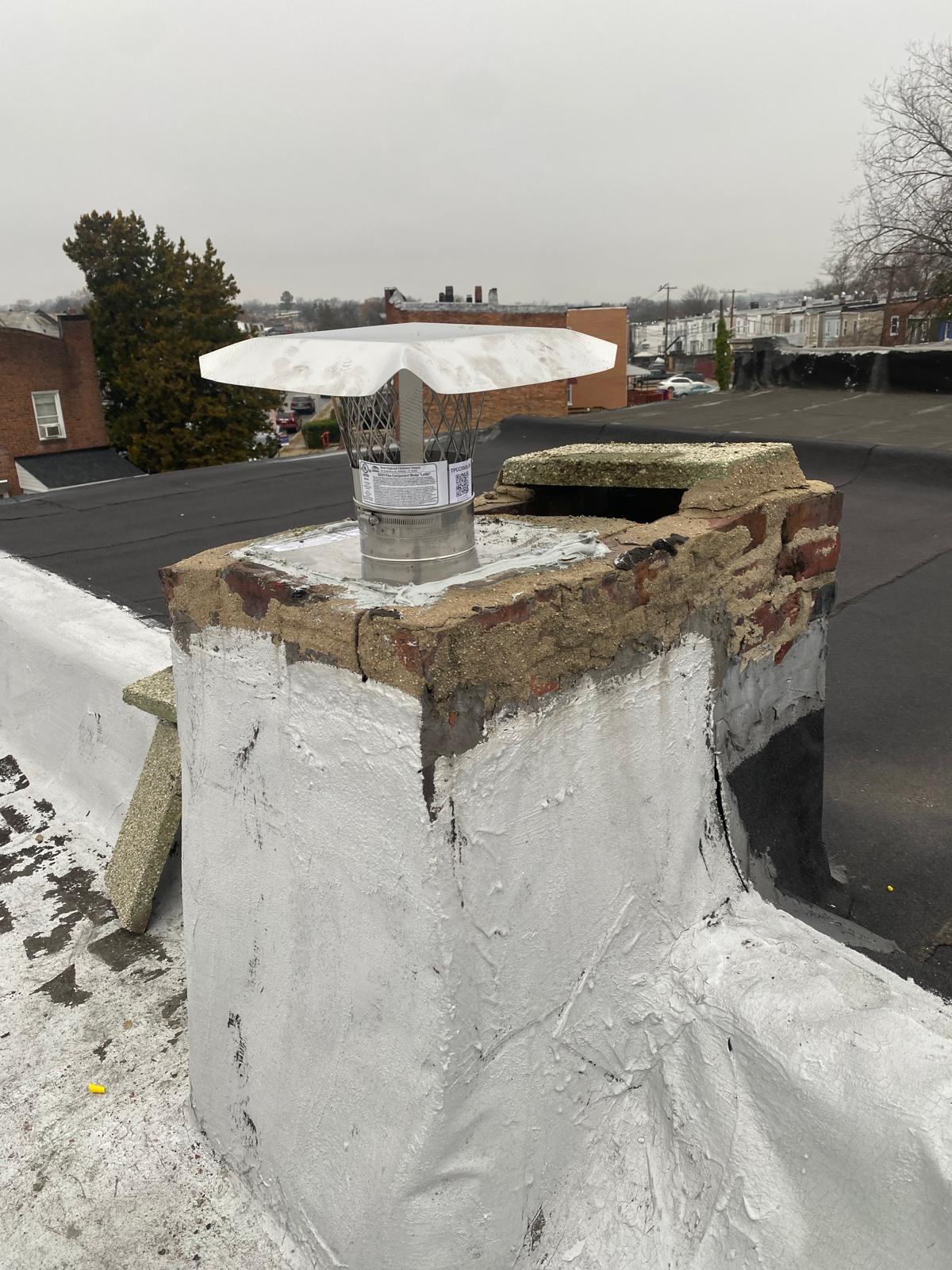
- Cracked or Missing Mortar Joints: This is the most obvious sign. Look for vertical or horizontal cracks, or sections where mortar has completely fallen out, especially near the top of the chimney.
- Spalling Bricks: If bricks themselves are flaking, crumbling, or popping out, it often indicates severe water damage due to failed mortar allowing moisture in.
- White Stains (Efflorescence): While not always dangerous, efflorescence (a powdery white deposit) can indicate moisture migrating through masonry, often a precursor to mortar failure.
- Loose Bricks: A brick that can be wiggled by hand signals significant mortar failure, a critical structural weakness.
- Chimney Leaks: Water stains on ceilings or walls near your fireplace are often direct evidence of mortar deterioration allowing water ingress. This demands immediate attention.
If you notice any of these indicators, contact DD Chimney Cleaning immediately. Delay can lead to extensive damage and exponentially higher repair costs.
The Critical Role of Professional Chimney Cleaning in Mortar Preservation
Many homeowners associate chimney cleaning solely with creosote removal, but it’s much more. A professional cleaning from DD Chimney Cleaning includes a thorough inspection of the entire system, especially the mortar, safeguarding against accelerated deterioration.
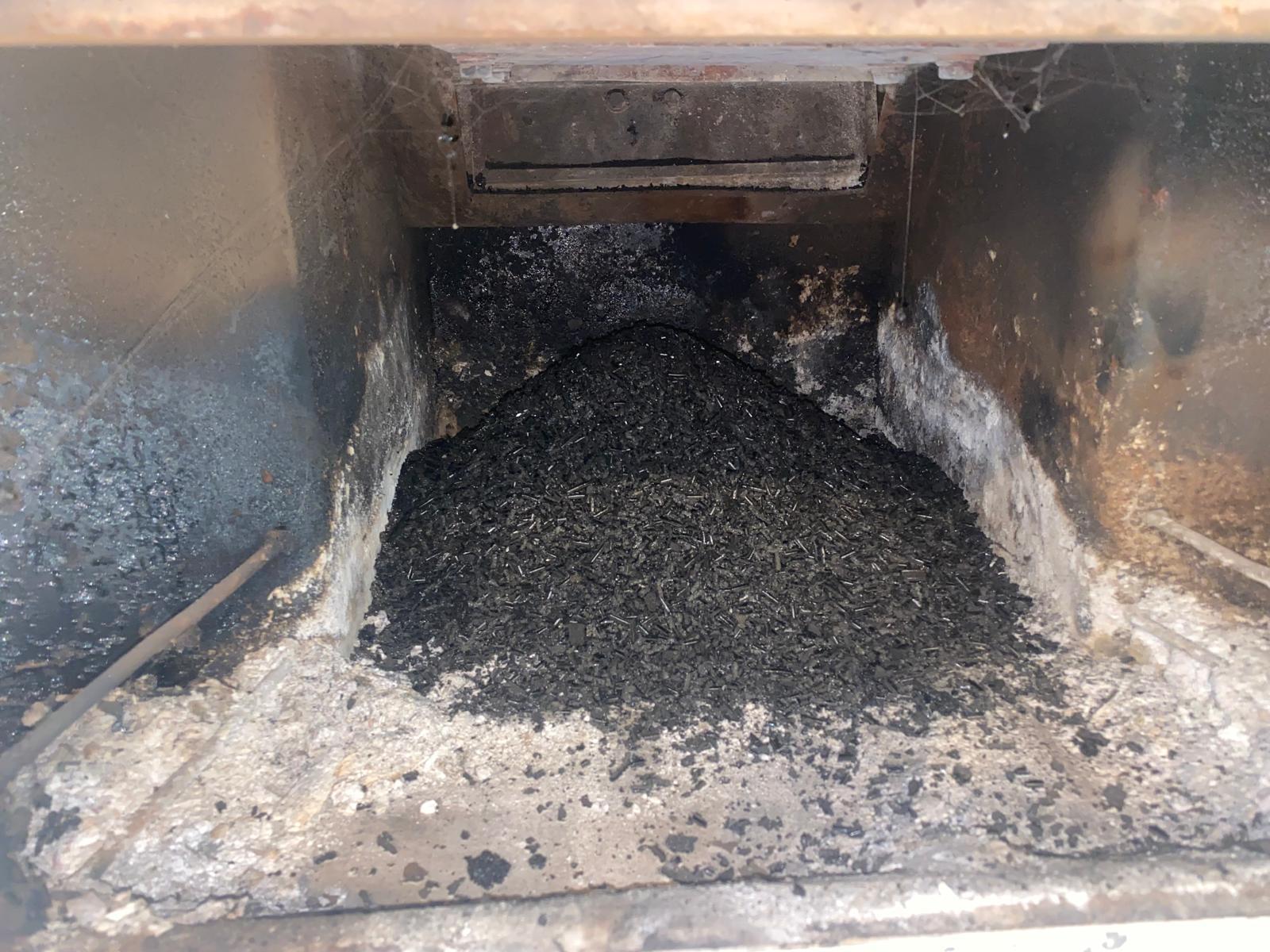
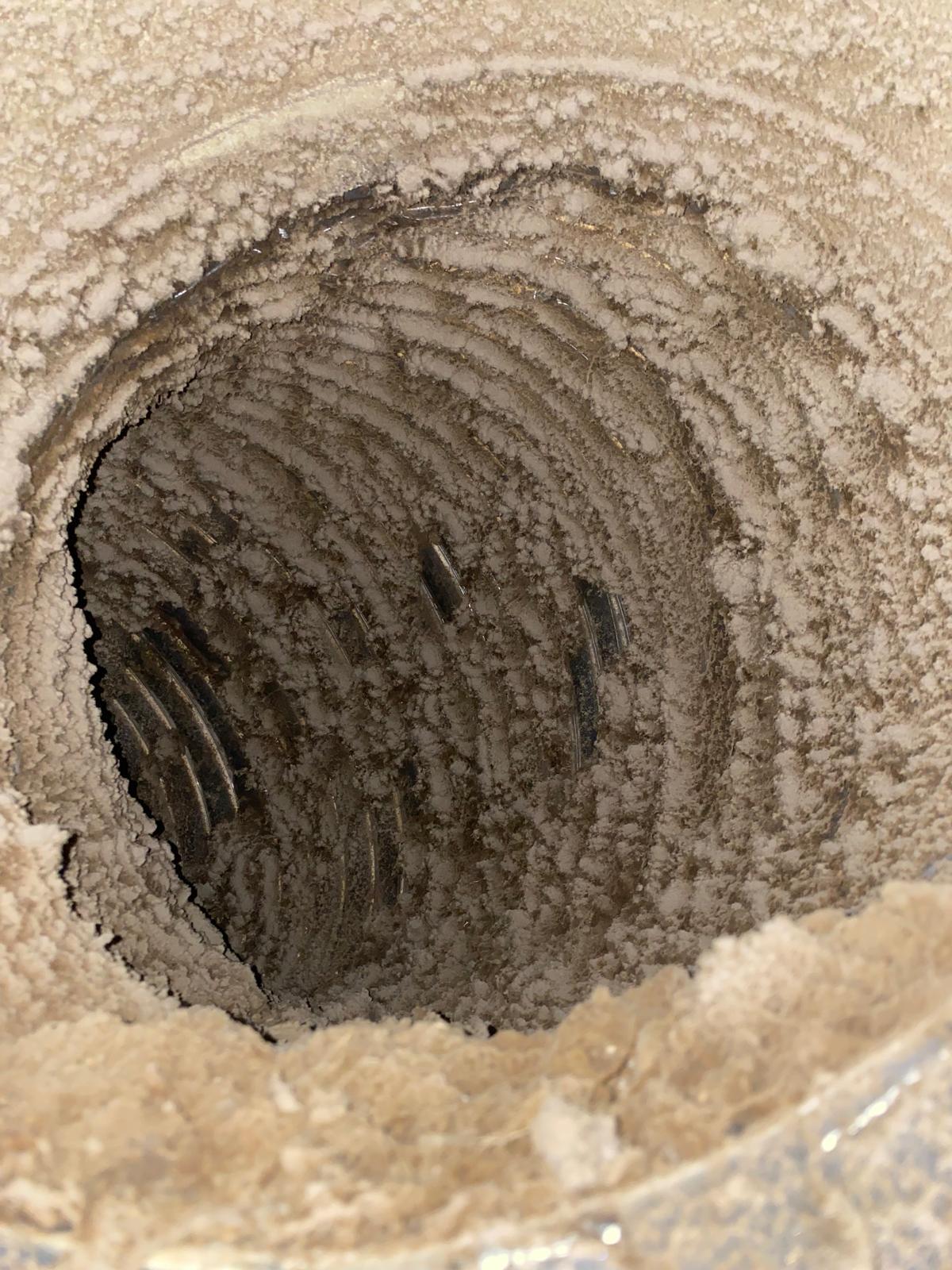
- Preventing Acidic Buildup: Creosote and other combustion byproducts are highly acidic. When left to accumulate, especially after years of fireplace use in Los Angeles winters, they can slowly corrode mortar joints from the inside out. Regular cleaning eliminates this insidious threat.
- Early Detection: During a professional chimney inspection, experienced technicians like ours at DD Chimney Cleaning can spot nascent mortar cracks, signs of efflorescence, or spalling bricks that are invisible to the untrained eye. This early detection is invaluable.
- Mitigating Moisture Damage: A clean chimney ensures proper airflow, which helps dry out any incidental moisture, preventing it from lingering and exacerbating mortar decay. Blockages, on the other hand, trap moisture.
- Overall System Health: A chimney is an interconnected system. Ensuring a clean flue means the entire structure, including the mortar, is under less stress from heat, chemicals, and blockages, contributing to its long-term resilience. While our focus is always on maintaining the chimneys of Los Angeles, we recognize that regardless of geographical location, be it tackling different climate challenges for chimneys, similar professional vigilance is required in cities like Chicago. Or perhaps you’re aware that residents seek reliable chimney service in Boston for their specific structural needs – the universal truth remains: regular cleaning protects your mortar.
Don’t gamble with your chimney’s integrity. Call DD Chimney Cleaning today at (833) 339-6803 to schedule your professional cleaning and inspection. Understanding the dangers of creosote buildup is just one aspect; comprehensive care includes vigilant mortar monitoring.
Proactive Steps: Your Chimney’s Lifeline
While professional services are indispensable, you as a homeowner play a crucial role in your chimney’s longevity. Integrating these proactive steps into your home maintenance routine can significantly extend the life of your mortar and prevent emergencies.
- Annual Professional Inspection: This is the golden rule. An expert can assess mortar condition, identify issues, and recommend timely interventions before they escalate.
- Keep Gutters Clean: Overflowing gutters direct water straight onto your chimney exterior, a common cause of mortar erosion in areas like Hollywood Hills.
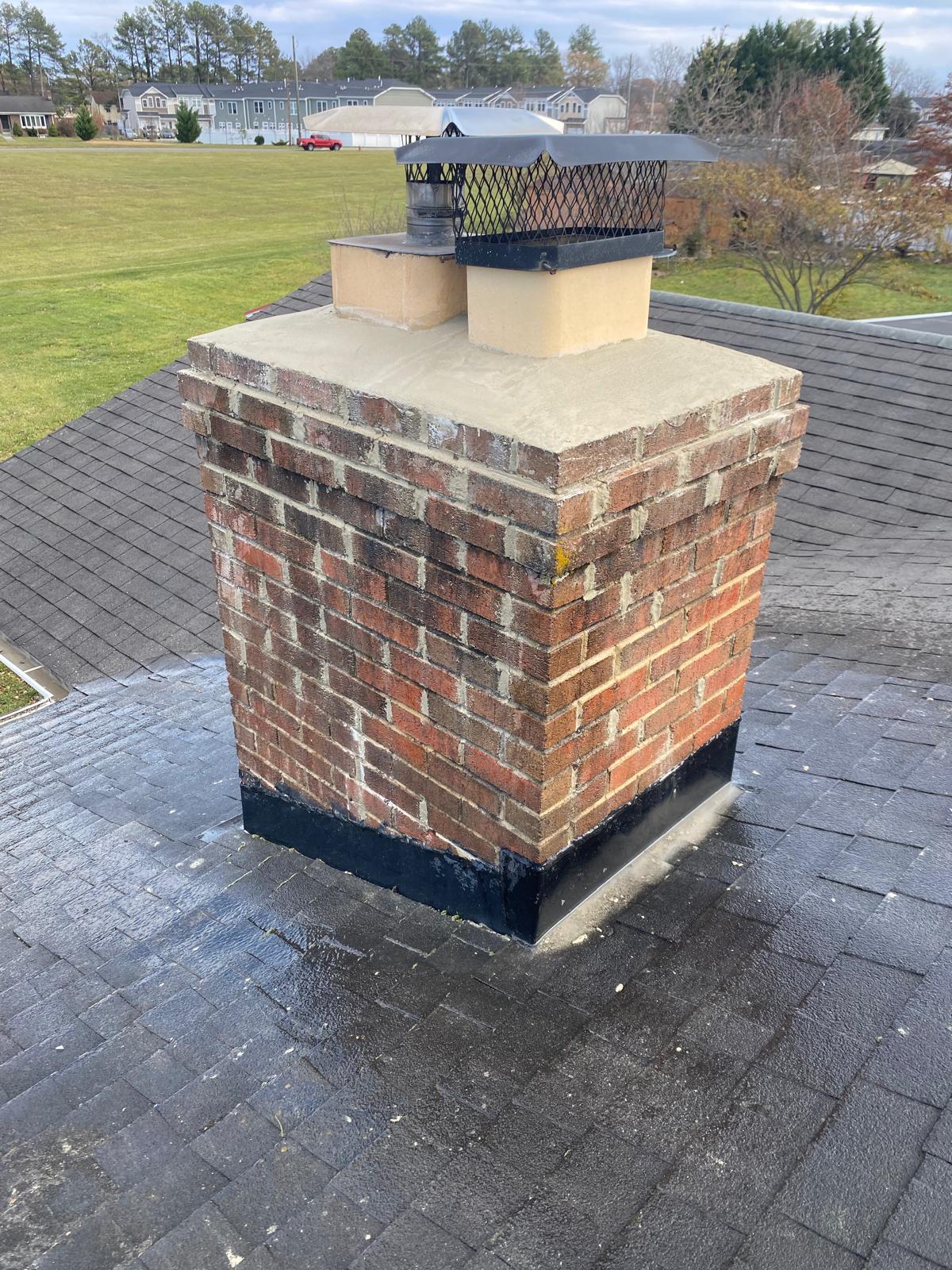
- Install a Chimney Cap: This simple device prevents rain, snow, and animal debris from entering the flue and causing internal moisture damage to mortar joints.
- Monitor Tree Growth: Overhanging branches can rub against the chimney, or falling leaves/debris can cause blockages that trap moisture.
- Educate Yourself: Learn the basic signs of mortar deterioration. A little knowledge can go a long way in prompting early action.
Frequently Asked Questions About Chimney Mortar
Q1: What causes chimney mortar to fail in Los Angeles?
A: In L.A., mortar failure is often accelerated by seismic activity (even minor tremors), extreme temperature fluctuations from our dry heat, and in coastal areas, salt-laden air. Water intrusion from rain or unrepaired crowns is also a major culprit.
Q2: How often should I have my chimney mortar inspected?
A: The Chimney Safety Institute of America (CSIA) recommends an annual chimney inspection. For Los Angeles homes, this is particularly crucial given the local environmental stressors that accelerate deterioration. Our experienced chimney cleaning professionals will always include a thorough mortar assessment.
Q3: Can I repair minor mortar cracks myself?
A: While DIY tuckpointing might seem appealing for minor, superficial cracks, it’s highly recommended to consult professionals. Proper mortar matching, technique, and safety precautions are essential, especially when working at height. Improper repairs can do more harm than good and accelerate overall chimney deterioration.
Q4: What are the dangers of deteriorated chimney mortar?
A: Significant dangers include chimney collapse, fire hazards due to heat escaping through cracks into combustible materials, and carbon monoxide leaks into your home through compromised flue liners. Water intrusion leading to extensive structural damage is also a major concern.
Q5: Does a chimney cleaning service inspect mortar?
A: Yes, a professional chimney cleaning service like DD Chimney Cleaning always includes a visual inspection of the chimney’s exterior and accessible interior, specifically looking for signs of mortar deterioration, creosote buildup, and other potential issues.
Q