Ever found yourself huddled around your beautiful, historic Philadelphia fireplace, only to have a puff of smoke decide to join you in the living room? Many homeowners in older Philly neighborhoods, from Society Hill to Chestnut Hill, often dismiss a smoky fireplace as simply “part of owning an old home.” This common misconception is where chimney draft problems begin to brew, creating not just an annoyance, but a potential safety hazard.
To help us demystify the complexities of chimney draft issues, especially in charming, centuries-old homes, we sat down with an expert from DD Chimney Cleaning. They’ve seen it all, from grand Federal-style fireplaces to cozy Colonial hearths, and shared invaluable insights. Let’s dive into our conversation!
The Roots of the Problem: Why Historic Philadelphia Homes Are Unique
Q: What makes historic Philadelphia homes particularly prone to chimney draft issues compared to newer constructions?
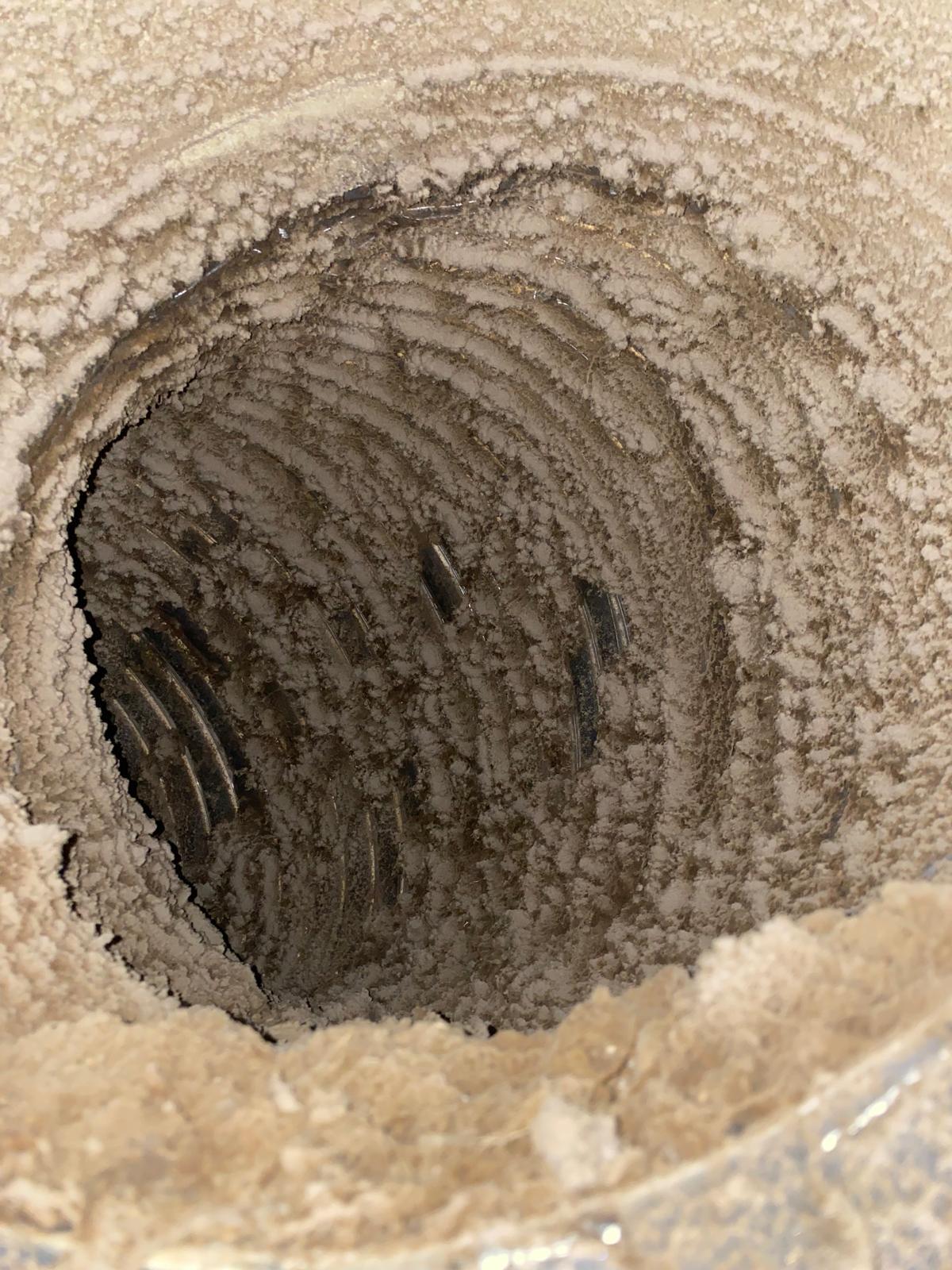
Expert: That’s a great question! Philadelphia is rich in history, and its homes often reflect that with original masonry and unique architectural styles. The primary factors for draft issues stem from their age and construction methods. Many of these homes, especially those built before the 1940s, have smaller, less efficient flues not designed for modern heating habits. Over decades, these flues accumulate layers of creosote and debris, narrowing the pathway. Plus, changes to the home’s structure over time – new windows, insulation, additions – can inadvertently create negative air pressure indoors, essentially sucking air down the chimney instead of letting smoke rise naturally. We often see this when assisting residents across the greater Philadelphia area, including those requiring expert services from DD Chimney Cleaning in Philadelphia.
Common Symptoms and Misconceptions
Q: What are the tell-tale signs homeowners should look for if they suspect a draft problem?
Expert: The most obvious sign is smoke spilling back into the room. But also watch for strong, lingering odors even when the fireplace isn’t in use, difficulty starting or maintaining a fire, and soot stains around the fireplace opening. You might also notice a cold downdraft, which isn’t just uncomfortable but indicates air flow problems. It’s important to pay attention to these early warnings to prevent bigger issues.
Q: What’s a common misconception people have about chimney draft?
Expert: A big one is thinking a bad draft is only about the chimney being blocked. While blockages are a major culprit, it’s often a complex interplay of factors: chimney height relative to surrounding buildings (especially in dense areas like Old City), wind patterns across the roof, even the type of fuel you’re burning. Sometimes, a house can be too “tight,” meaning it lacks sufficient makeup air for the chimney to draw properly. It’s rarely a single, simple issue.
Unpacking the Causes of Poor Draft
Q: Can you break down the main reasons for bad draft in these older homes?
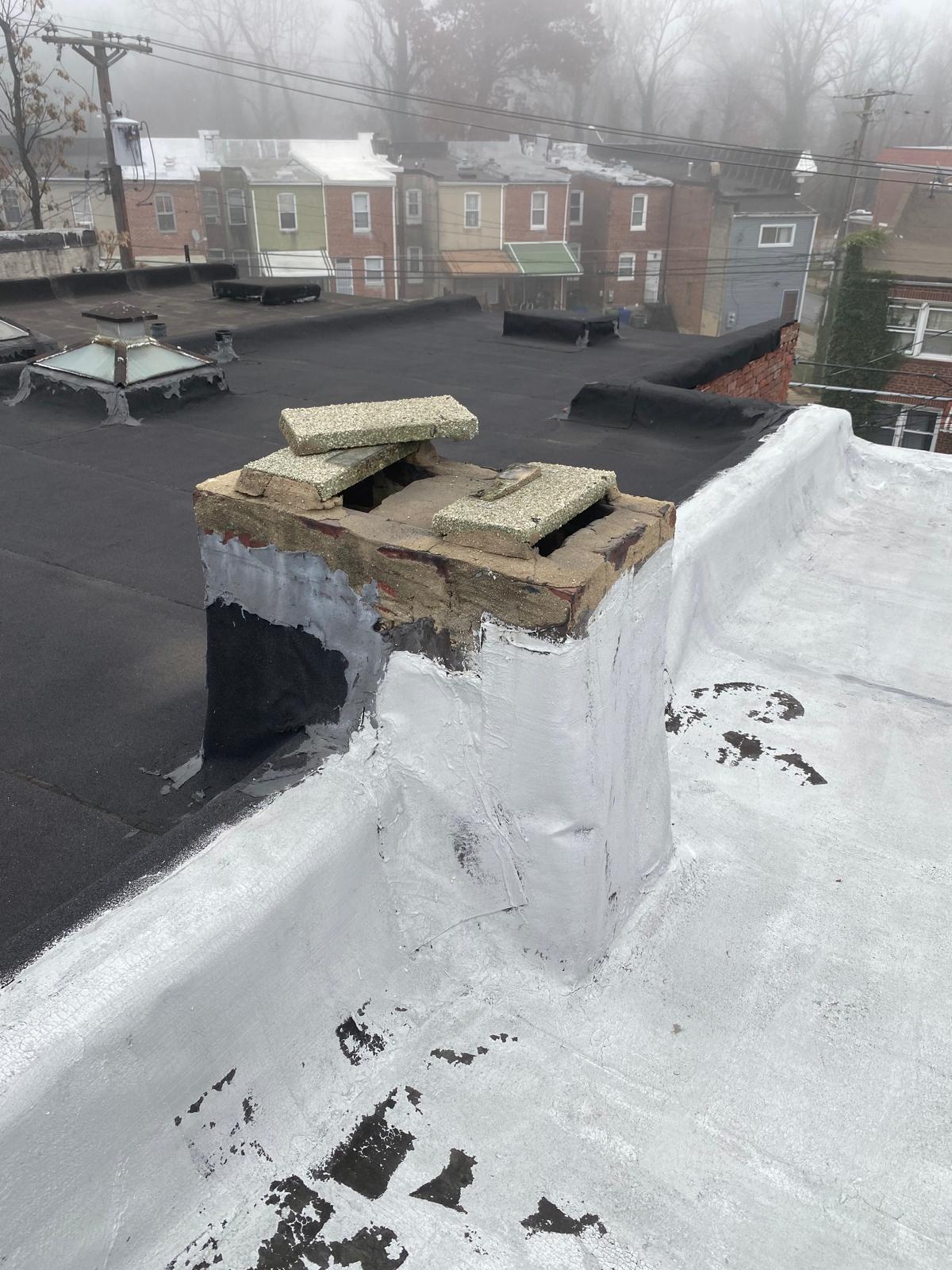
Expert: Absolutely. We categorize them broadly. First, physical blockages are common – think creosote buildup (which is highly flammable, by the way), animal nests, or even deteriorated chimney liners. Second, chimney structure issues play a huge role. An improperly sized flue for the fireplace opening, a chimney that’s too short, or cracks in the masonry can all impede draft. For example, a chimney extending less than 3 feet above the highest point where it exits the roof can suffer from downdrafts, especially with gusty winds coming off the Delaware River. Third, house depressurization is increasingly common in renovated historic homes. Modern improvements like efficient windows, exhaust fans, and tight insulation can create negative pressure, pulling air down the chimney. This is why regular professional chimney sweeping by experts like DD Chimney Cleaning is so crucial. If you’re experiencing these issues in Los Angeles or anywhere else, give us a call at (833) 339-6803.
The Dangers of Ignoring a Bad Draft
Q: What are the risks of neglecting these chimney draft issues?
Expert: The risks are significant. The most serious are carbon monoxide poisoning and chimney fires. When smoke doesn’t vent properly, deadly carbon monoxide can back up into your home. A compromised chimney structure or excessive creosote buildup due to poor draft dramatically increases the risk of a chimney fire. These can rapidly spread to your home’s structure, which is particularly dangerous in older, closely-built row homes typical of Philly. Beyond that, continuous smoke exposure can damage your lungs and cause structural damage to your home, like staining walls and furniture.
DD Chimney Cleaning’s Expert Advice: Solutions and Prevention
Q: What can homeowners do, and when should they call a professional for chimney cleaning?
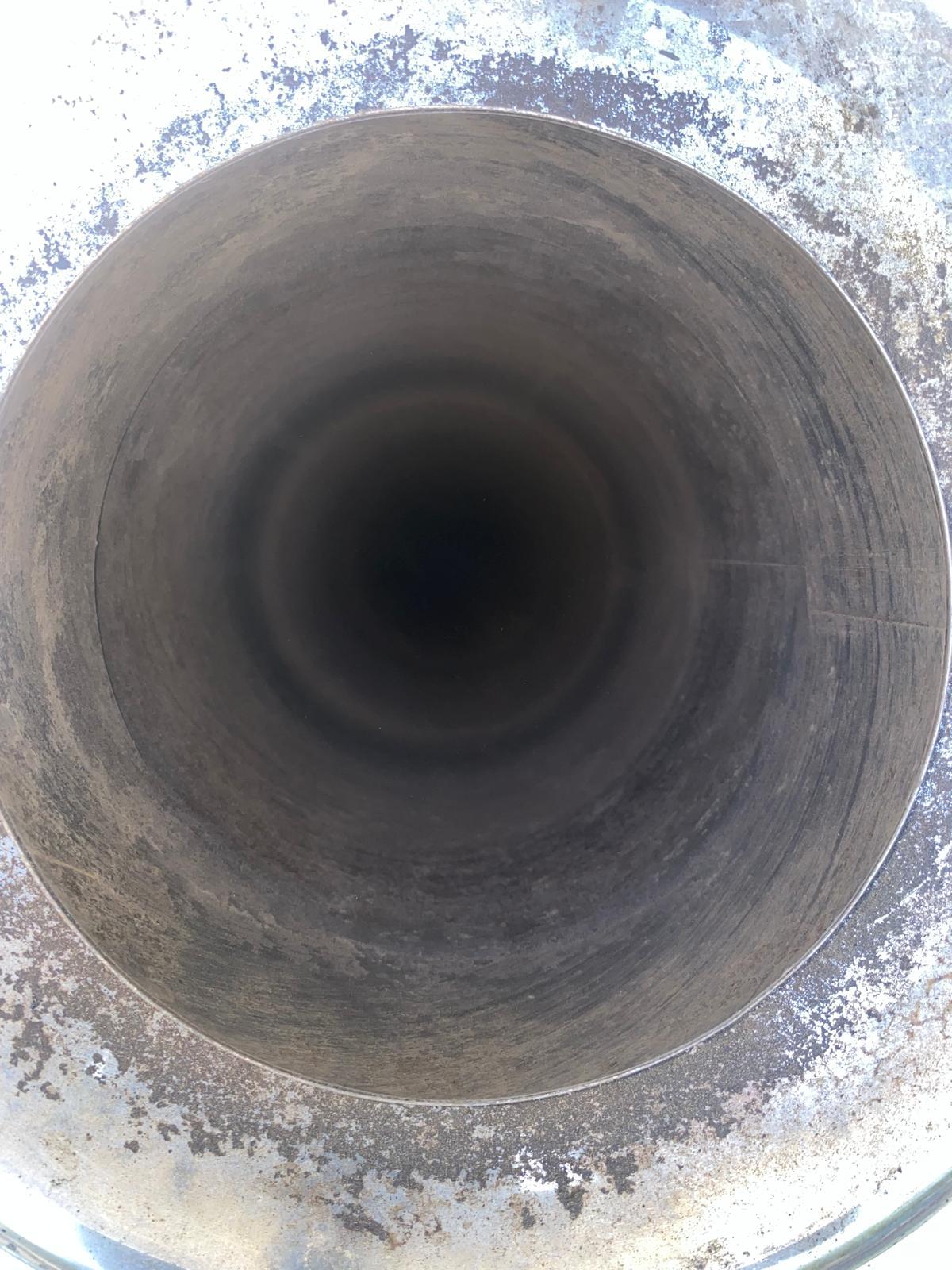
Expert: For prevention, ensure you’re burning seasoned, dry wood. Avoid burning treated wood or trash. Get into the habit of scheduling annual comprehensive chimney inspections and cleanings, regardless of how often you use your fireplace. A professional can identify potential problems before they become critical. For existing draft problems, call us immediately. Trying DIY solutions can be risky. DD Chimney Cleaning has the specialized tools and expertise to diagnose the root cause, whether it’s a blockage, a structural issue, or a ventilation problem. We use advanced camera inspections to get a clear view inside your flue, something a homeowner simply can’t do effectively. Our commitment to safe and efficient fireplace operation extends to all the communities we serve, from Los Angeles to places like Houston and Dallas.
Frequently Asked Questions (FAQ)
Q: How often should I have my chimney cleaned?
A: The National Fire Protection Association (NFPA) recommends annual inspections and cleaning for all chimneys, regardless of use. Even if you use it infrequently, animals can nest, and structural issues can develop.
Q: Can weather affect chimney draft?
A: Absolutely. Cold, high-pressure systems can sometimes create downdrafts. Strong winds, especially those swirling around nearby tall buildings, can also negatively impact draft, particularly if your chimney isn’t tall enough.
Q: What is creosote, and why is it dangerous?
A: Creosote is a highly flammable residue left behind by burning wood. It’s a tar-like substance that builds up inside your chimney flue. When heated, it can ignite, causing a dangerous chimney fire. Proper cleaning by professionals is essential to remove it.
Q: My fireplace smells bad even when not in use. Is that a draft problem?
A: It very well could be! A lingering smoky or musty smell often indicates creosote buildup, animal debris, or moisture issues exacerbated by poor ventilation. This means odors aren’t being properly expelled and are seeping back into your home.
Q: Are modern chimney caps helpful for historic homes?
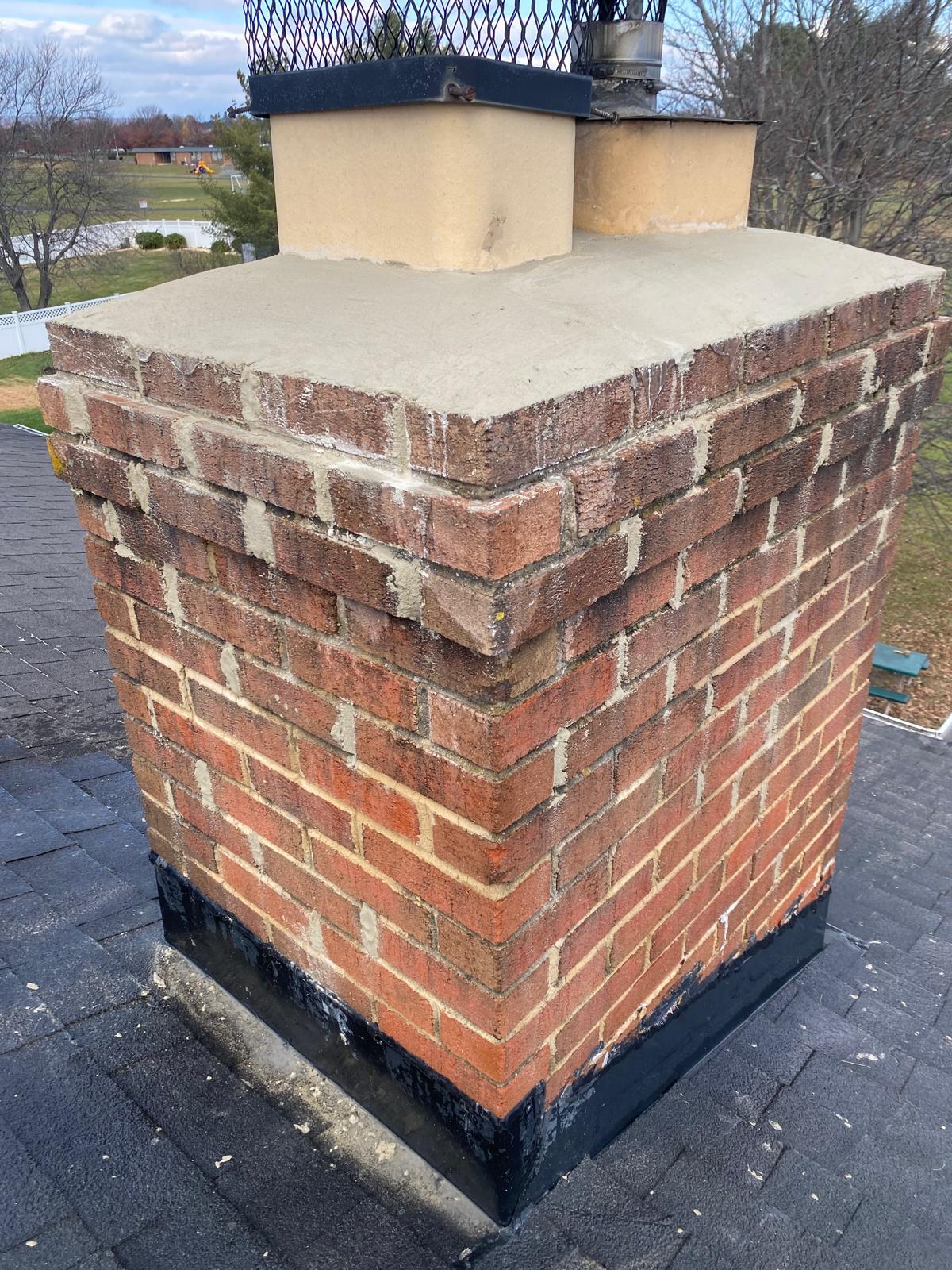
A: Yes, a properly installed, high-quality chimney cap with a spark arrestor is highly beneficial. It protects against rain, snow, debris, and animal entry, which can all contribute to draft problems, while still allowing smoke to vent efficiently. This simple addition is often overlooked but can make a big difference in preventing chimney issues.
Don’t let chimney draft problems diminish the enjoyment or safety of your historic Philadelphia home, or any home you cherish. The experienced team at DD Chimney Cleaning understands the nuances of older chimneys and is dedicated to ensuring your fireplace operates safely and efficiently. If you’ve noticed any of the signs we discussed, or if it’s simply time for your annual inspection and cleaning, don’t hesitate. Protect your home and loved ones.
<