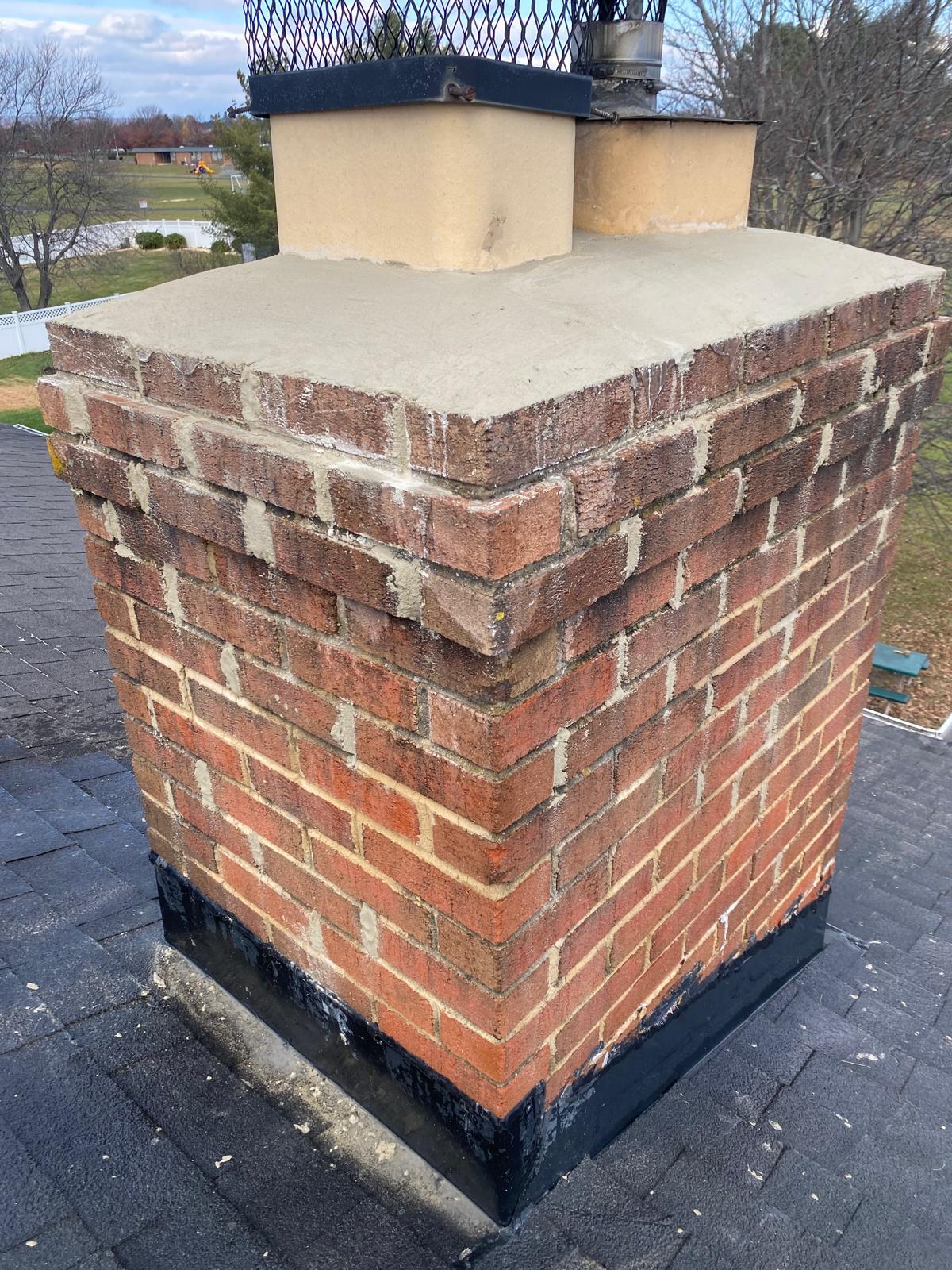
When it comes to home fireplaces, homeowners generally fall into two camps: those who love the authentic crackle and aroma of a wood-burning fireplace, and those who prefer the convenience and cleanliness of a gas fireplace. Both types provide warmth, ambiance, and value to your home, but they have very different maintenance requirements. Understanding these differences is essential for keeping your fireplace safe, efficient, and long-lasting.
Wood-Burning Fireplace Maintenance
Wood-burning fireplaces are the traditional choice and offer an experience that gas fireplaces simply cannot replicate. The dancing flames, the popping sounds, the smell of burning wood — these are the reasons many homeowners choose to maintain their wood-burning systems. However, this authentic experience comes with more demanding maintenance requirements.
Creosote Buildup and Chimney Cleaning
The most significant maintenance concern for wood-burning fireplaces is creosote buildup. Every time you burn wood, smoke rises through the chimney and deposits a layer of creosote on the interior walls of the flue. Over time, this buildup can become thick enough to restrict airflow and, more critically, can ignite and cause a chimney fire.
Wood-burning fireplace owners should have their chimney professionally cleaned at least once per year, and more frequently if the fireplace is used regularly. Heavy users who burn fires daily during winter months should consider having their chimney cleaned two to three times per season. The cost of annual chimney cleaning typically ranges from $150 to $350, a modest investment for the safety and efficiency it provides.
Ash Removal and Firebox Maintenance
Wood-burning fireplaces produce ash that must be regularly removed from the firebox. While a thin bed of ash — about one inch — actually helps insulate the fire and makes it easier to start new fires, excessive ash accumulation can restrict airflow and reduce combustion efficiency. Ash should be removed when it reaches a depth of about two inches.
Always allow ash to cool completely for at least 24 hours before removal, and place it in a metal container with a tight-fitting lid. Store the container outdoors on a non-combustible surface, away from your home and any flammable materials. Wood ash can retain enough heat to start a fire for days after the last fire was extinguished.
Regularly inspect the firebox for cracked or damaged firebricks and deteriorating mortar joints. These components protect the combustible structure of your home from the extreme heat of the fire. Damaged firebricks should be repaired or replaced promptly to maintain the integrity of the firebox.
Wood Storage and Selection
Proper wood selection and storage are ongoing maintenance tasks unique to wood-burning fireplaces. Always burn seasoned hardwood with a moisture content below 20 percent. Seasoned wood burns hotter, produces less smoke, and creates significantly less creosote than green or wet wood.
Store firewood at least 20 feet from your home to minimize the risk of pest infestations and keep it elevated off the ground and covered to protect it from rain while allowing air circulation. Stack wood loosely to promote drying, and use the oldest wood first to ensure it is properly seasoned by the time you burn it.
Gas Fireplace Maintenance
Gas fireplaces are often marketed as “maintenance-free,” but this is a misleading claim. While they require significantly less maintenance than wood-burning fireplaces, they are not maintenance-free and still need regular attention to operate safely and efficiently.
Annual Professional Inspection
Gas fireplaces should be professionally inspected at least once per year, just like wood-burning fireplaces. During a gas fireplace inspection, the technician will check the gas connections for leaks, inspect the burner and pilot light assembly, verify that the venting system is clear and functioning properly, and test safety features including the oxygen depletion sensor (ODS) and thermocouple.
Even though gas fireplaces do not produce creosote, their venting systems can still become blocked by debris, bird nests, or deterioration. A blocked vent on a gas fireplace is extremely dangerous because it can cause carbon monoxide to back up into your home. Annual inspection ensures the venting system is clear and all safety components are working correctly.
Cleaning Gas Fireplace Components
Gas fireplace logs, whether ceramic or concrete, should be inspected annually for cracks, chips, or discoloration. Damaged logs should be replaced because they can affect flame patterns and create inefficient or unsafe burning conditions. The glass front or door should be cleaned regularly using a cleaner specifically designed for gas fireplace glass — never use standard glass cleaner, as the ammonia can damage the coating on the glass.
The burner assembly should be cleaned annually to remove dust, pet hair, and other debris that can accumulate and affect flame quality. Spider webs in the burner ports are a surprisingly common problem that can cause uneven flames or prevent ignition. The pilot light assembly and thermocouple should also be cleaned to ensure reliable operation. Speaking of home maintenance, read more here provides top-quality roofing.
Ventilation System Maintenance
Gas fireplaces come in three venting configurations: natural vent (B-vent), direct vent, and vent-free. Each has specific maintenance requirements. Natural vent and direct vent models use chimney or vent pipes that must be inspected annually for blockages, corrosion, and proper connections. Vent-free models require special attention to room ventilation and should always have a working oxygen depletion sensor.
Key Differences at a Glance
Cleaning frequency: Wood-burning fireplaces need chimney cleaning one to three times per year. Gas fireplaces need annual inspection but rarely require chimney cleaning.
Creosote risk: Wood-burning fireplaces produce creosote that poses a significant fire hazard. Gas fireplaces do not produce creosote, though they can develop other deposits. We recommend checking out Electrical in Los Angeles County for additional electrical needs.
Carbon monoxide risk: Both types can produce carbon monoxide if not properly maintained. Gas fireplaces present a higher CO risk if venting is blocked because the flame may continue operating even with a blockage.
Cost of maintenance: Wood-burning fireplaces cost more to maintain due to the need for regular chimney cleaning, firewood, and more frequent repairs. Gas fireplaces have lower annual maintenance costs but may have higher repair costs when components fail.
Daily upkeep: Wood-burning fireplaces require ash removal, fire building, and wood management. Gas fireplaces require little to no daily maintenance — simply turn them on and off.
The Bottom Line
Whether you have a gas or wood-burning fireplace, regular professional maintenance is non-negotiable for safety. Both types of fireplaces are designed to contain fire and vent combustion byproducts safely, and both can fail in dangerous ways if not properly maintained. The specific maintenance tasks differ, but the importance of annual professional inspection and service is the same.
At D&D Chimney Cleaning Pro Services, we service both gas and wood-burning fireplaces and chimney systems. Our certified technicians are trained to inspect, clean, and repair all types of fireplace and chimney configurations. Whether you need a comprehensive chimney sweep for your wood-burning fireplace or an annual gas fireplace inspection, we have you covered. Call us at (833) 339-6803 to schedule your service today.
Service Areas
We proudly serve many locations. Check out our services in these areas:
- Fireplace Cleaning in Arlington, MA
- Chimney Cleaning in Tulsa, OK
- Chimney Cap Installation in Irvine, CA
- Chimney Cap Installation in Washington, NH
- Chimney Cap Installation in Arlington, KS
- Chimney Sweep in Trenton, NJ
- Chimney Cap Installation in Portland, ME
- Fireplace Cleaning in Jacksonville, NC
- Dryer Vent Cleaning in Arlington Heights, IL
- Dryer Vent Cleaning in Flagstaff, AZ
- Fireplace Cleaning in Boise, ID
- Fireplace Cleaning in Santa Ana, CA
- Chimney Repair in Riverside, CA
- Fireplace Repair in Anaheim, CA
- Chimney Cap Installation in Anaheim, CA
- Chimney Cleaning in Irvine, CA
Our Chimney Services:
Professional chimney cleaning and chimney inspection services available nationwide. Our CSIA-certified technicians serve Chicago, New York, Boston, Houston, and hundreds of cities nationwide. Call (833) 339-6803 for a free inspection.