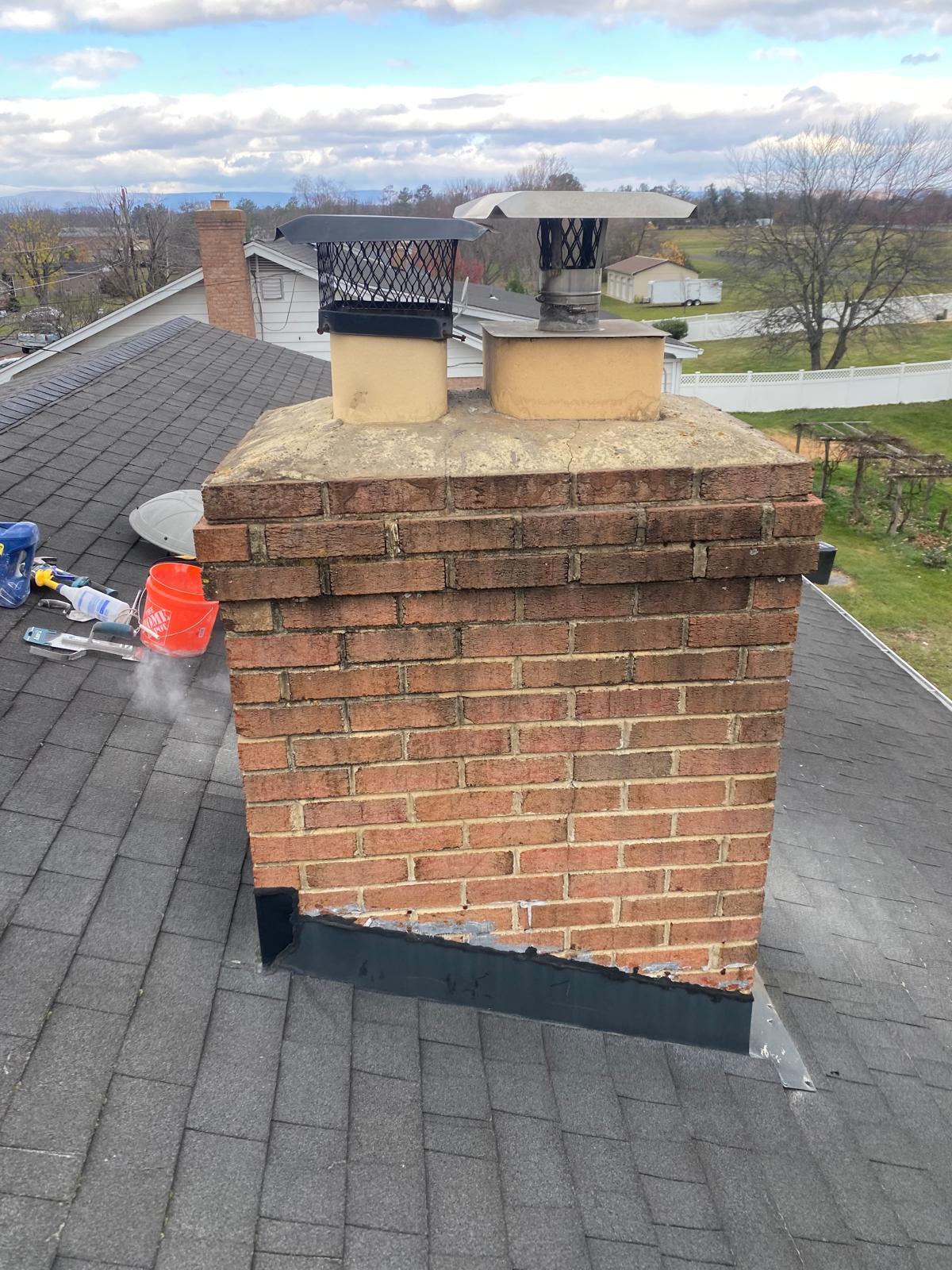
Before You Know It: The Common Misstep with Your Chimney’s Hidden Hero
Many homeowners, especially those nestled in historic neighborhoods from Lincoln Park to Hyde Park, often make a common, yet understandable, mistake: overlooking the silent guardian within their chimney – the flue liner. It’s easy to focus on the roaring fire in your hearth or the visible structure of the chimney stack, but what’s inside, largely out of sight, is paramount to your family’s safety. Ignoring the condition of this vital component can lead to serious, even life-threatening, consequences. At DD Chimney Cleaning, while we serve the sunny residents of Los Angeles, California, our expertise in chimney safety applies universally, and we understand the unique challenges faced by homeowners in colder climates like Chicago.
The harsh, freeze-thaw cycles of a Chicago winter, combined with decades of use common in older homes, can take a significant toll on these liners. Before you realize it, a small crack or deterioration can escalate into a major hazard, compromising the very system designed to keep your home safe. But don’t worry – understanding the problem is the first step towards a solution, and we’re here to guide you through it.
Before You Knew: The Hidden Dangers of a Compromised Flue Liner
Imagine the cozy warmth of a crackling fire during a bitter Chicago night. Now imagine the invisible dangers that could be lurking due to a damaged flue liner. The flue liner is essentially the protective conduit inside your chimney, serving several critical functions:
- Containment: It keeps hot combustion gases, flames, and sparks safely within the chimney, preventing them from igniting nearby combustible materials in your home’s walls or attic. Without an intact liner, temperatures in adjacent woodwork can reach dangerous levels, leading to house fires.
- Efficiency: It maintains a consistent flue size, optimizing the draft for efficient combustion and preventing smoke from backing up into your living space.
- Corrosion Protection: It shields the chimney masonry from the corrosive byproducts of combustion, such as acids, which can otherwise degrade the mortar and bricks over time.
- Carbon Monoxide Prevention: Perhaps most importantly, an intact liner prevents lethal carbon monoxide (CO) gas from seeping into your home through cracks or gaps in the chimney structure. The Centers for Disease Control and Prevention reports that over 400 Americans die each year from unintentional CO poisoning, many linked to faulty heating systems and chimneys.
For Chicago homeowners with their often century-old brick homes, these threats are particularly salient. Years of varied weather, from humid summers to extreme winters, constant heating demands, and the natural settling of structures, all contribute to the wear and tear of a flue liner that often predates modern safety standards.
Unmasking the Problem: Identifying Flue Liner Damage in Chicago’s Climate
How does a flue liner get damaged, and how can you tell if yours is compromised? Damage can arise from a variety of factors:
- Age and Deterioration: Over time, clay tile liners can crack and crumble due to thermal stress from repeated heating and cooling cycles.
- Extreme Weather: Chicago’s severe winter weather and the famous lake effect can exacerbate damage. Water can seep into minor cracks, freeze, and expand, leading to larger fractures.
- Chimney Fires: Even small, undetected chimney fires can cause significant damage to the flue liner, compromising its integrity.
- Improper Installation or Use: Using the wrong fuel or poor initial installation can also contribute to premature failure.
While some signs of damage might be visible – like smoke backing into your home, strange odors emanating from the fireplace even when not in use, or visible debris in the firebox – the most reliable way to identify flue liner issues is through a professional chimney inspection. DD Chimney Cleaning specializes in thorough annual chimney inspections, often utilizing specialized cameras for Level 2 inspections that can identify even hairline cracks or mortar joint failures that are impossible to see otherwise. This detailed view into your flue is critical, especially in an environment like Chicago where these issues are so prevalent. Our expert technicians, even from afar, understand the complexities that Chicago homeowners face, just as they do when addressing nuanced challenges for DD Chimney Cleaning in Cleveland or here in our home base.
After Identification: Understanding the Path to a Safer Chimney
Once flue liner damage has been identified during a professional inspection – an essential first step that DD Chimney Cleaning provides through our comprehensive cleaning service – the next phase involves repair or replacement. It’s important to clarify: DD Chimney Cleaning focuses exclusively on expert chimney cleaning and thorough inspection. We are dedicated to identifying potential hazards like flue liner damage and informing homeowners of their critical need for attention. While we do not perform repairs ourselves, we can connect you with qualified local Chicago professionals who specialize in these solutions.
Common repair methods include:
- Clay Tile Relining/Replacement: For minor damage, individual tiles may be replaced, though often, significant damage requires a full relining system.
- Stainless Steel Liners: A popular and durable solution, especially for older chimneys. A continuous stainless steel pipe is inserted into the existing flue, creating a safe, efficient conduit.
- Cast-in-Place Liners: This method involves pouring a cement-like material around an inflatable former within the existing flue, creating a seamless, insulating, and fire-resistant liner.
Choosing the right repair method depends on the extent of the damage, the type of appliance venting into the chimney, and local building codes. What’s crucial is acting swiftly after identification. Delaying repair can dramatically increase fire risk and carbon monoxide exposure. If you suspect any issues, a prompt professional chimney cleaning and inspection at (833) 339-6803 is your safest bet for detecting problems early.
Proactive Prevention: Safeguarding Your Chicago Home
The best defense against flue liner damage and the dangers it presents is proactive maintenance. Regular professional chimney cleaning is not just about removing creosote; it’s about a comprehensive inspection of the entire chimney system, including the flue liner. A professional cleaning performed by experts like those at DD Chimney Cleaning can:
- Detect Damage Early: Identifying minor issues before they become major, costly, and dangerous problems.
- Prevent Buildup: Removing creosote, which is a major cause of chimney fires and can obscure cracks in the liner. Learning more about understanding creosote buildup is vital for every homeowner.
- Ensure Optimal Performance: Keeping your chimney running efficiently and safely, year after year. Our commitment to safety extends beyond Los Angeles, providing expert insights for every home.
Even though DD Chimney Cleaning primarily services the Los Angeles area, our mission is to promote chimney safety everywhere. The principles of regular inspection and cleaning apply equally to Chicago’s historic homes as they do to our California residences. Consider scheduling your chimney cleaning annually, especially before the heating season begins. This ensures you’re ready for the cold snap and your family stays safe.
Frequently Asked Questions About Flue Liners
- Q1: How often should my flue liner be inspected?
- A: The Chimney Safety Institute of America (CSIA) recommends annual inspections for all chimneys, regardless of usage. If you use your fireplace frequently, or if you live in an older Chicago home,